Traveling to Japan with a Toddler Under 3: A Practical Guide for Parents
Practical tips for traveling to Japan with a toddler: navigating public transport with a stroller, nursing rooms in malls and stations, shopping at Akachan Honpo and Kiddy Land, and choosing baby-friendly hotels.
Aug 8, 2026·✍️ olablog·⏱ 7 min read
Practical tips for traveling to Japan with a toddler: navigating public transport with a stroller, nursing rooms in malls and stations, shopping at Akachan Honpo and Kiddy Land, and choosing baby-friendly hotels.
"Is my baby too young for a trip to Japan? Won't it be exhausting?" — this is the most common question among hesitant parents. The short answer: Japan is perhaps one of the easiest countries in the world to travel to with a toddler or baby. Nursing rooms are everywhere, restrooms feature changing tables, high-quality baby supplies are sold on almost every corner, and Japanese people are remarkably patient and accommodating toward young children. All you need is the right preparation. This article gathers real-world, practical experience for families traveling with children under 3 years old.
Strollers on Public Transit: Fully Doable, but Know the Unwritten Rules
The good news: Japanese sidewalks are smooth, major train stations all have elevators, and main tourist attractions are genuinely stroller-friendly. However, keep these key tips in mind:
- Rush hour trains (7:30–9:00 AM, 5:30–7:00 PM): Avoid them at all costs. Carriages are packed shoulder-to-shoulder, making a stroller a major hassle for both your family and fellow commuters. Scheduling your train journeys between 10:00 AM and 4:00 PM is by far the most stress-free option.
- Locating elevators: At massive hubs like 新宿駅(Shinjuku Station) or 東京駅(Tokyo Station), reaching an elevator may require a long detour. Navigation apps or station signs marked with a stroller icon will save your day. Always allow an extra 10–15 minutes for every train transfer.
- Type of stroller to bring: A lightweight, compact stroller weighing under 6–7 kg (13–15 lbs) with a one-touch fold mechanism is ideal. Many museums and theme parks also offer stroller rentals or storage services.
- Baby carrier: Definitely bring one along. There will be times—such as exploring historic shrines with endless steep stone stairs or cobblestone streets—when a carrier is vastly more convenient than pushing a stroller.
Children under 6 travel for free on trains (including local lines and major services when accompanied by a paying adult, up to a certain limit), so transportation costs for your toddler are practically zero. Tapping through ticket gates with your IC card (like Suica or Pasmo) or using your JR Pass while managing a stroller makes getting around seamless.
Nursing and Diaper Changing Rooms: 5-Star Standards in Malls and Stations
Japan calls them 授乳室(jyunyu-shitsu - Nursing Rooms)—dedicated spaces that typically include diaper changing stations, hot water dispensers for formula, sinks, and sometimes even baby scales:
- Shopping centers and department stores: Almost 100% feature these facilities, usually located on the children's clothing or toy floors. Large complexes like LaLaport or Aeon malls offer spacious family nursing rooms where fathers can enter as well (whereas private direct breastfeeding cubicles are strictly reserved for mothers).
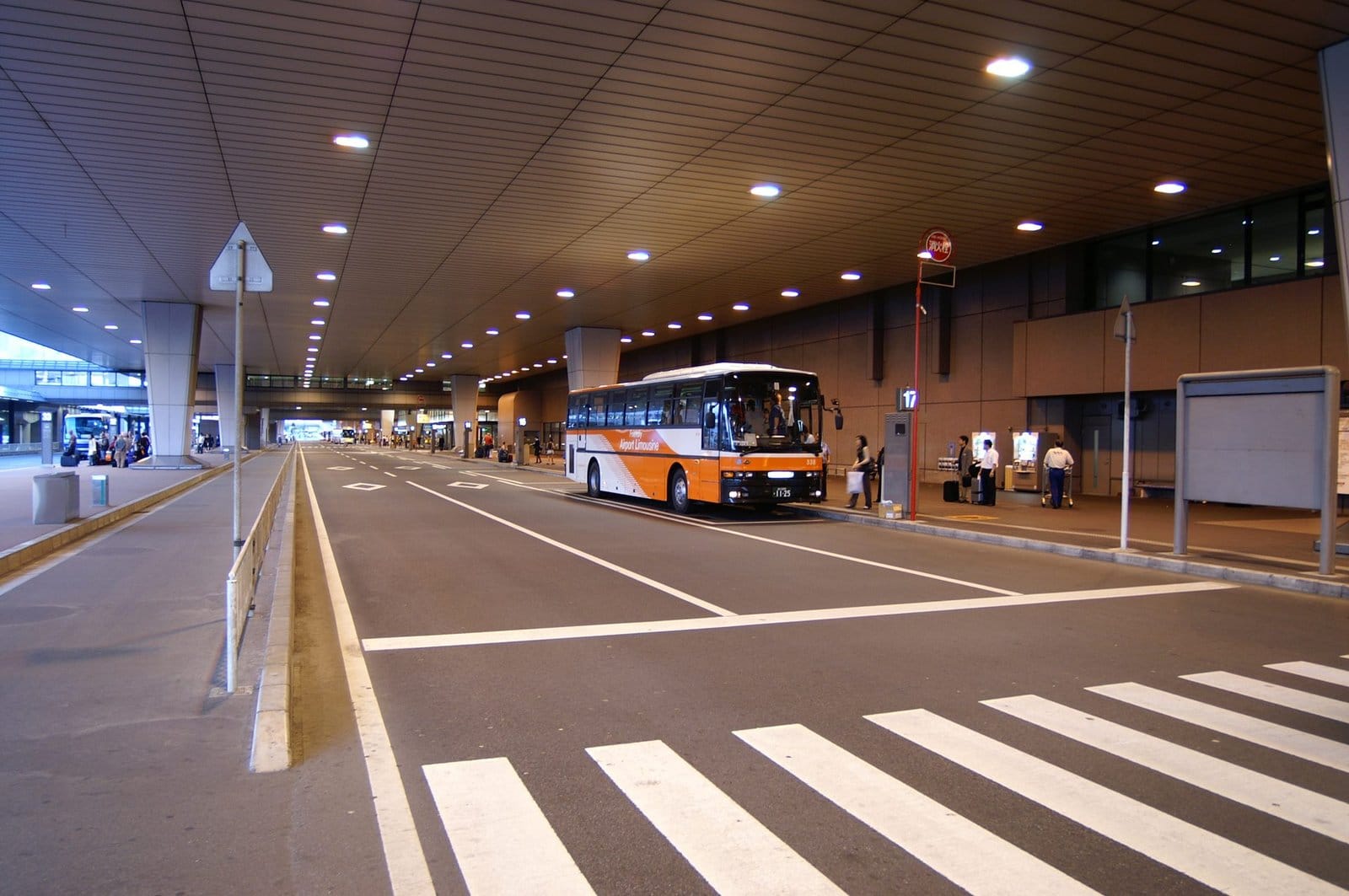
- Major train stations and airports: 成田国際空港(Narita International Airport), 羽田空港(Haneda Airport), and central train hubs all feature clean, free baby care facilities.
- Major attractions: Tokyo Disneyland, 東京スカイツリー(Tokyo Skytree), and top museums all have high-standard nursing rooms available.
- How to find them: Simply ask the information desk for "baby room" or look for the baby bottle icon on floor maps. Japanese nursing room finder apps are also extremely helpful.
Hot water for preparing formula is almost always provided on-site, saving you from hauling heavy thermal flasks around. In restaurants, staff members are usually more than happy to warm up baby food jars or pouches if you politely ask them.
Baby Shopping: Akachan Honpo, Nishimatsuya, and Kiddy Land
There's no need to pack an entire suitcase full of diapers and formula from home—buying baby gear in Japan is both affordable and top quality:
- アカチャンホンポ(Akachan Honpo): The ultimate nation-wide baby mega-store, stocking diapers, formula, baby food pouches, clothing, bottles, and strollers. Japanese baby food pouches (around 100–300 JPY / $0.65–$2.00 USD each) are so unbelievably convenient that many parents buy whole boxes to take home. Major branches can be found in 錦糸町(Kinshicho) and 池袋(Ikebukuro) in Tokyo, as well as many other cities, with tax-free shopping available for eligible purchases.
- 西松屋(Nishimatsuya): A popular budget chain offering soft, high-quality cotton kids' clothing for around 300–1,000 JPY ($2–$7 USD) per piece—ideal for buying in bulk.
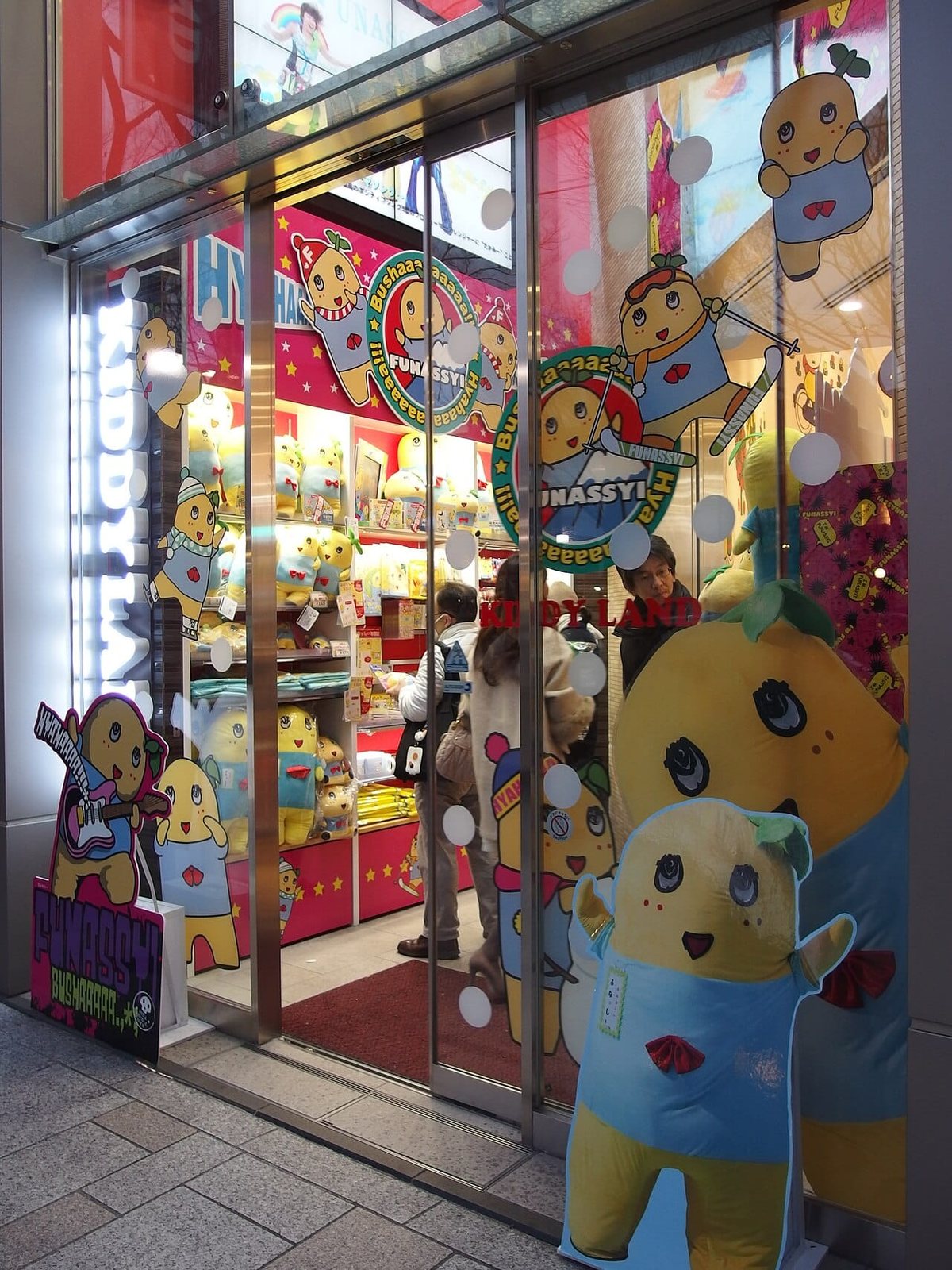
- Kiddy Land (原宿 - Harajuku): Five sprawling floors of toys and character merchandise featuring Sanrio, Studio Ghibli, Miffy, and adorable newborn goods. It is the ultimate place to pick up heart-melting souvenirs for your child (and for parents too!).
- Drugstores and convenience stores (combini): These carry travel-sized packs of diapers and formula everywhere you go, meaning running out of supplies mid-journey is never a crisis in Japan.
Pro-tip: Take note of your baby's current diaper brand (Merries, Moony, and GOO.N are all Japanese brands) so you can easily purchase the correct size off the shelf—sizing charts printed on packaging rely heavily on weight in kilograms.
Selecting Family-Friendly Hotels
- Search keywords: Look for "family room," free baby cot/crib requests, and "non-smoking room." Many Japanese hotel chains allow young children (typically under age 6) to co-sleep on existing bedding for free—be sure to read the room policy details carefully when booking.
- Room size: Japanese hotel rooms are notoriously compact. When navigating with a stroller and baby gear, aim for rooms sized 22–25 m² (235–270 sq ft) or larger, or opt for an aparthotel with an in-room washing machine—an absolute lifesaver when unexpected spills happen.
- Japanese-style rooms (Tatami): Futons are laid directly on woven tatami mats on the floor, meaning parents never have to worry about a restless toddler rolling off a high bed. Many families with young children find this far more practical than standard Western beds.
- Location: Choose accommodation near elevator-accessible train station exits and close to convenience stores for late-night runs to buy milk, bottled water, or instant rice porridge.
Reference rates: Mid-range family rooms in Tokyo generally cost around 15,000–30,000 JPY per night (approx. $100–$200 USD), depending on the season and district.
Pacing Your Itinerary: Half the Speed, Twice the Fun
The secret formula for a successful trip with a toddler under 3 is simple: limit your day to just 1 or 2 main attractions, schedule an afternoon nap time (either in the stroller or back at the hotel), and prioritize parks, aquariums, and walkable pedestrian quarters over rushing through endless temple tours. Tokyo offers plenty of toddler-friendly stops: 東京スカイツリー(Tokyo Skytree)'s Sumida Aquarium, 上野恩賜公園(Ueno Park), and お台場(Odaiba) with its spacious indoor malls. Always keep baby snacks and a new "secret" toy packed in your bag to rescue moments when your child grows restless on public transit.
Conclusion: A Baby Isn't an Obstacle, Just a Different Rhythm
Traveling to Japan with a baby isn't simply a scaled-down version of an adult vacation—it is a completely unique journey. It moves at a gentler pace, holds more tender moments, and those pictures of your toddler taking hesitant steps beneath bright yellow ginkgo trees will prove far more precious than any crammed sightseeing checklist. If you prefer a pre-designed itinerary crafted specifically for families with young children—gentle pacing, vetted hotels, and seamless transport—check out our family Japan tours at OlaChill, or explore more practical travel tips in our Japan travel blog. Wishing your family smooth sailing on your Japanese adventure!