Group Travel in Japan — Practical Tips for Large Families and Friend Groups
A complete guide to group travel in Japan: hiring a 5–50 seat private charter bus with driver, splitting hotel rooms, booking group dining, and crafting a balanced itinerary for everyone.
Aug 8, 2026·✍️ olablog·⏱ 8 min read
A complete guide to group travel in Japan: hiring a 5–50 seat private charter bus with driver, splitting hotel rooms, booking group dining, and crafting a balanced itinerary for everyone.
Traveling to Japan as a couple is easy. Traveling to Japan with fifteen people—three generations ranging from grandparents in their seventies to a three-year-old toddler, plus twenty pieces of luggage—is a full-blown logistical project. Japan’s rail system is world-class, but it is hardly built for large groups lugging giant suitcases during peak commute hours. Japanese restaurants are undeniably delicious, but many seat barely a dozen guests. Even a simple decision like "where should we eat lunch today?" can quickly turn into a 30-minute debate in the middle of a crowded sidewalk. The good news: every single one of these challenges can be solved with proper preparation. Below are the most practical, field-tested tips to ensure your group trip to Japan runs seamlessly from start to finish.
The Biggest Challenge: Transportation — And the Solution Called Private Charter Bus
For groups of eight to ten people or more, public transportation—even with convenient IC cards like Suica or a JR Pass—starts to reveal severe drawbacks. Purchasing train tickets for everyone, keeping the entire group together without losing anyone at chaotic transit hubs like Shinjuku Station (新宿駅) or Umeda Station (梅田駅), hauling heavy luggage up stairs without elevators, and trying to secure adjacent seats on packed trains are constant headaches. Multiply these daily annoyances across a seven-day trip, and the entire group will be thoroughly exhausted before the real fun even begins.
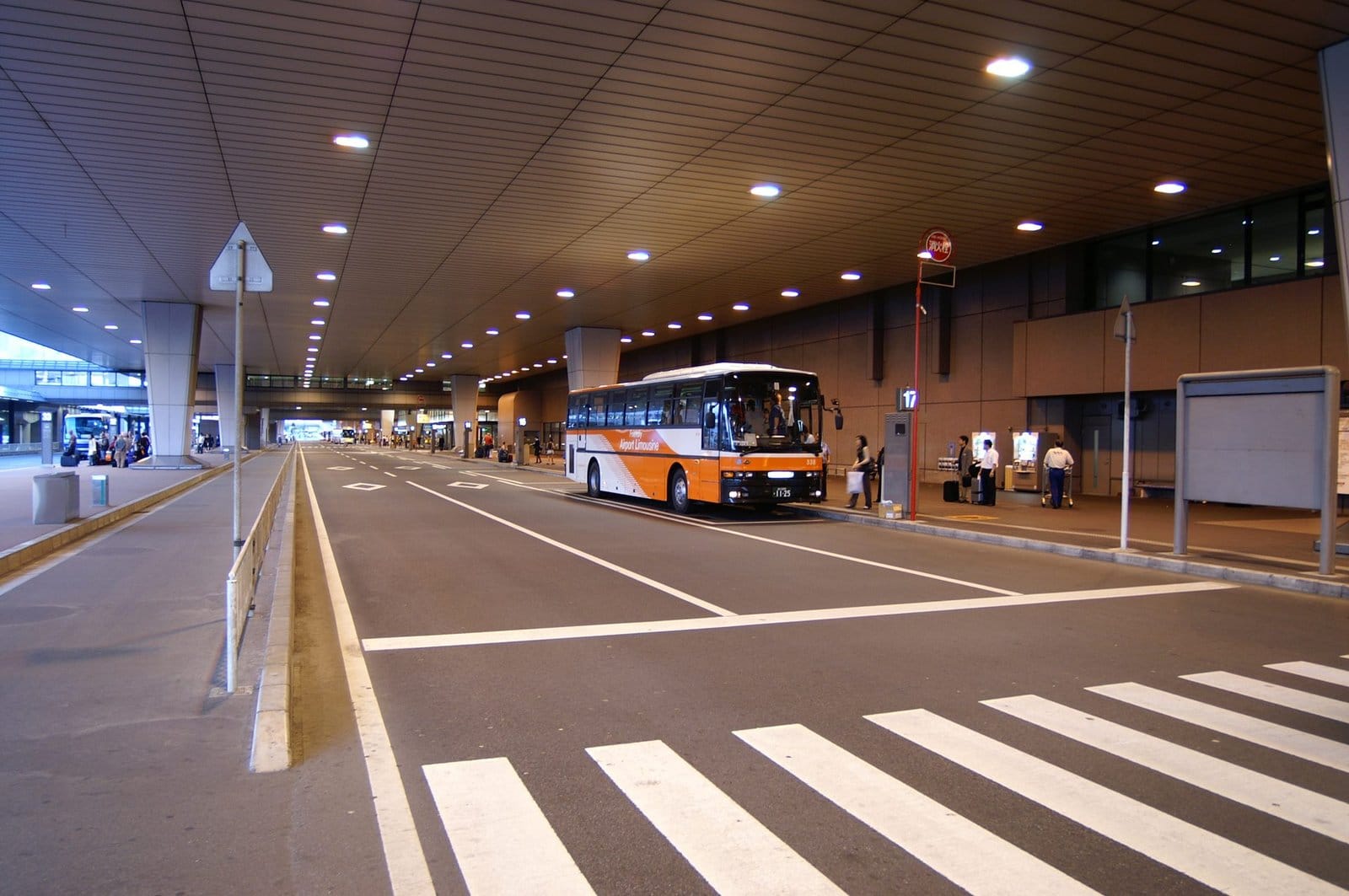
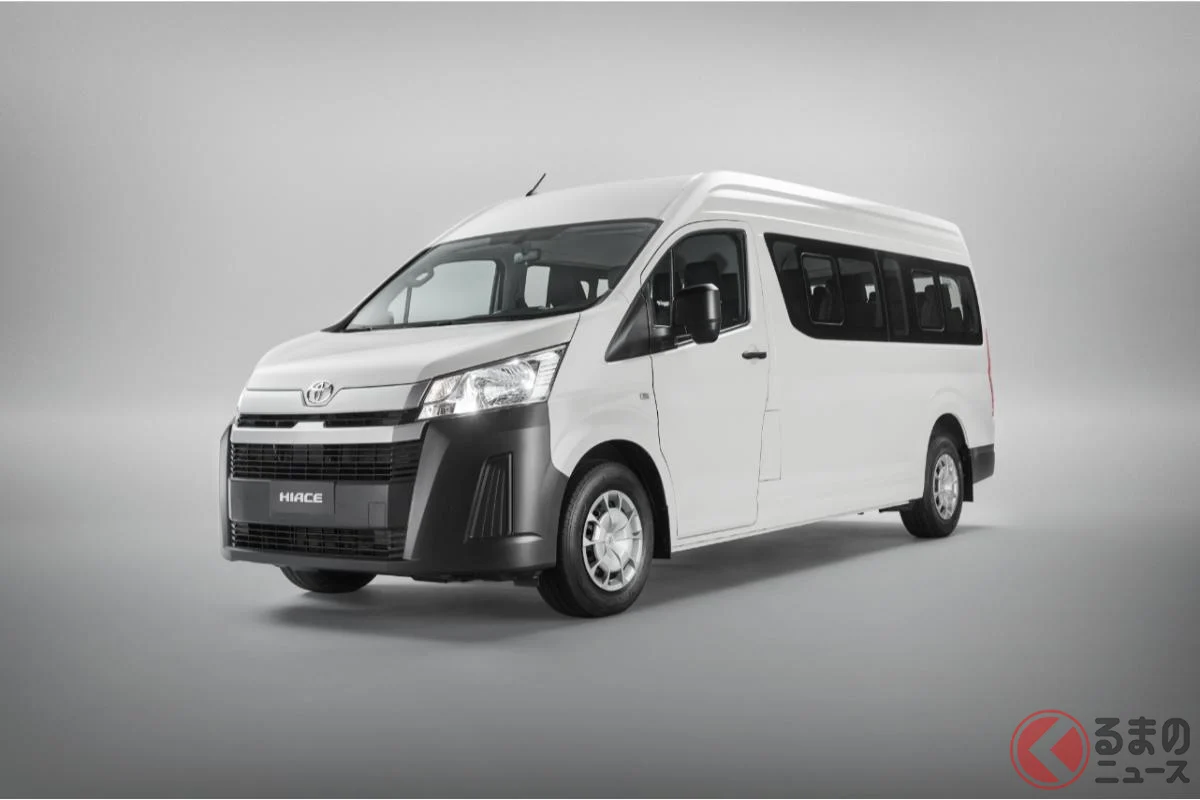
This is why hiring a private charter bus with a professional driver is the standard go-to choice for large tour groups in Japan. Vehicles come in various sizes—ranging from 5 to 13-seat vans and minibuses for smaller family groups, to 20 to 27-seat microbuses, and full-size 45 to 50-seat motorcoaches for corporate groups—complete with experienced local drivers who know the roads inside out. Your party gets picked up right at your hotel doorstep, bags stay securely stowed in the luggage compartment, elderly relatives and young kids can sleep comfortably between sightseeing spots, and the schedule is completely customized to your liking. Want to drop by Gotemba (御殿場) for shopping on the way to Mount Fuji (富士山), or pull over for a photo op at a scenic overlook far from any train station? It takes nothing more than a quick word to your driver.
In terms of cost, hiring a private charter bus per day in Japan typically ranges from tens of thousands of yen for small vehicles up to around 100,000 JPY ($670 USD, at $1 USD ≈ 150 JPY) for a full-size bus for an 8 to 10-hour day, depending on vehicle size, season, and route (excluding highway tolls and parking fees). When divided per person among a group of 20 to 40 passengers, the cost per head is often cheaper than or comparable to buying individual train passes or point-to-point rail tickets, while offering an incomparable level of comfort and flexibility. You can review available vehicle sizes and request a tailored quote for your specific itinerary via the OlaChill private charter bus service, where our dedicated support team can help optimize your route before final booking.
One crucial point to keep in mind: Japanese labor regulations for drivers strictly cap daily working hours, typically around 8 to 10 hours per day, with overtime surcharges applying if exceeded. Factor this limit into your itinerary design rather than expecting a single vehicle and driver to operate continuously from 7:00 AM until 11:00 PM.
Splitting Hotel Rooms: Book Early and Book Smart
Japanese hotels are famous for compact rooms and a reliance on double or twin setups—3 to 4-person rooms are rare, requiring a smart booking strategy for large groups:
- Book much earlier than usual: Groups requiring multiple rooms side-by-side should reserve 3 to 6 months in advance, particularly during peak cherry blossom season, autumn foliage season, and major Japanese holiday periods.
- Divide rooms by "small family units": Instead of searching for rare 5-to-6-person rooms, split the party into pairs or 2-to-3-person room arrangements. Young children sharing existing bedding with parents can often stay free of charge at many hotels, but this must be explicitly declared when booking.
- Consider apartment hotels or Japanese-style rooms: For extended families wanting to stay together, apartment-style hotels featuring bunk beds or traditional ryokan (旅館) tatami rooms with futons (where one spacious room can sleep 4 to 6 guests) offer a fun, cozy, and cost-effective alternative.
- Prioritize hotels with bus parking: If your group is using a charter bus, notify both the hotel and the bus operator in advance to coordinate convenient loading and unloading zones—in dense city centers like Tokyo (東京) or Kyoto (京都), not every hotel allows large vehicles to linger in front of their main entrance.
Booking Restaurants for Groups: A Must, Not an Option
In Japan, a walk-in group of 15 people stepping into a restaurant without a prior reservation is almost guaranteed to be turned away—not out of unwelcomeness, but because Japanese kitchens operate meticulously based on daily ingredient preparations. Here are several essential rules to follow:
- Reserve at least several days in advance, ideally 1–2 weeks for groups over 10 people. Many establishments offer private rooms (koshitsu), which are perfect for multi-generational families with toddlers or corporate gatherings.
- Select a set menu for the whole table: Most venues require large groups to pre-order fixed set courses (typically around $20 to $50 USD / a few thousand yen per person), which ensures prompt service and avoids waiting for 15 separate individual dishes. Unlimited food packages (tabehodai) and timed free-flowing drink options (nomihodai) are local group dining favorites.
- Notify dietary restrictions and children in advance: Vegetarians, seafood allergies, or requirements for high chairs must all be specified during the reservation process.
- Opt for group-friendly dining formats: Spacious izakaya (居酒屋) gastropubs, yakiniku (焼肉) BBQ spots, shabu-shabu (しゃぶしゃぶ) hotpot venues, family restaurants, and department store dining floors are ideal choices. Conversely, compact ramen shops or intimate sushi counters with limited seating are best saved for casual solo or split-group meals.
Pro tip: alternate your dining plan—enjoy a pre-reserved dining experience one day, followed by a flexible "free-roam" meal at a food court or local market the next day, allowing each sub-family to eat at their own pace. Your group does not need to stick together for all 21 consecutive meals of a week-long trip.
Crafting a Group Itinerary: Less Is More
The most common mistake made by group leaders is applying a fast-paced itinerary meant for a young couple to a three-generation family group. When organizing for a large group, keep these golden rules in mind:
- Cap daily sight-seeing at 2 to 3 main spots. Every time a large group boards a vehicle, disembarks, and completes a headcount, it consumes 20 to 30 minutes—accumulating to hours lost each day.
- Base yourself at one hotel for multiple nights. Choosing two main bases (such as 3–4 nights in Tokyo [東京] and 3 nights in Osaka [大阪] or Kyoto [京都]) and taking day trips outward is the most fatigue-free strategy.
- Design designated "breathing room": Reserve afternoon free time in shopping districts where tired family members can comfortably retreat to the hotel early. A 70-year-old grandparent and a 25-year-old traveler simply operate at different stamina levels.
- Select multi-generational attractions: Theme parks, public aquariums, bustling street markets, and scenic spots with ropeway access offer engaging experiences for both grandparents and toddlers alike.
- Assign group roles: Appoint one person to manage shared finances, another to handle dining reservations, and a designated "sweeper" at the rear for headcounts. Create a shared messaging group chat and establish clear meeting points in case anyone gets separated.
Final Thoughts: Bigger Groups, Exponentially Greater Memories
A group trip to Japan certainly demands more effort during the planning phase, but the rewards are immeasurably greater: grandparents gazing at Mount Fuji (富士山) for the first time, kids brimming with excitement at Tokyo Disneyland (東京ディズニーランド), and the whole family gathered around a steaming pot of shabu-shabu—moments that simply cannot be replicated on a solo or couple's getaway. The secret lies in three things: booking everything early, pacing the itinerary comfortably, and entrusting transportation to a private charter bus with a professional driver so everyone can simply relax and enjoy. If you want a ready-to-use, optimized sample itinerary for large groups complete with vehicles and local guides, explore the OlaChill all-inclusive Japan tour packages—or submit your custom itinerary to receive a personalized day-by-day charter bus quote.