
Japan Family Travel Guide with Toddlers & Kids: The Ultimate A-to-Z Manual
Practical tips for traveling to Japan with young kids: family-friendly hotel choices, navigating train stations with strollers, Tokyo Disney vs. USJ, kid-approved activities, dining tips, and a slow-paced 5-day sample itinerary.
Aug 8, 2026·✍️ olablog·⏱ 9 min read
Practical tips for traveling to Japan with young kids: family-friendly hotel choices, navigating train stations with strollers, Tokyo Disney vs. USJ, kid-approved activities, dining tips, and a slow-paced 5-day sample itinerary.
Taking toddlers and young children to Japan might sound like a daring adventure at first: sprawling maze-like train networks, unfamiliar cuisine, and long overseas flights. However, the reality is quite the opposite—Japan is easily one of the most family-friendly and stress-free destinations in the world for traveling with children. Diaper-changing tables are available almost everywhere, 24/7 convenience stores (konbini) stock everything from milk and baby porridge to diapers, Japanese locals are extraordinarily welcoming toward young families, and kids under six usually travel free on public transit (or when using an IC card like Suica or Pasmo alongside adults) as well as at many tourist sights. The secret to a seamless trip lies entirely in careful preparation—and this practical guide brings together real-world tips covering everything from choosing the right accommodation and maneuvering strollers through busy train stations to a relaxed, slow-paced 5-day sample itinerary.
Choosing a hotel: family rooms are harder to find than you think
One thing that often surprises first-time family travelers is that typical Japanese hotel rooms are notoriously compact, and rooms suited for three to four people (family rooms) can be surprisingly scarce in the mid-range budget category. Here are several practical tips for booking the right place:
- Search for keywords like "family room" or "triple/quad room" at kid-friendly hotel chains: Mimaru (apartment-style hotels equipped with kitchens, specifically catering to larger families and foreign travelers), Tokyu Stay, or Richmond Hotel. Apartment hotels are particularly worth considering because they feature in-room washing machines and kitchenettes—an absolute lifesaver when kids stain their clothes or need baby food warmed up.
- Children under six staying in existing bedding are usually free of charge, but you must declare them at the time of booking. Do not try to skip registering your kids, as Japanese hotels strictly account for every guest upon check-in.
- A traditional ryokan with tatami rooms makes a fantastic choice for families: the entire family sleeps on cozy futons spread directly on the floor, eliminating any worries about toddlers rolling off high beds.
- Location matters far more than price: select a hotel located less than a 5-minute walk from a major train station and close to a konbini. Every extra meter you save while hauling luggage, pushing a stroller, and managing a tired child is worth every penny.
Getting around with a stroller: elevators are your best friend
While virtually all train stations in Japan are equipped with elevators, locating one inside a labyrinthine mega-station like 新宿駅(Shinjuku Station) is an entirely different challenge. Here is some hard-earned advice for smooth transit:
- Pay close attention to elevator signage inside train stations, or look for accessibility routes in navigation apps like Google Maps. Station directional signs feature clear elevator icons with directional arrows—taking a slight detour to use an elevator is infinitely better than hauling a heavy stroller down 40 steep flights of stairs. Using an IC card like Suica or Pasmo (or your JR Pass for JR lines) makes passing through ticket gates fast and hassle-free.
- Avoid morning and evening rush hours (7:30–9:00 AM and 5:30–7:00 PM)—trains become so packed that getting aboard with a stroller is nearly impossible. Departing after 9:30 AM offers a vastly more relaxed journey for the whole family.
- Opt for a lightweight, single-hand foldable stroller rather than a bulky full-sized stroller. Many major attractions (including Disney parks, aquariums, and museums) also offer convenient stroller rental services if you prefer traveling light.
- Japanese taxis are relatively expensive, but for a family of four traveling short distances, a taxi can often be cost-effective and far less exhausting than taking the train—don't hesitate to hail one when your child is tired.
Theme parks: Disney, USJ, Fuji-Q or Ghibli?
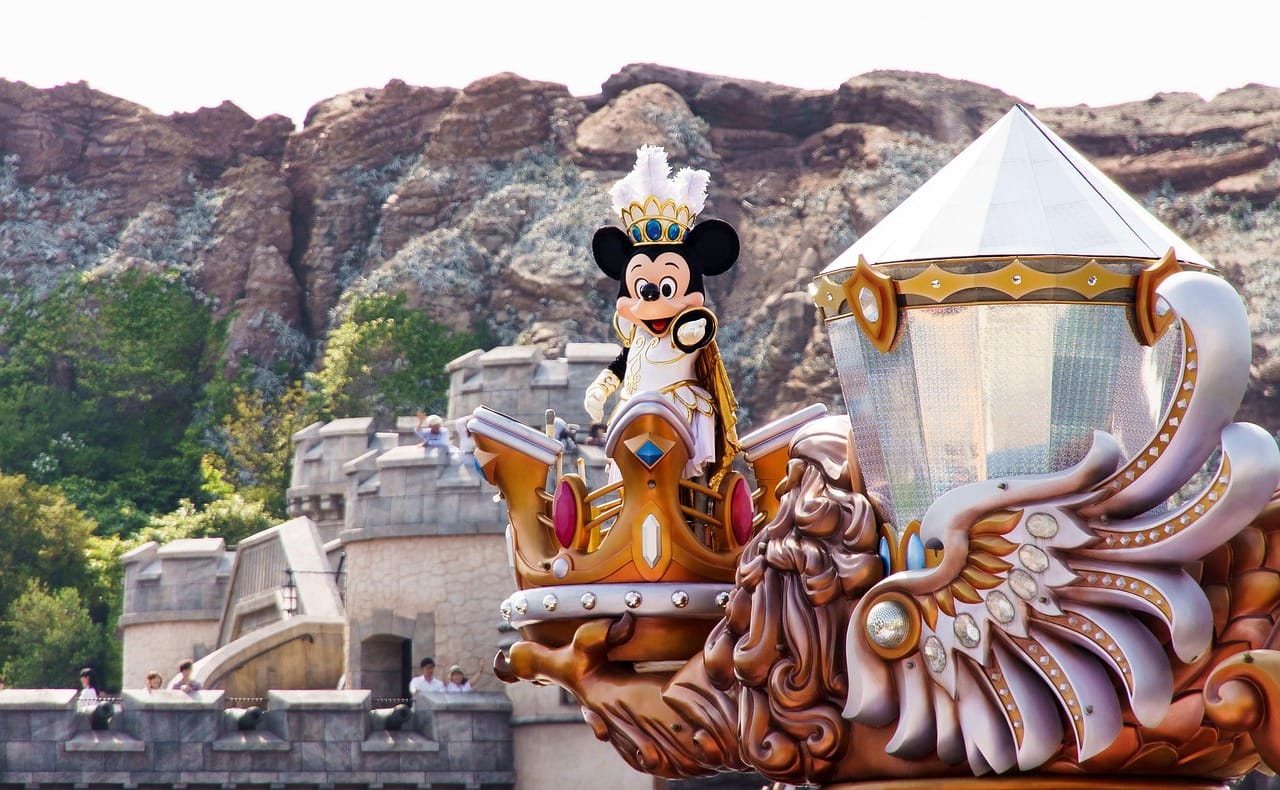
- 東京ディズニーランド&ディズニーシー(Tokyo Disneyland & DisneySea): The top pick for families with young children. Tokyo Disneyland offers plenty of gentle, whimsical rides perfectly suited for toddlers aged 2–6. Tokyo DisneySea is visually stunning but better suited for slightly older kids. Purchase tickets in advance via the official app (prices vary dynamically by day, ranging from roughly ¥8,000–¥11,000 / $53–$73 USD per adult), and utilize the Priority Pass / Disney Premier Access (DPA) features to cut down queue times. Try to visit midweek and arrive at least 45 minutes before park opening.
- ユニバーサル・スタジオ・ジャパン(Universal Studios Japan, Osaka): The Wizarding World of Harry Potter and Super Nintendo World are fantastic for kids aged six and up, while the Universal Wonderland area features Hello Kitty, Snoopy, and Sesame Street rides for younger toddlers. Express Passes are pricey but well worth the investment during peak travel seasons.
- 富士急ハイランド(Fuji-Q Highland) at the base of 富士山(Mt. Fuji): Best known for extreme roller coasters, but few realize that its inside Thomas Land section is an absolute paradise for train-obsessed toddlers aged 2–5, complete with family-friendly rides and stunning views of Mt. Fuji.
- ジブリパーク(Ghibli Park, Nagoya): Features no thrill rides at all, focusing instead on immersive, storybook environments from beloved Studio Ghibli films like My Neighbor Totoro and Kiki's Delivery Service—ideal for Ghibli fans and kids who enjoy peaceful exploration. Tickets must be booked well in advance through scheduled release windows or lottery systems, so plan several months ahead.
General rule of thumb: limit your trip to just 1 or 2 theme parks. A single park day will exhaust the entire family's energy reserves for a full 24 hours.
Things for kids to do beyond the theme parks
Do not pack your itinerary exclusively with historic temples and shrines—children will inevitably go on strike by the second temple. Mix up your daily plans with these engaging alternatives:
- Aquariums: すみだ水族館(Sumida Aquarium) at the base of 東京スカイツリー(Tokyo Skytree) or マクセル Aqua Park 品川(Maxell Aqua Park Shinagawa) in Tokyo are compact, beautifully designed, and ideal for a 2-to-3-hour visit. If you are up for a longer trip, 鴨川シーワールド(Kamogawa Sea World) offers impressive marine shows.
- teamLab (Tokyo): Interactive digital art museums where children can freely run around, touch light projections, and draw custom sea creatures that visually swim across giant projection screens. teamLab Planets includes knee-deep water area walks, so dress your child in shorts that roll up easily. Be sure to book tickets 1–2 weeks in advance.
- Seasonal Fruit Picking: Pick fresh strawberries (January to May) or juicy grapes and pears (autumn) at local fruit orchards around 山梨県(Yamanashi Prefecture) or 千葉県(Chiba Prefecture). For about ¥2,000–¥3,000 (~$13–$20 USD) per person, you get all-you-can-eat access in the farm—an experience almost every child loves.
- Spacious Public Parks: Upper-tier public parks like 上野公園(Ueno Park), 代々木公園(Yoyogi Park), and 昭和記念公園(Showa Kinen Park)—which boasts massive outdoor playgrounds—provide ideal spaces for children to burn off energy between sightseeing days.
If you want to visit 富士山(Mt. Fuji), 日光(Nikko), or go fruit picking without the stress of driving or making multiple complex train transfers with little ones, booking day tours departing from 東京(Tokyo) is the most hassle-free option: board a comfortable air-conditioned coach, let the kids nap on the ride, and enjoy the destination when you arrive.
Eating out with kids: easier than you think
- Family Restaurant Chains (such as Saizeriya, Gusto, and Jonathan's) offer high chairs, dedicated children's menus bundled with small toys, and budget-friendly pricing—a complete family meal typically costs around ¥3,000–¥4,000 (~$20–$27 USD).
- Conveyor-Belt Sushi (Kaiten Sushi) spots like Sushiro and Kura Sushi turn mealtime into an entertaining game: kids love picking colorful plates off the conveyor belt, and menus feature non-raw options like french fries, warm udon noodles, and tamagoyaki (sweet rolled omelet) for pickier eaters.
- Convenience Stores (Konbini) Are Lifesavers: Onigiri (rice balls), fresh bananas, milk, pre-packaged baby porridge, and freshly warmed bento boxes offer quick, convenient breakfasts before heading out to the train station. You can effortlessly pay using your contactless Suica or Pasmo IC card at any konbini checkout.
- Baby food, formula, and diapers are readily accessible at major baby specialty store chains like アカチャンホンポ(Akachan Honpo), 西松屋(Nishimatsuya), or large drugstores—no need to pack a whole suitcase full of diapers from home.
- Japanese restaurants offer prompt service, but traditional small eateries and izakayas often lack high chairs and have tight seating quarters. Always check Google Maps photos and reviews before rolling a stroller inside.
Sample 5-day "slow pace" itinerary (Tokyo, kids aged 2–6)
- Day 1: Arrive in 東京(Tokyo), check into your hotel, take a relaxing stroll around the neighborhood, pick up supplies for your child at a local supermarket or konbini, and sleep early to adjust to the time zone.
- Day 2: Morning at 上野公園(Ueno Park) and 上野動物園(Ueno Zoo) to spot giant pandas; return to the hotel in the afternoon for a nap, then head out for conveyor-belt sushi for dinner.
- Day 3: Full day at 東京ディズニーランド(Tokyo Disneyland)—arrive early, take a long restful lunch inside the park, enjoy the afternoon parade, and head back early if your child gets sleepy.
- Day 4: Recovery day: visit teamLab Planets or すみだ水族館(Sumida Aquarium) in the morning, followed by a free afternoon playing at a nearby neighborhood park and shopping for children's clothes and toys.
- Day 5: Join a day tour for strawberry picking and views of 富士山(Mt. Fuji), or keep it simple with a morning trip to 浅草(Asakusa)—strolling along 仲見世商店街(Nakamise Shopping Street) for traditional snacks and family photos—before heading to the airport.
Golden Rule: stick to one major sight per day, always build in an afternoon nap break, and leave one flexible buffer day with no fixed commitments.
In Conclusion—Their Journey, Your Family Memories: Traveling to Japan with young kids isn't merely a scaled-down version of an adult trip—it is an entirely distinct journey. It moves at a gentler pace, covers fewer sights, but yields far more genuine laughter and cherished moments. Plan your accommodation carefully, space out your activities, make full use of konbini and station elevators, and let Japan take care of the rest. Explore more detailed destination guides on the OlaChill travel blog to finalize your dream family itinerary!
More from this region — Other
View all →
Group Travel in Japan — Practical Tips for Large Families and Friend Groups
8 min · tips
Traveling to Japan with a Toddler Under 3: A Practical Guide for Parents
7 min · experiences
Traveling in Japan with Elderly Parents: Why a Private Minivan Helps
9 min · tips
eSIM vs Physical SIM for Japan Travel
3 min · tips