What to Wear and Bring on a Tokyo Helicopter Flight
What to wear and bring on a Tokyo helicopter tour after the Asian Games in Nagoya: clothing, the small-bag rule, cameras, ID, weight limits and a checklist.
Sep 5, 2026·✍️ olablog·⏱ 7 min read
What to wear and bring on a Tokyo helicopter tour after the Asian Games in Nagoya: clothing, the small-bag rule, cameras, ID, weight limits and a checklist.
Tap a region to browse articles
A helicopter flight is short, and what you wear and carry has an outsized effect on how it goes. The wrong bag stays on the ground. The wrong shirt puts your own reflection in every photo. A forgotten ID can hold up check-in for the whole cabin. This is the packing list for any of the flights OlaChill arranges over Tokyo, Mt Fuji and Yokohama, written for spectators adding a flight to the Tokyo end of an Asian Games Aichi-Nagoya 2026 trip.
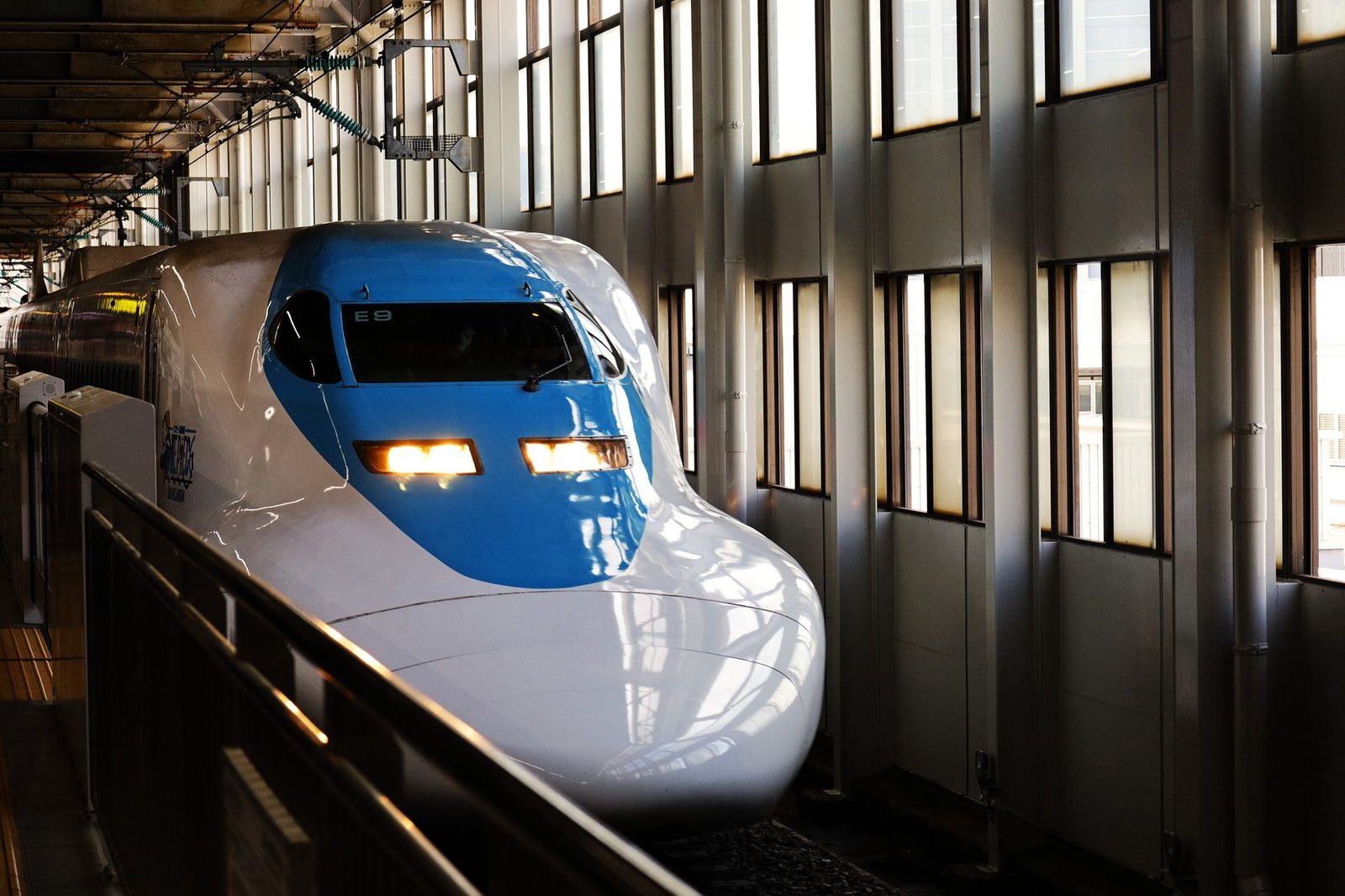
There is no helicopter product in Nagoya, so this applies to the Tokyo leg, about 1h40 from Nagoya by Shinkansen. It applies equally to the 10-minute taster at ¥53,820 per guest and to the 120-minute Fuji grand circuit at ¥6,199,200 for the whole aircraft; the cabin rules do not change with the price.
The two rules everything else follows from
Rule one: weight. Every seat is limited to 120 kg, and the cabin has a total limit fixed by its seat count. A 3-seat cabin is capped at 220 kg. Bags, cameras and coats are all part of that number.
Rule two: nothing loose. Rotor wash near the aircraft and vibration inside it mean anything not attached to you or stowed is a problem. Hats, scarves, loose papers, lens caps, anything that can blow away or roll under a seat.
If an item fails either rule, leave it at the hotel.
What to wear
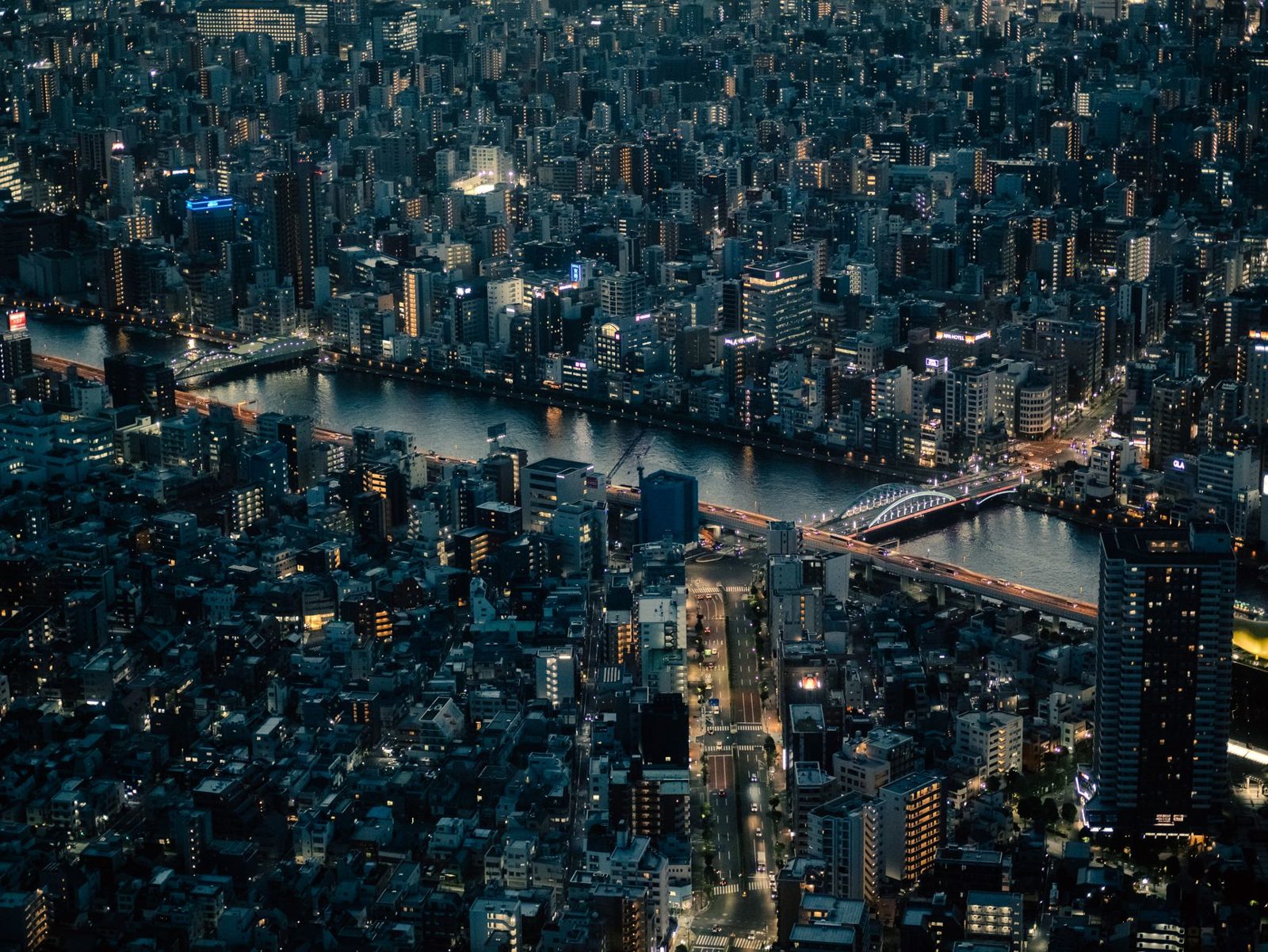
Dark, plain top. If you plan to photograph through the window, a white or light shirt reflects straight back at you in the glass. Dark navy, black or charcoal keeps your reflection out of the frame. This matters most on night flights, where the cabin interior is brighter than the city outside the window.
Layers, not a bulky coat. Late September and October in the Tokyo area is warm and humid, typically 20 to 30 degrees, but heliports are exposed and the wait before boarding can be breezy. A light jacket you can take off and stow is better than a thick coat you have to wear.
Flat, closed shoes. You walk across the apron to the aircraft and climb a step. Heels, sandals and anything that can slip off are a bad idea.
No hat. Take it off before you walk to the aircraft and stow it. Rotor wash removes hats with total reliability.
Hair tied back. Long hair whips around near a turning rotor and gets in the way of a headset.
Minimal jewellery and no dangling accessories. Anything that swings can catch on a belt or door.
What to bring
- Photo ID. Passport or the ID you travel on. Check-in matches names against the booking.
- Booking confirmation on your phone, and a screenshot in case signal is poor.
- One small bag per group if you can manage it, or one very small bag per person. Think small crossbody, not backpack.
- Phone or camera on a strap. A wrist strap for a phone, a neck strap for a camera. Nothing gets picked up in flight if it is dropped.
- Soft earplugs as a backup if you are sensitive to noise. Headsets or ear protection are commonly provided on sightseeing flights; check your booking details rather than assuming.
- Sunglasses for daytime flights. Take them off for photos through the glass, since they add another reflective surface.
- Motion-sickness remedy taken before the flight if you are prone to it. Sightseeing flights are gentle, but better safe.
- A light jacket you can stow.
What to leave behind
- Suitcases, rolling bags, large backpacks
- Tripods and monopods
- Selfie sticks
- Umbrellas
- Drones, without exception
- Food and drink beyond a small water bottle you can stow
- Anything you would be upset to lose if it blew away
If you are coming to the heliport straight from a hotel checkout, arrange to leave luggage at the hotel or at a station locker beforehand. Do not bring it to the heliport expecting storage.
Cameras and phones in more detail
A phone is enough for most people and is the easiest to manage in a small cabin. If you bring a camera, one body and one general-purpose zoom is the sensible limit. Lens changes in a 3-seat cabin are awkward and you miss the view while doing them. A rubber lens hood pressed lightly to the window cuts reflection and stops the lens knocking against the glass.
Turn screen brightness down for night flights; a bright phone screen lights up the cabin and reflects in every window.
Packing checklist
| Item | Bring | Notes |
|---|---|---|
| Photo ID | Yes | Required at check-in |
| Booking confirmation | Yes | Phone plus screenshot |
| Dark top | Yes | Cuts window reflections |
| Flat closed shoes | Yes | Apron walk and step up |
| Light stowable jacket | Yes | Exposed heliport, warm cabin |
| Phone or camera on strap | Yes | One body, one lens at most |
| Soft earplugs | Optional | Backup for noise |
| Sunglasses | Daytime | Remove for photos |
| Small bag | One | Counts towards weight |
| Hat | Stow | Comes off before boarding |
| Suitcase, tripod, umbrella, drone | No | Leave at hotel |
Weight honesty at booking
The weight limit is not a formality. Weights are confirmed at the heliport and seats are assigned for balance. If your group's total, including bags, exceeds the cabin limit, the flight cannot proceed as booked. Give accurate figures when you book and pack light so the numbers hold on the day.
Weather and rebooking
If weather cancels the flight, you receive a full refund or a free date change. You can also change the date yourself free of charge up to 4 days before. Typhoon season is not over in late September and October, so keep your flight early in your Tokyo stay and pack the same way for the rebooked date.
How to book with OlaChill
Choose a flight, check the calendar and pay online on the product pages at https://olachill.com/en/japan-helicopter-tours/tokyo for Tokyo daytime and sunset flights, https://olachill.com/en/japan-helicopter-tours/tokyo/night for night routes, or https://olachill.com/en/japan-helicopter-tours/mt-fuji for the Fuji region. Bring the confirmation and your ID to the heliport at the meeting time; the flight departs about 30 minutes after it.
FAQ
Can I bring a backpack on the helicopter?
A small one at most, and it counts towards the 120 kg per seat and cabin total. A large backpack should stay at the hotel. The cabin has little spare space.
Do I need warm clothes?
Late September and October is warm and humid, so no. A light jacket you can stow is enough for a breezy wait at the heliport. Avoid anything bulky.
Will I be given a headset?
Headsets or ear protection are common on sightseeing flights, but confirm in your booking details rather than assuming. Bring soft earplugs as a backup if noise bothers you.
What ID do I need?
Photo ID matching the name on the booking. A passport is the simplest for international visitors. Have the booking confirmation ready too.
Can I wear a hat and sunglasses?
Sunglasses yes, for daytime flights, though take them off for photos. Hats come off before you walk to the aircraft; rotor wash takes them otherwise.