
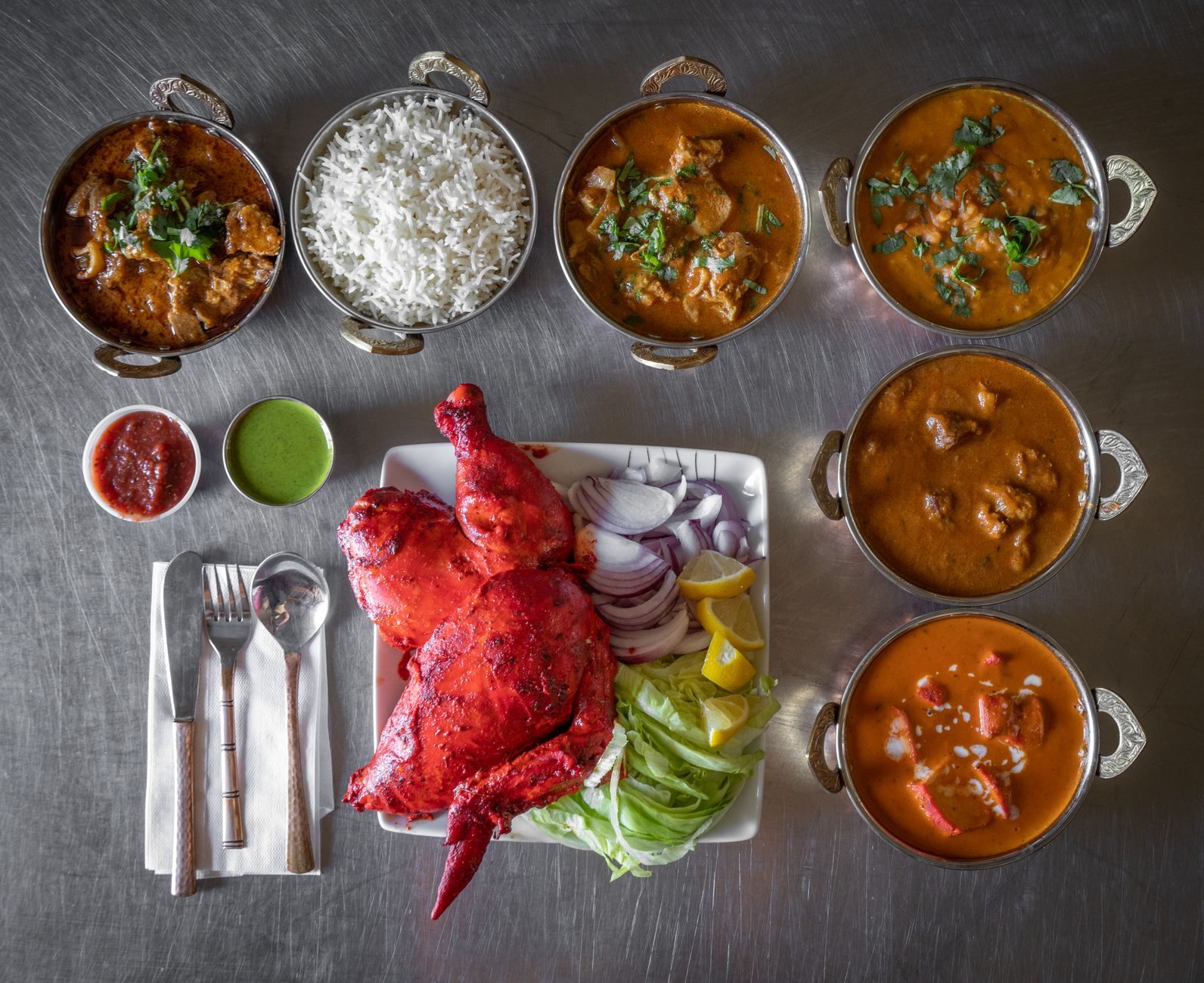
Bengali & Bangladeshi Food in Tokyo
Discover Tokyo's best Bangladeshi-run kitchens, halal Bengali food, and community groceries for authentic tastes from India and Bangladesh.
Jul 10, 2026·✍️ olablog·⏱ 20 min read
Discover Tokyo's best Bangladeshi-run kitchens, halal Bengali food, and community groceries for authentic tastes from India and Bangladesh.
Tap a region to browse articles
Stepping off the plane in Tokyo, the bustling energy and unique aromas of Japan are immediately captivating. Yet, for many travelers from India and Bangladesh, a familiar craving often surfaces amidst the ramen and sushi: the comforting taste of home. Fear not, for beneath Tokyo's glittering surface lies a vibrant, if sometimes hidden, world of Bangladeshi-run kitchens and community grocery stores, ready to serve up a hearty plate of bhat, bhorta, or a fragrant kachi biryani. Expect to find a satisfying meal for around ¥1,200 to ¥1,800 (approximately ₹670 to ₹1,000) in many of these welcoming establishments.
The Quest for Bengali & Bangladeshi Flavours in Tokyo
For first-time or even second-time visitors from India and Bangladesh, navigating a new culinary landscape can be daunting, especially with dietary concerns like halal requirements or the simple desire for vegetarian options that go beyond a basic salad. Tokyo, while globally renowned for its Japanese cuisine, also hosts a thriving, albeit discreet, South Asian community. This community has, over the years, cultivated a network of restaurants and shops that cater specifically to their tastes, bringing a slice of Dhaka and Kolkata to the heart of Japan.
The search for authentic Bengali and Bangladeshi food isn't just about satisfying hunger; it's about finding familiarity, warmth, and a connection to home. These establishments are often more than just eateries; they are community hubs where expatriates gather, share news, and celebrate traditions. For the discerning traveler, this means not only a delicious meal but also an opportunity to experience a unique facet of Tokyo's multicultural fabric. You'll find pockets of these culinary havens scattered across Tokyo, with notable concentrations in areas like Ikebukuro, Shin-Okubo, and particularly, the Edogawa Ward. Understanding where to look and what to ask for is key to unlocking these culinary treasures.
Ikebukuro: A Hub for South Asian Cuisine
Ikebukuro, a major commercial and entertainment district in Tokyo's Toshima Ward, might be famous for its towering department stores and anime shops, but it's also a surprisingly strong contender for South Asian food. The area has seen a steady increase in restaurants serving cuisine from various parts of the Indian subcontinent, and among them are several notable Bangladeshi establishments. These restaurants often cater to a diverse clientele, including locals, other South Asian expatriates, and an increasing number of curious tourists.
When exploring Ikebukuro for Bengali and Bangladeshi food, you'll typically find establishments that offer a wide array of curries, tandoori items, and of course, biryanis. Many of these places prominently display "halal" signage, providing immediate reassurance for Muslim travelers. A typical meal, consisting of rice or naan with a curry and perhaps a side dish, can range from ¥1,200 to ¥2,000 (approximately ₹670 to ₹1,120). Lunch sets are often more economical, sometimes starting around ¥900 (approx. ₹500). To reach Ikebukuro, you can use the JR Yamanote Line, Saikyo Line, Shonan-Shinjuku Line, or several Tokyo Metro lines (Marunouchi, Yurakucho, Fukutoshin). The station itself is a massive interchange, similar in scale to a major metro station like Rajiv Chowk in Delhi.
One common mistake to avoid is assuming all "Indian" restaurants serve the specific Bengali/Bangladeshi style of food. While many are delicious, they might lean towards North Indian or South Indian specialties. It's always best to look for specific clues: restaurant names that include words like "Bangla," "Dhaka," or "Kolkata," or menus that explicitly list dishes like macher jhol (fish curry) or ilish bhaja (fried hilsa). Many restaurants here also offer a "daily special" menu, which can sometimes feature more authentic, home-style Bangladeshi dishes not regularly on the main menu. Don't hesitate to ask the staff if they have any "Bangladeshi style" specials for the day.
Shin-Okubo & Shinjuku: Beyond K-Pop, Towards Deshi Delights
Shin-Okubo is famously known as Tokyo's "Korea Town," a vibrant district teeming with K-Pop merchandise, Korean BBQ joints, and cosmetic shops. However, just a few streets away from the main bustling thoroughfare, and within the broader Shinjuku area, you can discover a surprising number of smaller, often humble, establishments that serve South Asian cuisine, including Bengali and Bangladeshi fare. These spots tend to be less flashy than their Ikebukuro counterparts, often run by families and catering to a more local, expatriate crowd.
The charm of Shin-Okubo's South Asian eateries lies in their authenticity and often their affordability. While you might not find grand dining rooms, you'll discover kitchens that focus on robust flavors and generous portions. Here, you're more likely to stumble upon smaller, cafe-style places offering simple yet satisfying meals like dal bhat (lentils and rice) with a side of bhorta (mashed vegetables or fish). Prices here can sometimes be slightly lower than in Ikebukuro, with a full meal costing around ¥1,000 to ¥1,600 (approximately ₹560 to ₹900). Getting to Shin-Okubo is straightforward via the JR Yamanote Line, just one stop north of Shinjuku.
For those with vegetarian concerns, Shin-Okubo's smaller establishments can be a good bet. While not always exclusively vegetarian, many Bangladeshi kitchens inherently offer a good selection of vegetable-based curries and bhortas. It's always wise to clearly communicate your dietary needs. A simple "niku nashi" (no meat) or "yasai dake" (vegetables only) can go a long way, often accompanied by pointing to menu items. The staff, especially in these community-oriented places, are generally understanding and helpful. The search here might require a little more exploration down side streets, but the reward is often a truly authentic culinary experience, reminiscent of a local eatery back home.
Edogawa Ward: The Heart of Tokyo's Bangladeshi Community
If you are serious about immersing yourself in Tokyo's Bangladeshi food scene and truly want to find the heart of the community, then a trip to Edogawa Ward is essential. Located in the eastern part of Tokyo, Edogawa is home to a significant population of Bangladeshi expatriates, making it the undeniable hub for authentic Bangladeshi cuisine and cultural exchange. This is where you'll find not just restaurants, but also community grocery stores brimming with familiar ingredients, creating an atmosphere that feels remarkably like a mini-Dhaka or Kolkata.
Edogawa's Bangladeshi restaurants are often characterized by their unpretentious charm and a deep commitment to traditional flavors. Unlike some of the more commercial establishments in central Tokyo, these eateries primarily serve the local Bangladeshi community, meaning the food is prepared with genuine home-style authenticity. Expect to find a wide range of regional specialties, from shutki bhorta (dried fish mash) to various preparations of ilish (hilsa fish), if in season. Prices are generally very reasonable, with hearty meals often costing between ¥800 and ¥1,500 (approximately ₹450 to ₹840). To reach Edogawa, take the JR Chuo-Sobu Line or the Tokyo Metro Tozai Line to stations like Nishi-Kasai or Kasai, then perhaps a short bus ride or walk. The journey is a bit further from central Tokyo, but for the dedicated food explorer, it's well worth the effort.
Beyond the restaurants, Edogawa is where the hunt for community groceries truly pays off. Shops here stock an incredible array of imported goods: fresh ilish (sometimes flown in, check for availability and price), specific masalas, varieties of dal, Bangladeshi sweets, and even familiar snacks. This is the place to pick up those hard-to-find ingredients to bring a taste of home to your temporary accommodation if you're staying longer or simply to marvel at the culinary connections. For example, a packet of a specific Bengali five-spice mix (panch phoron) that might be impossible to find elsewhere in Tokyo is readily available here. The atmosphere in these shops is warm and welcoming, and you might even strike up conversations with locals, gaining insights into their lives in Japan.
A Sample Day in Edogawa: Culinary Immersion
Imagine a morning in Edogawa dedicated to a food pilgrimage. Start your day around 10:00 AM by heading to Nishi-Kasai station. From there, explore the local streets, seeking out grocery stores that display Bengali or Bangladeshi signs. Spend an hour or two browsing the aisles, perhaps picking up some specific spices, a pack of chanachur, or even some frozen ilish if available (prices for ilish can be steep, sometimes ¥2,000-¥3,000 per fish, approx. ₹1,120-₹1,680, reflecting its import cost).
For lunch, choose one of the many local Bangladeshi restaurants. Many offer buffet-style options or thali sets, allowing you to sample a variety of dishes. Picture a plate laden with steaming bhat, a rich chicken kosha, a simple yet flavorful dal, and a couple of bhorta selections. The total cost for such a satisfying meal might be around ¥1,200 (approx. ₹670). After lunch, perhaps enjoy a cup of chai at a small cafe, soaking in the local atmosphere. This kind of day trip offers a deeper, more authentic connection to Tokyo's South Asian community than simply dining in a central tourist spot.
The Elusive Kachi Biryani and Other Culinary Treasures
For many from India and Bangladesh, especially those from Kolkata or Dhaka, the term "biryani" immediately conjures images of the fragrant, slow-cooked kachi biryani, where raw meat and rice are layered and cooked together, resulting in tender meat and perfectly infused rice. Finding truly authentic kachi biryani in Tokyo can be a quest in itself, as many "biryani" offerings lean towards the North Indian or Hyderabadi styles. However, with a bit of searching and knowing where to ask, the reward is immense.
Bangladeshi-run kitchens, particularly those in Edogawa, are your best bet for finding a biryani that comes closest to the Kachi style. Sometimes, it might be listed as "Dhaka Biryani" or "Kolkata Style Biryani" on the menu. Don't be shy to ask the staff about their biryani preparation methods. A typical plate of biryani can cost anywhere from ¥1,200 to ¥2,000 (approx. ₹670 to ₹1,120), depending on the portion size and ingredients (chicken, mutton, or sometimes even beef).
Beyond biryani, Tokyo's Bengali and Bangladeshi food scene offers a wealth of other culinary treasures that are a must-try. Bhorta is a staple – mashed dishes made from vegetables like potatoes (alu bhorta), eggplant (begun bhorta), or even various fish. These simple yet incredibly flavorful preparations are a testament to the cuisine's ability to elevate humble ingredients. Another highlight is macher jhol (fish curry), often made with seasonal fish. If you're lucky, you might find ilish maach (hilsa fish), revered in both West Bengal and Bangladesh, prepared in various ways – fried, in a curry with mustard, or even steamed (bhapa ilish). Be prepared for ilish to be significantly more expensive due to import costs.
For the adventurous palate, shutki (dried fish) preparations, such as shutki bhorta or shutki curry, offer a unique and pungent flavor profile that is deeply cherished in Bangladesh. And of course, no meal is complete without dal (lentils), which forms the comforting backbone of most Bengali and Bangladeshi meals. When ordering, try to learn a few key phrases like "mutton biryani" (マトンビリヤニ - maton biriyani) or "chicken curry" (チキンカレー - chikin karē) to ensure you get exactly what you're looking for. Many menus also have English translations, but confirming with staff is always a good idea, especially for specific styles like Kachi.
Navigating Halal and Vegetarian Options with Confidence
One of the most common anxieties for Muslim and vegetarian travelers from India and Bangladesh is finding suitable food abroad. In Tokyo, while Japanese cuisine itself isn't predominantly halal or vegetarian in the South Asian sense, the dedicated Bengali and Bangladeshi restaurants are a safe and welcoming haven.
For Halal Food: The vast majority of Bangladeshi-run restaurants in Tokyo explicitly state their halal status. Look for signs in English or Japanese (ハラール - harāru) prominently displayed outside or inside the establishment. These restaurants source their meat from certified halal suppliers, ensuring that all preparations adhere to Islamic dietary laws. The staff are usually very aware of halal requirements and can confidently guide you through the menu. It's rare to find pork or alcohol served in these specific Bangladeshi establishments, making them a reliable choice. However, always exercise due diligence; if in doubt, a polite inquiry about "halal meat" (ハラール肉 - harāru niku) will usually confirm.
For Vegetarian Food: Vegetarianism is well-understood in Japan, but the concept of "vegetarian" can sometimes differ. In authentic Bengali and Bangladeshi restaurants, however, you'll find a wide array of naturally vegetarian dishes. Dal, various bhortas, and vegetable curries (shobji) are staples. When ordering, clearly communicate your dietary needs. Phrases like "niku nashi" (肉なし - no meat), "sakana nashi" (魚なし - no fish), or "yasai dake" (野菜だけ - vegetables only) are incredibly helpful. Most establishments will also be able to confirm if a specific dish contains eggs (tamago) or dairy (nyūseihin), should those be a concern for your specific dietary restrictions.
A crucial point for vegetarians is cross-contamination. In dedicated Bangladeshi kitchens, while meat and fish dishes are prepared, many vegetable dishes are cooked in separate pots or with separate utensils, reducing the risk. If you have severe allergies or strict dietary requirements, it's always best to convey this clearly. Many restaurant owners and staff are from Bangladesh themselves and understand the nuances of South Asian vegetarianism, making it easier to find suitable and safe options compared to more generalized "international" restaurants. Do remember that some Japanese dishes might contain dashi (fish stock) or mirin (sweet rice wine), even if they appear vegetarian, so sticking to known Bangladeshi establishments largely mitigates this concern.
OlaChill's Top Picks and Sample Food Itinerary
While we encourage exploration, here are some general types of establishments and a sample itinerary to guide your culinary journey in Tokyo:
OlaChill's Top Picks (General Categories, as specific names change):
- Ikebukuro's Established Curry Houses: Look for well-regarded South Asian restaurants near Ikebukuro Station that often have "Bengali" or "Dhaka" in their name or prominently feature Bengali dishes on their menu. These typically offer comprehensive menus, including various biryanis, tandoori items, and classic curries. Expect good service and clear halal labeling. A typical dinner for two could be around ¥3,000-¥4,000 (approx. ₹1,680-₹2,240).
- Edogawa's Community Eateries: Venture into the heart of Edogawa, particularly around Nishi-Kasai or Kasai stations. These are often smaller, family-run spots with a more authentic, home-cooked feel. They excel in bhortas, fish curries, and often have daily specials that are truly regional. Prices are generally lower, and the atmosphere is very communal. Lunch sets might be as low as ¥800 (approx. ₹450).
- Shin-Okubo's Hidden Gems: Away from the main K-Pop streets, seek out the modest Bangladeshi or Nepalese-Bangladeshi eateries. These are great for a quick, affordable, and satisfying meal. Often, you'll find excellent biryani or simpler thali-style meals. Ideal for a casual lunch or early dinner.
Sample Food Itinerary: A Day of Bangladeshi Delights in Tokyo
- Morning (10:00 AM - 12:00 PM): Edogawa Grocery Hunt. Take the Tokyo Metro Tozai Line to Nishi-Kasai Station. Spend your morning exploring the local Bangladeshi grocery stores in the vicinity. Look for fresh spices, maybe a packet of panta bhat mix, or even some frozen ilish if you're staying in self-catering accommodation. This is also a great place to pick up some Bangladeshi snacks.
- Lunch (12:30 PM - 2:00 PM): Authentic Edogawa Lunch. After your grocery run, head to one of the many Bangladeshi restaurants nearby. Opt for a lunch set or a thali that includes bhat, dal, a fish or chicken curry, and a couple of bhorta selections. This will give you a true taste of home-style cooking. Budget around ¥1,200 (approx. ₹670) per person.
- Afternoon (2:00 PM - 6:00 PM): Explore Central Tokyo / Digest. Head back towards central Tokyo. Perhaps explore Shinjuku Gyoen National Garden for a relaxing stroll, or visit the bustling Shibuya Crossing. This allows you to burn off some of those delicious calories and experience another side of Tokyo.
- Dinner (7:00 PM - 9:00 PM): Ikebukuro Biryani Feast. Travel to Ikebukuro Station. For dinner, choose one of the established Bangladeshi/South Asian restaurants. This is your chance to hunt for that elusive kachi biryani or indulge in a rich mutton rezala. Pair your meal with some fresh naan and perhaps a cooling raita. Expect to pay around ¥1,800 to ¥2,500 (approx. ₹1,000 to ₹1,400) per person for a full dinner.
- Evening (9:00 PM onwards): Chai and Reflection. Conclude your day with a cup of authentic chai at a small cafe if available, or simply reflect on your culinary journey back at your accommodation.
This itinerary balances specific food experiences with general sightseeing, ensuring you get a comprehensive taste of Tokyo while satisfying your cravings for home.
Beyond Restaurants: Community Groceries and Spice Hunts
While the restaurants offer immediate gratification, the community grocery stores are where the true culinary explorer finds joy. These shops are vital lifelines for the Bangladeshi community in Tokyo, providing access to ingredients that are simply not available in regular Japanese supermarkets. For visitors from India and Bangladesh, these stores are a treasure trove, offering a tangible connection to home.
You will find these grocery stores predominantly in Edogawa Ward, especially around the Nishi-Kasai and Kasai areas. What can you expect to find?
- Fresh and Frozen Fish: Most notably, if you're lucky and the season is right, you might find fresh or frozen ilish maach (hilsa fish), a delicacy revered in both West Bengal and Bangladesh. Other common fish like rui (rohu) or katla are also sometimes available. Prices for these imported fish will naturally be higher than back home, so expect to pay a premium.
- Spices and Masalas: This is perhaps the biggest draw. You'll find a comprehensive range of whole and ground spices, many of which are specifically used in Bengali and Bangladeshi cooking. Think panch phoron (Bengali five-spice mix), black mustard seeds, fenugreek seeds, nigella seeds (kalonji), and specific chili powders and turmeric. These are often imported directly and are far more authentic than generic "curry powder" found elsewhere.
- Dals and Grains: A wide variety of lentils (dal), including masoor, moong, and chana dal, are readily available, often in larger bags suitable for community use. You might also find specific types of rice, like basmati or even some varieties used for pulao.
- Fresh Produce: While much fresh produce can be found in Japanese markets, these stores sometimes stock specific vegetables that are common in South Asia but less so in Japan, such as specific types of gourds or leafy greens.
- Snacks and Sweets: Indulge in familiar treats like chanachur (Bombay mix), various biscuits, and often a selection of traditional Bangladeshi sweets (mishti) or ingredients to make them.
- Other Essentials: From specific brands of tea and coffee to beauty products and household items, these stores aim to be a one-stop shop for the community, making them a fascinating cultural experience for visitors.
Visiting these grocery stores is not just about buying; it's about observing the community, the conversations, and the shared sense of home. It's a reminder that even in a city as vast and modern as Tokyo, people find ways to preserve and celebrate their cultural identity through food. Payment is usually in Japanese Yen, and while larger stores might accept cards, many smaller community shops prefer cash, similar to local markets in India or Bangladesh.
Practical Tips for a Smooth Culinary Journey
Embarking on a food adventure in Tokyo requires a little planning, but with these practical tips, your search for Bengali and Bangladeshi flavors will be smooth and enjoyable.
- Payment Methods: While major restaurants and larger stores accept credit cards, many smaller, independent Bangladeshi eateries and grocery stores, especially in areas like Edogawa or Shin-Okubo, are cash-only. Always carry enough Japanese Yen (¥) with you. Converting money to INR at a rate of approx. ₹0.56 per ¥1, a ¥5,000 note is roughly ₹2,800, which can cover a couple of meals.
- Language Barriers: Most Bangladeshi restaurant staff will speak some English, especially if they are catering to a diverse clientele. In smaller shops, English might be limited, but a friendly smile and pointing to items on the menu or in the store usually works wonders. Basic Japanese phrases like "Arigatou gozaimasu" (thank you), "Sumimasen" (excuse me/sorry), "Kore wa nan desu ka?" (What is this?), and your dietary phrases (niku nashi, yasai dake) will be very helpful. Google Translate or other translation apps can also be invaluable.
- Transportation: Tokyo's public transport system is world-class, but it can be overwhelming due to its sheer scale. Get an IC card (Suica or Pasmo) immediately upon arrival. These rechargeable cards work on almost all trains and buses, much like the Delhi Metro card, and save you from buying individual tickets. Use apps like Google Maps or Japan Transit Planner (Jorudan/Navitime) to navigate. They are highly accurate and provide timings, platform numbers, and costs.
- Timings: Most restaurants open for lunch around 11:00 AM or 11:30 AM and close for a break around 2:00 PM or 3:00 PM before reopening for dinner around 5:00 PM or 6:00 PM. Grocery stores typically operate from 10:00 AM to 8:00 PM. Always double-check opening hours, especially for smaller establishments, as they can vary.
- Cultural Etiquette: In Japanese restaurants, it's customary to wait to be seated. Slurping noodles is considered a sign of enjoyment, but keep noise levels moderate. Tipping is not customary in Japan and can sometimes be seen as rude; service charges are usually included. In South Asian establishments, the atmosphere might be a bit more relaxed regarding these rules, but always err on the side of politeness.
- Weather Considerations: If you're traveling during Japan's tsuyu (rainy season), typically June to mid-July, it's similar to the monsoon season back home. Carry a compact umbrella, and be prepared for humidity. This doesn't impact your food hunt, but affects how you explore the city between meals!
- Booking: For smaller, casual Bangladeshi eateries, reservations are generally not required. For slightly more upscale or popular places, especially in central Tokyo, it's advisable to call ahead, though many still cater to walk-ins. Since you're traveling from India/Bangladesh, you likely won't have a local Japanese phone number to call. If staying at a hotel, ask the concierge for assistance.
By keeping these practical points in mind, your culinary expedition through Tokyo's Bengali and Bangladeshi food scene will be as delightful as a plate of piping hot ilish polao.
Key Takeaways
- Tokyo offers a vibrant, albeit localized, scene for Bengali and Bangladeshi food, primarily concentrated in Ikebukuro, Shin-Okubo, and Edogawa Ward.
- Edogawa Ward is the undisputed heart of Tokyo's Bangladeshi community, offering the most authentic home-style food and community grocery stores.
- Halal and vegetarian options are readily available in these dedicated Bangladeshi establishments, with staff generally understanding specific dietary needs.
- The quest for authentic kachi biryani is best pursued in Bangladeshi-run kitchens, particularly in Edogawa, where you might find "Dhaka Biryani" or "Kolkata Style."
- Community grocery stores are essential for finding specific spices, fresh ilish (hilsa fish), and other familiar ingredients from India and Bangladesh.
- Budget for meals ranging from ¥800 to ¥2,500 (approx. ₹450 to ₹1,400) per person, with cash often preferred in smaller establishments.
- Utilize Tokyo's efficient public transport with an IC card (Suica/Pasmo) and practice a few basic Japanese phrases.
More from this region — Tokyo & Kanto
View all →
Snorkeling the Izu Peninsula: Where to Go and How from Tokyo
6 min · experiences
Bollywood Nights and Diwali in Tokyo
18 min · culture
Chartering a 45-Seat Bus in Tokyo: A Complete Group Travel Guide
9 min · tips
Wearing Kimono for Photos in 浅草(Asakusa): Top Spots Around 浅草寺(Sensoji Temple) and Posing Tips
8 min · culture