

Wagashi: The Aesthetic Beauty of Traditional Japanese Sweets
Discover wagashi—traditional Japanese sweets: nerikiri, daifuku, dorayaki, how to enjoy them with matcha, and where to buy them in Tokyo and Kyoto.
Aug 8, 2026·✍️ olablog·⏱ 6 min read
Discover wagashi—traditional Japanese sweets: nerikiri, daifuku, dorayaki, how to enjoy them with matcha, and where to buy them in Tokyo and Kyoto.
If Japanese cuisine were a painting, wagashi would be its most delicate brushstroke. More than just dessert, wagashi—traditional Japanese sweets—are an art form in miniature: the colors, shapes, and even the names of each sweet evoke a particular season, flower, or line of classical poetry. For Vietnamese travelers visiting Japan for the first time, spending an afternoon in a tea room, sipping gently bitter matcha before taking a bite of subtly sweet wagashi, may be one of those “truly Japanese” experiences you remember forever. Join OlaChill as we explore the world of wagashi before your trip!
What is wagashi, and why do Japanese people treasure it so deeply?
Wagashi (和菓子) literally means “Japanese sweets.” They originated hundreds of years ago and flourished alongside the culture of the tea ceremony. Unlike Western pastries, which commonly use butter, milk, and cream, wagashi are made mainly from plant-based ingredients: glutinous rice flour, azuki beans, white beans, kanten agar, and sugar. Their sweetness is usually light and refined, designed to balance the bitterness of green tea.
What makes wagashi special is the philosophy of “enjoying them with all five senses”: the eyes admire their shapes, the nose catches their delicate fragrance, the hands feel their softness, the ears hear the poetic name of the sweet, and only then does the sense of taste have its turn. Each tiny sweet can represent an entire scene: an April cherry blossom, a summer stream, or a red maple leaf in autumn.
Iconic types of wagashi you should try
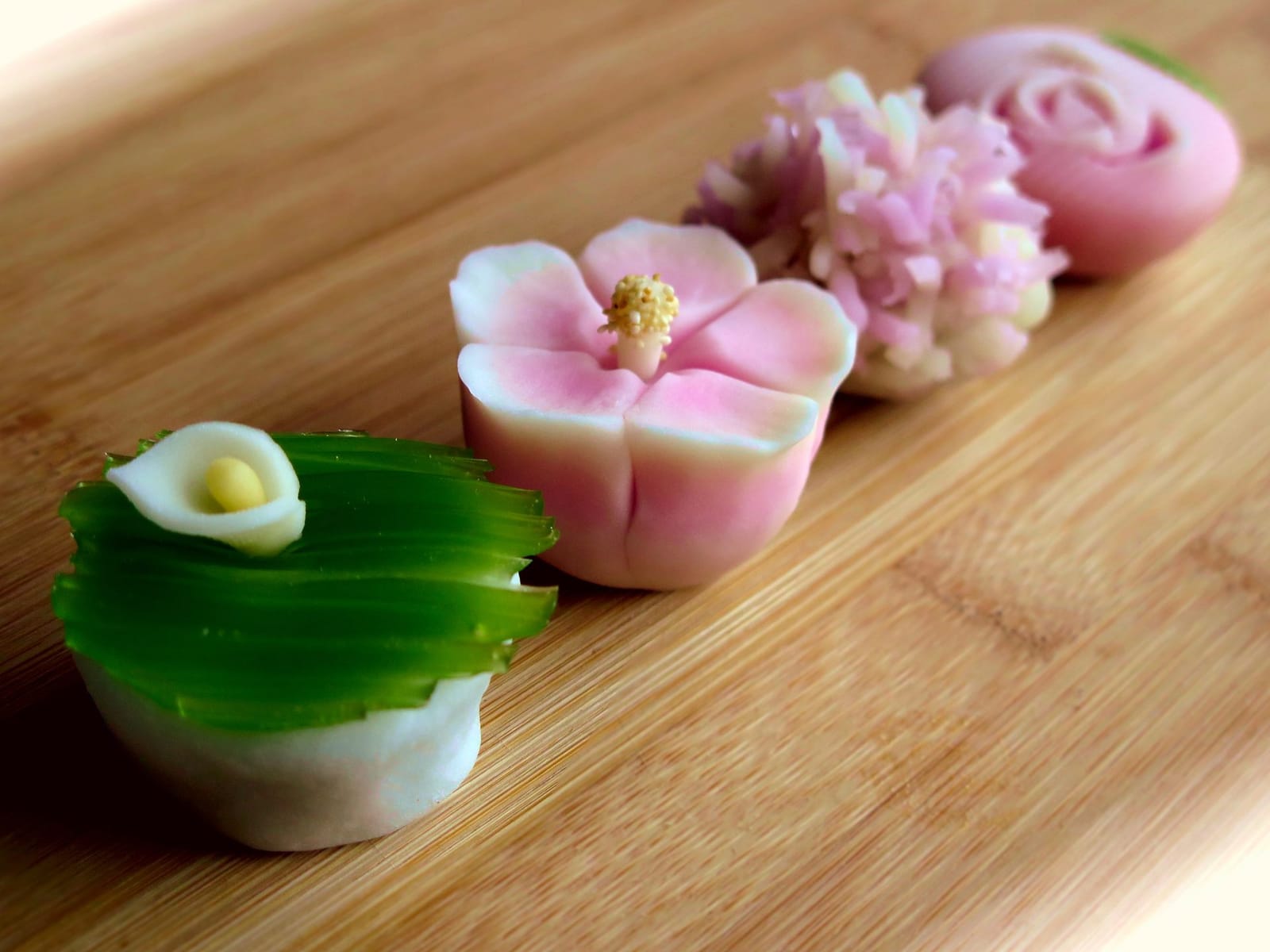
Nerikiri – the “queen” of wagashi, often served at tea ceremonies. These sweets are made from finely mashed white beans mixed with glutinous rice flour, then shaped by artisans into chrysanthemums, plum blossoms, persimmons, and more, with astonishing detail. This is the most artistic type of wagashi—so beautiful that many visitors can hardly bring themselves to eat it.
Daifuku – the most familiar and approachable choice for Vietnamese visitors. A soft, chewy mochi exterior surrounds a red bean filling. The best-known variety is ichigo daifuku, which contains a whole fresh strawberry inside; one bite brings together the berry’s sweet-tart flavor and the rich nuttiness of red beans.
Dorayaki – two soft, fluffy pancake-like cakes sandwiched around a red bean filling. They are the favorite treat of the robotic cat Doraemon. Dorayaki are easy to find, easy to bring home as gifts, and almost universally loved.
Yokan – a firm red bean jelly set with kanten and cut into neat rectangular bars. Yokan is sweeter and keeps well, making it an excellent souvenir. Besides the traditional flavor, you can also find green tea, chestnut, and sweet potato varieties.
Also, don’t miss monaka (crisp wafer shells filled with bean paste), dango (balls of glutinous rice dough served on skewers), or manju (sweet steamed buns) if you get the chance.
Seasonal wagashi – a four-season calendar made of sweets

The Japanese say you can tell what season it is simply by looking at a wagashi display. In spring, there is sakura mochi, gently scented and wrapped in a salted cherry leaf, with a soft pink color reminiscent of flower petals. In summer, when the weather turns hot and humid, cool sweets take center stage: mizu yokan (a soft, refreshing red bean jelly), kuzukiri (clear jelly noodles served with brown sugar syrup), and warabi mochi dusted with roasted soybean flour. Autumn is the season for chestnut sweets such as kuri kinton, as well as nerikiri shaped like vivid red maple leaves. Winter brings yuzu manju, fragrant with the refreshing aroma of yuzu, along with sweets shaped like orange-red camellia blossoms.
Whenever you visit Japan, stop by an established wagashi shop and ask for the “sweet of the season”—you are sure to discover a delightful surprise.
How to enjoy wagashi with matcha
Wagashi were made to be enjoyed with tea. During a tea ceremony, sweets are always served before the matcha: their sweetness prepares the palate, making the bitter tea taste more rounded and leaving a lingering sweetness. When offered a sweet, use the small wooden pick (kuromoji) to cut it into bite-sized pieces rather than biting into it directly.
You don’t need to take part in a formal tea ceremony to enjoy this pairing. Many tea shops (kissaten) and tea rooms in Japanese gardens serve seasonal matcha-and-wagashi sets for around 800-1.500¥. Sit facing a rock garden, sip your tea, and savor the sweet—slowly. That is the spirit of wagashi.
Where to buy wagashi in Tokyo and Kyoto
In Tokyo: The food basements (depachika) of major department stores in Ginza, Shinjuku, and Nihonbashi are wagashi paradises, bringing dozens of long-established brands together under one roof. The sweets are beautifully made and elegantly packaged, making them ideal gifts. The old neighborhood of Asakusa, around Sensoji Temple, also has many traditional sweet shops selling dorayaki and ningyo-yaki baked on the spot—a fun snack to enjoy while exploring.
In Kyoto: This is truly the capital of wagashi. The streets around Gion, Nishiki Market, and the road leading to Kiyomizu-dera are lined with traditional family-run sweet shops, many of which have been making wagashi for several hundred years. Kyoto is especially famous for its exquisite namagashi (fresh sweets meant to be eaten the same day) and yatsuhashi, a cinnamon-flavored rice sweet that almost everyone visiting Kyoto brings home.
A useful tip: fresh sweets (namagashi and daifuku) keep for only 1-2 days, so buy them to eat right away. If you want souvenirs to take back to Vietnam, choose yokan, packaged dorayaki, or baked sweets with a longer shelf life.
Take a wagashi-making class – shape the “four seasons” with your own hands
To gain a deeper understanding of wagashi, try taking a sweets-making class! Both Tokyo and Kyoto offer many classes for visitors, lasting around 60-90 minutes, with English-language instruction. An artisan will show you how to knead, color, and shape nerikiri into cherry blossoms or chrysanthemums with your own hands. You can then enjoy your creations with a bowl of freshly whisked matcha. Classes usually cost around 2.000-4.000¥/person—well worth it for an unforgettable memory. Booking online in advance is recommended, as Kyoto classes often fill up during peak season. If you would like to add a wagashi-making class to a complete itinerary, check out OlaChill’s Japan tours for the most convenient arrangements.
Wagashi are more than sweets—they are a way for the Japanese to capture nature, the seasons, and hospitality in a small, beautiful gift. On your next trip to Japan, set aside a leisurely afternoon for tea and sweets: admire the sweet before eating it, eat it before drinking your tea, and let its delicate sweetness tell you the story of the four seasons in the Land of the Rising Sun. Don’t forget to discover more articles about Japanese cuisine in OlaChill’s food section!
More from this region — Other
View all →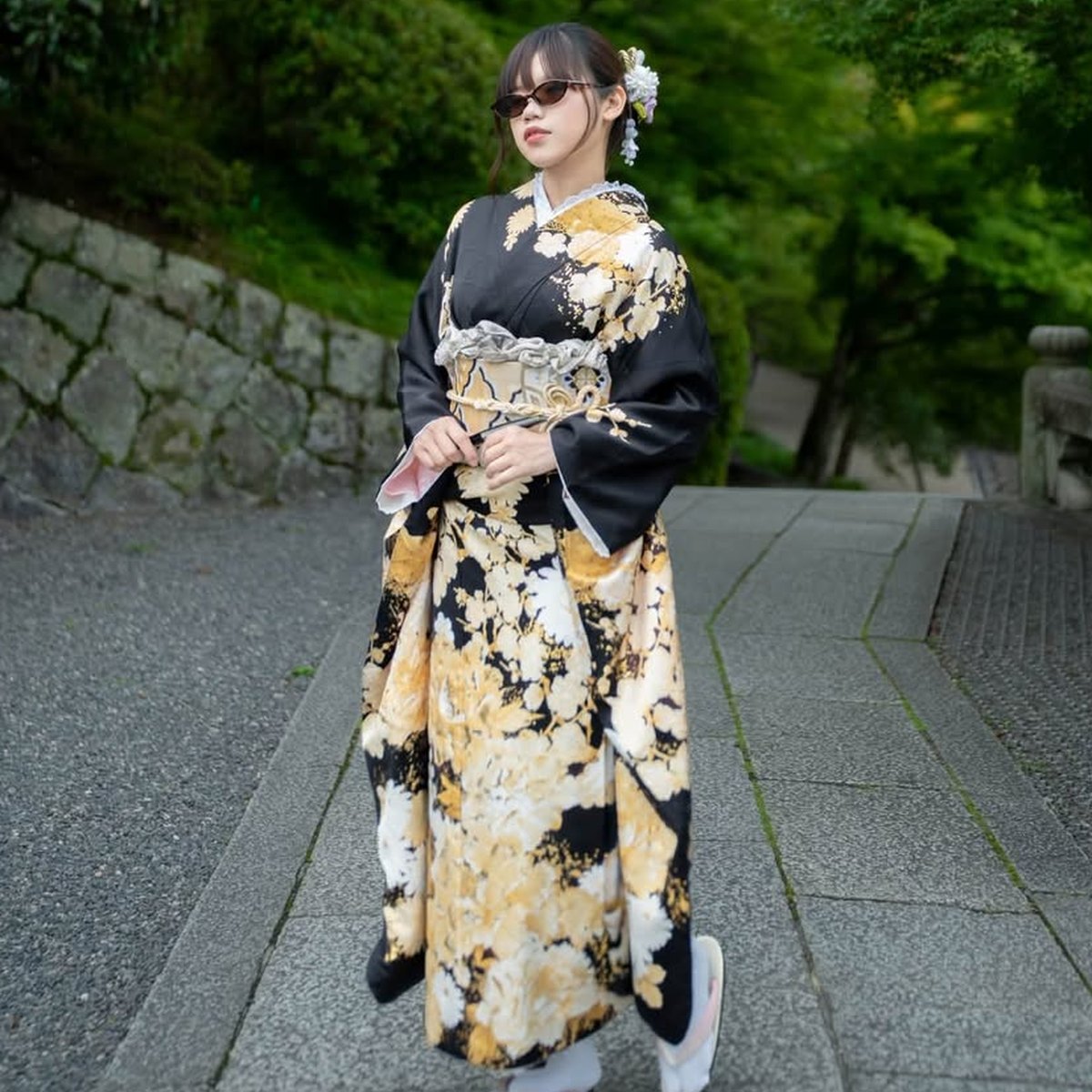
Walking All Day in Zori and Kimono: Comfort Tips That Actually Work
6 min · culture
Weddings, Family Reunions & Events in Japan
5 min · tips
Wedding Guest Shuttle Buses in Japan: A Practical Planning Guide
9 min · tips
What to Wear Under a Rental Kimono: Underwear, Layers and Season by Season
5 min · culture