
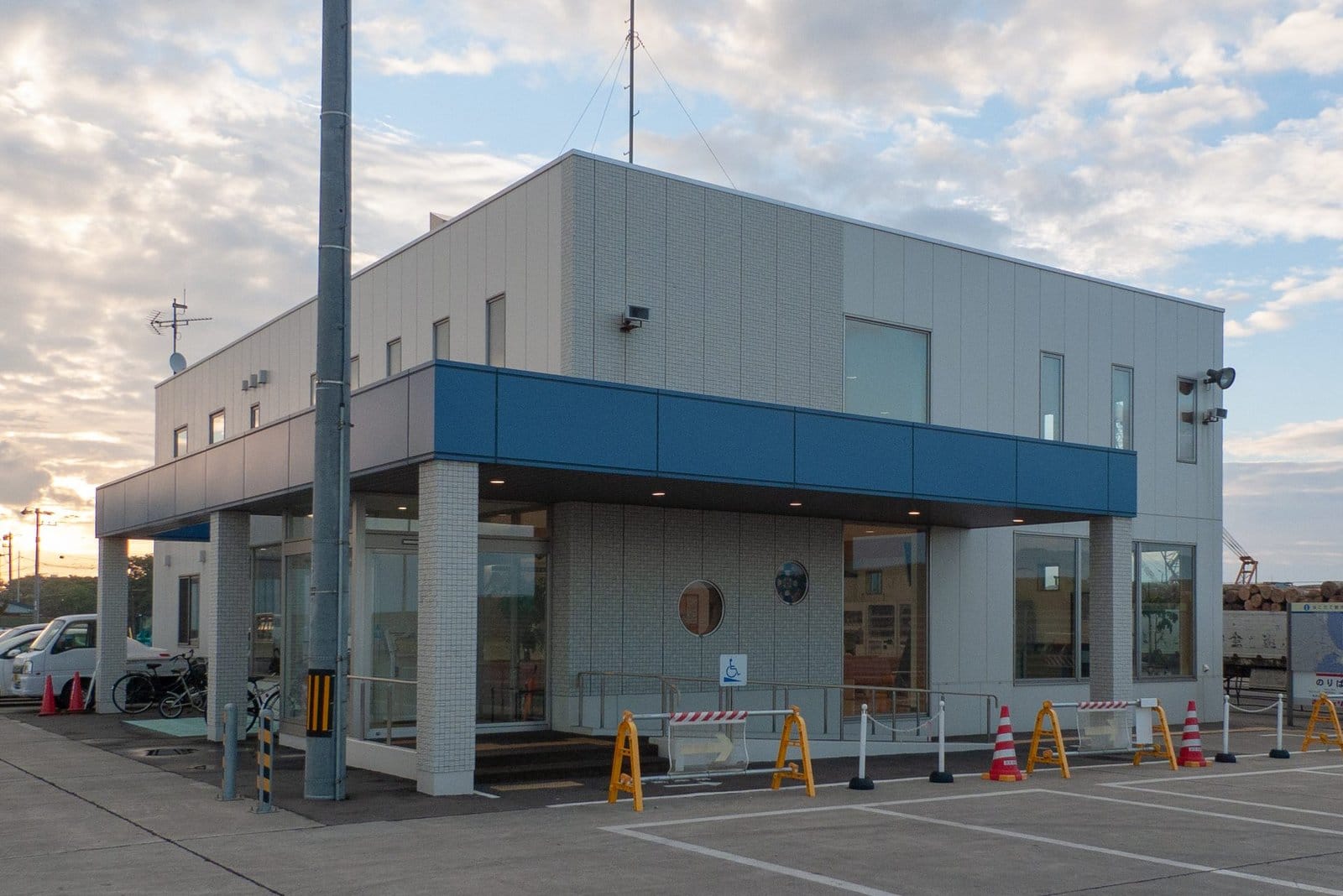
Tsugaru Strait – A Legendary Crossing Through Japan's Winter Snowstorms
Your complete guide to the Tsugaru Strait between Aomori and Hokkaido: the best time to visit, how to get there, top photo spots, and everything else you need to plan the trip.
Jan 29, 2026·✍️ olablog·⏱ 5 min read
Your complete guide to the Tsugaru Strait between Aomori and Hokkaido: the best time to visit, how to get there, top photo spots, and everything else you need to plan the trip.
Japan never stops delivering jaw-dropping scenery — and Tsugaru Strait, the wild stretch of water separating Aomori from Hokkaido, is one of the country's most cinematic landscapes. Coming here isn't just ticking a destination off a list; it's surrendering completely to raw, untouched nature, where every vantage point is enough to stop you mid-stride and make you forget what you were doing.
1. What Makes Tsugaru Strait So Special
The strait earns its legendary reputation the moment you lay eyes on it. The seascape between Aomori and Hokkaido unfolds like an oil painting — one where the light shifts dramatically from a blaze of gold at sunrise to deep violet and rose at dusk, and no two moments ever look quite the same.
The roads that bring you here are half the experience. They snake through mountain ridges, stretch across open farmland, and hug cliff edges above the sea — the kind of driving that belongs in a car commercial. Travelers consistently say the journey to Tsugaru Strait feels less like getting to a place and more like the adventure itself.
2. Top Photo Spots You Shouldn't Skip
The Tsugaru Strait area — and the Aomori/Hokkaido region surrounding it — is loaded with viewpoints, from the obvious to the ones only locals know. Here are the must-visits:
Main observation deck: Sweeping 180-degree views across the strait. Sunrise and sunset here are widely regarded as the finest in the region.
Ancient tree-lined road: A century-old canopy of trees forms a natural tunnel along the route. Stunning year-round, but especially so in winter when snow weighs down the branches.
Reflective water's edge: A nearby lake or river acts as a giant mirror, giving you perfectly symmetrical shots that look almost too good to be real.
Summit panorama point: Climb to the highest accessible point and get a full panorama across Aomori and Hokkaido — the kind of view that makes you feel very small in the best possible way.
3. The Best Time to Visit
Every season brings something different to Tsugaru Strait, but February is the sweet spot. Here's why:
- Winter weather patterns deliver the most dramatic, photogenic scenery the strait has to offer
- Peak seasonal beauty — think powder-white snowscapes and storm-tossed grey water
- Golden-hour light is exceptional: 6–9 AM and 4–6 PM are your shooting windows
- Crowds are manageable — busy enough to feel alive, quiet enough to find your own space
If you visit in winter, pack for it seriously — mountain passes can ice over fast. Spring (cherry blossoms) and autumn (fiery foliage) are both excellent alternatives if February doesn't work for your schedule.
4. The Best Way to Explore — Hit the Road
Self-driving is hands down the best way to take in Tsugaru Strait and the wider Aomori/Hokkaido region. A rental car frees you from bullet-train timetables and tour bus schedules, letting you pull over the instant something catches your eye, shoot at your own pace, and wander down backroads that public transit simply doesn't reach.
Roads around the strait are well-maintained with clear signage. Mountain and coastal stretches are wide enough for comfortable driving, and rest areas are spaced sensibly — perfect for a proper road trip rhythm.
✨ Tip: Book a private car through OlaChill and explore the strait entirely on your own terms — with a driver or self-drive, your choice.
5. Sample 1–2 Day Itinerary
Day 1:
- 6:00 AM – Head to the main observation deck and catch the strait bathed in early morning gold
- 8:00 AM – Breakfast at a local restaurant — fresh Hokkaido seafood or Aomori-style set meals are the move
- 9:30 AM – Drive the main scenic route, stopping at viewpoints along the way
- 12:00 PM – Lunch at a roadside restaurant or rest-area food stall
- 2:00 PM – Explore secondary stops: a nearby historic village, waterfall, or mountain lake
- 5:00 PM – Check in to your hotel or a traditional ryokan
- 6:30 PM – Soak in the onsen (if available) and settle in for a kaiseki dinner
Day 2:
- 7:00 AM – Early breakfast and an early start to beat the crowds
- 8:30 AM – Take a quieter back route or hunt down a lesser-known viewpoint
- 11:00 AM – Head to the reflective lake for mirror-image shots
- 1:00 PM – Lunch and a slow afternoon
- 3:00 PM – Continue to your next stop or head back
6. Practical Travel Tips
- 📷 Shoot during golden hour: The 30 minutes before and after sunrise or sunset deliver the most dramatic light — don't sleep through it
- 🚗 Book your rental car early: February is peak season; lock in your vehicle at least one to two weeks ahead
- ⛽ Fill up before you leave: Gas stations can be sparse in rural Aomori and Hokkaido — don't assume there's one around the corner
- 📱 Download offline maps: Save the area on Google Maps before you go; cell signal drops in the mountains
- 🍙 Stock up at convenience stores: 7-Eleven and FamilyMart are your best friends on the road — reliable, cheap, and genuinely good
- ☁️ Watch the forecast closely: Winter weather here can change fast; always check conditions before heading into the mountains
More from this region — Other
View all →Tsuyu: Japan's Rainy Season and Its Hauntingly Beautiful Wet Landscapes
7 min · tips
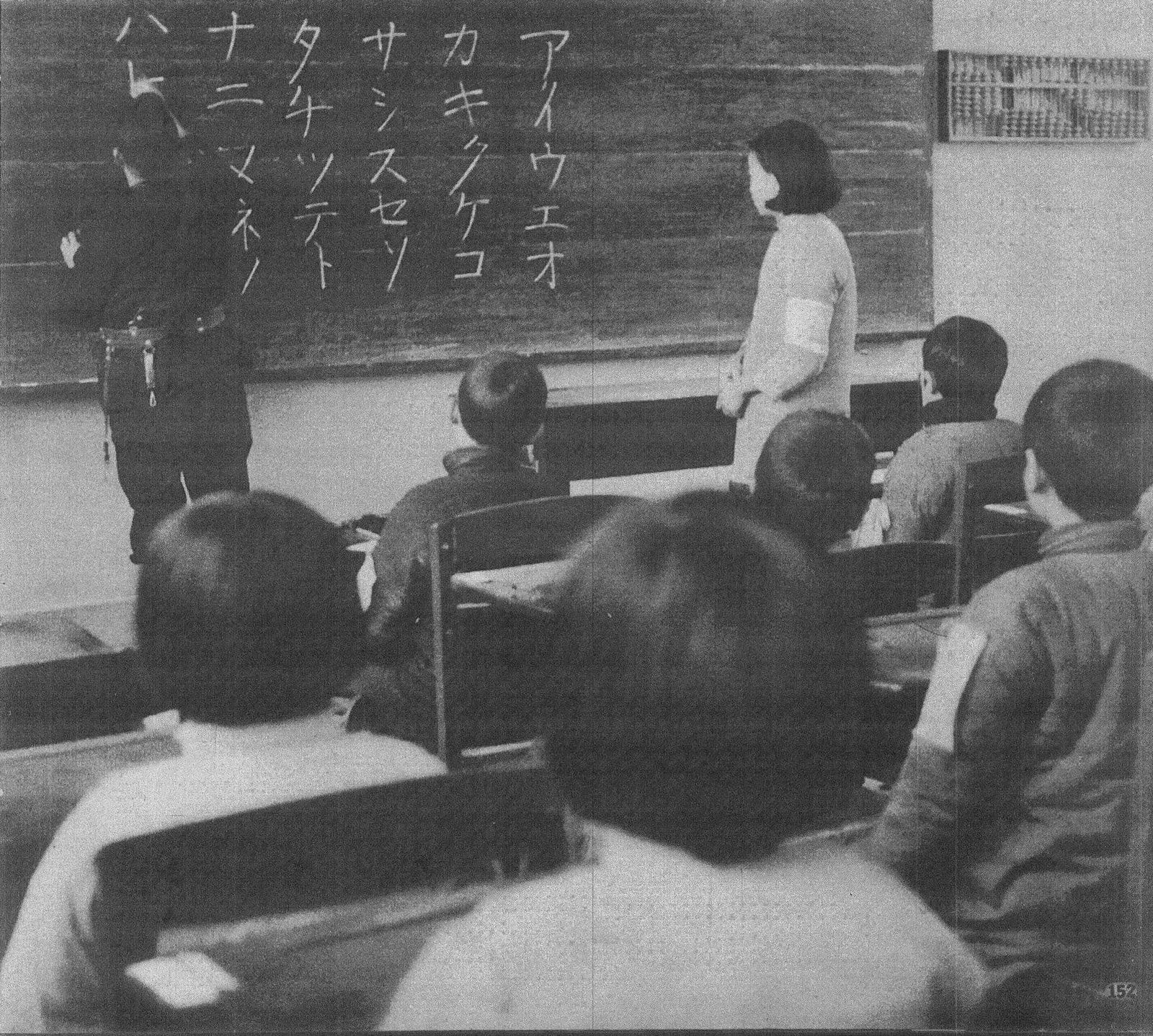
Self-Studying Japanese — N5 → N1 Roadmap in 24 Months
9 min · tips
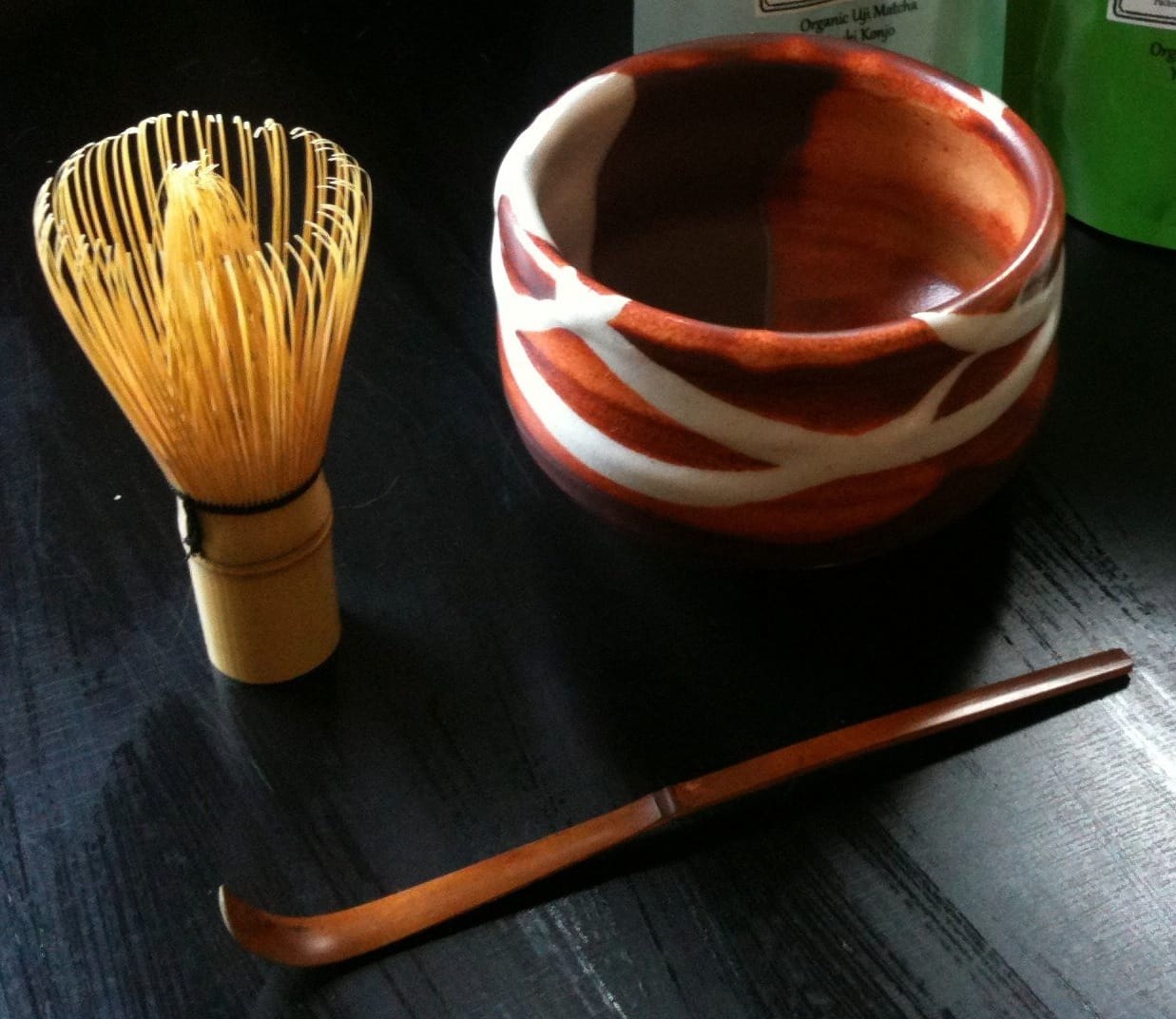
Making Matcha at Home: A Guide from Choosing Powder to Whisking It Properly
5 min · food
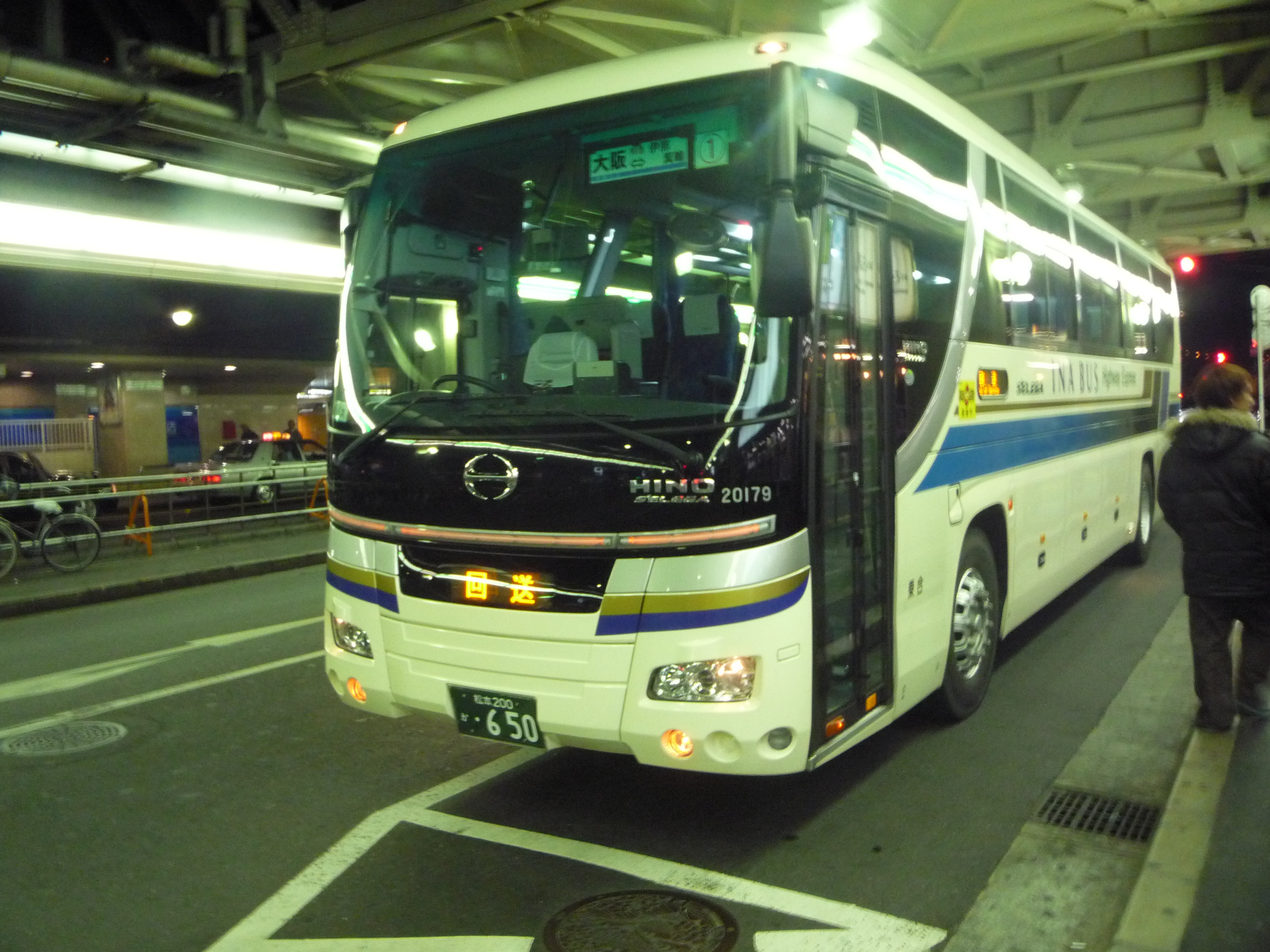
Japan’s Two-Driver Rules for Long-Distance Coach Travel
7 min · tips