Self-Studying Japanese — N5 → N1 Roadmap in 24 Months
A self-study roadmap for Japanese from zero to N1 in 24 months: 6 months/level, Minna/Shinkanzen textbooks, Anki + Bunpro apps, a 3h/day study schedule, and costs under 5 million VND.
Apr 21, 2026·✍️ olablog·⏱ 9 min read
A self-study roadmap for Japanese from zero to N1 in 24 months: 6 months/level, Minna/Shinkanzen textbooks, Anki + Bunpro apps, a 3h/day study schedule, and costs under 5 million VND.
Self-studying Japanese from N5 to N1 in 24 months is entirely achievable if you study 3 hours/day, 6 days/week and stay disciplined. This roadmap is based on methods that have worked for thousands of international students and workers in Japan — no Japanese language school or 1-on-1 teacher required. The total cost is under 5 million VND for 2 years of textbooks and apps.
Overview of the 5 JLPT Levels
The JLPT (日本語能力試験 — Nihongo Nōryoku Shiken) is an internationally recognized Japanese-language proficiency test held 2 times/year (in July and December):
| Level | Vocabulary | Kanji | Cumulative Study Hours | Proficiency |
|---|---|---|---|---|
| N5 | ~800 words | 100 kanji | 150-250h | Greetings, self-introductions, simple conversations |
| N4 | ~1,500 words | 300 kanji | 300-400h | Everyday conversation, reading short stories |
| N3 | ~3,700 words | 650 kanji | 450-550h | Reading newspapers, basic workplace conversation |
| N2 | ~6,000 words | 1,000 kanji | 600-800h | Office work, reading novels |
| N1 | ~10,000 words | 2,000+ kanji | 900-1,200h | Near-native proficiency, reading specialized material |
Total: ~2,400-3,200 study hours from N5 to N1. At a schedule of 3h/day × 6 days/week = 18h/week = ~78h/month, that means 30-40 months through pure self-study. However, studying in a Japanese-speaking environment (studying abroad or working in Japan) can double your speed — 18-24 months is realistic.
24-Month Roadmap — Divided into 4 Stages
Months 1-4: N5 (complete by the July JLPT)
End goal: Read hiragana/katakana fluently, speak 100+ basic conversational sentences, and pass JLPT N5.
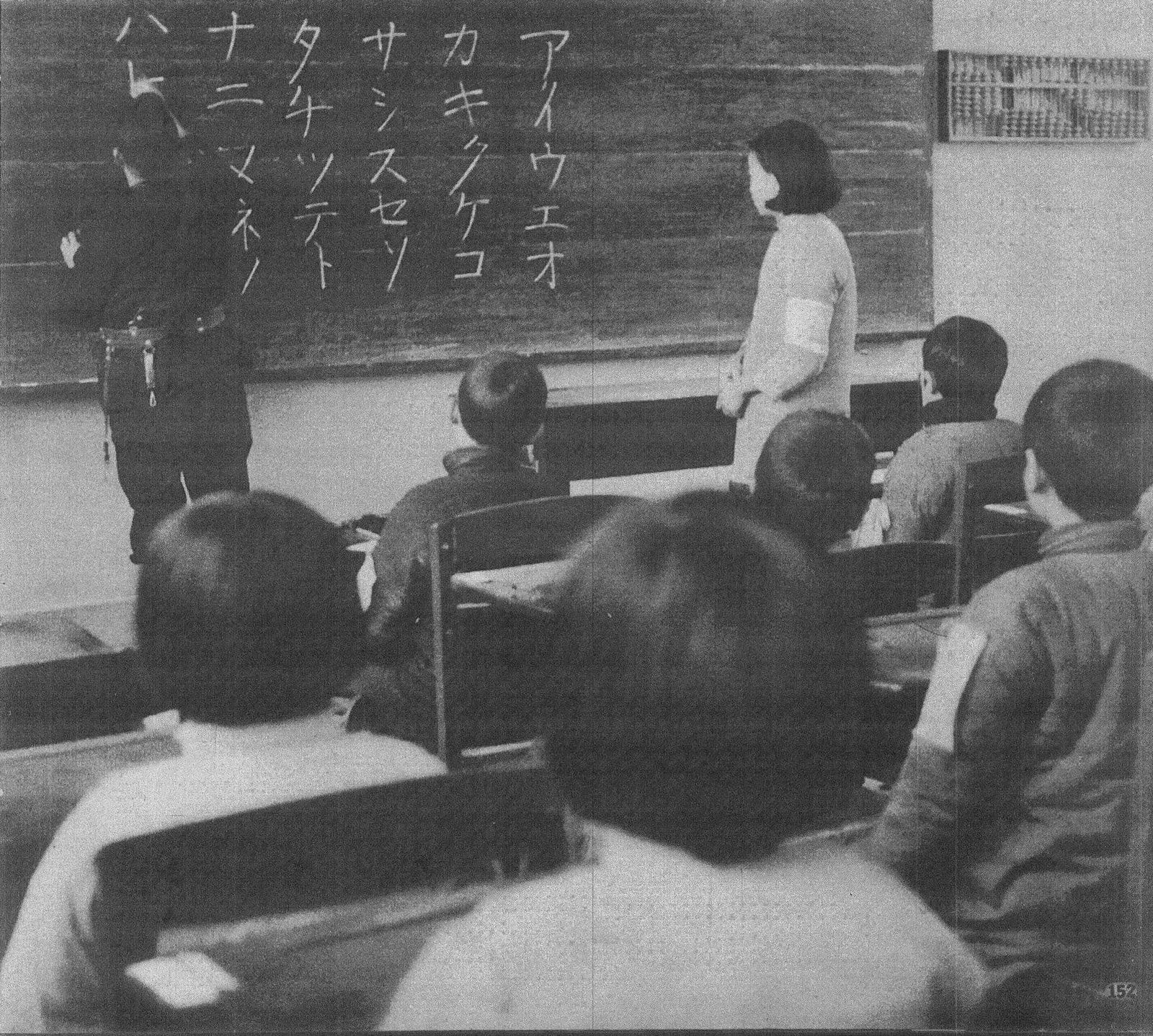
Weeks 1-2 — Hiragana + Katakana
- Download Dr. Moku (free) or use Tofugu's learn hiragana (web)
- Use mnemonic techniques (visual associations): for example, あ (a) looks like the letter A, and い (i) looks like 2 sticks
- Spend 30 minutes per day × 14 days = become fluent at reading both syllabaries (~92 characters)
- DO NOT study kanji during the first 2 weeks — focus only on hiragana/katakana
Weeks 3-16 — Minna no Nihongo I + II
- Textbooks: Minna no Nihongo Shokyu I + II (the Vietnamese edition published by Vietnam Education Publishing House) — ~400k VND/set
- 1 lesson/week (Minna has 50 lessons across I+II) → finish I+II in 4 months
- For each lesson: (1) read the dialogue, (2) learn the vocabulary (
30 words/lesson), (3) study the grammar (5 structures), (4) complete the exercises in the accompanying workbook - Add 30 minutes/day of Anki using the "Minna no Nihongo vocab" deck (available on AnkiWeb, free) — review the vocabulary you have learned
Month 4 — N5 exam preparation
- Practice books: Shin Kanzen Master N5 (vocabulary + grammar + reading + listening) — ~350k VND/set
- Register for the JLPT N5 in July (fee ~800 yen in Japan, 600k VND in Vietnam) — registration opens from March-April
Months 5-10: N4 (complete by the December JLPT)
End goal: Handle everyday conversations about travel/shopping, read children's stories, and pass N4.
Core textbooks: Shin Kanzen Master N4 (all 5 books)
- Vocabulary (語彙) — 1,500 new words, review 50 words/day
- Grammar (文法) — 90 structures, 3 structures/day
- Reading (読解) — 1 reading passage/day, summarize it in Vietnamese
- Listening (聴解) — listen to 1 Minna dialogue + 1 episode of the "Nihongo Con Teppei for Beginners" podcast every day
- Kanji (漢字) — 300 kanji, 5 kanji/day using WaniKani (the first 3 levels are free) or the Core 2000 Anki deck
Practice: Start writing a 5-sentence diary in Japanese every day, then post it on the HelloTalk app so native speakers can correct it for free.
Months 11-16: N3 (complete by the July JLPT the following year)
End goal: Read easier sections of the Asahi Shimbun, watch anime without subtitles, and handle basic workplace conversations.
Advanced textbooks: Nihongo Sou Matome N3 (easier to study than Shin Kanzen) or Try! N3 Grammar. Shin Kanzen N3 is the more challenging but most comprehensive option (equivalent to a university textbook).
Typical study schedule (3h/day):
- 30 minutes of Anki (200-300 flashcards/day across new words and reviews)
- 60 minutes of grammar (read the explanations + complete the exercises)
- 30 minutes of reading comprehension (a Shin Kanzen passage or NHK Easy News story)
- 30 minutes of listening (the Learn Japanese Pod podcast, Nihongo no Mori on YouTube)
- 30 minutes of output: speak into a microphone / write a diary / chat on HelloTalk
Habits to develop:
- Set your phone/laptop to Japanese
- Change your Chrome browser’s default homepage to NHK News Web Easy
- Switch Netflix/Spotify to Japanese-language content 50% of the time
Months 17-24: N2 + N1 Foundations
End-of-month-24 goal: Pass N2 with a score of >100/180 and build a solid foundation for studying N1 for another 6-12 months.
N1 typically takes an additional 12-18 months after N2 because:
- N2→N1 vocabulary increases by 1.7 times (6,000 → 10,000 words)
- N1 reading comprehension includes academic/legal/economic texts
- N1 listening is close to native speed and includes many dialects
N2 textbooks: Shin Kanzen Master N2, all 5 books (~600k VND).
N1 textbooks (when you begin): Shin Kanzen Master N1 + Kanzen Master N1 Dokkai (advanced reading comprehension).
Essential Apps + Tools — All Have Free Versions
- Anki (free on PC/Android, 25 USD on iOS) — flashcards powered by a spaced-repetition algorithm. Use the JLPT Tango N5-N1 deck (available on AnkiWeb)
- Jisho.org — the best Japanese-English dictionary, with kanji lookup by radical
- Mazii — a useful Japanese-Vietnamese dictionary for Vietnamese learners (app + web)
- HelloTalk / Tandem — chat with Japanese people for free and have them correct your mistakes
- Bunpro.jp — systematic grammar study organized by JLPT level (~5 USD/month)
- WaniKani — learn 2,000 kanji through mnemonics (~9 USD/month, or lifetime 299 USD)
- NHK News Web Easy — simplified news with furigana + audio
- YouTube Nihongo no Mori — free JLPT N3-N1 grammar lessons (~500 videos)
- Japanese Podcast 100 — a list of 100 Japanese-learning podcasts organized by level
- Netflix Japanese Shows — turn on Japanese + Vietnamese subtitles side by side (the Language Reactor extension for Chrome)
Total Cost for 24 Months
| Expense | Cost |
|---|---|
| Minna no Nihongo I + II (Vietnamese edition) | 400,000 VND |
| Shin Kanzen Master N5, set of 5 books | 350,000 VND |
| Shin Kanzen Master N4, set of 5 books | 400,000 VND |
| Shin Kanzen Master N3, set of 5 books | 500,000 VND |
| Shin Kanzen Master N2, set of 5 books | 600,000 VND |
| Bunpro for 24 months (5 USD × 24) | 3,000,000 VND |
| JLPT N5 + N4 + N3 + N2 exam fees (in Japan) | 3,500,000 VND (~20,000 yen) |
| Total | ~8,750,000 VND |
If you study in Vietnam (taking the exams in Vietnam) and skip Bunpro (replacing it with free YouTube resources): ~2,500,000 VND for the full 24 months.
Compared with studying Japanese for 24 months at a language center in Vietnam: 60-150 million VND. Self-study saves 10-20 times as much.
Compared with a Japanese language school in Japan (1.5-2 years): 1.5-2 billion VND (tuition + living expenses). Disciplined self-study is the cheapest + fastest path.
Disciplined Habits — 5 Non-Negotiable Principles
1. Study 6 days/week, take 1 day off
Your brain needs rest to consolidate memory. Trying to study 7/7 will lead to burnout around months 3-4.
2. Do Anki every day—never skip
30 minutes of Anki every day is more effective than 3.5 hours on the weekend. Use the SRS algorithm — skip 1 day and you lose 20% retention.
3. Spend 50% of your time listening + reading, rather than just sitting around doing exercises
Get as much input as possible from NHK news, YouTube, and Netflix. Japanese learners often fail because they study too much grammar and do too little listening/reading.
4. Output is mandatory from N4 onward
- Write a 5-sentence diary every day → get corrections for free on HelloTalk
- Speak into a microphone for 10 minutes/day (podcast shadowing)
- You cannot study N3 in silence — you have to speak
5. Register for the JLPT as soon as you start a new level
Exam pressure is the strongest motivation. The 6,000-8,000 yen exam fee is an investment, not an expense.
Common Mistakes
❌ Studying kanji before hiragana — focus only on hiragana/katakana during the first 2 weeks ❌ Buying the English edition of Minna textbooks — the Vietnamese edition is easier for beginners to understand ❌ Using Duolingo as your main textbook — Duolingo is good for getting familiar with the writing system, but it cannot replace Minna/Shinkanzen ❌ Learning vocabulary without context — always learn words through example sentences ❌ Delaying output — write/speak from day one; don’t wait until you are "good enough" ❌ Skipping listening — this is the weakest area for 90% of Vietnamese people learning Japanese ❌ Using too many apps at once — choose 3 main apps (Anki + Bunpro + Jisho) and ignore the rest
Conclusion
With 24 months, ~8.8 million VND, and 3 hours/day of disciplined study, you can go from zero to N2. Add another 12 months to reach N1. Self-study is achievable, affordable, and has already been proven by thousands of international students. The hardest part isn’t Japanese — it’s sticking to your study schedule on the days you don’t feel motivated.
Start today: download the Dr. Moku app and learn your first 10 hiragana characters. In 14 days, you’ll be able to read Japanese — and from there, it’s only a matter of time.