Ume Blossoms
Ume plum blossoms peak in February — Japan's earliest spring signal, weeks ahead of cherry blossoms. The insider's guide for travelers who want beauty without the chaos.
Mar 25, 2026·✍️ olablog·⏱ 6 min read
Ume plum blossoms peak in February — Japan's earliest spring signal, weeks ahead of cherry blossoms. The insider's guide for travelers who want beauty without the chaos.
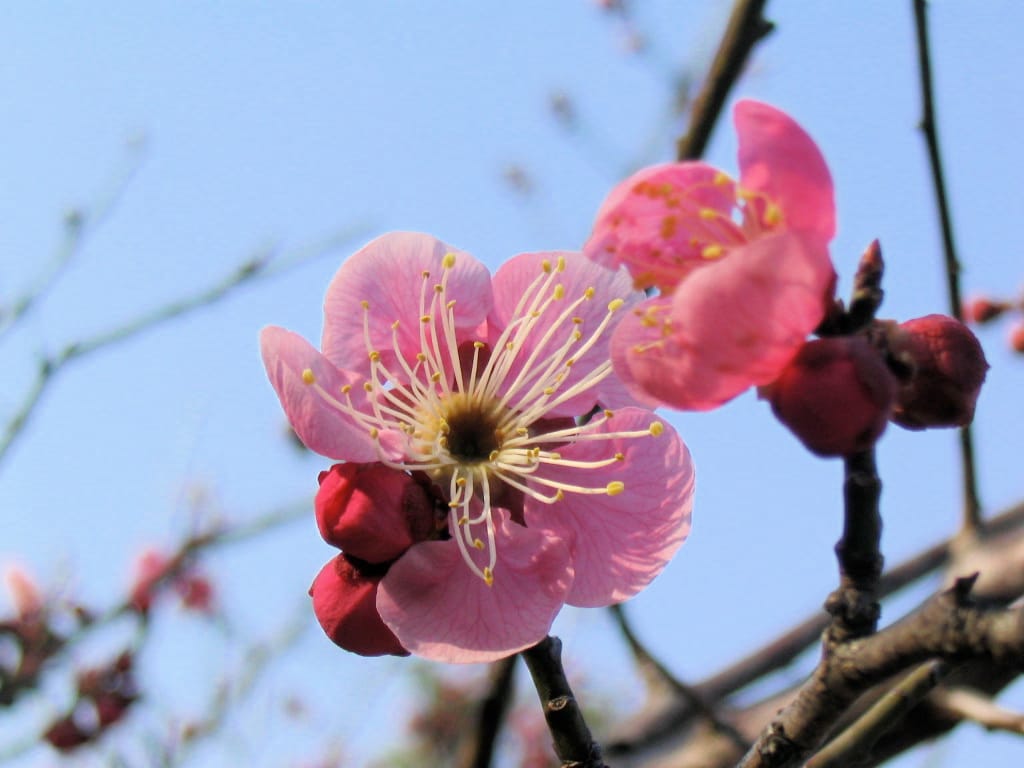
If Japan has a flower that quietly ushers in spring before sakura steals the spotlight, it's ume — the Japanese plum blossom. While February temperatures still bite, delicate white, blush-pink, and deep-crimson flowers unfurl on gnarled, bare branches, signaling that winter is finally on its way out. For the Japanese, ume-viewing (梅見, ume-mi) is a tradition stretching back to the Nara period — older, in fact, than the cherry-blossom viewing rituals most visitors know.
Ume vs. Sakura: How to Tell Them Apart
First-time visitors to Japan regularly mistake ume for sakura — understandably so. Look a little closer, though, and the differences are obvious:
| Feature | Ume (Plum) | Sakura (Cherry) |
|---|---|---|
| Bloom period | Mid-Feb – mid-March | Late March – early April |
| Petals | Rounded, no notch | Notched tip |
| Branches | Gnarled, twisted, ancient-looking | Smooth, straight, many fine twigs |
| Fragrance | Distinctly sweet | Almost none |
| Bloom pattern | Single flowers close to the branch | Clusters |
The biggest selling point for ume? The scent. Stand in the middle of Mito's Kairakuen or Atami Baien on a cold February morning and you'll catch a wave of sweet perfume drifting through the crisp air — something sakura simply can't offer.
The Best Ume Gardens in Japan
Plum trees grow across the country, but the finest groves cluster in Kanto, Kansai, and Kyushu. If you're planning a February–March trip, these are the spots worth building your itinerary around:
🌸 Kairakuen (Mito, Ibaraki)
Widely regarded as Japan's most celebrated ume garden, Kairakuen is one of the country's Three Great Gardens (alongside Kenrokuen and Korakuen). Around 3,000 trees representing 100 varieties fill the park. The Mito Ume Matsuri festival runs mid-February through late March; entry is free most days (a ¥300 / ~$2 fee applies on peak festival days). From Tokyo, take the JR Jōban Line — it's about 80 minutes.
🌸 Yushima Tenjin (Tokyo)
A compact shrine right in central Tokyo — perfect when you don't have time to venture far. Around 300 white plum trees bloom in the grounds of this shrine dedicated to Sugawara no Michizane, the deity of scholarship. The Bunkyo Ume Matsuri runs throughout February. Yushima Station (Chiyoda Line) puts you two minutes away on foot.
🌸 Kitano Tenmangu (Kyoto)
If you're based in Kansai, this is the one to prioritize. The 1,000-year-old shrine boasts a plum garden with 1,500 trees, opening in early February. The unmissable highlight: February 25th's Baikasai ceremony, when geiko and maiko serve matcha among the blossoms in a tea ceremony experience you won't find anywhere else. Garden entry is ¥1,200 (~$8), which includes tea and wagashi sweets.
🌸 Atami Baien (Shizuoka)
Home to Japan's earliest ume bloom — often starting in early January and lasting through early March. Pair it with a night at an Atami onsen ryokan and you've got one of the most relaxing (and least crowded) winter-into-spring itineraries going.
🌸 Dazaifu Tenmangu (Fukuoka)
Famous for the legendary Tobiume ("Flying Plum") tree — said to have flown from Kyoto to Kyushu to be near its beloved owner, Sugawara no Michizane. Around 6,000 trees blanket the shrine grounds from mid-February onward.
When to Go: Timing the Bloom
Ume blooms roughly a month ahead of sakura but has a crucial advantage for travelers: it lasts three to four weeks rather than sakura's nerve-wracking one-week window. Booked flights before you knew the exact dates? With ume, you've got a much wider margin.
Approximate bloom windows by region:
- Kyushu (Fukuoka, Kumamoto): Late January – early March
- Kansai (Kyoto, Osaka, Nara): Mid-February – mid-March
- Kanto (Tokyo, Ibaraki): Late February – late March
- Tōhoku (Sendai and north): Mid-March – early April
Before you go, check each garden's official website — most post weekly bloom-percentage updates. You can also Google "梅 開花状況" (ume bloom status) for the latest conditions.
What to Eat During Ume Season
Visiting a plum garden without sampling plum-based food is like going to Napa Valley and skipping the wine. Don't do it. Look out for:
- Umeshu (梅酒): Japanese plum wine — sweet, lightly boozy (8–15% ABV), and dangerously easy to drink. A 720ml bottle runs ¥1,000–¥3,000 (~$7–$20) at any supermarket.
- Umeboshi (梅干し): Salt-pickled plum served alongside plain rice. Intensely sour and salty — a classic Japanese staple that tends to polarize first-timers (think Marmite with attitude).
- Ume daifuku: Mochi filled with plum paste, sold at festival stalls throughout ume gardens.
- Ume soba/udon: Cold noodles with a plum-based dipping sauce — refreshingly sharp and unlike anything back home.
Festival food stalls at Kairakuen and Kitano Tenmangu serve most dishes for ¥400–¥800 (~$3–$5).
Tips for Your Ume Viewing Trip
- Layer up: February in Japan is genuinely cold. Tokyo sits around 37–50°F (3–10°C); Kyoto can dip below freezing. A puffer jacket, scarf, and gloves aren't optional — they're essential.
- Go early: The light is best between 8–9 a.m., and the crowds haven't arrived yet. By 11 a.m., popular spots like Kairakuen get busy fast.
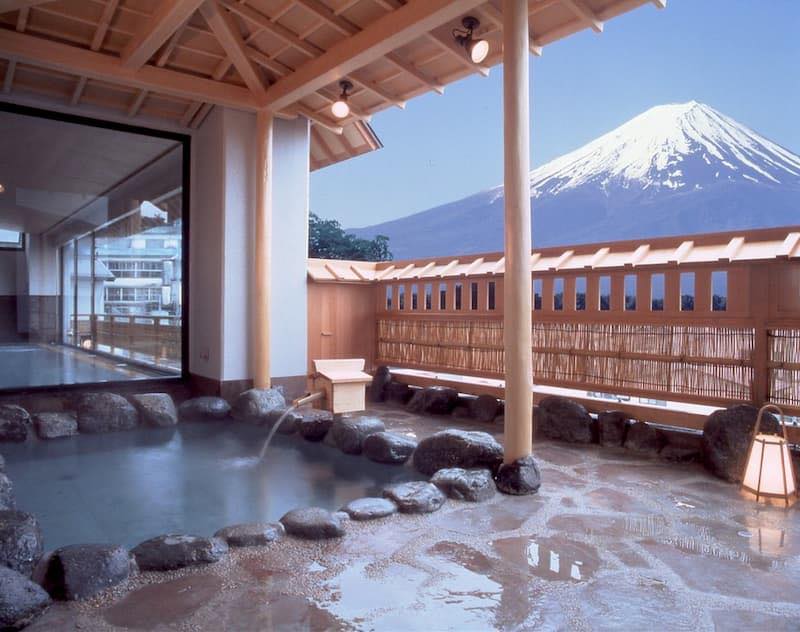
- Combine with onsen: Cold weather + hot springs = a natural pairing. Atami (plum garden + onsen town) or Kusatsu with nearby Gunma plum groves are both brilliant combos.
- Stay connected: You'll want live bloom updates and Google Maps on the go. A Japan travel eSIM is far more convenient than hunting for a physical SIM on arrival.
- Get flexible transport: Many ume gardens sit a few miles from the nearest station. If you're traveling in a group of three or four, renting a car through OlaChill works out cheaper than taxis and lets you hit smaller, off-the-beaten-path gardens that tour buses never reach.
Why Ume Season Deserves Its Own Trip
Sakura is spectacular — no argument there. But sakura also means round-trip flights that cost twice as much, hotels sold out six months in advance, and selfie-stick gridlock at every viewpoint. Book a February ume trip instead and you get:
- Flights significantly cheaper than late-March peak season
- Easy hotel availability at good rates
- Uncrowded parks where you can actually photograph a tree
- A genuine sense of Japanese spring — just without the chaos
Whether you've already done the sakura pilgrimage and want something more offbeat, or you simply couldn't nail the cherry-blossom timing, ume is the answer. It's a quieter, more fragrant, altogether more Japanese version of spring — one that rewards the travelers who show up a little early.