Can You Use UPI or RuPay in Japan? The Honest 2026 Answer
Planning a Japan trip from India/Bangladesh? Get the honest 2026 answer on UPI and RuPay use, plus essential payment tips and backup plans.
Jul 10, 2026·✍️ olablog·⏱ 22 min read
Planning a Japan trip from India/Bangladesh? Get the honest 2026 answer on UPI and RuPay use, plus essential payment tips and backup plans.
Embarking on a journey to Japan is a dream for many, and for travellers from India and Bangladesh, the question of payment convenience often tops the planning checklist. With the rise of digital payments like UPI and RuPay back home, it's natural to wonder if these familiar tools will serve you in the Land of the Rising Sun. As of mid-2026, while Japan embraces digital transactions more than ever, the direct answer regarding widespread UPI acceptance might surprise you. A typical quick meal at a ramen shop, costing around ¥1000 (approximately ₹560), will likely require cash or a major international credit card, not direct UPI.
The Current State of UPI in Japan (2026)
For many years, the convenience of India's Unified Payments Interface (UPI) has transformed daily transactions, making cash and even card payments feel almost archaic for domestic use. This seamless experience naturally leads Indian travellers to hope for similar ease abroad. However, as of mid-2026, the direct, widespread acceptance of UPI for payments in Japan remains a developing story, not a current reality.
While the National Payments Corporation of India (NPCI) has forged partnerships to expand UPI's international footprint, particularly through its UPI Lite and RuPay offerings, direct QR code payments via your Indian UPI app are not yet a common sight across Japanese merchants. The Japanese payment infrastructure, while highly advanced and efficient, operates on different established systems, primarily relying on IC cards (like Suica or Pasmo), major international credit/debit card networks (Visa, Mastercard, JCB, Amex, Diners Club), and local QR payment solutions such as PayPay, Line Pay, and Rakuten Pay. These local QR systems are deeply integrated into the Japanese banking and retail ecosystem, but they generally do not interoperate directly with India's UPI backend.
This means that if you try to scan a QR code at a Japanese convenience store or restaurant expecting your Indian UPI app to function, you will likely encounter an error or simply find no compatible QR code. The merchant terminals are simply not configured to process transactions originating directly from the UPI network. While discussions and pilot programs are always underway to bridge these payment ecosystems, a fully integrated, ubiquitous UPI acceptance in Japan is still a future prospect rather than a present reality for the general tourist. Therefore, it is crucial not to rely solely on your UPI app for your daily expenses in Japan.
RuPay's Footprint in Japan: The JCB Alliance
While direct UPI might not be an option, your RuPay card holds a significant advantage in Japan thanks to a strategic alliance between RuPay and JCB (Japan Credit Bureau), one of the world's largest credit card issuers originating from Japan. This partnership is a game-changer for Indian travellers, making RuPay cards a viable payment method in many situations.
Specifically, RuPay debit and credit cards that are co-branded with JCB are widely accepted across Japan wherever the JCB logo is displayed. This is a crucial distinction: not all RuPay cards will work, but those bearing both the RuPay and JCB logos will leverage JCB's extensive network. JCB is a major player in Japan, meaning its acceptance is widespread, especially in larger cities and tourist-centric areas.
Where can you use your RuPay-JCB card?
- ATMs: Many ATMs in Japan, particularly those found in 7-Eleven convenience stores (known as 7-Bank ATMs) and Japan Post Bank ATMs, readily accept JCB cards for cash withdrawals. These ATMs are ubiquitous and operate 24/7, making them a reliable source for Japanese Yen. Always look for the JCB logo. Be aware that your Indian bank might charge a foreign transaction fee for withdrawals, and the Japanese ATM operator may also levy a small service charge (typically ¥110-220, approximately ₹60-120).
- Merchants: Department stores, larger retail chains, most hotels, major restaurants, and many tourist attractions will accept JCB cards. When in doubt, always look for the JCB sticker or ask "JCB kado dekimasu ka?" (Can I use a JCB card?). Smaller, independent shops, traditional ryokans, or street food vendors might still be cash-only, which is a common scenario even for other international card networks.
- Online Bookings: If you are booking Japanese services or accommodations online (e.g., hotel websites, some train tickets), your RuPay-JCB card should function where JCB is listed as an accepted payment method.
Transaction Fees and Conversion Rates:
When using your RuPay-JCB card, transactions will be converted from Japanese Yen to Indian Rupees. The exchange rate will be determined by your issuing bank and JCB's prevailing rates. It's important to be mindful of Dynamic Currency Conversion (DCC). If a merchant offers to charge you in Indian Rupees, always decline and opt to pay in Japanese Yen (JPY). Accepting DCC means the merchant's bank (or the ATM) will perform the conversion, often at a less favourable rate than your own bank. Paying in JPY ensures your bank handles the conversion, usually providing a better rate. Your Indian bank will also likely charge a foreign transaction fee, typically 2-3.5% of the transaction value. Factor this into your budgeting. For Bangladeshi travellers, similar principles apply regarding JCB co-branded cards and foreign transaction fees from your local bank.
Essential Payment Methods for Indian & Bangladeshi Travellers in Japan
Given the limitations of direct UPI and the specific nature of RuPay-JCB acceptance, a multi-pronged approach to payments is the smartest strategy for your Japan trip. Relying on a single payment method is risky.
1. International Credit Cards (Visa, Mastercard, Amex)
These are your primary workhorses for larger purchases and widespread acceptance. Most mid-to-high range hotels, department stores, major restaurants, and large tourist attractions will accept Visa and Mastercard without issues. American Express and Diners Club are also accepted in many places, though slightly less universally than Visa and Mastercard.
- Key Advice: Carry at least two credit cards from different networks (e.g., one Visa, one Mastercard) and ideally from different banks. This provides a crucial backup in case one card is lost, stolen, blocked due to security alerts, or simply not accepted by a particular merchant.
- Foreign Transaction Fees: Be aware that your Indian or Bangladeshi bank will almost certainly charge a foreign transaction fee (typically 2-3.5%) on every purchase made abroad. Some premium travel credit cards might waive these fees, so check with your bank before you travel.
- Dynamic Currency Conversion (DCC): As mentioned with RuPay, always choose to pay in Japanese Yen (JPY) if a merchant or ATM offers you the option to pay in your home currency. Declining DCC ensures you get a better exchange rate from your bank.
2. International Debit Cards for Cash Withdrawals
While credit cards are excellent for purchases, international debit cards linked to Visa or Mastercard networks are your best friend for withdrawing cash from ATMs.
- ATM Access: Look for ATMs at 7-Eleven convenience stores (7-Bank), Japan Post Bank (found in post offices), and some major bank branches (like SMBC, Mizuho, MUFG). These are the most reliably international-friendly ATMs. Many ATMs in train stations or smaller shops might only accept local cards.
- Fees: Expect a foreign transaction fee from your home bank for each withdrawal, plus a potential ATM operator fee (typically ¥110-220). Make larger, less frequent withdrawals to minimise these fixed ATM fees.
- Limits: Be aware of your daily withdrawal limits set by your bank. Inform your bank of your travel dates to prevent your card from being blocked due to unusual international activity.
3. Japanese Yen Cash
Despite Japan's technological prowess, it remains a surprisingly cash-heavy society, especially outside of major metropolitan areas and for smaller transactions.
- Necessity: Many smaller restaurants, family-run shops, traditional inns (ryokan), temples, shrines, and local buses operate on a cash-only basis. Vending machines, which are ubiquitous and convenient, also often prefer cash.
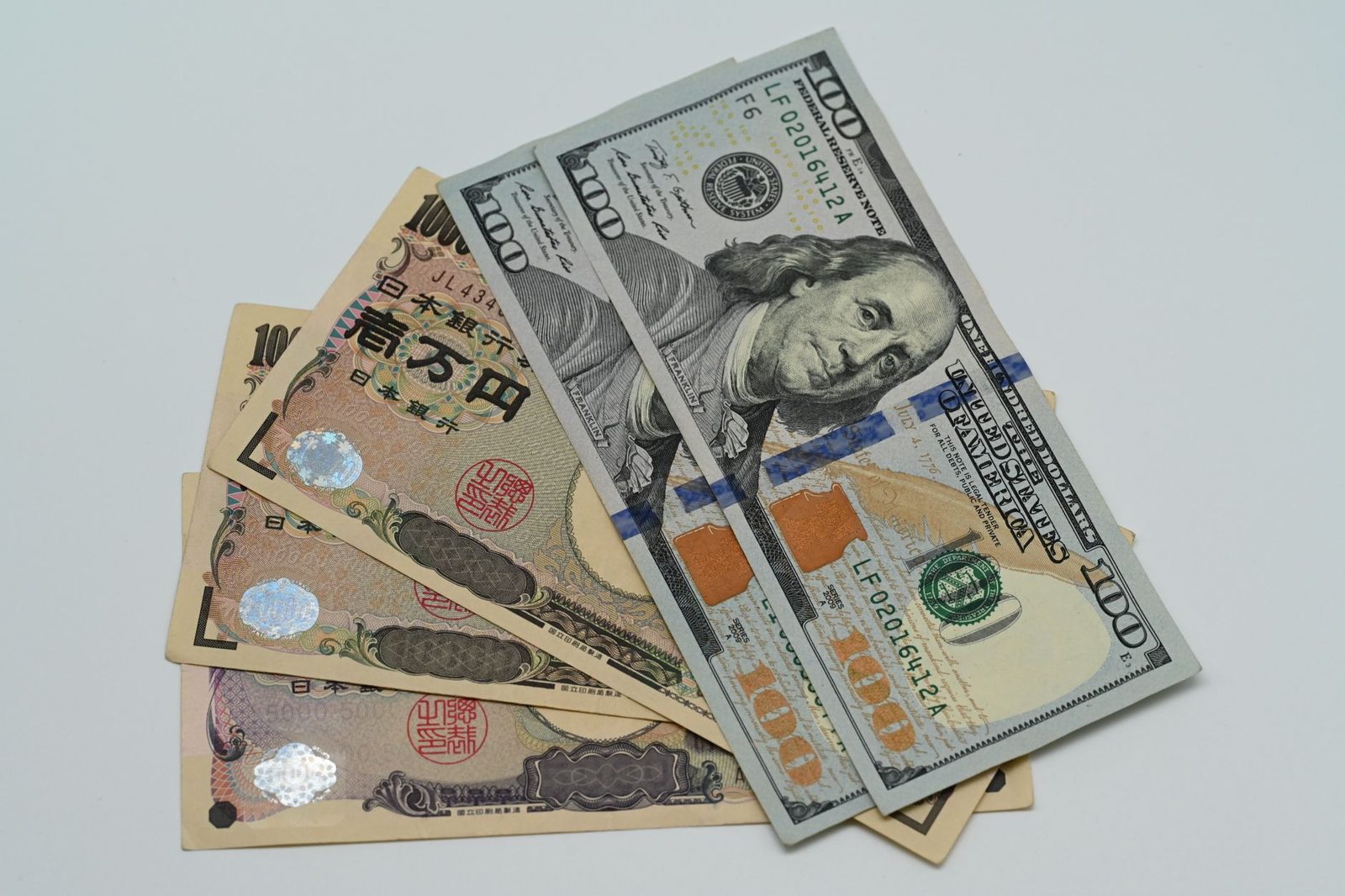
- How much to carry: It's wise to always have a decent amount of cash on hand, perhaps ¥10,000-¥20,000 (approx. ₹5,600-₹11,200) per person for daily expenses like small meals, transport top-ups, and souvenirs.
- Exchanging Currency:
- In India/Bangladesh: You can exchange some Rupees/Taka for Yen before you leave, usually at major banks or authorised money changers. Compare rates carefully.
- In Japan: Major international airports (Narita, Haneda, Kansai) have currency exchange counters that offer competitive rates upon arrival. Banks in larger cities also offer exchange services. Avoid exchanging at hotels, as their rates are often less favourable.
4. Prepaid Travel Cards
These cards, often multi-currency or single-currency (like a JPY card), allow you to load funds in advance at a locked-in exchange rate.
- Benefits: Helps budget, protects against currency fluctuations, and offers an extra layer of security as it's not directly linked to your main bank account. If lost, you only lose the loaded amount.
- Drawbacks: May have issuance fees, reload fees, and ATM withdrawal fees. Acceptance is usually limited to the Visa/Mastercard network it's tied to. Check the specific card's terms and conditions carefully. For travellers from India, some banks offer multi-currency forex cards that can be loaded with JPY.
By diversifying your payment methods, you ensure a smoother, less stressful financial experience throughout your Japanese adventure.
Setting Up Your Digital Wallet & Cards for Japan Travel
Careful preparation before you even board your flight can save you significant hassle and potential financial woes in Japan. Think of this as getting your digital toolkit ready.
1. Notify Your Bank(s)
This is a critical first step often overlooked. Inform all your credit and debit card issuing banks about your travel dates and destinations (specifically Japan). This prevents your bank's fraud detection system from flagging your international transactions as suspicious and blocking your cards. A blocked card is a major inconvenience, especially late at night or in a remote area. Most banks allow you to set a travel notification online via their portal or mobile app, or by calling customer service.
2. Enable International Transactions
For many Indian and Bangladeshi bank accounts, international transactions (both online and at physical terminals/ATMs) are disabled by default for security reasons. You might need to explicitly enable this feature through your bank's mobile app, internet banking, or by contacting customer support. Check your daily international transaction limits and ATM withdrawal limits and adjust them if necessary to suit your travel budget.
3. Link Cards to Mobile Payment Apps (Apple Pay / Google Pay)
While direct UPI isn't prevalent, Japan is very receptive to NFC-based mobile payments like Apple Pay and Google Pay, provided they are linked to an international Visa, Mastercard, or JCB credit/debit card. Ensure your primary international credit and debit cards are added to your smartphone's digital wallet (Apple Wallet for iPhones, Google Wallet for Android phones) before you leave. This offers a convenient "tap to pay" option at many terminals and provides a backup if you misplace your physical card, as long as your phone is secure. Just look for the contactless payment symbol (four curved lines).
4. Understand Card Usage: Chip-and-PIN vs. Tap-to-Pay
Most card terminals in Japan are modern and support both chip-and-PIN (inserting your card and entering a PIN) and NFC "tap to pay" (contactless payment).
- Chip-and-PIN: Be prepared to enter your 4-digit PIN for most transactions where you insert your card. Ensure you remember your PINs for all cards you plan to use.
- Tap-to-Pay (Contactless): This is increasingly common and very convenient. Just tap your card or smartphone/smartwatch (with linked card) on the terminal. For smaller amounts, a PIN might not be required. For larger sums, you might be prompted for a PIN or signature.
5. What to Do If a Card Gets Blocked or Lost
Despite all precautions, issues can arise. Have a plan:
- Emergency Numbers: Before you leave, note down the 24/7 international helpline numbers for all your banks. Store them in your phone and also write them down on a piece of paper kept separately from your wallet.
- Blocking Cards: If a card is lost or stolen, immediately call your bank's helpline to block it. The faster you act, the less risk of unauthorised transactions.
- Alternative Funds: This reinforces the need for multiple payment methods. If one card is compromised, you have others. Having some emergency cash and access to a different network's card (e.g., a Visa card if your Mastercard is blocked) is crucial.
- Travel Insurance: Consider comprehensive travel insurance that covers lost/stolen cash and cards, and provides emergency cash assistance.
By taking these proactive steps, you can significantly enhance your financial security and peace of mind during your Japanese adventure.
Navigating Payments for Transport, Food, and Shopping
Understanding how to pay for daily essentials is crucial for a smooth trip. Japan's payment landscape can vary significantly depending on the type of service.
1. Transport Payments
Japan's public transport system is world-renowned for its efficiency, but payment methods can differ.
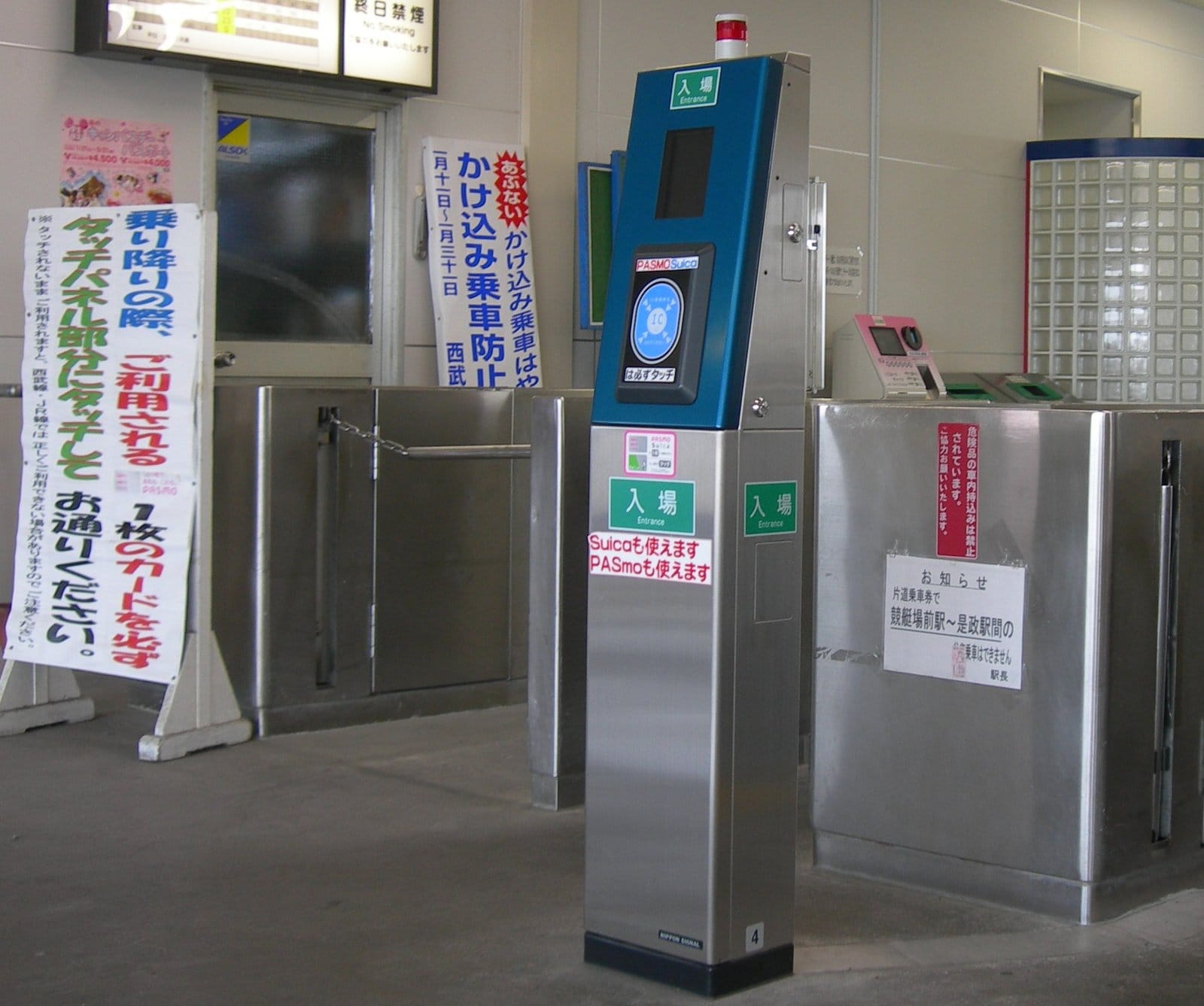
- IC Cards (Suica, Pasmo, ICOCA): These rechargeable smart cards are your best friend for local transport within major cities. They work like Delhi Metro cards but are universally accepted across various train lines (JR, private railways, subway) and buses in their respective regions. You can purchase them at major train station vending machines or ticket counters for a ¥500 (approx. ₹280) refundable deposit. Load them with cash (Yen) at ticket machines or convenience stores. They can also be used for small purchases at convenience stores and some vending machines. For example, a single ride on the Tokyo Metro might cost ¥170-¥310 (approx. ₹95-₹175), depending on distance, and using an IC card makes it seamless.
- Japan Rail Pass: If you plan extensive inter-city travel on JR trains (including Shinkansen bullet trains), the Japan Rail Pass is often the most cost-effective option. It must be purchased before you arrive in Japan (online or through authorised agents in India/Bangladesh) and then exchanged for the actual pass at a JR office in Japan. Payment for the pass itself would be made in your home currency via credit card or bank transfer. Once you have the pass, your JR travel is covered, eliminating the need for individual ticket purchases.
- Individual Tickets: For occasional train rides or if you don't opt for an IC card, individual paper tickets can be purchased from vending machines at stations. These machines usually accept cash (Yen) and sometimes credit cards (JCB, Visa, Mastercard) in larger stations.
- Buses and Taxis: Local buses often require exact change in cash or IC card payment. Taxis generally accept major credit cards, IC cards, and cash. A typical short taxi ride in Tokyo might cost ¥700-¥1500 (approx. ₹390-₹840).
2. Food Payments
Food is a highlight of any Japan trip, and payment methods vary widely across eateries.
- Restaurants:
- Mid-to-High End: Most sit-down restaurants, particularly those in hotels or tourist areas, will accept major international credit cards (Visa, Mastercard, JCB, Amex).
- Ramen Shops, Izakayas, Smaller Eateries: Many traditional ramen shops, local izakayas (Japanese pubs), and smaller, independent restaurants are often cash-only. Some might have a ticket vending machine outside where you pay cash to select your meal before entering. A bowl of ramen typically costs ¥800-¥1200 (approx. ₹450-₹670). Always have cash for these authentic experiences.
- Vegetarian/Halal Food Anxiety: While not directly a payment issue, it's worth noting. Japan is becoming more accommodating, but it's not always easy. Look for restaurants with English menus, use translation apps, or seek out specific vegetarian/halal-certified establishments (especially in larger cities). Many convenience stores offer suitable options.
- Convenience Stores (Konbini): 7-Eleven, FamilyMart, and Lawson are ubiquitous and a lifesaver. They accept virtually all major credit cards, IC cards, and cash. They are excellent for quick, affordable meals, snacks, drinks, and even some vegetarian options like specific onigiri (rice balls – check ingredients carefully!), sandwiches, or pre-packaged salads. Many also have ATMs. A typical snack might cost ¥150-¥300 (approx. ₹85-₹170).
- Supermarkets: Large supermarkets accept major credit cards and cash. They are great for buying fresh produce, prepared meals, and groceries, often at better prices than konbini.
3. Shopping Payments
From bustling department stores to quaint souvenir shops, Japan offers diverse shopping experiences.
- Department Stores & Major Retailers: These establishments (e.g., Bic Camera, Uniqlo, Don Quijote, Isetan, Takashimaya) universally accept major credit cards (Visa, Mastercard, JCB, Amex) and often IC cards.
- Souvenir Shops & Smaller Boutiques: This is a mixed bag. In popular tourist areas like Asakusa or Kyoto's Gion district, many souvenir shops will accept cards. However, smaller, independent craft shops or market stalls might be cash-only.
- Tax-Free Shopping: Many larger stores offer tax-free shopping for tourists on eligible purchases (minimum spend typically ¥5,000, approx. ₹2,800, excluding consumables). You'll need your passport, and payment can be made with accepted credit cards or cash. The tax refund process is usually handled directly at the store's tax-free counter.
Mini Case-Study: A Day in Tokyo Using Your Payment Methods
Let's envision a day for a traveller from India:
- Morning (Breakfast & Metro): You grab a quick vegetarian onigiri and green tea from a 7-Eleven near your hotel. You pay with your RuPay-JCB credit card using tap-to-pay. Total: ¥400 (approx. ₹225). Then, you head to the subway station, where you top up your Suica IC card with ¥2000 (approx. ₹1120) cash at a vending machine. Your subway ride to Shinjuku costs ¥200 (approx. ₹112) debited from your Suica.
- Mid-day (Sightseeing & Lunch): You visit the Tokyo Metropolitan Government Building. Later, you find a small ramen shop for lunch. It's a cash-only establishment, so you pay ¥950 (approx. ₹530) in cash for your meal.
- Afternoon (Shopping): You head to a department store in Shinjuku. You find some souvenirs and pay ¥8000 (approx. ₹4480) using your Visa credit card. You remember to decline DCC and choose to pay in JPY.
- Evening (Dinner & Drinks): You meet friends at an izakaya. The bill comes to ¥3500 (approx. ₹1960) per person. This izakaya accepts cards, so you use your Mastercard debit card (or another credit card) to pay, again selecting JPY.
- Late Night (Emergency Cash): You realise you're running low on small notes for tomorrow's temple visit. You find a 7-Bank ATM and withdraw ¥10,000 (approx. ₹5600) using your RuPay-JCB debit card, incurring a small ATM fee.
This sample day illustrates the necessity of having a diverse payment arsenal – cash, IC cards, RuPay-JCB, and other international credit/debit cards – to navigate Japan's varied payment landscape smoothly.
Avoiding Common Payment Pitfalls and Scams
Travelling with your finances can sometimes feel daunting, but being aware of common pitfalls helps you avoid them.
1. Dynamic Currency Conversion (DCC)
This is perhaps the most common and easily avoidable pitfall. DCC occurs when a merchant or ATM offers to convert your transaction into your home currency (e.g., Indian Rupees or Bangladeshi Taka) at the point of sale. While it might seem convenient to see the cost in a familiar currency, the exchange rate used by the merchant's bank is almost always worse than the rate your own bank would provide.
- How to avoid: Always choose to pay in the local currency, Japanese Yen (JPY), when given the option. The prompt might say "Pay in JPY" or "Pay in [Your Home Currency]." Always select JPY. If you pay in JPY, your bank handles the conversion at its prevailing interbank rate, which is typically much more favourable.
2. Excessive ATM Fees
While ATMs are essential for cash, frequent small withdrawals can accumulate fees.
- Bank-specific fees: Your home bank will likely charge a foreign transaction fee for each withdrawal, plus an international ATM withdrawal fee.
- Network fees: The ATM operator in Japan (e.g., 7-Bank, Japan Post Bank) may also charge a small fee per transaction (typically ¥110-220, approx. ₹60-120).
- Strategy: Make fewer, larger withdrawals to minimize these fixed fees. For instance, withdrawing ¥20,000 twice is usually more cost-effective than withdrawing ¥5,000 eight times.
3. Running Out of Cash in Remote Areas
Japan's major cities are well-equipped with ATMs, but smaller towns, rural areas, or even some specific tourist spots might have limited access to international ATMs or may be predominantly cash-only.
- Solution: Always plan ahead. Before heading to a less populated area, ensure you have sufficient cash on hand. Use the ATM locators provided by Visa, Mastercard, or JCB on their websites to find international-friendly ATMs in your destination.
4. Card Skimmers (Rare in Japan, but be vigilant)
While Japan has an extremely low crime rate, it's always wise to be cautious. Card skimmers are devices illegally attached to card readers (ATMs, POS terminals) to steal card information.
- Precaution: Before inserting your card, give the card reader a quick visual check and a gentle wiggle. If anything looks loose, misaligned, or suspicious, use a different ATM or payment terminal. Cover the keypad with your hand when entering your PIN.
5. Lost or Stolen Cards
This is a traveller's nightmare. Preparation is key.
- Emergency Contact Information: As mentioned, have the 24/7 international helpline numbers for all your banks stored securely (in your phone and on paper, separate from your wallet).
- Immediate Action: If your card is lost or stolen, call your bank immediately to report it and block the card. Most banks have dedicated international toll-free numbers.
- Multiple Cards: This cannot be stressed enough. Carry at least two, preferably three, different cards from different banks and networks. Keep them in separate places (e.g., one in your wallet, one in a travel pouch, one in your luggage). This way, if one is compromised, you have backups.
- Emergency Funds: Consider having a small amount of emergency cash hidden separately, or a trusted travel companion who can assist financially in a pinch.
6. Budgeting and Tracking Expenses
Japan can be an expensive country, and it's easy to lose track of spending with different currencies and payment methods.
- Pre-Trip Budget: Have a realistic daily budget for food, transport, activities, and shopping.
- Expense Tracking: Use a travel expense tracking app or a simple notebook to record your spending. This helps you stay within budget and understand where your money is going.
- Conversion Rate (approx ₹0.56 per ¥1): Always keep this approximate conversion in mind when making purchases. A ¥1000 item is roughly ₹560. This quick mental math helps you grasp the actual cost in your home currency.
By being informed and prepared, you can navigate Japan's payment landscape with confidence and focus on enjoying your incredible journey.
Key Takeaways
- Direct UPI payments are not widely accepted in Japan as of mid-2026; do not rely on your Indian UPI apps for everyday transactions.
- RuPay-JCB co-branded cards are a viable option for payments and ATM withdrawals wherever the JCB logo is displayed, including 7-Bank and Japan Post Bank ATMs.
- Always carry multiple international credit and debit cards (Visa, Mastercard, Amex) from different banks and networks as primary payment methods and backups.
- Cash (Japanese Yen) is essential for many smaller establishments, traditional shops, local buses, and vending machines; always have a decent amount on hand.
- Utilise IC cards (Suica, Pasmo, ICOCA) for seamless public transport payments in major cities, topping them up with cash.
- Decline Dynamic Currency Conversion (DCC); always choose to pay in Japanese Yen (JPY) to get better exchange rates from your own bank.
- Notify your bank(s) about your travel dates and enable international transactions before you depart to prevent card blocks.
- Be prepared for foreign transaction fees and ATM withdrawal fees; make larger, less frequent cash withdrawals to minimise costs.
FAQ
Q. Can I rely solely on my RuPay-JCB card for my entire trip to Japan? A. While RuPay-JCB cards are accepted in many places where JCB is, it's not advisable to rely solely on any single card. Many smaller establishments and some specific services might not accept cards at all, or might only accept other networks. Always carry a combination of cash, a RuPay-JCB card, and other international credit/debit cards (Visa/Mastercard) for full flexibility and as a backup.
Q. Where can I exchange currency for the best rates, in India/Bangladesh or Japan? A. Generally, you'll find competitive rates at major international airports upon arrival in Japan (like Narita or Haneda). Some major banks in Japanese cities also offer good rates. While you can exchange a small amount in India or Bangladesh for immediate expenses, exchanging the bulk of your cash in Japan often yields slightly better rates. Always compare the rates and fees.
Q. Is it better to withdraw cash from ATMs in Japan or carry all my cash from home? A. A balanced approach is best. Carry some Japanese Yen from your home country for immediate expenses upon arrival. For the rest of your cash needs, using international-friendly ATMs in Japan (like 7-Bank or Japan Post Bank) with your debit card (Visa/Mastercard/RuPay-JCB) is often a convenient and reasonably cost-effective option, despite the associated fees. This also reduces the risk of carrying large sums of cash.
Q. How much cash should I plan to carry daily in Japan? A. A good starting point is to budget around ¥10,000 to ¥20,000 (approximately ₹5,600 to ₹11,200) per person per day for cash-based expenses like small meals, snacks, local transport top-ups and souvenirs. Carry more if you are heading to smaller towns or rural areas, where many places are cash-only and international ATMs can be harder to find, and use your credit card or IC card wherever they are accepted.