
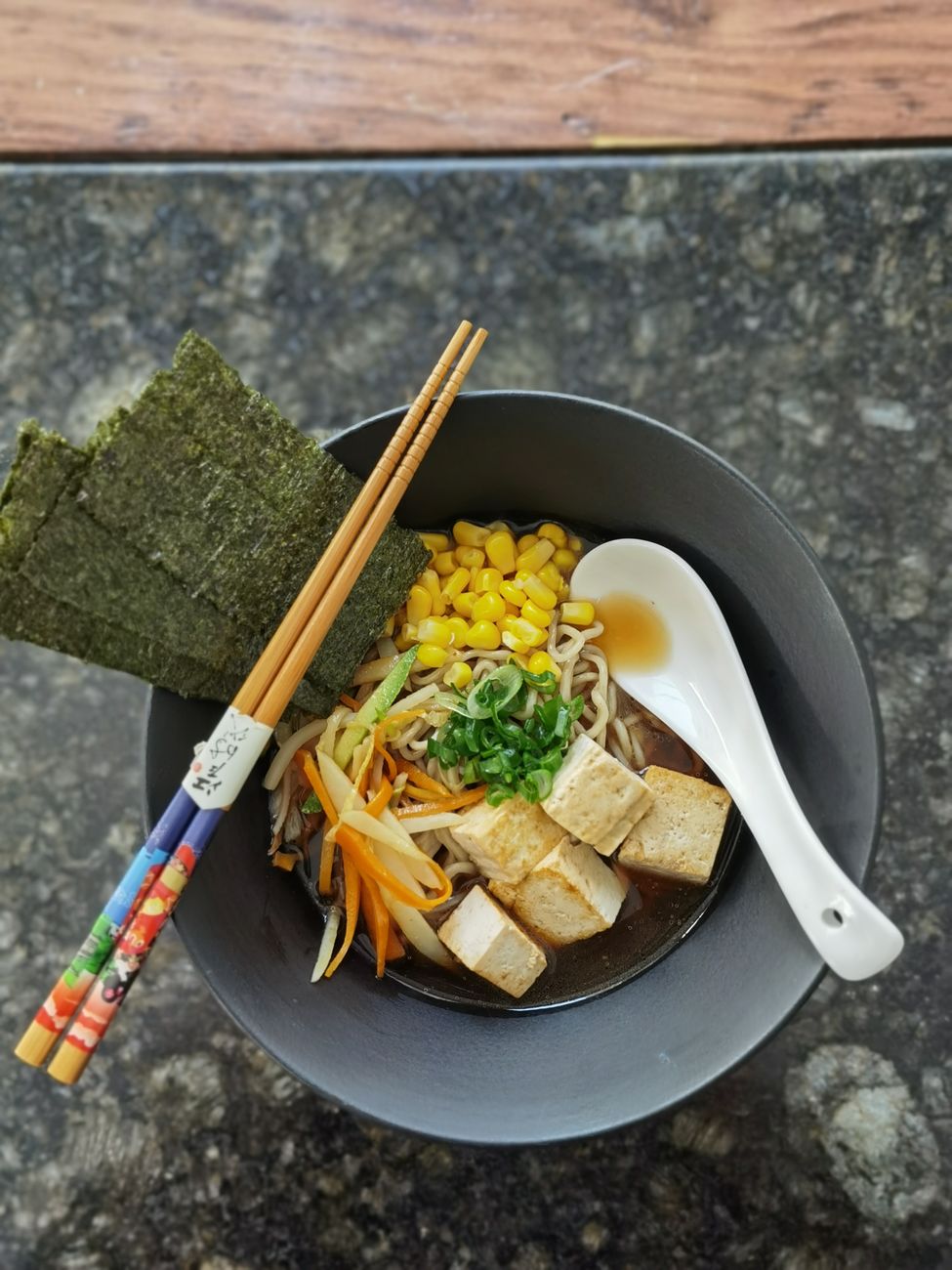
Vegan and Vegetarian Ramen in Japan
Discover Japan's best vegan and vegetarian ramen. Our guide for Indian and Bangladeshi travelers covers T's Tantan, Afuri, Ippudo, and essential Japanese phrases for a worry-free culinary adventure.
Jul 10, 2026·✍️ olablog·⏱ 17 min read
Discover Japan's best vegan and vegetarian ramen. Our guide for Indian and Bangladeshi travelers covers T's Tantan, Afuri, Ippudo, and essential Japanese phrases for a worry-free culinary adventure.
For many first-time visitors from India and Bangladesh, the vibrant culinary landscape of Japan can feel both incredibly exciting and slightly daunting, especially when navigating dietary preferences. The universal love for ramen often clashes with concerns about pork broth (tonkotsu) or dashi (fish stock). However, the good news is that Japan's food scene is evolving rapidly. Finding truly delicious, satisfying vegan and vegetarian ramen is not just a possibility, but an increasingly accessible reality, with a hearty bowl often costing around ¥1,200 to ¥1,500 (approximately ₹670 to ₹840).
The Quest for Plant-Based Ramen in Japan: A Welcome Shift
The traditional image of Japanese cuisine, while often perceived as light and healthy, frequently incorporates animal products, particularly seafood dashi, even in dishes that appear to be vegetable-based. For travelers from India and Bangladesh, where vegetarianism is widespread and halal dietary laws are observed, this can lead to understandable apprehension. The good news is that Japan's culinary landscape, particularly in major cities, has undergone a significant transformation in recent years. There's a growing awareness and a concerted effort by restaurants to cater to diverse dietary needs, driven partly by increasing international tourism and a local shift towards healthier, plant-based eating.
This shift is particularly evident in the ramen world, which was once almost synonymous with rich, pork-based broths. Today, innovative chefs and established chains alike are crafting exquisite ramen bowls entirely free from animal products. These aren't just bland substitutes; they are flavourful, umami-rich creations that stand proudly alongside their traditional counterparts. For those concerned about hidden fish ingredients like dashi, choosing explicitly labeled "vegan" options provides the greatest peace of mind. While "vegetarian" ramen might sometimes still contain dashi or eggs, "vegan" explicitly means no animal products whatsoever, making it the safest bet for most dietary restrictions, including many halal considerations where pork and often other non-halal meats are avoided.
T's Tantan: Your Reliable, Fully Vegan Ramen Haven
When it comes to guaranteed vegan ramen that doesn't compromise on flavour, T's Tantan stands out as a true pioneer and a highly reliable choice for travelers. This chain is entirely plant-based, meaning you can order anything on their menu without a shred of worry about hidden animal products. For visitors from India and Bangladesh, this eliminates much of the food anxiety, allowing you to simply enjoy your meal.
T's Tantan is exceptionally convenient due to its strategic locations within major JR train stations. You'll find branches inside Tokyo Station (Keiyo Street), Ueno Station (Ecute Ueno), Ikebukuro Station (JR Ikebukuro Station, near the South Exit), and Shinagawa Station (Ecute Shinagawa). This makes it an ideal spot for a quick, satisfying meal before or after a long train journey, much like finding a reliable eatery within a bustling metro station back home. Imagine stepping off your train in Tokyo, perhaps after using your Japan Rail Pass, and immediately having access to a delicious, worry-free meal.
Their signature dish is the Golden Sesame Tantan (Kin-Goma Tantan), a rich, creamy broth made from sesame paste, soy milk, and a blend of spices, topped with soy meat, spinach, and a sprinkle of chili threads. It’s deeply flavourful, with a pleasant warmth that isn't overly spicy. They also offer a White Sesame Tantan, which is a milder, equally delicious alternative. Seasonal specials often feature unique vegetable combinations. A standard bowl of ramen at T's Tantan typically costs around ¥950 to ¥1,200 (approximately ₹530 to ₹670). Ordering is straightforward, usually through a ticket vending machine at the entrance, which often has English options. Simply select your ramen, pay, and hand the ticket to the staff. Their operating hours generally align with station opening times, usually from around 7:00 AM to 10:00 PM, making it suitable for breakfast, lunch, or dinner. T's Tantan is an absolute must-visit for any plant-based traveler to Japan.
Afuri: Yuzu-Infused Elegance with a Vegan Twist
Afuri has carved a niche for itself in the ramen world with its distinctive, lighter broths, often infused with the refreshing citrusy aroma of yuzu. While Afuri is not a fully vegan restaurant, it is widely celebrated for its dedicated "Vegan Ramen" offering, which is a masterpiece of plant-based culinary art. This specific menu item provides a welcome contrast to the heavier, richer ramen styles, making it particularly appealing on a warm day or when you're seeking something bright and invigorating.
The vegan ramen at Afuri features a clear, delicate broth typically made from kombu (kelp), various vegetables, and shiitake mushrooms, creating a profound umami depth without any animal products. It's often topped with grilled seasonal vegetables, a slice of marinated bamboo shoot (menma), and a generous portion of fresh greens, all crowned with a drizzle of their signature yuzu oil. The balance of flavors is exquisite – earthy, tangy, and subtly sweet. It's crucial to specify "Vegan Ramen" when ordering, as their other ramen bowls are typically made with chicken or pork broth. Look for clear labeling on their menu or ticket vending machine, which usually includes English descriptions.
Afuri has multiple popular locations across Tokyo, including bustling areas like Shibuya, Ebisu, Shinjuku, Harajuku, and Roppongi. Their shops are often characterized by sleek, modern interiors with counter seating, providing a stylish yet casual dining experience. A bowl of Afuri's Vegan Ramen typically ranges from ¥1,300 to ¥1,600 (approximately ₹730 to ₹900), reflecting the quality of ingredients and the refined preparation. Like many ramen establishments, ordering is usually done via a ticket vending machine at the entrance. If you're unsure, don't hesitate to point to the English "Vegan Ramen" option on the machine or menu, or politely ask the staff, "Bekan ramen wa arimasu ka?" (Do you have vegan ramen?). This ensures you receive the correct, delightful plant-based option.
Ippudo's Plant-Based Ramen: A Global Chain's Commitment
Ippudo is a globally recognized ramen powerhouse, famous for its rich, creamy tonkotsu (pork bone) broth. For years, this made it an unlikely candidate for vegetarian or vegan diners. However, demonstrating a remarkable adaptability and understanding of evolving dietary needs, Ippudo has introduced a dedicated "Plant-Based Ramen" option in select locations. This move by such a mainstream, traditional ramen chain is highly significant, indicating a broader acceptance and integration of plant-based options within the Japanese culinary scene.
Ippudo's plant-based ramen is a testament to their commitment to quality, even when stepping outside their traditional boundaries. The broth is typically a complex, savory creation often featuring a blend of mushrooms, vegetables, and soy milk, designed to mimic the depth and richness characteristic of their signature tonkotsu, but without any animal products. The toppings usually include carefully prepared plant-based "chashu" (often made from textured soy protein or mushrooms), bamboo shoots, spring onions, and sometimes a special chili paste. The texture of the noodles and the overall presentation remain consistent with Ippudo's high standards.
It is important to note that Ippudo's plant-based ramen is not available at all branches. It's primarily offered in their larger, more tourist-friendly locations, particularly in major cities like Tokyo (e.g., Ginza, Shinjuku, Shibuya) and Kyoto. Before planning a visit, it is highly recommended to check their official website or social media channels for a list of participating branches that offer the plant-Based Ramen. This information is usually updated regularly and available in English. A bowl of Ippudo's Plant-Based Ramen typically costs around ¥1,200 to ¥1,500 (approximately ₹670 to ₹840), placing it in a similar price bracket to their traditional offerings. Ordering is usually done by staff taking your order at your table, or sometimes via a tablet. Clearly stating "Plant-Based Ramen" will ensure you get the correct dish. The availability of such an option at a chain like Ippudo reflects a positive trend for plant-based diners, offering a taste of a renowned ramen experience without dietary compromise.
Decoding Ramen Menus: Verifying Broth & Ingredients in Japanese
One of the biggest sources of anxiety for vegetarian and vegan travelers from India and Bangladesh in Japan is the fear of inadvertently consuming animal products, especially when language barriers exist. While many restaurants in major tourist areas now offer English menus, understanding a few key Japanese phrases and knowing what to look for can be incredibly empowering and greatly enhance your dining confidence.
Here are some essential phrases and tips for verifying ingredients:
- "Bekan ramen wa arimasu ka?" (ビーガンラーメンはありますか?): This means "Do you have vegan ramen?" This is the most direct and safest question, as "vegan" in Japan strictly implies no animal products (meat, fish, dairy, eggs, honey).
- "Saishoku ramen wa arimasu ka?" (菜食ラーメンはありますか?): This translates to "Do you have vegetarian ramen?" Be aware that "vegetarian" (saishoku) in Japan can sometimes include dashi (fish stock) or eggs. Always clarify further if you use this phrase.
- "Buta niku nashi?" (豚肉なし?): "No pork?" (Direct and informal, but understood).
- "Gyū niku nashi?" (牛肉なし?): "No beef?"
- "Sakana nashi?" (魚なし?): "No fish?" This is crucial for vegetarians as fish dashi is a common base.
- "Dashi wa tsukatte imasu ka?" (出汁は使っていますか?): "Do you use dashi?" If the answer is "Hai" (Yes), then ask "Sakana dashi desu ka?" (Is it fish dashi?). If it's "Kombu dashi" (kelp dashi) or "Shiitake dashi" (mushroom dashi), it's likely vegan.
- "Tamago nashi?" (卵なし?): "No egg?"
- "Nyūseihin nashi?" (乳製品なし?): "No dairy?"
When looking at menus, search for specific symbols. A green leaf symbol, a "V" for vegan, or the word "Vegan" written in English or Katakana (ヴィーガン) are clear indicators. Many modern restaurants, especially those catering to tourists, will list allergens or dietary information directly on their menus. Don't be shy about using a translation app like Google Translate's camera function. Point your phone at the Japanese text, and it can often provide a helpful, if sometimes imperfect, translation.
A common mistake to avoid is assuming that a "vegetable ramen" or "yasai ramen" (野菜ラーメン) is automatically vegan or even vegetarian. Often, the broth for these bowls is still pork or chicken-based, with just vegetable toppings. Always confirm the broth itself. Politeness is key in Japan; always preface your questions with a polite "Sumimasen" (Excuse me) and thank them with "Arigatou gozaimasu" (Thank you very much). Most staff will genuinely try to help, even with language barriers.
Beyond the Big Chains: Hidden Gems and Regional Finds
While established chains like T's Tantan, Afuri, and Ippudo offer reliable and accessible vegan ramen options, Japan's culinary scene is also rich with smaller, independent eateries that are increasingly catering to plant-based diets. Discovering these hidden gems can be one of the most rewarding aspects of your trip, offering unique flavors and often a more intimate dining experience.
These smaller shops might not always be prominently advertised or have extensive English menus, but with a bit of prior research, they can be found. Excellent resources include online vegan travel blogs focused on Japan, and particularly, the HappyCow app and website. HappyCow is a global platform that lists vegan, vegetarian, and veg-friendly restaurants, complete with user reviews, photos, and directions. It's an invaluable tool for pinpointing options beyond the well-trodden paths. Simply search for "vegan ramen" in your desired city on HappyCow, and you'll often uncover a treasure trove of local favorites.
Beyond Tokyo, cities like Kyoto, Osaka, and even smaller regional hubs are seeing a rise in dedicated vegan and vegetarian establishments. Kyoto, with its strong Buddhist traditions (which often emphasize plant-based diets), has a particularly rich offering of shojin ryori (traditional Buddhist vegetarian cuisine) and modern vegan adaptations, including ramen. Osaka, known for its vibrant food culture, also boasts several fantastic vegan ramen spots. Always check the latest information online as menus and opening hours can change.
Mini Case Study: A Vegan Day in Tokyo Imagine a day exploring Tokyo. Start your morning with a visit to the serene Meiji Jingu Shrine in Shibuya. Afterward, as hunger sets in, you can easily walk to an Afuri branch in Harajuku or Shibuya for a refreshing Yuzu Vegan Ramen. The cost would be approximately ¥1,400 (around ₹780). In the afternoon, explore the bustling streets of Shinjuku. For dinner, you could head to a T's Tantan located conveniently within Ikebukuro Station before catching your train back to your accommodation. A bowl of their Golden Sesame Tantan would be about ¥1,100 (approximately ₹615). This demonstrates how seamlessly plant-based dining can be integrated into your travel itinerary with a little planning, especially with the strategic locations of these ramen shops.
Practicalities for the Indian & Bangladeshi Traveler: Budgeting, Booking, and Etiquette
Navigating the practicalities of dining in Japan as a first or second-time visitor from India or Bangladesh involves more than just finding the right food; it also includes understanding local customs, managing your budget, and knowing how to interact in dining establishments.
Budgeting for Ramen: A typical bowl of vegan or vegetarian ramen in Japan will generally cost between ¥950 and ¥1,600.
- T's Tantan: ¥950 - ¥1,200 (approx. ₹530 - ₹670)
- Afuri Vegan Ramen: ¥1,300 - ¥1,600 (approx. ₹730 - ₹900)
- Ippudo Plant-Based Ramen: ¥1,200 - ¥1,500 (approx. ₹670 - ₹840)
For travelers from Bangladesh, these prices would be roughly equivalent to BDT 1,000 to BDT 1,600, depending on the current exchange rate, which generally hovers around BDT 0.70-0.75 per JPY. Eating ramen is generally an affordable and filling meal option in Japan, especially compared to some other restaurant dishes. To save money, consider eating at station-based ramen shops like T's Tantan, which often offer slightly more budget-friendly prices. Also, avoid elaborate side dishes if you're strictly budgeting. A bottle of water or tea is often provided free of charge at ramen shops.
Booking and Queueing: Unlike many restaurants in India or Bangladesh where reservations are common, most ramen shops in Japan, especially the popular ones, do not take reservations. Instead, patrons are expected to queue. This is a very common and orderly practice.
- How to Queue: Look for the end of the line and join it. Do not cut the queue. If there's a sign-up sheet, add your name.
- Ticket Vending Machines: Many ramen shops use ticket vending machines (券売機, kenbaiki) located just inside the entrance. You select your order, insert money (usually cash), and receive a ticket. Hand this ticket to the staff when you are seated or called. These machines often have English menus, making the process straightforward.
- Waiting: Be prepared to wait, especially during peak lunch (12:00 PM - 1:00 PM) and dinner (6:00 PM - 8:00 PM) hours. Waits can range from 15 minutes to over an hour for extremely popular spots. Use this time to observe the menu or practice your Japanese phrases.
Ramen Etiquette: Japanese dining etiquette can seem complex, but a few key points for ramen will suffice:
- Slurping: It's perfectly acceptable, and even encouraged, to slurp your noodles! It's a sign of enjoyment and helps cool the hot noodles. Don't be self-conscious.
- Chopsticks: If you're not comfortable with chopsticks, don't worry – most ramen shops will have spoons for the broth and some may offer forks if you ask. Avoid sticking your chopsticks upright in your bowl (which is associated with funeral rites) or using them to point at people.
- Finishing the Broth: While you don't have to drink every last drop of broth, especially if it's very rich, finishing a significant portion is a compliment to the chef. For vegan ramen, where the broth is often a highlight, try to enjoy it fully.
- Quick Meals: Ramen is often considered a quick meal. Don't linger too long after you've finished eating, especially if there's a queue.
Station Availability and Convenience: As mentioned, the prevalence of places like T's Tantan within JR stations is a huge boon. For travelers utilizing the Japan Rail Pass, these locations are incredibly convenient, much like finding a reliable food court within a major railway station in Delhi or Dhaka. You can grab a meal quickly between train transfers without having to venture far, maximizing your sightseeing time and minimizing food-related stress.
Payment Methods: While credit cards are widely accepted in larger stores, hotels, and many chain restaurants, smaller, independent ramen shops might still be cash-only. It's always a good idea to carry a decent amount of Japanese Yen (cash) with you, especially for smaller eateries or when exploring less urban areas. Look for signs that indicate accepted payment methods (e.g., credit card logos).
Key Takeaways
- Vegan Ramen is Accessible: Japan's culinary scene now offers excellent and reliable vegan ramen options, especially in major cities.
- T's Tantan is a Must: For guaranteed vegan, delicious, and convenient ramen, T's Tantan locations in major JR stations are ideal for Indian and Bangladeshi travelers.
- Afuri Offers Refinement: Enjoy the lighter, yuzu-infused Vegan Ramen at Afuri, but remember to specifically ask for the "Vegan Ramen" option.
- Ippudo's Commitment: Major chain Ippudo has a Plant-Based Ramen in select locations, showcasing a broader shift in Japanese cuisine. Check their website for specific branches.
- Learn Key Phrases: A few Japanese phrases like "Bekan ramen wa arimasu ka?" (Do you have vegan ramen?) and "Sakana nashi?" (No fish?) are invaluable for verifying ingredients.
- Utilize Resources: HappyCow and official restaurant websites are excellent tools for finding and confirming plant-based options.
- Embrace Etiquette: Don't fear slurping, be mindful of queues, and carry cash for smaller establishments. Ramen is a delicious and often affordable meal, usually ¥950-¥1,600 (approx. ₹530-₹900).
FAQ
Q. Is all vegetarian ramen in Japan also vegan? A. No, not necessarily. While "vegan" (ビーガン, bekan) strictly means no animal products (including meat, fish, dairy, and eggs), "vegetarian" (菜食, saishoku) ramen in Japan might still contain dashi (fish stock) or eggs. Always choose options explicitly labeled "vegan" for complete assurance, or use the specific Japanese phrases mentioned above to clarify ingredients.
Q. How do I easily find these vegan ramen places, especially in a new city? A. The best way is to use online resources. Download the HappyCow app, which is excellent for locating vegan and vegetarian restaurants worldwide, including Japan. Also, check the official websites of chains like T's Tantan, Afuri, and Ippudo for their specific branch locations and menu details, which are often available in English.
Q. Can I use my credit card everywhere when eating ramen? A. While credit card acceptance is growing, many smaller, independent ramen shops, and even some popular ones, still operate on a cash-only basis. It's always prudent to carry Japanese Yen cash, especially for smaller eateries or when exploring areas outside major tourist hubs. Larger chains and station-based restaurants are more likely to accept cards.
Q. What if I have other allergies in addition to being vegetarian/vegan? A. For severe allergies, it's always best to have a written card in Japanese detailing your specific allergies (e.g., "I am allergic to peanuts, eggs, dairy, etc. – 私はピーナッツ、卵、乳製品などにアレルギーがあります。"). Present this card to the staff when ordering. Major chains might have allergen information available, but smaller shops may struggle to accommodate complex allergies due to the nature of their cooking processes.
Q. Is it expensive to eat vegan ramen in Japan? A. Generally, vegan ramen is priced comparably to traditional ramen, making it a relatively affordable meal option. A typical bowl costs between ¥950 and ¥1,600 (approximately ₹530 to ₹900 or BDT 1,000 to BDT 1,600). It offers a filling and flavourful meal without breaking your travel budget, especially when compared to other restaurant dining options.