
Unzen and Shimabara: Volcanic Hellscapes and Spring-Water Streets
Explore steaming Unzen hot springs, autumn views from Nita Pass, Shimabara Castle, samurai lanes, and clear spring-water neighborhoods.
Aug 25, 2026·✍️ olablog·⏱ 8 min read
Explore steaming Unzen hot springs, autumn views from Nita Pass, Shimabara Castle, samurai lanes, and clear spring-water neighborhoods.
A two-sided journey through Shimabara Peninsula
On the eastern side of Nagasaki Prefecture, the Shimabara Peninsula rises from the sea into the volcanic mountains of Unzen. A trip here brings together two very different landscapes: Unzen Onsen, where sulfurous steam rises through a highland resort town, and Shimabara City, where clear spring water flows through historic neighborhoods.
The contrast is part of the appeal. In the mountains, you can walk among steaming vents and mineral-stained rocks before soaking in a hot spring. Down by the coast, water emerges from the volcanic ground so cleanly that it runs through household courtyards and traditional streets.
Allow at least one full day for Unzen Onsen. Two days is more comfortable if you want to combine Unzen, Shimabara Castle, the samurai district, and the spring-water neighborhoods without rushing.
Unzen Onsen: walk among the “hells”
Unzen Onsen is famous for its jigoku, or “hells”—a dramatic network of volcanic vents, bubbling pools, white mineral deposits, and clouds of sulfurous steam. The name is religious and traditional rather than sensational: these landscapes have long been associated with Buddhist imagery of the underworld.
The walking paths of Unzen Jigoku pass close to the vents, with wooden boardwalks leading through the steaming terrain. The air can smell strongly of sulfur, and the ground is hot in places, so stay on marked paths and follow local safety signs. Steam can also reduce visibility, giving the area an atmospheric quality that changes from one moment to the next.
Several paths begin close to the town and can be explored without a demanding mountain hike. Along the way, you may see small structures and markers connected with the area’s religious history. Take time to read the explanations rather than treating the site simply as a photo stop.
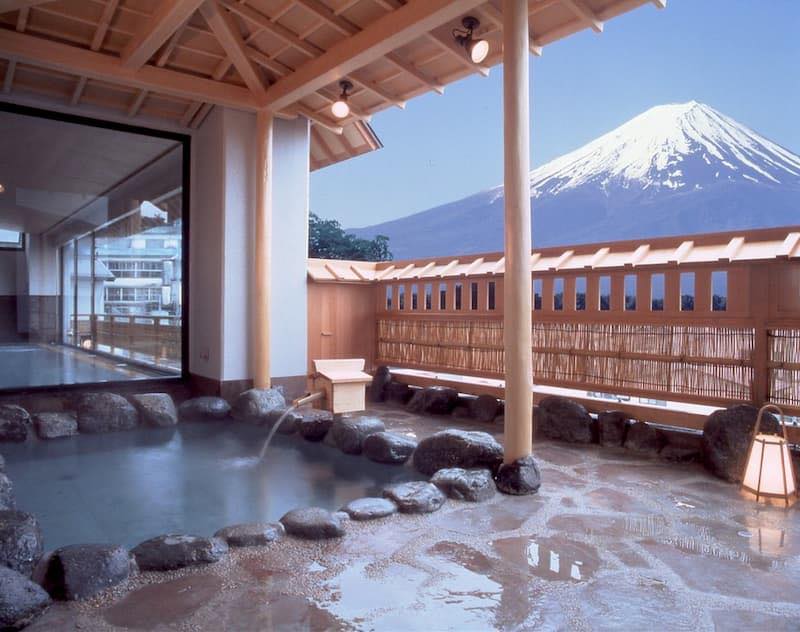
After your walk, try an onsen bath at one of the town’s ryokan or bathing facilities. Unzen’s water is known for its acidic, sulfur-rich character, and the experience is quite different from a gentle mineral bath. Wash thoroughly before entering, keep towels out of the water, and check each facility’s rules regarding tattoos, children, and day bathing.
Nita Pass Ropeway and the high mountain view
For a wider view of the peninsula, take the Unzen Ropeway from Nita Pass toward the upper slopes of Mount Fugen. The ride is short, but the scenery opens dramatically as the gondola climbs above the forest.
The ropeway is especially popular during the autumn foliage season, generally from mid-November to early December, when the mountain slopes fill with red, orange, and gold. Clear days may reveal the surrounding peaks, the coast, and distant islands. In spring, fresh green leaves and mountain flowers create a softer landscape, while winter can bring frost or snow around the higher elevations.
Weather changes quickly in the mountains. Check the ropeway’s operating conditions before setting out, and bring an extra layer even when the weather is mild in Nagasaki or Shimabara.
Shimabara City: castles, samurai lanes, and living water
From Unzen, descend toward Shimabara City, a compact destination with a strong sense of place. The city was shaped by volcanic activity, but its most memorable feature is the abundance of underground water. Rain and snowmelt filter through the volcanic slopes before reappearing as exceptionally clear springs.
Shimabara Castle
Shimabara Castle is the city’s most recognizable landmark. Its white walls and broad stone foundations stand out against the surrounding streets, while the castle grounds offer a useful introduction to local history. Exhibits inside cover the Shimabara domain, regional culture, and the religious history of the area.
The castle is also a convenient starting point for exploring the city on foot. From here, you can continue through older residential areas and reach the samurai district.
Samurai Street
The former samurai neighborhood preserves the atmosphere of a castle town. Low walls, traditional homes, and narrow lanes reflect the way samurai residences were arranged around the castle. The area is quieter than major tourist districts, making it rewarding to walk slowly and notice details such as garden entrances, tiled roofs, and drainage channels.
Some preserved residences may be open to visitors, while others remain private homes. Keep voices low, avoid blocking entrances, and remember that this is still a lived-in neighborhood.
The “Street of Swimming Fish”
Shimabara’s spring water is most charmingly experienced in Koi no Oyogu Machi, often translated as the “Street of Swimming Fish.” Clear channels run along the streets, and colorful carp move through the water. In some places, spring water flows through spaces beside or between homes, creating a rare relationship between daily life and the natural environment.
The neighborhood is not a theme park. Residents use the water and maintain the channels, so visitors should avoid touching the fish, throwing anything into the water, or stepping into private areas. The best way to appreciate the district is to walk quietly and observe how the springs are woven into ordinary life.
Try kanzarashi
One local sweet to look for is kanzarashi, small dumplings made from glutinous rice flour and served in a chilled, lightly sweet syrup. The texture is pleasantly chewy, and the dessert is closely associated with Shimabara’s clear water and traditional food culture.
Recipes and sweetness vary between shops. It is a simple refreshment after walking through the castle town, especially in the warmer months.
Planning your route
The table below gives a practical overview of how much time to allow and what each area offers.
| Area | Main experiences | Suggested time | Best for |
|---|---|---|---|
| Unzen Onsen | Jigoku paths, hot springs, volcanic scenery | Half to one day | Onsen, geology, mountain air |
| Nita Pass | Ropeway, panoramic views, autumn foliage | 2–3 hours | Scenic rides and seasonal colors |
| Shimabara Castle area | Castle, samurai lanes, local history | Half day | Walking and heritage |
| Koi no Oyogu Machi | Spring-water channels and carp | 1–2 hours | Slow neighborhood exploration |
Getting there
From Nagasaki, the most straightforward public-transport option is a bus toward Unzen Onsen. Services may be direct or involve a change depending on the season and timetable, so check the current route before departure. A practical alternative is to travel by the JR Nagasaki Main Line to Isahaya, then continue by Shimabara Railway or a connecting bus toward Unzen and Shimabara.
From Kumamoto, take a ferry from Kumamoto Port to Shimabara Port. Ferry services are operated by Kumamoto Ferry and Kyushu Shosen. Shimabara Port is closer to Shimabara City than to Unzen Onsen, so plan a bus or taxi connection after arriving. Sea conditions and seasonal schedules can affect travel, making an official timetable check essential.
For route planning, tickets, and tours, visit OlaChill’s Japan destination hub.
A respectful look at Mount Fugen
The mountains around Unzen are active volcanic terrain, and Mount Fugen has played a powerful role in the region’s history. The 1990–1995 eruption caused loss of life, displacement, and lasting changes to communities around the peninsula. The landscape visitors enjoy today exists alongside that difficult memory.
When visiting viewpoints, museums, memorials, or disaster-affected areas, take a moment to read local accounts and follow access restrictions. The volcano is not merely a dramatic backdrop; it is a force that continues to shape the lives, economy, and identity of Shimabara Peninsula residents.
Best seasons to visit
- Spring: Fresh greenery, comfortable walking weather, and mountain flowers.
- Summer: Cooler temperatures in Unzen than on the coast, though rain and mist are possible.
- Autumn: The most popular season for the Nita Pass Ropeway and mountain foliage, usually from mid-November to early December.
- Winter: Crisp air and occasional frost or snow in the highlands; transport and ropeway conditions should be checked carefully.
FAQ
How long should I spend in Unzen and Shimabara?
A full day can cover the main Unzen Jigoku paths and a short Shimabara visit, but two days allows time for the ropeway, an onsen bath, the castle, samurai lanes, and the spring-water neighborhoods.
Can I visit Unzen without staying overnight?
Yes. Unzen Onsen works as a day trip from Nagasaki or as a stop between Nagasaki and Shimabara. An overnight stay is worthwhile if you want to enjoy a relaxed hot spring experience.
Is the Unzen Ropeway open in every kind of weather?
Operations can be affected by wind, fog, snow, or volcanic conditions. Check the official operating information on the day you travel.
What should I know before visiting the spring-water streets?
The channels and water features are part of a residential area. Do not enter private property, touch the carp, or throw objects into the water, and keep the streets peaceful for local residents.