
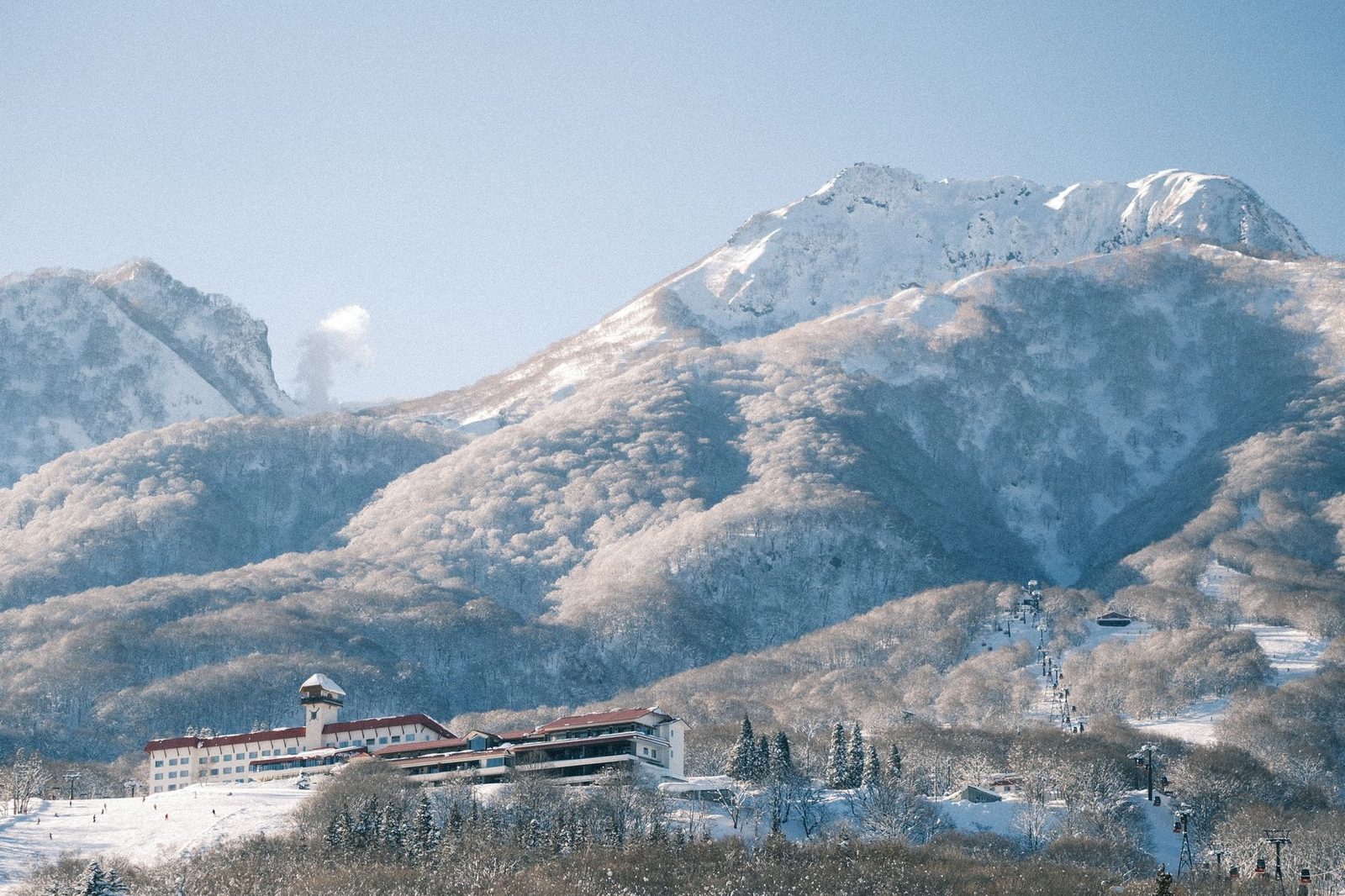
Skiing in Japan for Beginners: Starting from Scratch
A beginner’s guide to skiing in Japan: full equipment rental, hiring an instructor, choosing a resort with a beginner area, the best snow season, and the cost of a day on the slopes.
Aug 8, 2026·✍️ olablog·⏱ 6 min read
A beginner’s guide to skiing in Japan: full equipment rental, hiring an instructor, choosing a resort with a beginner area, the best snow season, and the cost of a day on the slopes.
Never touched a pair of skis? No problem—Japan may be the best place in Asia to learn skiing from scratch. The snow here is world-famous for being soft and deep (so falling is... gentler), the rental systems are incredibly comprehensive, so you do not need to buy anything in advance, and every ski resort has designated areas for beginners. This article answers all the questions first-timers have: what to wear, what to rent, where to learn, when to go, and how much a full day will cost.
What makes Japanese snow so special is the cold air blowing in from Siberia across the Sea of Japan. It picks up moisture before dumping it over the mountain ranges as dry, fluffy powder as fine as sugar—skiers call it "Japow" (Japan powder). For beginners, soft snow means those first few falls are much less painful than they would be on the hard, icy snow found in many other places.
Japanese resorts are also exceptionally well organized: clear signs, lifts and conveyor belts dedicated to practice slopes, attentive staff, and food that far exceeds expectations. A steaming bowl of ramen after a practice session in the snow is an unforgettable experience.
Rent everything: You can arrive empty-handed
You absolutely do not need to buy ski gear for your first trip. All major ski resorts offer full rental packages covering three categories:
- Equipment: skis (or a snowboard), boots, and poles. Staff will ask for your height, weight, and shoe size to select the right equipment—just answer honestly, because properly fitted gear is much safer.
- Clothing: waterproof ski jackets and pants. Renting on-site will make your suitcase considerably lighter.
- Accessories: helmets, goggles, and gloves. Many places recommend buying gloves and specialized socks new for hygiene reasons—and the on-site prices are not expensive.
A full rental package (equipment + clothing) usually costs around 6.000–10.000 yen per day, depending on the resort. The only things you should bring from home are a warm base layer (Heattech), thick crew-length socks, and sunscreen—the sun reflecting off the snow can "burn your skin" faster than you might expect.
Hire an instructor: The most worthwhile investment
Many beginners try to save money by planning to "teach themselves with YouTube"—a mistake that can easily turn your first day of skiing into a day of... sitting in the snow. A proper 2-hour lesson is enough to teach you how to brake, fall safely, get back up, and make basic turns—the difference between "struggling" and "starting to have fun."
Major resorts all have ski schools offering group and private lessons. Group lessons are more affordable (around 5.000–8.000 yen for a session lasting a few hours), while private lessons cost more but help you improve faster. For Vietnamese travelers, it is worth choosing a resort with English-speaking instructors—international resorts such as Niseko, Hakuba, and Rusutsu offer the widest range of options; some also have Chinese-speaking instructors or multilingual support services. During peak season, book online in advance, as English-language classes fill up early.
One piece of advice from experience: on your first day, take a half-day lesson and then practice on your own on a beginner slope. Your leg muscles will "protest" much sooner than your eagerness to learn runs out.
Choose a resort with a good beginner area
Not every resort is beginner-friendly. When choosing one, look for three things: the proportion of green (beginner) runs on the trail map, whether it has a "magic carpet" conveyor belt instead of only chairlifts, and whether there is a dedicated practice area separated from faster traffic.
Here are a few proven options: Gala Yuzawa (Niigata) has a Shinkansen that takes you directly to the foot of the resort, making it extremely convenient for visitors staying in Tokyo; Karuizawa Prince (Nagano) has gentle slopes and excellent services, making it ideal for families; Hakuba Happo-one and Hakuba Goryu have spacious practice areas and English-language ski schools; Niseko (Hokkaido) has the best snow and is exceptionally international. If you are traveling with young children, prioritize resorts with snow-play areas (sledding, snow tubing), so kids who cannot ski yet can still have fun all day.
When is the snow at its best?
Japan’s ski season runs roughly from mid-December to early April, depending on the region:
- Mid-December – early January: Snow begins to build up and the festive atmosphere is in full swing, but the New Year period is very crowded and expensive.
- Mid-January – February: The peak of "Japow" season—deep, consistent powder, especially in Hokkaido and the mountainous areas of Nagano/Niigata. This is the best time to go if you want the full experience.
- March: The weather is warmer and sunnier, and the snow is slightly wetter, but conditions are more comfortable for beginners because it is less cold; room rates and lift tickets are often cheaper.
For first-time skiers, January–February offers the best snow, while March provides the most "comfortable" experience—both are sensible choices.
How much does a day of skiing cost?
For one beginner renting everything, a day at the resort typically costs approximately the following (excluding transportation and accommodation):
- One-day lift pass: around 5.000–9.000 yen; many resorts offer half-day or points-based passes that are cheaper for beginners who will not use the lifts very often.
- Full equipment + clothing rental: around 6.000–10.000 yen.
- Group lesson: around 5.000–8.000 yen.
- Lunch and hot drinks at the resort: around 1.500–2.500 yen.
In total, budget approximately 18.000–28.000 yen (about 3–4,5 million Vietnamese dong) for a complete first day. From the second day onward, once you no longer need lessons and are familiar with the rental process, costs will drop noticeably.
Conclusion: Keep falling, and you will become addicted
Everyone falls on their first day—that is part of the game, and Japanese snow is soft enough to turn those falls into fun memories. With the right preparation (renting all the necessary gear, taking a first lesson with an instructor, and choosing a beginner-friendly resort), you will understand why millions of people are willing to fly halfway around the world every winter just to race down the white slopes of Japan.
If you want a ski trip arranged from transportation through lessons, check out OlaChill’s Japan winter tours. And to choose a resort suited to your skill level and budget, continue with the comparison of ski areas on the OlaChill blog.
More from this region — Other
View all →
Tsugaru Strait – A Legendary Crossing Through Japan's Winter Snowstorms
5 min · seasonal
Tsuyu: Japan's Rainy Season and Its Hauntingly Beautiful Wet Landscapes
7 min · tips
Self-Studying Japanese — N5 → N1 Roadmap in 24 Months
9 min · tips
Making Matcha at Home: A Guide from Choosing Powder to Whisking It Properly
5 min · food