
Tokyo for Indian Travelers
Planning your Tokyo trip from India or Bangladesh? This in-depth guide covers Shinjuku, Shibuya, Asakusa, Akihabara, and Ginza with practical tips, food options, and hotel strategies, all in INR.
Jul 10, 2026·✍️ olablog·⏱ 18 min read
Planning your Tokyo trip from India or Bangladesh? This in-depth guide covers Shinjuku, Shibuya, Asakusa, Akihabara, and Ginza with practical tips, food options, and hotel strategies, all in INR.
Tap a region to browse articles
Embarking on a journey to Tokyo is an aspiration for many, especially for first-time or second-time visitors from India and Bangladesh seeking a blend of futuristic marvels and ancient traditions. Navigating this vast metropolis can seem daunting, but with a strategic approach, it's remarkably accessible. This guide breaks down Tokyo's most iconic districts – Shinjuku, Shibuya, Asakusa, Akihabara, and Ginza – focusing on interests, practical costs, hotel strategies in INR, and crucial considerations for vegetarian and halal food.
Getting Your Bearings: Transport and Accommodation Strategy
Tokyo’s public transportation network is legendary for its efficiency and punctuality, making it the backbone of any successful itinerary. Understanding the basics will save you time and money.
Understanding Tokyo's Rail Network: The city is primarily served by two major systems: JR (Japan Railways) and the Tokyo Metro/Toei Subway lines. Think of JR lines, especially the circular Yamanote Line, as the arterial routes connecting major hubs like Shinjuku, Shibuya, Ueno, and Tokyo Station. The subway lines, on the other hand, offer finer-grained access within and between these hubs. Unlike a single entity like the Delhi Metro, Tokyo has multiple operators, but an IC card (Suica or Pasmo) simplifies everything. These rechargeable cards work across nearly all trains, subways, and even buses, allowing seamless tap-and-go travel without needing to buy individual tickets. You can purchase an IC card at any major station for a refundable deposit of ¥500 (approx. ₹280) and load it with funds.
A single ride on the Tokyo Metro or JR typically costs between ¥140 and ¥300 (approx. ₹78 - ₹168), depending on the distance. For intensive sightseeing days within the city, consider a Tokyo Subway Ticket (available for 24, 48, or 72 hours). A 24-hour pass costs around ¥800 (approx. ₹448) for adults, offering unlimited rides on Tokyo Metro and Toei Subway lines. This can be a significant saving if you plan more than 4-5 rides in a day. JR Passes are generally for inter-city travel across Japan, similar to a comprehensive IRCTC pass, and usually not cost-effective for just exploring Tokyo unless you have extensive day trips planned outside the city.
Hotel Location Strategy in INR: Choosing your base in Tokyo is paramount to convenience and budget.
- Proximity to a Major Station: This is non-negotiable. Being within a 5-10 minute walk of a JR Yamanote Line station or a major subway interchange dramatically cuts down travel time.
- Budget Considerations:
- Budget Hotels (Capsule Hotels, Business Hotels): Expect to pay ¥5,000 - ¥10,000 (approx. ₹2,800 - ₹5,600) per night for a clean, compact room or a capsule. Areas like Ueno, Ikebukuro, or even parts of Shinjuku (e.g., Shinjuku-sanchome) offer good value.
- Mid-Range Hotels: For ¥12,000 - ¥20,000 (approx. ₹6,720 - ₹11,200) per night, you can find comfortable rooms with more amenities in districts like Shinjuku, Shibuya, or Ginza. Look for chains like APA Hotel, Dormy Inn, or Tokyu Stay.
- Luxury Hotels: Prices start from ¥25,000 (approx. ₹14,000) and can go significantly higher in Ginza, Shinjuku, and Marunouchi. When converting to Bangladeshi Taka, multiply the Yen price by approximately 0.73 (¥1 ≈ BDT 0.73), so ¥10,000 would be around BDT 7,300. Always check current exchange rates before booking. Booking well in advance, especially during peak seasons like cherry blossom (spring) or autumn foliage, is crucial to securing better rates.
Shinjuku: The Dynamic Hub of Modern Tokyo
Shinjuku is a district of towering skyscrapers, neon-lit entertainment, and serene green spaces, offering a microcosm of Tokyo itself. It's an excellent base for first-time visitors due to its unparalleled transport links and diverse offerings.
Interests:
- Tokyo Metropolitan Government Building: Offers free panoramic views of the city from its twin observation decks on the 45th floor. On a clear day, you might even spot Mount Fuji. Open usually from 9:30 AM to 10:30 PM (South Observation Deck closes earlier). This is a must-do for budget-conscious travelers.
- Shinjuku Gyoen National Garden: A tranquil oasis featuring traditional Japanese, English landscape, and French formal gardens. Entry is ¥500 (approx. ₹280). It's a perfect escape from the urban hustle, especially during spring for cherry blossoms or autumn for vibrant foliage. Open from 9:00 AM to 5:30 PM, closed on Mondays.
- Kabukicho: Tokyo's largest entertainment district, famous for its neon signs, restaurants, bars, and host clubs. While lively, exercise caution, especially late at night. The Godzilla Head in Shinjuku Toho Building is a popular photo spot.
- Golden Gai: A charming, retro area with tiny bars, each seating only a handful of customers. It offers a unique glimpse into Tokyo's past and a chance for intimate conversations, though prices can be higher.
- Shopping: Major department stores like Isetan, Takashimaya, and Lumine offer everything from high fashion to unique Japanese goods.
Indian Food Anchors in Shinjuku: Shinjuku has a good selection of Indian restaurants, many catering to diverse palates. Look for establishments around the Shin-Okubo (Korean Town, but also has Indian options) and Takadanobaba areas, which are a short train ride from Shinjuku Station. Popular options often include vegetarian thalis, biryanis, and tandoori items. Many Indian restaurants in Tokyo are owned and operated by Nepali or Indian chefs and are generally knowledgeable about vegetarian and sometimes vegan requirements. Always confirm ingredients if you have strict dietary needs. For halal options, look for "Halal certified" signs or search online for specifically designated restaurants. Many curry houses offer chicken or lamb curries that might be halal-friendly, but always verify.
Hotel Strategy in Shinjuku: Staying near Shinjuku Station offers unparalleled connectivity but can be pricier. Consider hotels near Shinjuku-sanchome, Shinjuku Gyoenmae, or even Nishi-Shinjuku for slightly better value while retaining excellent subway access. For example, a business hotel room might cost ¥13,000 - ¥18,000 (approx. ₹7,280 - ₹10,080) per night. This district is ideal if you prioritize vibrant nightlife, diverse dining, and easy access to major train lines for day trips.
Sample Day in Shinjuku: Start your morning with a peaceful stroll through Shinjuku Gyoen National Garden (Entry: ¥500). Afterwards, head to the Tokyo Metropolitan Government Building for free panoramic views. Have lunch at an Indian restaurant near Shinjuku Station, perhaps a vegetarian thali for around ¥1,500 (approx. ₹840). Spend the afternoon exploring the department stores or soaking in the atmosphere of Kabukicho during daylight. For the evening, consider a casual dinner in a local izakaya (ask for vegetarian options like edamame, grilled vegetables, tofu dishes) or explore the unique bars of Golden Gai.
Shibuya: The Pulse of Youth Culture and Trendsetting
Shibuya is synonymous with youth culture, fashion, and the iconic Shibuya Scramble Crossing. It's a district that never sleeps, offering endless entertainment and shopping opportunities.
Interests:
- Shibuya Scramble Crossing: An absolute must-see. Witness hundreds of people crossing simultaneously from multiple directions. You can experience it by walking across, or observe from above at vantage points like Starbucks (Shibuya Tsutaya) or Shibuya Sky.
- Hachiko Statue: The famous loyal dog statue, a popular meeting spot right outside Shibuya Station.
- Shibuya Sky: Located atop the Shibuya Scramble Square building, this observation deck offers breathtaking 360-degree views of Tokyo, including the Scramble Crossing from above. Tickets are ¥2,200 (approx. ₹1,232) if booked online in advance, or ¥2,500 (approx. ₹1,400) on the day. Booking online is highly recommended, especially for sunset slots.
- Shopping and Fashion: Explore Centre Gai for trendy fashion, Shibuya 109 for youth fashion, and countless other boutiques.
- Nightlife: Shibuya boasts numerous clubs, bars, and karaoke boxes, catering to a younger crowd.
Indian Food Anchors in Shibuya: Shibuya, being a major hub, also has several Indian and South Asian restaurants. You'll find a mix of casual curry houses and slightly more upscale options. Specific areas like Dogenzaka or around Miyashita Park might have clusters of international eateries. Many serve standard Indian fare with vegetarian options clearly marked. For halal, look for dedicated halal-certified restaurants, which are becoming more common. Convenience stores (like 7-Eleven or FamilyMart) can also be a surprising source of vegetarian-friendly packaged foods, including rice balls (onigiri - check ingredients carefully for fish flakes/broth), bread, and salads.
Hotel Strategy in Shibuya: Hotels directly adjacent to Shibuya Station can be expensive, but staying within a 10-15 minute walk towards areas like Daikanyama or Ebisu can offer slightly better value while keeping you connected. Expect hotel prices similar to Shinjuku, ranging from ¥14,000 - ¥20,000 (approx. ₹7,840 - ₹11,200) for a mid-range hotel. Shibuya is ideal for those who want to be at the heart of Tokyo's trendsetting energy, with easy access to shopping and entertainment.
Mistakes to Avoid in Shibuya:
- Underestimating Crowds: Shibuya Scramble can be overwhelming, especially during peak hours. If you prefer a calmer experience, visit early morning.
- Impulse Shopping: Prices can be high in trendy boutiques. Compare prices if you're on a budget.
- Not Booking Shibuya Sky: Spontaneous visits, especially for sunset, often mean long queues or sold-out tickets. Book online weeks in advance.
Asakusa: Echoes of Old Tokyo
Asakusa offers a refreshing contrast to the modern skyscrapers, transporting visitors back to old Edo-era Tokyo. It’s a cultural heartland perfect for those seeking traditional charm.
Interests:
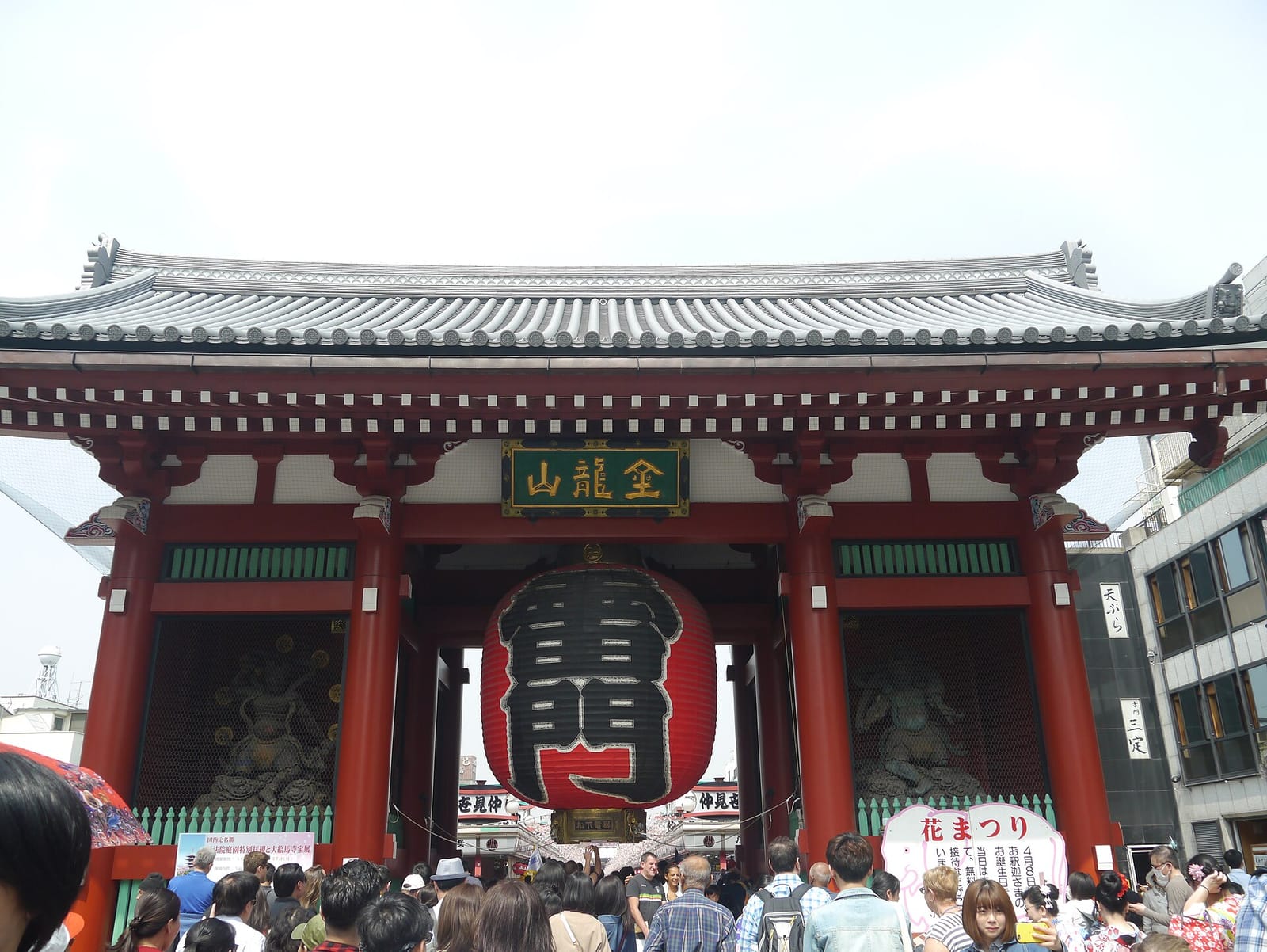
- Senso-ji Temple: Tokyo's oldest temple and one of its most significant. The grand Kaminarimon Gate (Thunder Gate) with its giant lantern is iconic. Entry to the temple grounds is free and open 24/7, though the main hall closes around 5:00 PM.
- Nakamise-dori: The bustling shopping street leading up to Senso-ji Temple, selling traditional Japanese souvenirs, snacks, and crafts. Be prepared for crowds, but it's part of the experience.
- Hozomon Gate: The second gate of Senso-ji, housing two massive straw sandals (waraji) said to ward off evil.
- Sumida River Cruise: Take a scenic cruise from Asakusa to Odaiba (or vice versa) for unique city views, including the Tokyo Skytree and Rainbow Bridge. Prices vary but a one-way trip to Odaiba is around ¥1,500 (approx. ₹840).
- Tokyo Skytree: While not technically in Asakusa, it’s a prominent landmark visible from the area and easily accessible. The observation decks offer stunning views. Entry to Tembo Deck (350m) is ¥2,100 (approx. ₹1,176) and Tembo Galleria (450m) is an additional ¥1,000 (approx. ₹560).
Indian Food Anchors in Asakusa: Given its tourist-heavy nature, Asakusa has a decent scattering of international restaurants, including Indian. Look around the main streets leading to the temple and near the subway stations. You'll find typical North Indian curry houses with a range of vegetarian options. Many Japanese restaurants also offer vegetarian-friendly dishes like plain udon/soba (confirm dashi broth ingredients), tempura (vegetable tempura), or tofu dishes. Halal options might be limited, so using apps like "Halal Gourmet Japan" is recommended to pinpoint specific eateries.
Hotel Strategy in Asakusa: Asakusa offers good value for money compared to Shinjuku or Shibuya, with many mid-range and budget hotels. You can find comfortable rooms for ¥10,000 - ¥16,000 (approx. ₹5,600 - ₹8,960) per night. It's well-connected by the Ginza and Asakusa subway lines. This district is ideal if you prefer a more traditional, relaxed atmosphere, enjoy cultural sights, and appreciate slightly lower accommodation costs.
Cultural Sensitivity: When visiting Senso-ji Temple, remember it is an active place of worship. Dress respectfully, remove hats inside temple buildings, and avoid loud conversations. Many visitors perform omikuji (fortune-telling) or light incense – observe respectfully.
Akihabara: The Electric Town for Anime and Gadget Enthusiasts
Akihabara, affectionately known as "Akiba," is the global epicenter for Japanese pop culture, electronics, anime, manga, and gaming. It’s a sensory overload in the best possible way.
Interests:
- Electronics Shopping: From cutting-edge gadgets to vintage electronics, Akihabara's main street (Chuo-dori) and side streets are lined with multi-story stores like Yodobashi Akiba and Laox. You can find tax-free shopping for tourists here.
- Anime and Manga: Explore stores like Animate, Mandarake, and countless smaller shops for figurines, collectibles, manga, and anime merchandise.
- Gaming Arcades: Immerse yourself in the vibrant world of Japanese arcades like Taito Station or SEGA, playing everything from crane games to rhythm games.
- Maid Cafes: A unique Akihabara experience where waitresses dressed as maids serve food and entertain guests with cutesy performances. While interesting, understand it's a niche cultural experience.
- Retro Gaming Stores: Discover classic consoles and games from past decades.
Indian Food Anchors in Akihabara: Akihabara has a surprising number of Indian restaurants, likely due to its popularity with international tourists. You'll often find them tucked away on upper floors of buildings. Many offer lunch sets that are excellent value, typically around ¥1,000 - ¥1,500 (approx. ₹560 - ₹840) for a curry, rice/naan, and salad. Vegetarian thalis are common. For halal food, Akihabara is actually one of the better districts, with several establishments specifically catering to Muslim travelers, often serving Indian or Turkish cuisine. Always check for certification.
Hotel Strategy in Akihabara: Hotels in Akihabara offer a good balance of connectivity and price. You can find modern business hotels for ¥11,000 - ¥17,000 (approx. ₹6,160 - ₹9,520) per night. It's served by the JR Yamanote Line and multiple subway lines, making it convenient. Akihabara is perfect for tech enthusiasts, anime fans, and those who want a lively, unconventional base with good food options.
Travel Tip for Electronics: While tax-free shopping is available, research prices online before buying. Sometimes, prices for specific electronics might be competitive back home, or better deals can be found in other stores. Ensure voltage compatibility for your devices in India/Bangladesh (Japan uses 100V).
Ginza: The Epitome of Luxury and Elegance
Ginza is Tokyo's premier luxury shopping and entertainment district, known for its high-end boutiques, department stores, art galleries, and upscale dining. It's where tradition meets contemporary sophistication.
Interests:
- Luxury Shopping: Explore flagship stores of international brands like Louis Vuitton, Chanel, and Gucci, as well as renowned Japanese department stores like Mitsukoshi and Wako.
- Kabuki-za Theatre: Experience traditional Japanese Kabuki theatre. Tickets can be purchased for a single act (hitomaku-mi) for around ¥1,000 - ¥4,000 (approx. ₹560 - ₹2,240), offering a glimpse without committing to a full four-hour performance. English audio guides are available.
- Art Galleries: Ginza is home to numerous art galleries, showcasing both traditional and contemporary Japanese art.
- Architecture: Admire the striking modern architecture of the luxury brand buildings.
- Chuo-dori: Ginza's main street is closed to vehicle traffic on weekend afternoons, transforming into a pedestrian paradise.
Indian Food Anchors in Ginza: Ginza hosts a selection of upscale international dining, including some refined Indian restaurants that often focus on regional Indian cuisine or offer a contemporary twist. Prices here will be higher than in other districts. Expect to pay ¥3,000 - ¥6,000 (approx. ₹1,680 - ₹3,360) or more per person for a proper meal. Vegetarian options will be available but always confirm. For more budget-friendly eats, you might need to venture slightly out of the immediate Ginza core to areas like Yurakucho or Shimbashi. Halal options are scarcer in Ginza; dedicated searches are essential.
Hotel Strategy in Ginza: Hotels in Ginza are generally at the higher end of the price spectrum, often starting from ¥20,000 (approx. ₹11,200) per night. This district is best for travelers with a generous budget who prioritize luxury, fine dining, and cultural experiences like Kabuki. It's well-connected by multiple subway lines.
A Glimpse into Ginza's Elegance: Even if luxury shopping isn't on your agenda, a stroll through Ginza on a Sunday afternoon when Chuo-dori is pedestrian-only offers a unique atmosphere. Pop into a department store's basement food hall (depachika) for an incredible array of gourmet foods and desserts – a fascinating (and sometimes budget-friendly) culinary experience.
Navigating Food: Vegetarian, Halal, and Budget Considerations
Food anxiety is a common concern for Indian and Bangladeshi travelers. Here’s a comprehensive approach:
Vegetarian Food (Shakahari):
- Indian/Nepali Restaurants: Your safest bet. Many offer thalis, curries, and breads with clear vegetarian markings. Don’t hesitate to ask "Kore wa bejitarian desu ka?" (Is this vegetarian?) or "Niku nashi?" (No meat?).
- HappyCow App: An invaluable resource for finding vegetarian and vegan restaurants worldwide, including Tokyo.
- Convenience Stores (Konbini): 7-Eleven, FamilyMart, Lawson are everywhere. Look for plain onigiri (rice balls – check for fish flakes or dashi!), fruit, salads (check dressing), plain bread, and sometimes pre-packaged vegetarian sandwiches.
- Supermarkets: Large supermarkets (e.g., Seiyu, Ito-Yokado) offer fresh produce, bread, and often pre-made bento boxes with vegetarian options (again, check ingredients).
- Tempura/Udon/Soba: Many restaurants offer vegetable tempura, but ensure the broth for udon/soba isn't dashi (fish stock). Ask for "dashi nashi" (no dashi).
- Mister Donut/Starbucks: Safe bets for quick vegetarian snacks and coffee.
- "Omakase" (Chef's Choice): Be cautious with this, as it almost always includes seafood/meat unless specifically requested as vegetarian omakase at a specialized restaurant.
Halal Food:
- Halal-Certified Restaurants: Look for the "Halal" logo or certification. Websites and apps like "Halal Gourmet Japan" are excellent for locating these. Many are Indian, Pakistani, Turkish, or Middle Eastern.
- Asking is Key: Learn phrases like "Halal desu ka?" (Is this halal?) or "Butaniku nashi?" (No pork?).
- Fish and Seafood: Generally considered permissible (halal) by most, but confirm if it's prepared separately from non-halal items.
- Alcohol: Most Japanese dishes use mirin or sake in cooking. If strict, ask "Osake nashi?" (No alcohol?).
- Prayer Spaces: Some major airports (Narita, Haneda) and larger department stores have prayer rooms.
Budget Food (approx. ₹):
- Lunch Sets: Many restaurants, especially Indian/Asian, offer fantastic lunch deals for ¥800 - ¥1,500 (₹448 - ₹840).
- Ramen/Udon/Soba Shops: A bowl can cost ¥700 - ¥1,200 (₹392 - ₹672). Look for vegetarian broth options.
- Convenience Stores: A quick and easy meal (onigiri, sandwich, drink) for ¥500 - ¥800 (₹280 - ₹448).
- Supermarket Bento/Ready Meals: Often discounted in the evenings, a bento box can be ¥400 - ¥800 (₹224 - ₹448).
- Street Food (Asakusa, Ueno Ameyoko): Varies, but you can find snacks for ¥200 - ¥500 (₹112 - ₹280).
Key Takeaways
- Connectivity is King: Prioritize hotels near JR Yamanote Line stations or major subway hubs for efficient travel across Tokyo.
- IC Cards Simplify Travel: Get a Suica or Pasmo card immediately upon arrival for seamless public transport. Consider a Tokyo Subway Ticket for heavy subway use.
- Budgeting in INR: Tokyo can be expensive, but careful planning for accommodation (₹5,600 - ₹11,200/night for mid-range), food (₹1,500 - ₹3,000/day), and transport (₹500 - ₹1,000/day) makes it manageable.
- Food Pre-Planning is Essential: Utilize apps like HappyCow and Halal Gourmet Japan, or identify Indian/Nepali restaurants in advance to manage vegetarian and halal dietary needs. Don't be afraid to ask about ingredients.
- District Diversity: Each district offers a unique experience. Mix modern hubs like Shinjuku/Shibuya with traditional Asakusa and niche Akihabara to get a full taste of Tokyo.
- Book in Advance: For popular attractions like Shibuya Sky, Robot Restaurant (if interested), or specific hotel choices, booking weeks or even months ahead is crucial, especially during peak seasons.
- Embrace the Convenience Stores: They are lifesavers for quick meals, snacks, drinks, and even basic toiletries, often with surprisingly good quality.
FAQ
Q. Is a Japan Rail Pass worth it for just a Tokyo trip? A. No, typically a Japan Rail Pass is not cost-effective for only exploring Tokyo and its immediate surroundings. Its value comes from extensive long-distance travel across Japan. For Tokyo, an IC card (Suica/Pasmo) combined with a Tokyo Subway Ticket (if you use subways frequently) is usually more economical and convenient.
Q. How much cash should I carry in Tokyo? A. While credit cards are widely accepted in major stores, hotels, and restaurants, many smaller establishments, particularly in areas like Golden Gai, street food vendors, and some local eateries, are cash-only. It's advisable to carry ¥10,000 - ¥20,000 (approx. ₹5,600 - ₹11,200) in cash for daily expenses. ATMs are readily available at convenience stores (7-Eleven, Lawson, FamilyMart) that accept international cards.
Q. Is it difficult to find vegetarian food in Tokyo? A. It can be challenging if you don't know where to look, as many traditional Japanese dishes use dashi (fish broth) or hidden meat ingredients. However, with the increasing awareness, many Indian/Nepali restaurants cater specifically to vegetarians, and apps like HappyCow are excellent. Learning a few key Japanese phrases like "niku nashi" (no meat) and "sakana nashi" (no fish) can also be very helpful.
Q. What's the best way to get from Narita (NRT) or Haneda (HND) Airport to central Tokyo? A. From Narita, the Narita Express (N'EX) to Tokyo Station, Shinjuku, or Shibuya is fast and comfortable (approx. ¥3,250 - ¥3,500, or ₹1,820 - ₹1,960). The Keisei Skyliner to Ueno or Nippori is another quick option. From Haneda, the Keikyu Line to Shinagawa or the Tokyo Monorail to Hamamatsucho offer excellent connections to JR lines. Costs are generally lower from Haneda, around ¥500 - ¥700 (₹280 - ₹392).
Q. Can I use my Indian/Bangladeshi driving license in Japan? A. No, an Indian or Bangladeshi driving license is not valid in Japan. You will need an International Driving Permit (IDP) issued under the 1949 Geneva Convention. Ensure you obtain this from your home country's motor vehicle authority before you travel to Japan. Without it, you cannot legally drive.
More from this region — Tokyo & Kanto
View all →
Tokyo to Karuizawa Group Trips: A Cool Weekend Escape
9 min · tips
Tokyo’s Red Leaves at Night 2026: Rikugien, Chinzanso, Takao, and Gaien
20 min · tips

Tokyo 2026 Fall Foliage Calendar: Which Week Is Best, and Where
16 min · tips

Okutama – Mitake in 2 days, 1 night: an autumn escape without leaving Tokyo
18 min · tips