

Soak in Japan’s Highest Onsen Amid Tateyama’s Autumn Leaves
Milky sulfur water at Mikurigaike, 2.410m; a ryokan stay in Omachi Onsenkyo; and how first-time visitors can fit a half-day hot-spring stop into an Alpine Route itinerary.
Aug 12, 2026·✍️ olablog·⏱ 17 min read
Milky sulfur water at Mikurigaike, 2.410m; a ryokan stay in Omachi Onsenkyo; and how first-time visitors can fit a half-day hot-spring stop into an Alpine Route itinerary.
Tap a region to browse articles
There is one moment anyone who has visited Mikurigaike in autumn remembers forever: you soak in steaming, milky sulfur water, slide open the door, and get hit full in the face by the 5-degree cold at an altitude of 2.410 meters. Steam rises from your shoulders; ahead, the Tateyama slopes are splashed with the gold and red of nanakamado trees and fading brown-gold kusamomiji, the “autumn grass” carpet, while a few streaks of the season’s first snow cling to the distant peaks. That feeling — half your body still radiating warmth, the other half shivering in the mountain wind — is something no lowland onsen can give you.
The Tateyama–Kurobe Alpine Route is famous for its April snow walls, but seasoned visitors will tell you that autumn is when the route is truly “worth the money”: clearer skies, less rain than in summer, foliage changing color from summit to foothills over more than a month, and the hot-spring facilities along the route entering their final weeks before closing for winter. In other words, you can cross the route for the scenery while also soaking in Japan’s highest hot spring — something even many Japanese people have never done.
In this article, OlaChill takes a close look at a side of the Alpine Route that few people write about: onsen around the route during the fall foliage season. We’ll cover Mikurigaike Onsen on Murodo, the Omachi Onsenkyo ryokan cluster on the Nagano side for the night before or after crossing the route, how to fit a half-day onsen stop into an already packed one-day itinerary, and all the basic onsen etiquette for first-timers who are still feeling unsure.
What autumn is like on the Alpine Route
The Tateyama–Kurobe route has an enormous range of elevations — from a few hundred meters at the base of the mountains to Murodo at 2.450 meters — so the fall colors don’t arrive all at once. Instead, they “flow” gradually downhill. Around Murodo, the foliage is usually at its best from late September to early October; Midagahara follows from early to mid-October; the area around Kurobe Dam and Lake Kurobe peaks from mid- to late October; and the foothills on both sides stretch into early November. That gives you a window of more than a month to visit, and no matter when you go, you’re likely to catch beautiful foliage at one elevation or another.
The Japanese have a wonderful term for the region’s mid-autumn scenery: sandan koyo — “three-tiered autumn colors.” This refers to the period from early to mid-October, when the mountain peaks are already covered in white snow, the middle slopes blaze red and gold, and the valleys below are still deep green. Three colors layered in a single frame — and if you’re lucky, you can admire the view from steaming hot water.
One thing to remember: the Alpine Route only remains open until around late November before closing completely for winter, and mountain facilities such as Mikurigaike Onsen often stop accepting guests a little earlier. Visiting in autumn means you’re traveling during the final weeks of the season, so always check the route’s official operating schedule before finalizing your tickets.
Mikurigaike Onsen — Japan’s highest hot-spring bath
From Murodo Station to the milky water
Mikurigaike Onsen sits at an elevation of 2.410 meters and is considered the highest accessible hot-spring facility in Japan. It is not some grand “resort” — it is essentially a mountain lodge (sansou) with a bathhouse, standing alone beside the deep-blue volcanic crater lake Mikurigaike, about a 15-minute walk along a paved stone path from Murodo Station — the highest point on the Alpine Route.
That 15-minute walk is an experience in itself during autumn. The stone path follows Mikurigaike; on still days, the lake reflects the entire three-peaked Tateyama range, golden foliage, and early snow. The view is so beautiful that you’ll spend a good amount of time there before remembering that you’re on your way to take a bath. The onsen water is piped in from Jigokudani — the “valley of hell” — an area nearby where sulfurous volcanic gases billow from the ground. Note that the walking path through Jigokudani has long been closed because of the concentration of volcanic gases. You can only view it from a distance, and when the wind shifts, the unmistakable smell of rotten eggs can reach all the way to Murodo.
The water at Mikurigaike is rich in sulfur, milky white, and piped directly from the source without dilution — the gensen kakenagashi style that onsen enthusiasts seek out. The bath is indoors, with windows overlooking the mountain slopes. It is not an open-air rotenburo, but at this altitude, soaking in hot water while watching snow and autumn leaves through the glass is still a rare privilege. Day-use bathing costs around 1.000 yen and is available to daytime visitors, usually from around midday through the middle of the afternoon; the price and hours may change from year to year, so check the lodge’s official website before you go.
How to soak safely at 2.400 meters
Bathing at a high-altitude onsen is slightly different from bathing down in the lowlands. The air is thinner and your heart is already working harder than usual, so don’t soak as though you need to “make the climb worthwhile.” The safe formula is: soak for 5–10 minutes, get out and sit down to rest, drink some water, then take another round if you feel like it. Your total time in the water should stay under 20–30 minutes. Stand up slowly — postural hypotension can make you feel much dizzier at this altitude.
There are a few sulfur-water quirks that first-timers often discover the hard way: remove all silver and metal jewelry before entering, because sulfur water can turn silver black almost immediately. Sensitive skin may feel a little tingly — that is normal, but get out early if it starts to burn. The sulfur smell can cling to your skin and hair until the following day. Many people, myself included, consider that a “souvenir to take home,” but if you’d rather not, rinse thoroughly with fresh water after soaking. One more note: at high-altitude facilities inside the national park, the use of soap and shampoo is often restricted to protect the water sources — come here to “soak,” not to “wash and shampoo” in the usual sense.
Visit during the day or stay overnight?
For most people crossing the route in a single day, daytime bathing is the practical option: add around 1,5–2 hours to your Murodo schedule — 15 minutes walking each way, 30–40 minutes for the bath, plus time to admire the lake — and that should be enough. But if you can make it work, consider staying overnight at Mikurigaike Onsen or one of the lodges around Murodo. The reason is simple: autumn sunsets and sunrises on Murodo are in another league. Once the day-trippers have all left, the plateau falls silent, and on clear nights the stars at 2.400 meters are almost absurdly bright. Taking a morning soak before stepping outside to look over a sea of clouds below is the kind of experience you’ll still be talking about years later. The rooms here are simple mountain-lodge accommodations and usually need to be booked well in advance during the foliage season, especially on the final weekends of September and the first weekends of October.
Omachi Onsenkyo — a ryokan night at either end of your route crossing
Why stay here instead of in a major city?
On the Nagano side, the gateway to the Alpine Route is Ogizawa, and the nearest town is Omachi, home to Shinano-Omachi Station. Between the two, along the road taken by buses from the station to Ogizawa, lies Omachi Onsenkyo — a cluster of ryokan and hot-spring hotels tucked into pine and broadleaf forests along the Takase River valley, about 15 minutes by car from Shinano-Omachi Station.
This location is its biggest advantage. If you cross from Toyama to Nagano, arriving at Ogizawa means you can simply board a downhill bus and be sinking into a hot bath in less than half an hour, instead of spending several more hours on trains and buses getting to Matsumoto or Nagano. Conversely, if you travel from Nagano toward Toyama, staying at Omachi Onsenkyo the night before lets you catch an early bus to Ogizawa and enter the route ahead of the tour groups — a major difference during peak foliage season, when the Tateyama Ropeway can have long lines.
The water at Omachi Onsenkyo comes from sources in the upper Takase valley and is a gentle, clear, nearly odorless simple hot spring — an interesting contrast with the intensely sulfurous water at Mikurigaike. It is comfortable for sensitive skin and young children alike. In autumn, many ryokan have open-air rotenburo surrounded by forest; soak in the evening while listening to the wind moving through the leaves, then wake to find the woodland around the bath glowing gold. This is the classic “autumn-leaf onsen” experience that is hard to find in major cities.
Choosing a place to stay and bathing during the day
Omachi Onsenkyo offers a wide range of options: from traditional ryokan serving multi-course kaiseki dinners made with Shinshu mountain ingredients — wild vegetables, river fish, Nagano beef, and handmade soba — to large onsen hotels accustomed to hosting tour groups and offering more affordable rates. Here’s my advice: if this is your “treat-yourself night” after a tiring day on the route, choose a ryokan with a rotenburo and dinner on-site — once you check in, you won’t need to step outside again. If you’re traveling on a budget, choose a room-only stay and eat near Shinano-Omachi Station before heading in.
You can also bathe without staying overnight: the area has public day-use bathhouses, often referred to as Yakushi no Yu, which are convenient if you just want a quick soak before boarding a train out of Omachi. Many ryokan also accept day visitors during afternoon hours — simply ask at the front desk. Some do, some don’t, depending on the day.
Fitting a half-day onsen stop into your Alpine Route itinerary
Crossing the entire Alpine Route in one day already takes around 6–8 hours, including waiting time for the various ropeways and buses. To add an onsen without turning the day into a frantic race, decide in advance where you want to soak and which stops you’re willing to shorten. Here are two schedules tested with the writer’s own feet.
Option 1: Toyama to Nagano, with a midday soak at Mikurigaike
- Early morning: Take a local train from Toyama to Tateyama Station, then board the cable car and highland bus. Leave as early as possible — during the foliage season, a late departure means lining up at every stage.
- Mid-morning: Arrive at Murodo. Walk around Mikurigaike for the scenery and photograph the reflections while the wind is still calm; the lake is usually smoother in the morning than in the afternoon.
- Noon: Soak at Mikurigaike Onsen for 30–40 minutes, then have lunch at the lodge or return to Murodo Station to eat.
- Early afternoon: Leave Murodo and continue across the mountains via Daikanbo and Kurobedaira — the route’s best two balconies for viewing the “three-tiered autumn colors” — before descending to Kurobe Dam. Walk across the dam and, if you still have time, go up to the observation deck.
- Late afternoon: Continue to Ogizawa, take the bus down to Omachi Onsenkyo, and check in at your ryokan. Enjoy a second rotenburo soak in the evening, have kaiseki dinner, and go to bed early. Two different kinds of mineral water in one day — worth it, right?
Option 2: Nagano to Toyama, staying in Omachi the night before
- The night before: Arrive at Omachi Onsenkyo, enjoy a rotenburo soak, and go to bed early.
- Morning: Take an early bus to Ogizawa and enter the route before peak hours. See Kurobe Dam in the early sunlight, then gradually climb toward Murodo, arriving before noon.
- Noon: Walk around Mikurigaike, bathe at Mikurigaike Onsen, and have lunch.
- Afternoon: Continue toward Toyama, making a quick stop at Midagahara if the middle-altitude foliage is at its peak, then descend to Tateyama Station and return to Toyama for the night or continue on to Kanazawa.
Option 2 works well for travelers flying into Tokyo, then taking a train to Nagano followed by a bus or train toward Omachi. Option 1 is better for those starting from the Sea of Japan side. Both give you a proper ryokan night on either side of your route-crossing day.
Luggage and ticket tips
Don’t drag a suitcase across the route. The cable cars and buses have no room for large luggage, and you’ll struggle every time you change vehicles. The route offers a same-day luggage-forwarding service from one end to the other — drop it off in the morning and collect it on the other side in the afternoon — for a fee and only during certain seasons. Check the conditions on the route’s official website. Carry only a small backpack: a small towel, warm layers, water, and cash, since not every place in the mountains accepts cards.
As for tickets, weekends during the foliage season are extremely crowded, and some sections use advance reservations or numbered tickets. Buy a through-ticket in advance through the official channel if possible, and avoid weekends if your schedule is flexible — the difference between Tuesday and Saturday here is the difference between a relaxed journey and spending the entire day in line.
Onsen etiquette for first-timers
If this is your first time at an onsen, don’t worry — there are only a few rules, and once you follow them once, they’ll become second nature:
- Wash before entering the bath. The bathing area always has a row of shower stations with small stools. Sit down, rinse and scrub yourself clean, and only then enter the communal bath. This is the most important rule, with no exceptions.
- Enter the bath completely naked. No swimsuits and no underwear. Men’s and women’s areas are separate — blue curtains are usually for men and red for women, but check the characters 男/女 to be sure. It may feel awkward for the first few minutes, but nobody is looking at anyone else.
- Keep the small towel out of the bathwater. Fold it and place it on your head or on the edge of the bath. Leave the large bath towel in the changing area.
- Tie up long hair so it does not touch the water.
- Don’t swim, splash, or speak loudly. An onsen is a place to relax, not a swimming pool.
- Never take photos in the bathing area, even when nobody else is around.
- Do not drink alcohol immediately before soaking — hot water combined with alcohol is a recipe for low blood pressure, and it is even more dangerous at 2.400 meters.
- Drink water before and after bathing. Hot-water soaking dehydrates you more than you might expect.
- Tattoos: many traditional onsen still turn away guests with large tattoos. Small tattoos may be covered with a patch; the safest approach is to ask before buying a ticket or choose a ryokan with a private bath that can be rented by the hour (kashikiri buro) — many places in Omachi Onsenkyo offer this service.
- After soaking in gentle mineral water, such as at Omachi, you do not need to rinse so the minerals remain on your skin. With strongly sulfurous water like Mikurigaike, however, people with sensitive skin should rinse lightly with fresh water.
Special tips for autumn in the high mountains
By late September, Murodo is already as cold as early winter down in the lowlands. In October, daytime temperatures often hover around 5 degrees, and the first snow can fall at any time from the middle of the month onward. Dress in layers, bring a windproof jacket, thin gloves, and shoes with good traction — the stone path around Mikurigaike can freeze and become slippery in the early morning. After bathing, dry your hair thoroughly before going outside; wet hair meeting 5-degree mountain wind is the quickest way to end your trip with a cold.
Mountain weather changes extremely quickly: brilliant golden sunshine in the morning followed by dense fog at noon is perfectly normal. Don’t pin all your hopes on one specific photograph. Consider being able to soak in hot water amid the 2.400-meter autumn landscape — whether under sunshine or fog — a reward in itself. And one final reminder: autumn is the route’s late season, so check everything from departure times to each facility’s closing date on the official website a few days before you travel.
Frequently asked questions
Can I visit Mikurigaike Onsen for a day bath, or do I have to stay overnight? Yes. The lodge accepts day visitors for daytime bathing (higaeri nyuyoku), for a fee of around 1.000 yen. The exact hours vary by season and year, so check the lodge’s official website before planning your visit.
Is there enough time to visit an onsen when crossing the Alpine Route in one day? Yes, if you take an early departure and accept shorter stops at a few other attractions. A soak at Mikurigaike requires adding around 1,5–2 hours to your schedule. If that feels too tight, an alternative is to walk around the lake at Murodo and save your onsen time for a ryokan night at Omachi Onsenkyo.
When are the fall colors at their best along the route? Around Murodo, from late September to early October; around Kurobe Dam, from mid- to late October; and at the foothills, into early November. To see the “three-tiered autumn colors” — white snow, red leaves, and green forest — aim for early to mid-October and check the foliage reports before you go, since the timing can vary by as much as a week from year to year.
I have tattoos. Can I bathe at the onsen facilities mentioned in this article? At a mountain bathhouse such as Mikurigaike, the atmosphere is often more relaxed, but you should still ask in advance. At Omachi Onsenkyo, the most reliable option is to choose a ryokan with a private bath rented by the hour or a room with its own mineral bath, or use a small tattoo-covering patch.
Can sulfur water damage skin or jewelry? Sulfur water turns silver jewelry black very quickly, so remove everything before entering. For your skin, most people find that bathing leaves it feeling soft and smooth, but sensitive skin may tingle slightly — keep your soak short and rinse with fresh water afterward. Pregnant women and people with heart conditions or blood-pressure problems should consult a doctor before bathing in hot water at high altitude.
Is it better to stay at Omachi Onsenkyo or Murodo? The two offer completely different experiences. Murodo gives you high-mountain sunsets, starry skies, and sunrises, but the rooms are simple mountain-lodge accommodations and must be booked early. Omachi Onsenkyo offers a proper ryokan night with a forest rotenburo and kaiseki dinner, with a wider range of prices to choose from. If you have two nights, do both — that is the dream autumn itinerary for this region.
More from this region — Chubu (Nagano, Kanazawa)
View all →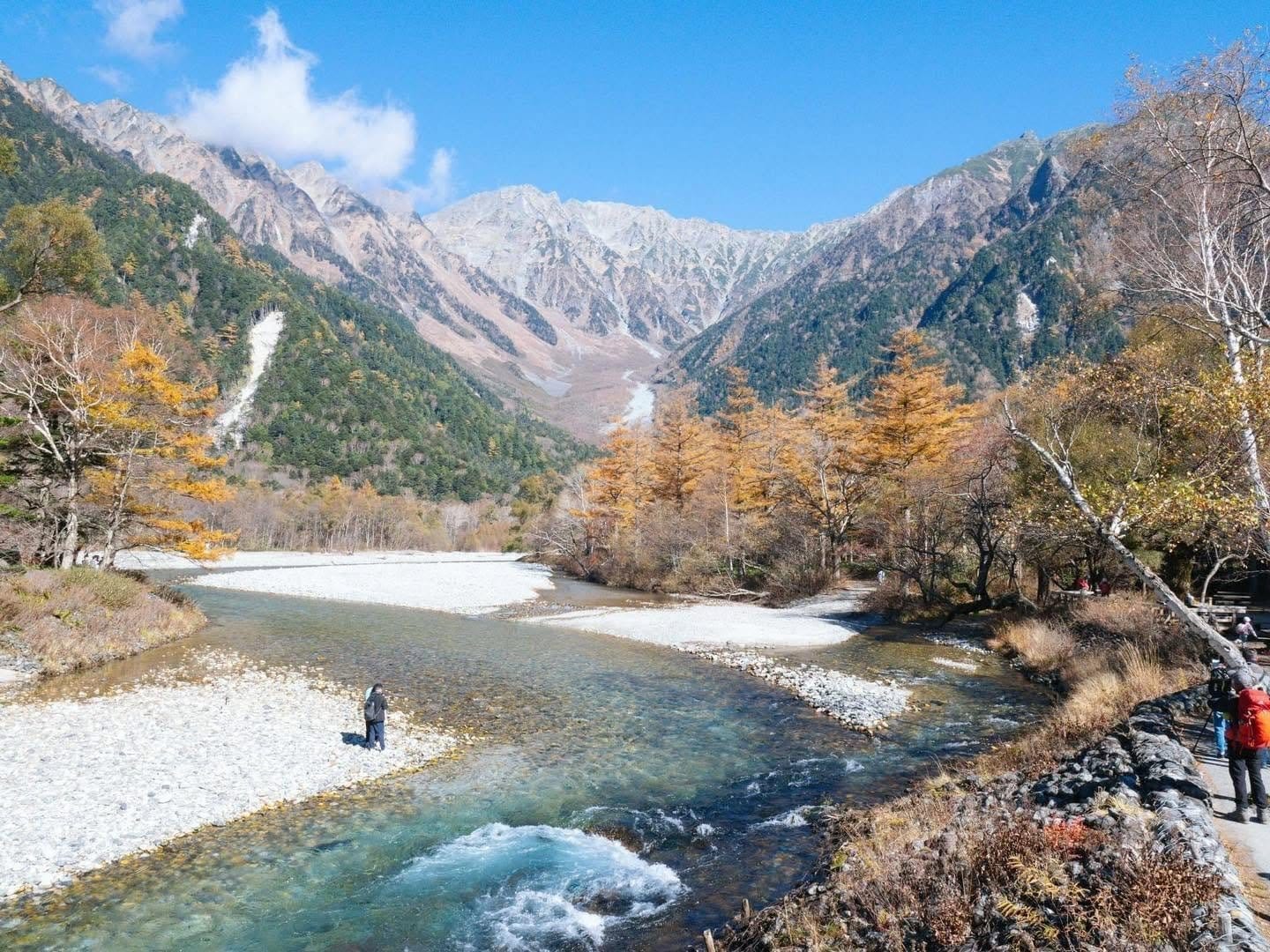
Kamikochi–Hakuba 2-Day Autumn Tour: Should You Take a Tour or Go Independently?
11 min · tips
Venus Line, Nagano – Japan's Most Breathtaking Highland Drive
5 min · tips
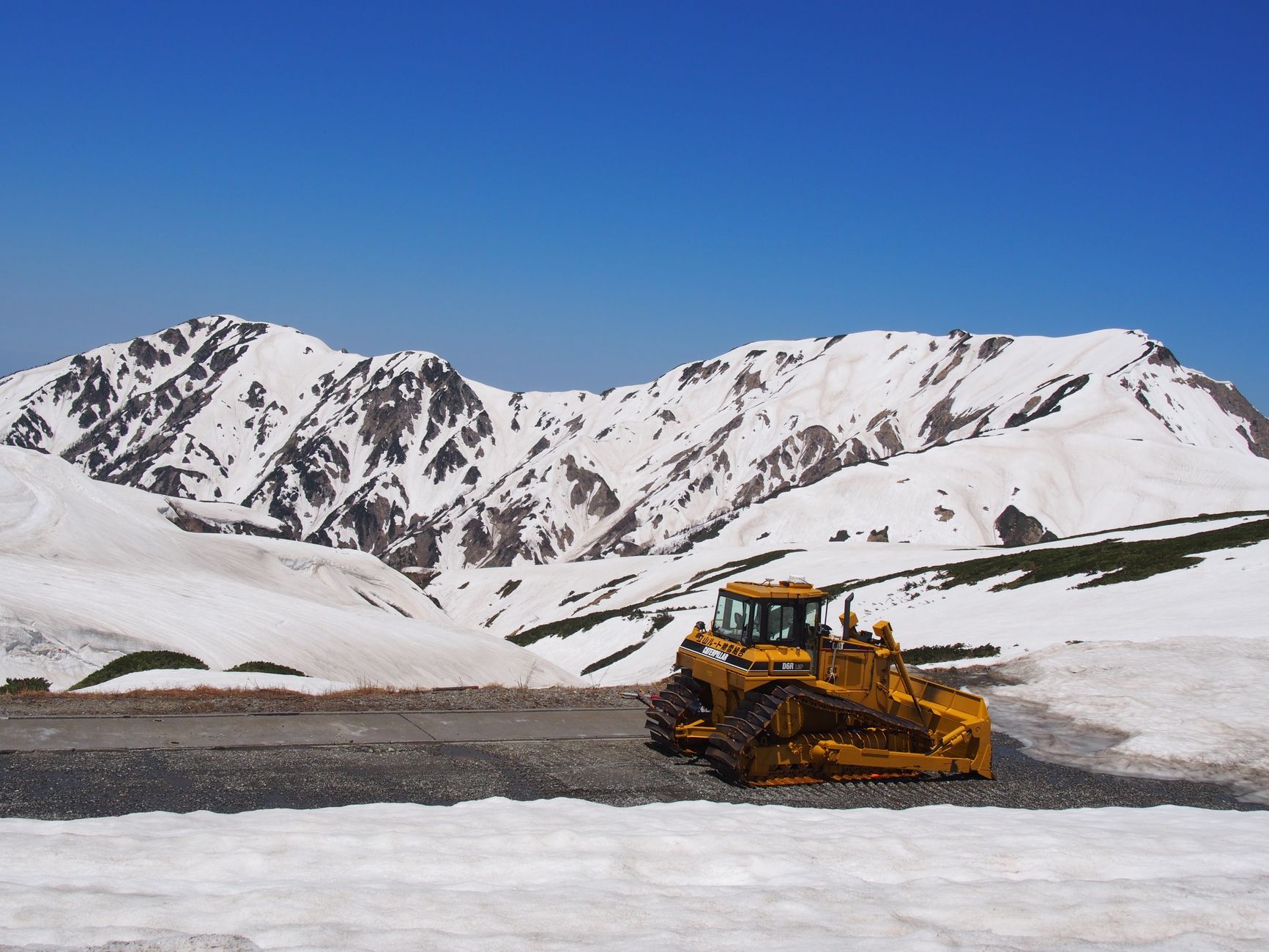
Tateyama Alpine Route Group Logistics: Drop-Off, Luggage and Snow Wall Planning
8 min · tips
Landing at Centrair on Match Day: A First-Day Plan With a Private Car
7 min · tips