
Tateyama Alpine Route Group Logistics: Drop-Off, Luggage and Snow Wall Planning
Plan a smooth Tateyama Alpine Route group trip with one-way bus logistics, luggage forwarding, snow wall timing and Coaster-class transport.
Aug 21, 2026·✍️ olablog·⏱ 8 min read
Plan a smooth Tateyama Alpine Route group trip with one-way bus logistics, luggage forwarding, snow wall timing and Coaster-class transport.
Tap a region to browse articles
Why the Tateyama Alpine Route needs a logistics plan
The Tateyama Kurobe Alpine Route is one of Japan’s most memorable mountain journeys, linking Ogizawa in Nagano Prefecture with Tateyama Station in Toyama Prefecture. Along the way, travelers connect by several forms of transport, including electric buses, a ropeway, a cable car and other mountain transit services.
That variety is part of the experience—but it also means a normal round-trip sightseeing bus plan does not work. Private vehicles cannot drive across the entire route. Your group needs to enter at one end, travel over the mountains using the official Alpine Route transportation, and meet your charter bus at the other end.
For groups of roughly 15–29 travelers, a 26–29-seat Toyota Coaster-class minibus is a practical solution. It can carry your group between hotels, stations and sightseeing stops without requiring everyone to split into several taxis. The key is arranging the bus as a one-end drop-off and one-end pick-up service, rather than asking the driver to wait while your group crosses the mountain.
The basic one-way bus arrangement
There are two main directions:
- Nagano to Toyama: Drop off near Ogizawa, cross the Alpine Route, then meet the bus near Tateyama Station.
- Toyama to Nagano: Drop off near Tateyama Station, cross the route, then meet the bus near Ogizawa.
Your driver takes the vehicle around the mountain by road while your group uses the official route. This avoids trying to send a private bus through a transport corridor that is not open to ordinary charter vehicles.
A good itinerary usually includes:
- A hotel or airport pick-up before the Alpine Route.
- A comfortable drive to the correct entrance station.
- Time to organize tickets, bags and group members before boarding.
- A full day for crossing the mountains.
- A prearranged meeting point at the opposite end.
- Continued transport to your next hotel, city or airport.
The route involves transfers and walking between platforms, so build in flexibility. Meeting instructions should be shared with every traveler in advance, especially if the group includes children, older passengers or people carrying camera equipment.
Why the Toyota Coaster class works well
A 26–29-seat minibus offers a useful middle ground between large coaches and multiple cars. It is spacious enough for a medium-sized tour group while remaining more adaptable on regional roads and hotel approaches.
It is particularly helpful when your itinerary includes:
- An airport transfer before or after the Alpine Route
- Several hotels in different areas
- A stop at Matsumoto, Toyama, Kanazawa or Takayama
- A group dinner or evening transfer after arrival
- A private guide or tour coordinator traveling with the group
The bus is not a substitute for the Alpine Route’s mountain transport. Instead, it handles the road sections before and after your crossing, keeping the group together and reducing the stress of navigating unfamiliar regional connections.
Luggage: do not carry everything over the mountain
The most common mistake is assuming that everyone should take a full suitcase across the Alpine Route. That can make transfers slower and more tiring, particularly when the route is busy or weather conditions change.
A better approach is to use a luggage-forwarding or luggage-delivery arrangement where available. Your large bags travel by road around the route, while the group carries only a small day bag for the mountain crossing. Availability, collection times, destinations and same-day delivery rules can vary by season and service counter, so confirm the current conditions before finalizing your itinerary.
Pack the day bag with:
- Passport, wallet and essential medication
- A phone charger or power bank
- Water and small snacks
- A light rain jacket
- Warm layers, even on a mild spring day
- Gloves, hat and sunglasses for the snow wall area
- A camera, if needed
Keep valuables and anything required during the crossing with you. Do not place passports, medication or important documents into forwarded luggage.
For larger groups, label every suitcase clearly with the traveler’s name, hotel and destination. A simple color-coded luggage tag system can save time when several bags look alike. Your tour leader should also keep a list of the number of bags being forwarded and the expected receiving location.
When to see the Tateyama snow walls
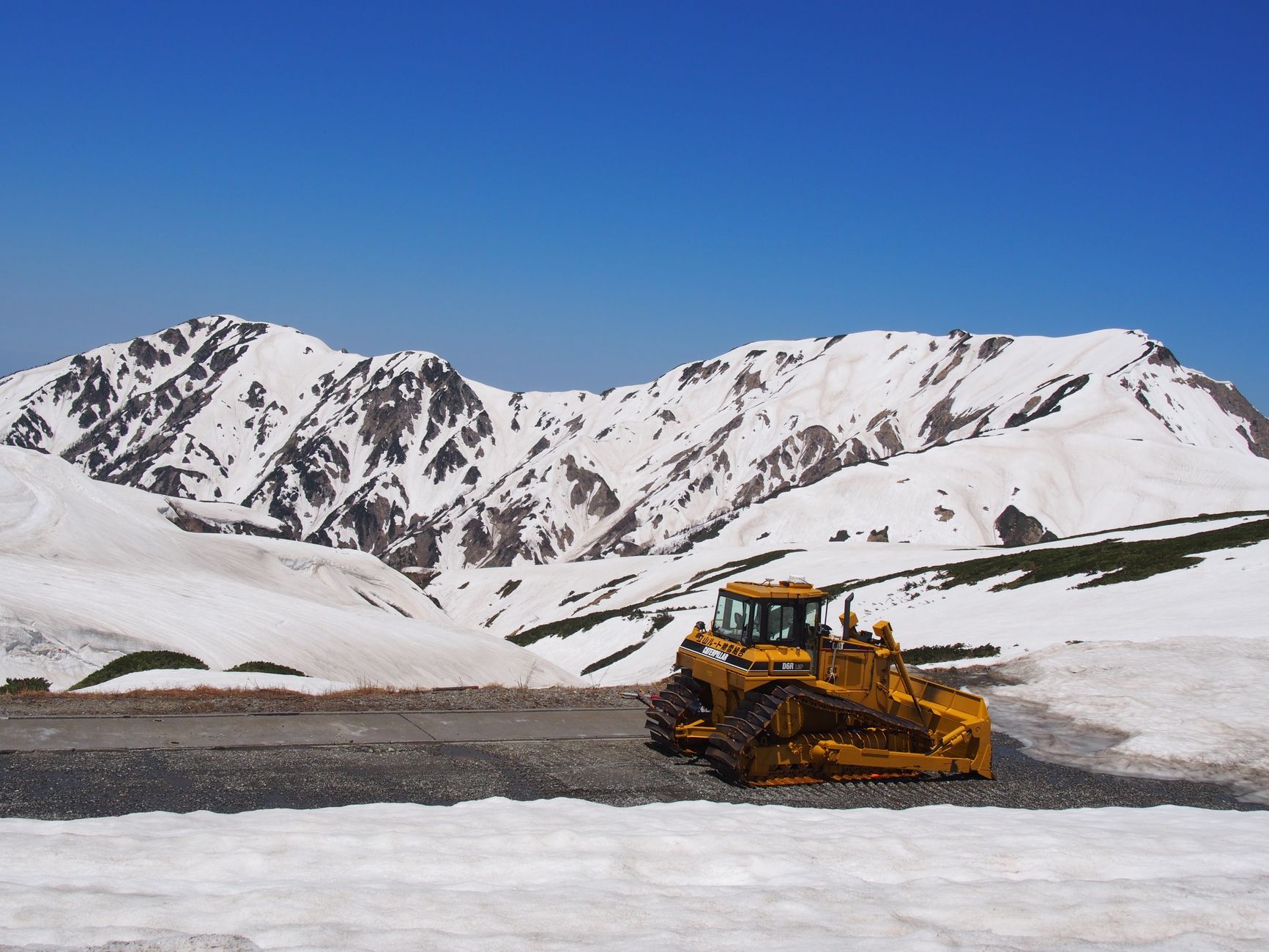
The famous snow walls, or Yuki-no-Otani, are created by clearing accumulated snow from the mountain road near Murodo. They are a seasonal attraction and are normally most impressive soon after the Alpine Route opens in spring.
The exact opening date, wall height and walking conditions depend on snowfall, weather and road clearance. In general, the strongest snow-wall experience is found during the spring opening period and the weeks that follow, often from April into June. Snow remains part of the scenery later in the season, but the walls gradually become lower as temperatures rise and snow melts.
What to wear
Mountain weather can feel very different from conditions in Toyama, Nagano or the cities below. Even when the valley is warm, Murodo may be cold, windy or wet.
Wear practical layers rather than one heavy coat:
- Moisture-resistant outerwear
- Warm fleece or a light insulated jacket
- Shoes with good grip
- Thick socks
- Gloves and a hat during the earlier spring period
Avoid relying on open sandals or smooth-soled fashion shoes. Paths may be wet, icy or uneven, and the walking area can become crowded.
Direction, timing and group coordination
The best direction depends on your wider Japan itinerary. A group staying in Nagano, Matsumoto or Tokyo may find Ogizawa convenient. Travelers continuing toward Toyama, Kanazawa or the Sea of Japan coast may prefer to begin near Tateyama Station.
Do not choose the direction based only on the map. Check:
- Your hotel’s exact location
- The first available route connection
- Expected waiting times
- Luggage delivery cut-off rules
- Your destination after the crossing
- Seasonal operating information
- Your group’s mobility and preferred pace
A charter bus can wait at the agreed receiving point, but the driver cannot control delays inside the Alpine Route. Give your group clear instructions for what to do if members are separated, and designate one meeting location rather than several possible places.
For a smooth arrival, share the following before departure:
- The bus company and vehicle description
- Driver or coordinator contact details
- The exact drop-off and pick-up points
- A photo or map of each meeting area
- The latest acceptable arrival time
- Instructions for delayed or missing travelers
Estimated charter planning costs
A 26–29-seat minibus is ¥69,000 for the 10-hour day, plus expressway tolls and parking. The exact quote comes from the booking form after your itinerary is reviewed.
Luggage-forwarding services and official Alpine Route tickets are separate costs. Confirm those directly through the relevant service channels and allow room in the schedule for collection and delivery procedures.
| Planning item | What your group should confirm |
|---|---|
| Bus route | Pick-up city, Alpine Route entrance and opposite-end meeting point |
| Vehicle | 26–29-seat Toyota Coaster-class minibus and luggage capacity |
| Luggage | Forwarding eligibility, collection deadline and receiving location |
| Seasonal visit | Snow-wall conditions, operating dates and mountain weather |
| Group timing | Route crossing duration, meeting instructions and delay procedure |
A practical sample structure
A simple itinerary might look like this:
- Morning: Pick-up from a Nagano-area hotel
- Late morning: Arrive at Ogizawa and begin the Alpine Route
- Daytime: Cross the mountain, stopping at the major viewpoints
- Afternoon or evening: Exit near Tateyama Station
- Evening: Meet the charter bus and continue to a Toyama-area hotel
The reverse arrangement works just as well for a group traveling from Toyama toward Nagano. Your driver’s road route and rest schedule should be planned separately from your mountain crossing time.
FAQ
Can a private charter bus cross the Tateyama Alpine Route?
No. The Alpine Route uses its own mountain transportation system. A charter bus drops your group at one entrance and collects everyone at the opposite end.
Can we take our large suitcases across the route?
You can, but it may be inconvenient. When available, luggage-forwarding services allow travelers to cross with smaller day bags. Confirm current rules, deadlines and destinations before travel.
Is the snow wall visible all year?
No. The snow wall is a seasonal spring attraction. It is generally most impressive soon after the route opens, with conditions changing according to snowfall and melting.
Is a 26–29-seat minibus suitable for our group?
It is often suitable for medium-sized groups, especially when the bus handles the road sections before and after the Alpine Route. The final vehicle choice depends on passenger numbers, luggage and the complete itinerary.
How early should we plan?
Start as soon as your travel dates and hotel areas are known. Spring demand, mountain weather and luggage arrangements can affect the best departure times and vehicle availability.
More from this region — Chubu (Nagano, Kanazawa)
View all →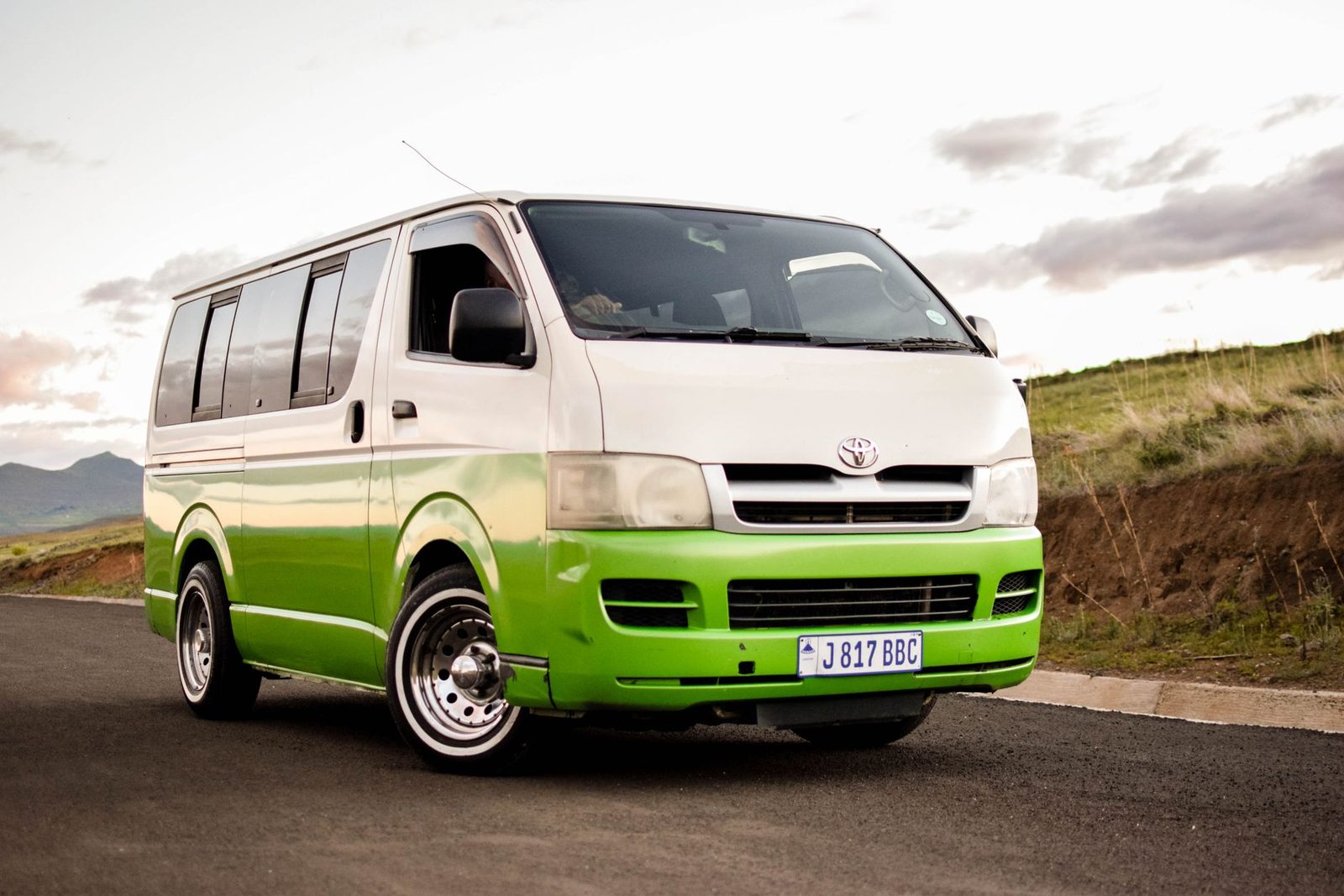
Landing at Centrair on Match Day: A First-Day Plan With a Private Car
7 min · tips
Hosting VIP Guests at Aichi-Nagoya 2026: Alphard and Luxury Car Transfers
7 min · tips
Coach or Train for Your Group at the Asian Games? An Honest Comparison
8 min · tips
Centrair Airport to Nagoya Hotels by Charter Coach During the Asian Games
7 min · tips