
Tateyama and a 4–5-Day Autumn Arc Around the Japanese Alps
A suggested itinerary linking the Alpine Route through the mountains with Kurobe Gorge, Kanazawa, Takayama, and Matsumoto into a closed-loop autumn foliage trip, with tips on choosing a direction and rail passes.
Aug 12, 2026·✍️ olablog·⏱ 15 min read
A suggested itinerary linking the Alpine Route through the mountains with Kurobe Gorge, Kanazawa, Takayama, and Matsumoto into a closed-loop autumn foliage trip, with tips on choosing a direction and rail passes.
Tap a region to browse articles
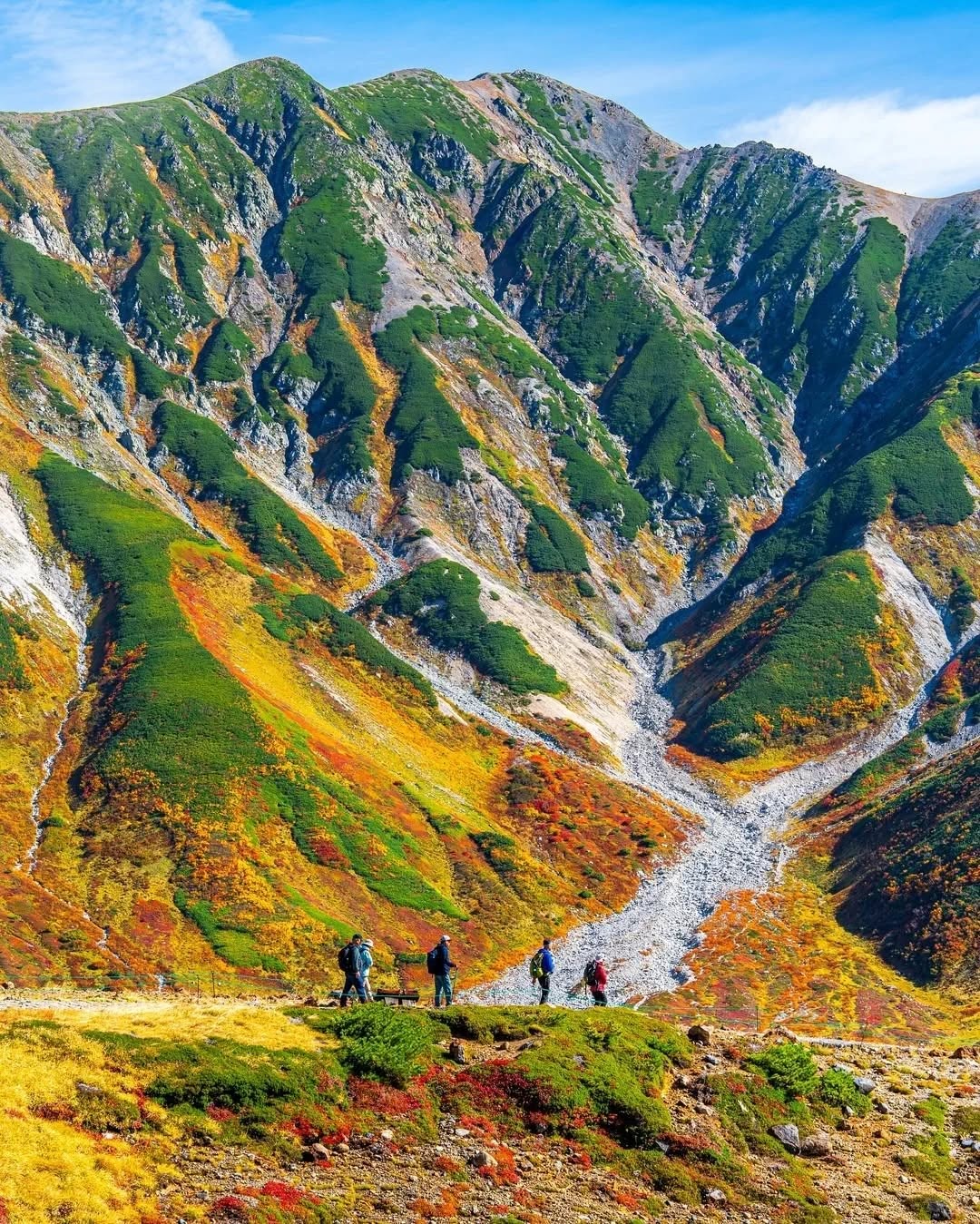
There’s something many travelers only realize after completing the Tateyama–Kurobe Alpine Route—and usually with some regret: this is a one-way route through the mountains, entering on one side and emerging on the other side of the Japanese Alps. Yet most visitors treat it like a rushed day trip—crossing from Toyama to Nagano in the morning, then spending the afternoon taking trains all the way back to where they started so they can continue with their original itinerary. In other words, they miss out on the route’s greatest gift: it “drops” you into an entirely new region, with Matsumoto and Kamikochi to the east and Kanazawa and Takayama to the west, all in the middle of autumn foliage season.
I once did Tateyama in that same rushed way. When I returned for a second time, I did it properly: treating the Alpine Route as a bridge connecting two halves of a journey, rather than as a standalone destination. Over four to five days, you start on one side and finish on the other (or complete a loop back to Tokyo/Osaka by shinkansen), with a different landscape each day: Kurobe Gorge, where a tiny trolley train hugs vividly red cliffs; a sea of clouds at Murodo; Takayama’s old streets fragrant with freshly brewed sake; and the pitch-black Matsumoto Castle reflected in a moat scattered with golden leaves.
In this article, I’ll share how to combine these pieces into a well-planned autumn arc: which direction to travel, where to stay, how to send your luggage, and which rail and transport passes to choose so you don’t have to buy a pile of individual tickets along the way.
Why Travel in an “Arc” Instead of Going There and Back in One Day
The Tateyama–Kurobe Alpine Route connects Tateyama Station on the Toyama side with Ogizawa on the Nagano side via a chain of cable cars, highland buses, electric buses through tunnels, and a ropeway. You can’t drive across the mountains—private cars have to be sent around via a vehicle-transfer service, while travelers simply “hand themselves off” from one mode of transport to the next, climbing to the highest point, Murodo, at an elevation of about 2.400 m before descending on the other side past the imposing Kurobe Dam.
Because of this setup, there are three good reasons to travel one way and design your itinerary as an arc:
- A round trip in one day is exhausting and inefficient: you’ll ride the entire chain of transport a second time, losing another half-day even though you’ve already seen the scenery.
- Both ends of the route are major travel regions: the Toyama side opens up to Kanazawa, Takayama, and Kurobe Gorge; the Nagano side leads to Matsumoto, Kamikochi, and farther on to Nagano City. Traveling one way lets you experience both regions without backtracking.
- There is same-day luggage-forwarding service between the two sides (for example, sending a suitcase from a hotel or station on the Toyama side and picking it up later near Omachi/Nagano). That lets you cross the mountains with just a small backpack, traveling light without having to leave your belongings behind.
Autumn is especially well suited to this kind of trip because the foliage at each stop along the arc “ripens” at a different time—as I’ll explain in more detail below.
The One-Way Format Determines the Order of Your Trip
The biggest question when planning is: should you travel from west to east (Toyama → Nagano), or the other way around? Both work, but each direction suits a different style of itinerary:
West to East (Toyama → Ogizawa): Ideal If You’re Starting in Osaka/Kyoto or Want to Prioritize Kanazawa
Visit Kanazawa and Kurobe Gorge first, cross the mountains, then finish in Matsumoto and return to Tokyo. The advantage is that you climb from the Tateyama side in the morning and can usually reach Murodo before noon—when the skies are still clear, with fewer clouds and better panoramic views. The drawback is that this is also the busiest direction during peak season. The Tateyama–Bijodaira cable car may require you to queue for a departure, so take an early train from Toyama and consider booking in advance through the route’s official website, which has an online reservation system. Check it before the peak season.
East to West (Ogizawa → Tateyama): Ideal If You’re Starting in Tokyo and Want to Save Kanazawa for the End
Take the shinkansen to Nagano, visit Matsumoto/Kamikochi first, cross the mountains, then make your way leisurely down to Toyama, visit Kurobe Gorge and Takayama, finish in Kanazawa, and return to Tokyo on the Hokuriku shinkansen—creating an almost perfect closed loop. This direction is usually a little easier in terms of crowds at the beginning of the day.
From personal experience: if you’re staying in Tokyo, I prefer traveling east to west because the shinkansen ride back from Kanazawa is very fast and almost none of the route involves retracing your steps. If you’re in Kansai, west to east feels more natural.
Suggested 5-Day Itinerary (Tokyo → Loop Back to Tokyo)
Here’s the itinerary I find the most balanced. You can easily reverse it if you’re traveling from Kansai.
Day 1: Tokyo → Matsumoto — The Crow Castle and the Old Streets
Take the shinkansen to Nagano and transfer, or ride the limited express Azusa directly from Shinjuku to Matsumoto (about two and a half to three hours). Spend the afternoon at Matsumoto Castle—one of the few original surviving castles in Japan. In autumn, the moat lies still, with golden leaves falling around the castle walls; its beauty is subdued rather than flamboyant. In the evening, wander through Nakamachi and Nawate streets and have some soba—Nagano is soba country, so don’t miss it.
Day 2: Kamikochi as a Day Trip, Overnight in Omachi or Matsumoto
From Matsumoto, take a local train to Shin-Shimashima, then transfer to a bus into Kamikochi—a valley where private cars are prohibited and the clear blue Azusa River flows beneath the Hotaka mountain range. In late autumn, the karamatsu forests turn the mountainsides a brilliant gold. The walk from Kappabashi Bridge to Myojin Pond is gentle, and the scenery is more than enough. An important note: Kamikochi closes for winter from mid-November, so if you’re traveling late in the season, check the opening calendar on the official website. In the afternoon, head to Shinano-Omachi for the night so you’ll be closer to the mountains for the next morning’s crossing (there are buses from there to Ogizawa), or stay another night in Matsumoto if you’re willing to get up earlier.
Day 3: Crossing the Alpine Route — The Highlight of the Trip
In the morning, send your suitcase via the route’s luggage-forwarding service (the receiving counters are usually at stations or hotels at either end; collect it later on the Toyama side), then take a bus from Shinano-Omachi to Ogizawa. From here, the chain of transport begins: an electric bus through the tunnel to Kurobe Dam. Walk across the dam between the emerald-green reservoir and mountains streaked with autumn colors—this section alone is worth the trip. Continue by cable car and ropeway to Daikanbo, whose view down over Lake Kurobe is considered the finest on the route, then continue to Murodo, the highest point. If the weather is clear, take the roughly one-hour walk around Mikurigaike Pond, whose surface reflects the Tateyama peaks. By late September, the alpine vegetation here is already turning shades of red and orange. After that, the highland bus descends through Midagahara—a highland marsh glowing gold in early October—to Bijodaira, a forest of ancient cedars. Then take the cable car to Tateyama Station and a local train to Toyama. Taking your time and stopping at all the main points, the entire route takes a full day. Spend the night in Toyama and have sushi made with fish from Toyama Bay—surprisingly affordable and delicious for a place with such a reputation.
Day 4: Kurobe Gorge Trolley Train, Overnight in Kanazawa (or Unazuki Onsen)
From Toyama, take the train toward Unazuki Onsen, the gateway to the Kurobe Gorge Railway—an open-car trolley train that runs along one of Japan’s deepest gorges. From late October to mid-November, the entire gorge becomes a ribbon of red and gold. The train sways across red bridges over jade-green water while cold wind hits your face—dress warmly, as the cars usually have no windows. One honest note: following the Noto Peninsula earthquake in early 2024, there was a period when the line could not operate all the way to its terminus at Keyakidaira. Check the official website to see which sections are currently open before planning your trip, and book ahead during the autumn foliage season, which is their peak period. In the afternoon, take the train to Kanazawa. (The Hokuriku shinkansen has a Kurobe-Unazukionsen Station fairly nearby, which is unexpectedly convenient.) If you enjoy the atmosphere of a ryokan, spending a night at Unazuki Onsen is also an excellent option—a hot spring overlooking the autumn gorge.
Day 5: Kanazawa — Kenrokuen Garden and the Old Streets, Then Back to Tokyo
Kanazawa has something particularly distinctive in autumn: yukitsuri—rope supports erected to protect pine trees in Kenrokuen from heavy snow. They are usually installed from early November, coinciding with the garden’s autumn foliage season and creating a scene found only at this time of year. In the morning, visit Kenrokuen and Kanazawa Castle; have seafood at Omicho Market for lunch; then stroll through the Higashi Chaya geisha district or the Nagamachi samurai district. In the evening, take the shinkansen back to Tokyo (about two and a half to three hours).
Variations: Add Takayama or Cut the Trip Down to 4 Days
If you love Takayama (and Takayama in autumn is especially appealing, particularly around the early-October autumn festival): after crossing the mountains, take the JR Hida train from Toyama down to Takayama—the stretch running alongside the river is an attraction in itself during autumn. Spend a night in Takayama, stroll through the old Sanmachi streets before the crowds arrive, eat Hida beef, then take a highway bus to Matsumoto (if traveling west to east) or return to the Kanazawa loop. Trying to fit both Takayama and Kamikochi into a 5-day trip is a bit ambitious; I recommend choosing one—Kamikochi if you enjoy walking in nature, or Takayama if you prefer old streets, morning markets, and culture.
If you only have 4 days: skip the Kamikochi day, combine Matsumoto with the afternoon of the first day, and keep the main route intact: Matsumoto → Alpine Route crossing → Kurobe Gorge → Kanazawa. This is the streamlined version that still includes the three main highlights: high mountains, a gorge, and garden-filled historic streets.
Rail and Transport Passes: What to Choose to Save Money
The first thing to say plainly is this: the Tateyama–Kurobe Alpine Route itself is not covered by the JR Pass or most rail passes, because the transport on the route is operated by private companies. You’ll buy a one-way ticket for the entire route (Tateyama → Ogizawa or the reverse, including the connecting sections to the railway stations at both ends). It isn’t cheap, but it covers the whole chain of cable cars, ropeways, and buses, making it reasonable overall. Book in advance through the official website during peak season.
For the rest of the arc, your choice depends on where you start:
Starting in Tokyo
Consider the Hokuriku Arch Pass if you’re flying into Tokyo and flying out of Kansai (or vice versa). The pass runs along the Tokyo–Nagano–Toyama–Kanazawa–Osaka corridor and covers nearly all of the arc’s major train journeys. If you’re returning to Tokyo, compare the cost of buying individual shinkansen tickets for the two legs (Tokyo–Nagano outbound, Kanazawa–Tokyo return) with regional JR East passes such as the Hokuriku Area Pass. For a 4–5-day itinerary, individual tickets can sometimes be cheaper, so run the numbers before buying. At times, JR also sells an Alpine Route option ticket that can be added to a pass, so ask at a JR counter or check the official website to see whether it applies during your travel season.
Starting in Kansai
The nationwide JR Pass becomes more worth considering if you’re taking a larger loop from Osaka → Kanazawa → (Alpine Route crossing) → Matsumoto → back to Osaka/Tokyo, since the total train distance is substantial. Otherwise, buy individual tickets for each leg. Travel between Kansai and Kanazawa now requires a transfer at Tsuruga because the Hokuriku shinkansen has been extended; just let your train app handle the details.
The Costs No Pass Covers
The Kurobe Gorge Railway, the Matsumoto–Kamikochi bus, the Matsumoto–Takayama bus, and the Alpine Route itself all require separate tickets. Think of them as the “admission fee” for the most beautiful scenery on the trip, and prioritize booking two things in advance: your Kurobe Gorge trolley ticket and your Alpine Route ticket for a busy day.
Timing Your Trip: Autumn Foliage “Flows” Down from the Mountains
The beauty of this arc is that the difference in elevation makes the foliage season last a long time, allowing you to catch autumn colors at several levels during a single trip:
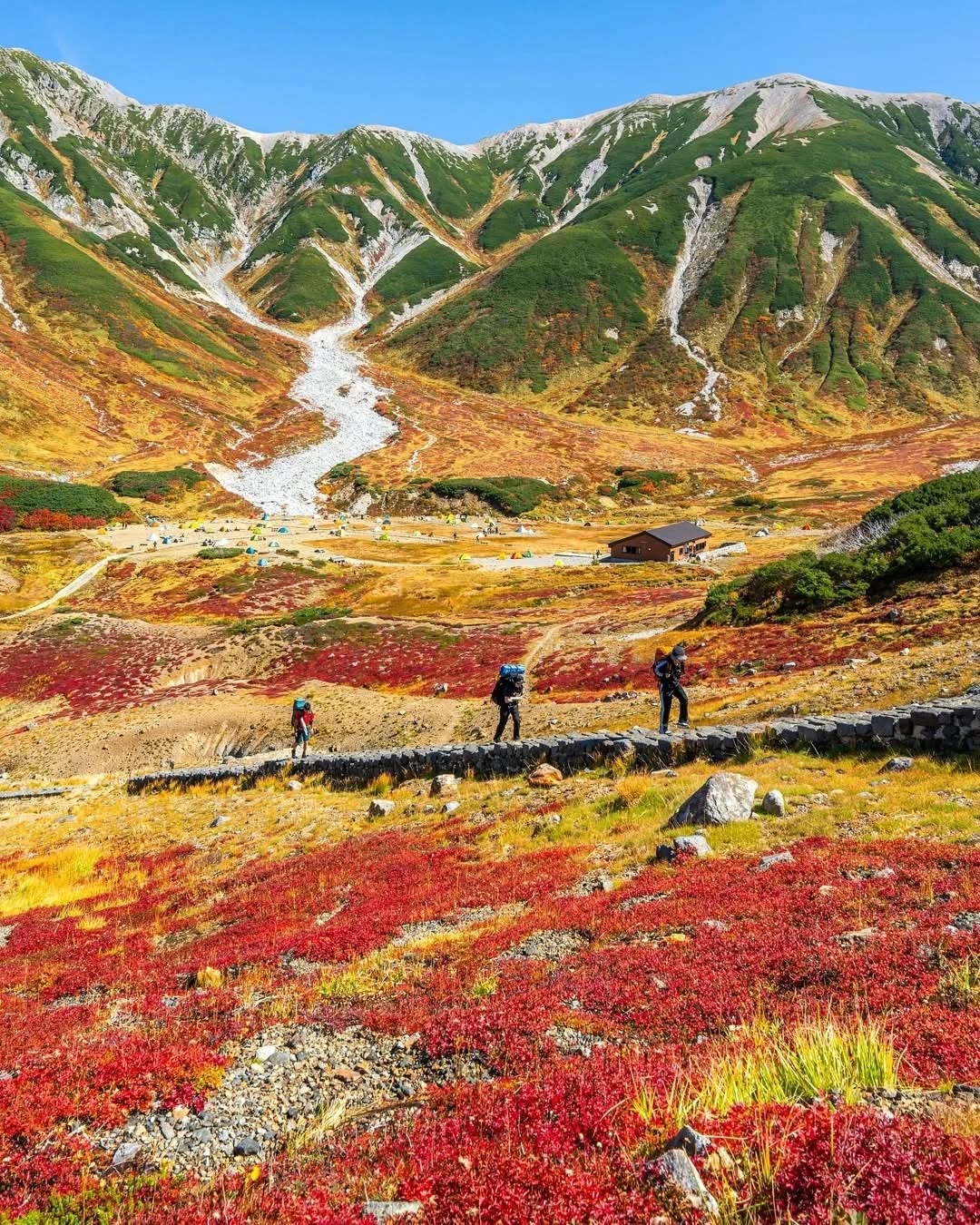
- Late September – early October: Murodo and the high mountains along the Alpine Route enter their foliage season, with alpine vegetation turning red and orange; Kamikochi begins to change color.
- Mid–late October: the middle sections of the route—Midagahara, then gradually down to Bijodaira—look their best; Kamikochi is glowing gold before gradually fading; Takayama and Matsumoto are in season.
- Late October – mid-November: Kurobe Gorge reaches its peak; Kenrokuen in Kanazawa turns red and gold, with yukitsuri adding to the scene.
That means mid-to-late October is the ideal window for a 5-day arc. The high mountains may already be past peak foliage, but the summits often have a dusting of early-season snow, creating the “three layers of color” that Japanese travelers love: white snow, red leaves, and green forest. Meanwhile, Kurobe Gorge and the cities are reaching their seasonal peak. Keep in mind that the Alpine Route closes completely from early December to mid-April, and high-mountain weather changes extremely quickly. Murodo can be below 0 degrees and see sudden snow in late autumn, so a warm jacket, hat, and gloves are essential even when it’s still mild at the foot of the mountains.
A few tips from experience: set out as early as possible on your crossing day, since clouds often roll in and obscure the peaks in the afternoon; don’t schedule anything important immediately after the crossing day, so you have room to adjust if the weather is bad; and always check the route’s webcams and official weather updates on the morning of your trip—the operating status is updated fairly regularly.
Frequently Asked Questions
I Get Motion Sick. Is the Alpine Route Exhausting?
The individual sections are short (usually just 5–15 minutes each), and most involve smooth-running cable cars and ropeways. The highland bus descent is a little winding but not very long. The most tiring part is queuing and transferring between vehicles multiple times on busy days. Traveling on a weekday and starting early is much more comfortable.
What Should I Book in Advance?
There are three things to book ahead during the autumn foliage season: your Alpine Route ticket (through the official website, selecting a cable car time slot), your Kurobe Gorge trolley ticket, and accommodation in smaller destinations such as Omachi or Unazuki Onsen. There are fewer rooms available there, and they sell out faster than in Kanazawa or Matsumoto.
What Should I Do with a Large Suitcase When Crossing the Mountains?
Use the same-day luggage-forwarding service between the two sides of the route. Drop your luggage at the departure-side counter in the morning and collect it on the other side in the afternoon. The fee is charged per piece; check the Alpine Route’s official website for the exact price, but it is generally well worth paying compared with dragging a suitcase through every cable car transfer.
Do I Lose Anything by Traveling the Other Way (Kanazawa First, Matsumoto Later)?
You won’t miss out on the scenery—the route is beautiful in both directions. The main differences are the crowd flow (the Tateyama side is usually busier in the morning) and how easily you can complete the loop back to your starting point. Choose whichever direction makes the final journey to your airport or city the shortest.
Can I Still Do This Arc in Late November?
Yes, but you’ll have to accept some trade-offs. The Alpine Route is still open through late November (check the exact dates each year), but the mountains will be snowy rather than covered in autumn leaves, and Kamikochi will be closed. In exchange, Kurobe Gorge in early November and Kenrokuen from mid- to late November can still be beautiful. If your main goal is autumn foliage, try to travel between October and early November.
More from this region — Chubu (Nagano, Kanazawa)
View all →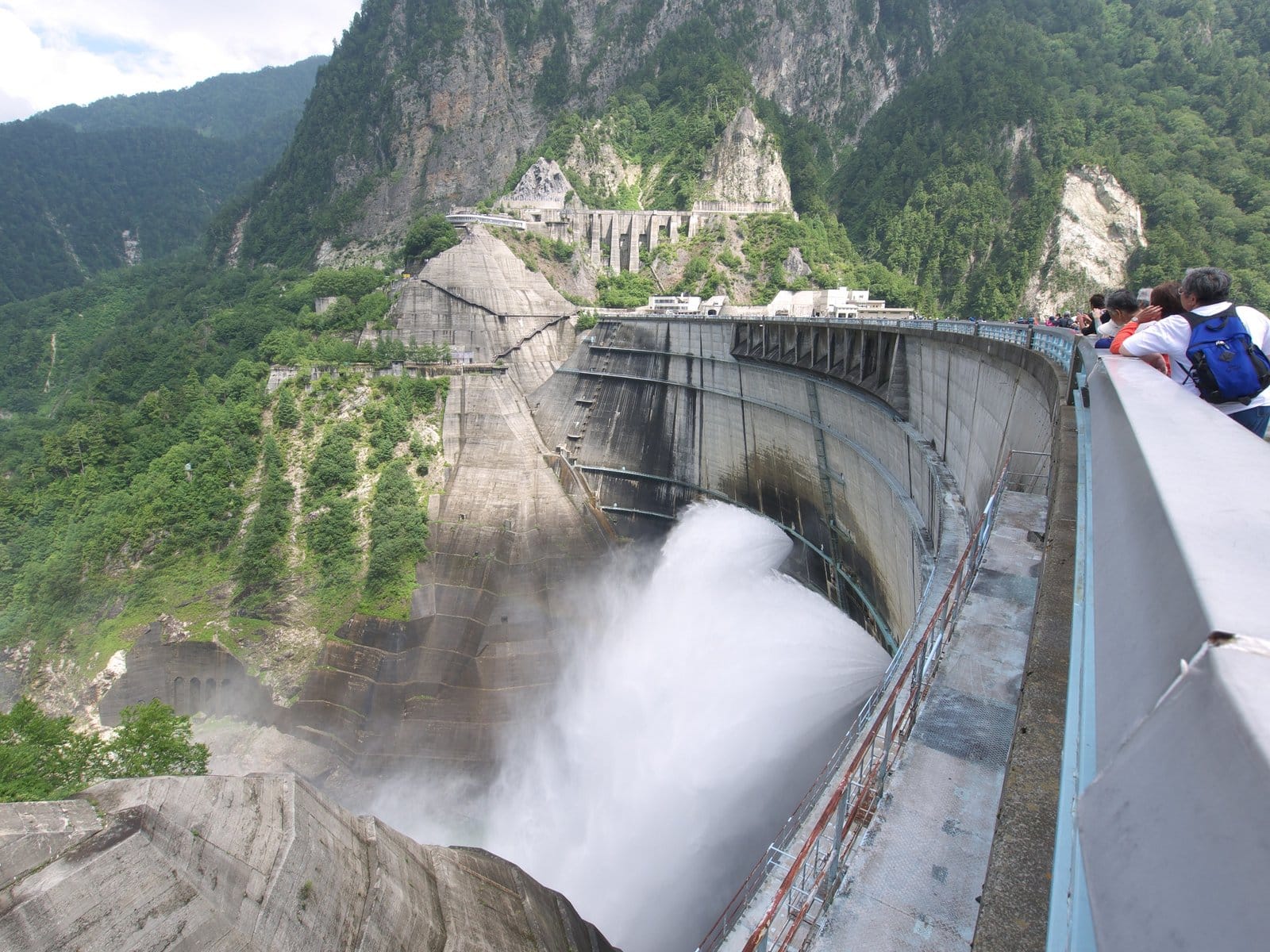
Tateyama Kurobe Alpine Route – Walking Through 65-Foot Walls of Snow
5 min · tips

Chasing Tateyama’s Autumn Foliage Wave from Murodo Down to Lake Kurobe
16 min · tips

A Day Across Tateyama in Autumn Colors, Hour by Hour
16 min · tips
Staying Overnight on the Alpine Tateyama Route: a 2-Day, 1-Night Autumn Itinerary
17 min · tips