
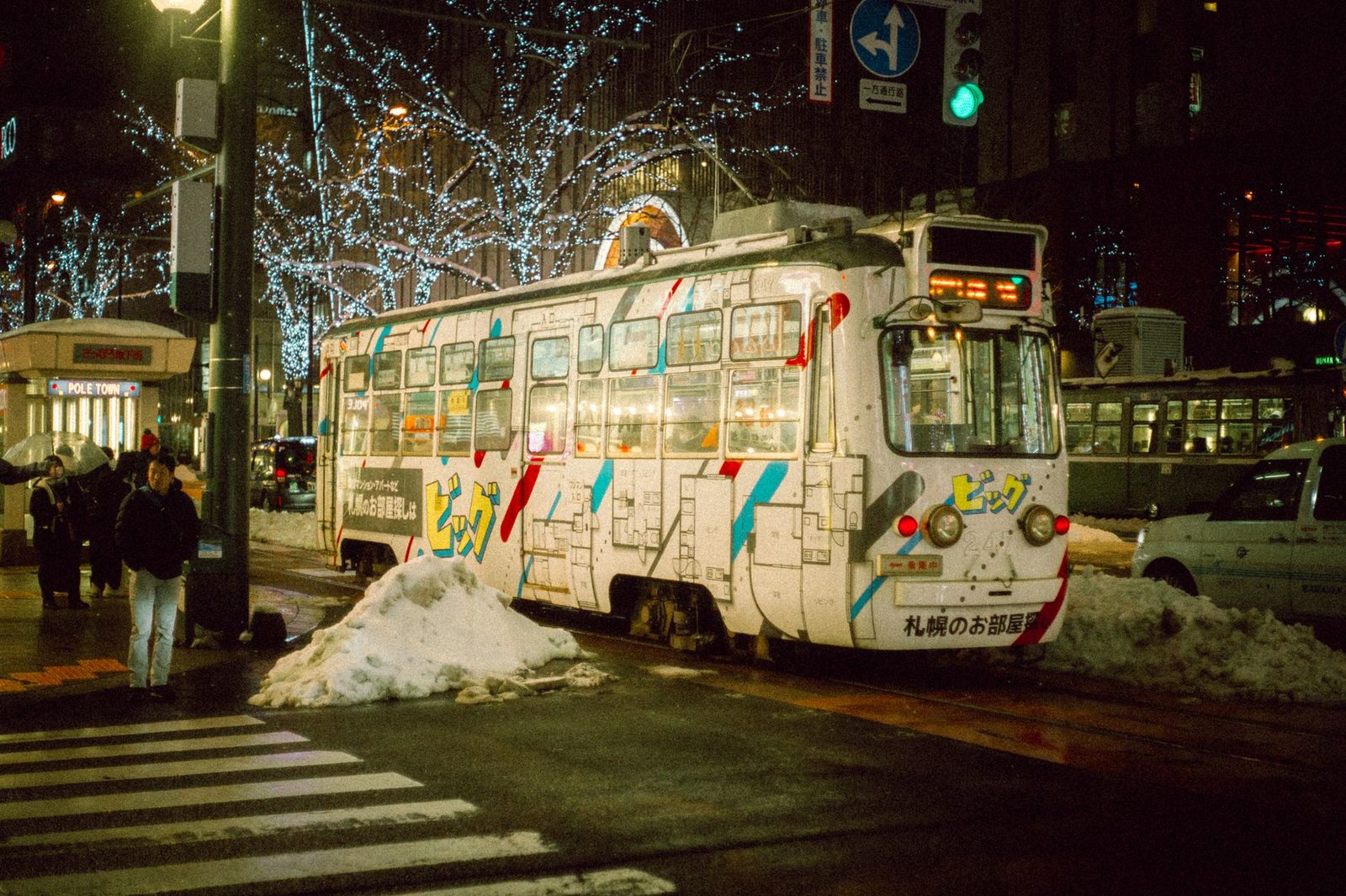
Sapporo in Winter — Snow, Beer, Miso Ramen & Onsen
Your complete 4-day guide to Sapporo in winter 2026: Yuki Matsuri snow festival, Sumire miso ramen, Jozankei onsen, and world-class powder skiing at Niseko.
Apr 13, 2026·✍️ olablog·⏱ 8 min read
Your complete 4-day guide to Sapporo in winter 2026: Yuki Matsuri snow festival, Sumire miso ramen, Jozankei onsen, and world-class powder skiing at Niseko.
Tap a region to browse articles
Sapporo in Winter — Japan's Snow Capital
Sapporo is the capital of Hokkaido and Japan's most spectacular winter city. From mid-December through late February, the entire city disappears under 20–30 inches of snow, with temperatures dropping to between 5°F and 23°F (-15°C to -5°C). It's brutally cold — and absolutely magical in a way that Tokyo and Kyoto simply can't match.
A Sapporo winter packs four of Japan's greatest hits into one trip: the Yuki Matsuri snow festival, the Sapporo Beer Museum, piping-hot miso ramen, and open-air onsen surrounded by falling snow. Here's your practical 4-day guide to making every moment count.
When Should You Visit Sapporo?
- Early February: Yuki Matsuri snow festival — peak winter, peak experience
- Late December – mid-January: Deep snow, smaller crowds, hotels up to 30% cheaper
- Late February – early March: Still snowy but noticeably warmer
- Avoid: Early December (snow is still thin) and late March (slush season)
Getting to Sapporo from the US or UK
- Fly into New Chitose Airport (CTS): No direct flights from North America or the UK — you'll connect through Tokyo (HND or NRT). The onward flight takes about 1.5 hours and costs roughly $65–$130
- Tokyo → Sapporo by rail: Tokyo → Shin-Hakodate-Hokuto → Sapporo, around 8 hours total — only worthwhile if you're covering it with a JR Pass
From New Chitose Airport → central Sapporo: Take the JR Rapid Airport train — 37 minutes, about $8.
Day 1 — Downtown Sapporo
Morning: Odori Park & Sapporo TV Tower
- 9:00 AM Check in to your hotel near Sapporo Station or Susukino
- 10:00 AM Stroll through Odori Park — the city's central spine, blanketed in white
- 11:00 AM Head up Sapporo TV Tower (~$7) for a bird's-eye view of the snowbound city
Lunch: Ramen Alley
- 12:30 PM Duck into Ganso Ramen Yokocho (Ramen Alley) in Susukino
- Order miso ramen — Sapporo's signature bowl, with a rich miso broth, a pat of butter, and sweet Hokkaido corn
- Price: around $6–$8
Afternoon: Hokkaido Shrine & Tanukikoji
- 2:00 PM Visit Hokkaido Jingu — Hokkaido's grandest Shinto shrine, set in a forest of snow-dusted trees
- 4:00 PM Browse Tanukikoji Shopping Street — a covered arcade perfect for warming up and window shopping
Evening: Beer & Lamb
- 6:00 PM Sapporo Beer Museum — free entry; opt for the tasting flight (~$4)
- 7:30 PM Dinner at Sapporo Beer Garden: Genghis Khan (ジンギスカン) — lamb grilled over a domed iron grill, all-you-can-eat for about $23
Day 2 — Yuki Matsuri & Otaru
Morning: Yuki Matsuri Snow Festival
If you're visiting in early February, do not miss Sapporo Yuki Matsuri — Japan's largest snow festival, drawing over two million visitors each year.
- 9:00 AM Start at the Odori Site — around 200 enormous snow sculptures, from anime characters to full-scale replicas of the Taj Mahal and Angkor Wat
- Susukino Site — crystal-clear ice sculptures that look their best after dark when the lights come on
Afternoon: Otaru
- 1:00 PM Hop on the JR Hakodate Line to Otaru (45 minutes, ~$5)
- 2:00 PM Otaru Canal — a 100-year-old canal flanked by red-brick warehouses under a thick layer of snow; it looks like a painting
- 4:00 PM Otaru sushi — this port town is ground zero for Hokkaido's famous sea urchin (uni), king crab, and salmon roe
- 6:00 PM Otaru Snow Light Path Festival (held in February) — 50,000 candles flickering across the snow
Evening: Back to Sapporo
- 8:30 PM Return to Sapporo
- 9:00 PM Late-night bowl at Miso Ramen Sumire — widely regarded as the best ramen shop in the city
Day 3 — Jozankei Onsen
Morning: Getting There
- 9:00 AM Bus from Sapporo Station to Jozankei Onsen (60 minutes, ~$5)
- Alternatively, book a day trip through your hotel
Afternoon: Soaking in the Snow
- Jozankei is the closest onsen resort to Sapporo and is famous for its outdoor hot spring baths (rotenburo) with snow falling around you — one of Japan's most iconic winter experiences
- First-timers: Make sure you've read up on onsen etiquette before you go
- Where to stay: Jozankei Tsuruga Resort Spa Mori No Uta — a high-end ryokan at around $165 per person per night
Experiences Not to Miss
- Rotenburo (outdoor bath) while snow drifts down around you
- Kaiseki dinner — a multi-course feast showcasing Hokkaido's finest seasonal ingredients
- Yukata and geta clogs — stroll the onsen village in traditional inn robes like a local
If You're Not Staying Overnight
- Day-use entry: ~$10–$17 — soak without spending the night
- Catch the last bus back to Sapporo by 8:00 PM
Day 4 — Niseko Skiing or Shiroi Koibito Park
Option A: Skiing at Niseko
If world-class skiing is your thing, make the trip to Niseko (2 hours by bus, ~$17).
- Niseko United — four interconnected resorts on one mountain
- Day lift pass: ~$50
- Full equipment rental: ~$33
- Niseko's powder snow is legendary — consistently ranked among the best in the world, with a light, dry texture that skiers travel from across the globe to experience
Option B: Shiroi Koibito Park
Not a skier? Head to Shiroi Koibito Park — a whimsical chocolate theme park built around Sapporo's most beloved souvenir cookie.
- Factory tour: Watch the famous white chocolate sandwich cookies being made (~$5)
- DIY session: Decorate and box your own Shiroi Koibito to take home (~$10)
- Great for families with kids
Afternoon: Souvenirs & Departure
- 3:00 PM Back in Sapporo — pick up gifts: Royce' Chocolate, Rokkatei Marusei Butter Sand, and Ishiya Shiroi Koibito
- 5:00 PM JR Rapid Airport back to New Chitose
- 7:00 PM Fly out
What to Eat in Sapporo in Winter
1. Miso Ramen at Sumire — The City's Signature Bowl
- Rich miso broth with melting butter and sweet corn — warming, hearty, unforgettable
- Price: ~$7
2. Soup Curry
- A Sapporo original: a thin, spiced curry broth loaded with fried chicken and Hokkaido root vegetables — closer to a fragrant soup than a typical curry
- Top spot: Garaku — ~$9
3. Genghis Khan (Lamb Barbecue)
- Thin-sliced lamb grilled over a domed iron grill, a Hokkaido institution
- Sapporo Beer Garden — all-you-can-eat for ~$23
4. Hokkaido Sushi & Seafood
- King crab, sea urchin, and ikura (salmon roe) — the freshest you'll find anywhere in Japan
- Nijo Market — a big seafood bowl at lunch runs about $17
5. Hokkaido Soft Serve
- Yes, even at -10°F (-23°C). Hokkaido milk ice cream is richer and creamier than anything you'll find back home — it's non-negotiable.
What to Wear: A Practical Packing List
- Insulated down jacket (Uniqlo Seamless Down is a solid, affordable pick) — outer layer
- Fleece mid-layer
- Thermal base layer (Uniqlo Heattech or equivalent) — against your skin
- Gloves, beanie, and scarf — your hands will go numb faster than you expect
- Waterproof, slip-resistant boots — non-negotiable; compacted snow turns to ice and it is genuinely treacherous
- Thick wool socks
- UV sunglasses — snow reflects sunlight intensely and can cause real eye strain
Travel Tools & Services
- 🚄 JR Hokkaido Rail Pass — worth it if you're covering multiple cities across Hokkaido
- 📶 Japan eSIM — stays connected even in the middle of a snowfield
- 🚌 Private Charter Bus Sapporo — ideal for families or groups who'd rather skip the cold wait at public bus stops
FAQ
Q: How much colder is Sapporo than Tokyo in winter? A: A lot. Tokyo winters hover around 41–50°F (5–10°C). Sapporo sits between 5°F and 23°F (-15°C to -5°C). Expect a difference of 25–35°F.
Q: What should I wear in Sapporo in winter? A: Three layers: thermal base (Heattech), fleece mid-layer, and a down outer jacket. Add insulated gloves, a warm hat, and — most importantly — waterproof, slip-resistant boots.
Q: When exactly is the Yuki Matsuri snow festival? A: It runs for about a week in early February each year. 2026 dates: February 3–11. Book your hotel at least 3 months in advance — rooms sell out fast.
Q: Is Niseko safe for first-time skiers? A: Absolutely. Niseko offers English-language ski lessons and well-groomed green (beginner) runs. A 2-hour group lesson costs around $65.
Q: Won't I freeze in an outdoor onsen? A: Not at all — the water is 104–108°F (40–42°C). The only chilly moment is the walk from the changing room to the pool. Do what locals do: ladle hot water (kakeyu) over yourself before stepping in.
Q: Is the JR Pass worth it for a Hokkaido trip? A: It depends on your itinerary. If you're staying around Sapporo, skip it. If you're also visiting Hakodate, Asahikawa, or Furano, look at the Hokkaido Rail Pass (5 days, ~$140) — it pays for itself quickly.
Q: Can I combine Sapporo with Tokyo in one trip? A: Yes, but budget at least 10 days total. The Tokyo → Sapporo flight is about $65–$130 and takes just 90 minutes. Alternatively, the Shinkansen (about 8 hours with a transfer) is a scenic option if you're traveling on a JR Pass.
More from this region — Hokkaido
View all →Shikisai no Oka – Hokkaido's Stunning Flower Hill That Looks Like Heaven on Earth
5 min · destinations
Shiretoko Peninsula – Japan's Wild UNESCO Frontier in Hokkaido
5 min · destinations
Shizunai Cherry Blossom Road – Hokkaido's Longest Sakura Avenue
5 min · destinations
Niseko: Hokkaido's Ultimate Powder Snow Experience
14 min · experiences