
Shiretoko Peninsula – Japan's Wild UNESCO Frontier in Hokkaido
Shiretoko Peninsula – Japan's Wild UNESCO Frontier in Hokkaido – Your complete guide to Shiretoko, Hokkaido. Best times to visit, how to get there, top photo spots, and more.
Feb 20, 2026·✍️ olablog·⏱ 5 min read
Shiretoko Peninsula – Japan's Wild UNESCO Frontier in Hokkaido – Your complete guide to Shiretoko, Hokkaido. Best times to visit, how to get there, top photo spots, and more.
Tap a region to browse articles
Japan consistently tops bucket lists for nature lovers — and Shiretoko, tucked into the far northeastern edge of Hokkaido, is one of the country's most jaw-dropping rewards for those willing to make the journey. Getting here isn't just travel; it's full immersion into raw, untouched wilderness where every viewpoint makes you stop, breathe, and reach for your camera.
1. Why Shiretoko Looks Like Nowhere Else on Earth
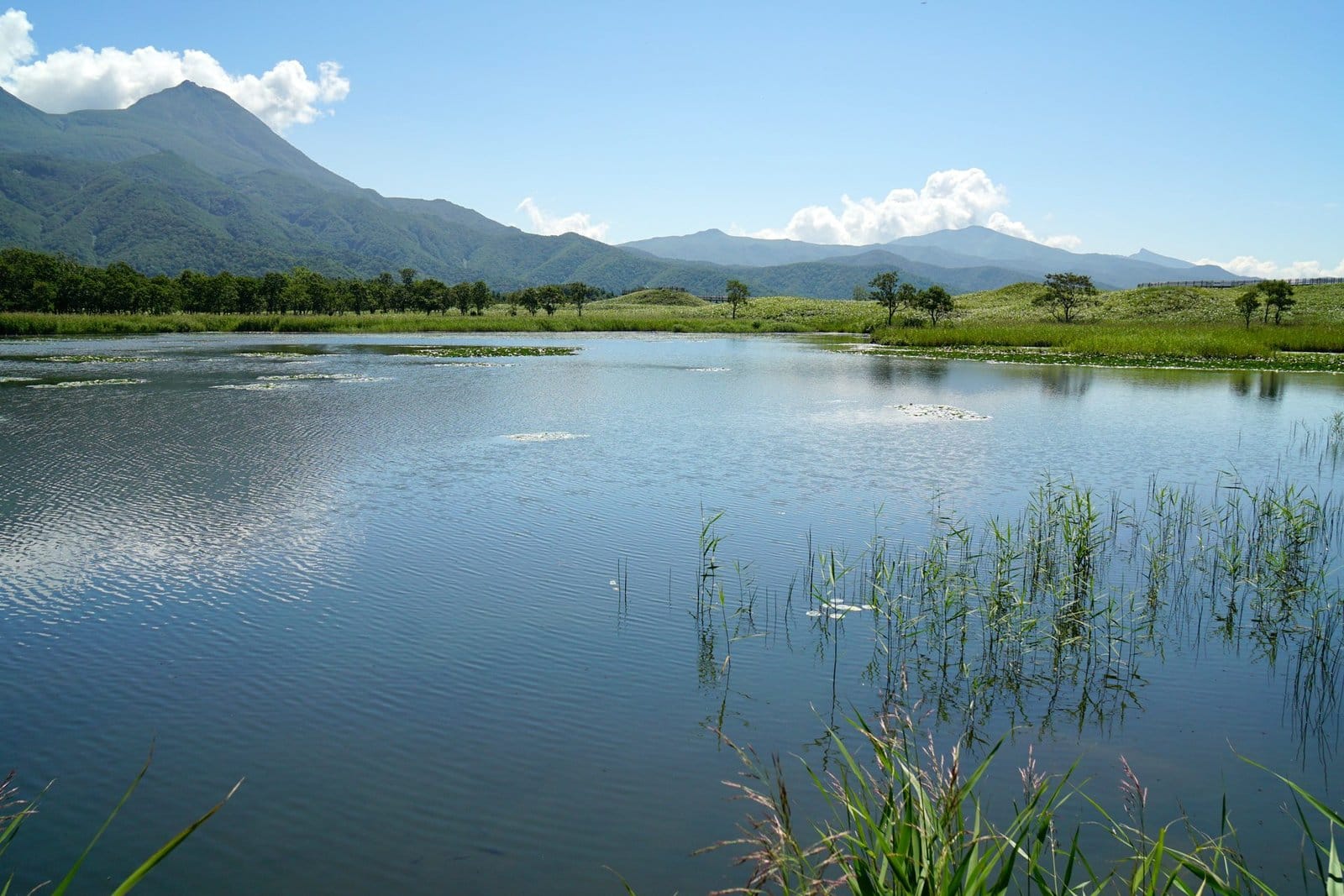
Shiretoko delivers scenery that earns its UNESCO World Heritage status at every turn. Hokkaido unfolds like a canvas that only nature could paint — and Shiretoko is where the brushwork gets truly spectacular. Light shifts dramatically through the day, from golden-hour sunrise to rose-purple dusk, and no two moments look the same.
The drive to Shiretoko is half the experience. Routes curl through mountain passes, open out onto pastoral plains, and hug cliff-edge coastlines — the kind of road-trip scenery that has drivers involuntarily slowing down just to take it all in. Most visitors will tell you the peninsula isn't just a destination; it's an adventure that begins the moment you leave the last town behind.
2. Top Photo Spots You Can't Skip
Shiretoko and the surrounding Hokkaido countryside pack in an extraordinary range of viewpoints — from classic overlooks to locals-only hidden gems. Here are the unmissable ones:
Main observation deck: A sweeping 180-degree panorama over the Shiretoko range. Sunrise and sunset here are widely considered the best in the region — set your alarm.
Ancient tree-lined road: Century-old trees form a natural green tunnel, spectacular in summer and absolutely fire (literally) in autumn when the foliage turns.
Mirror-still water reflection: A nearby lake or river throws back a perfect symmetrical reflection of the landscape — the kind of shot that racks up serious Instagram engagement.
Summit panorama point: Hike or drive to the highest accessible vantage point for a full 360-degree sweep across the Hokkaido wilderness.
3. Best Time to Visit
Every season brings a different personality to Shiretoko, but the sweet spots are August and October. Here's why:
- Most stable weather of the year — ideal for road tripping and extended outdoor time
- Scenery peaks with season-defining color: lush green in summer, blazing foliage in autumn
- Perfect natural light for photography: 6–9 a.m. and 4–6 p.m.
- Visitor numbers are manageable — busy enough to feel alive, not so crowded you're queuing for viewpoints
Visiting in winter? Expect a moody, snow-blanketed landscape that looks like a scene from a nature documentary — stunning, but mountain roads can ice up quickly, so check conditions daily. Spring brings cherry blossoms and wildflowers worth the trip on their own.
4. The Best Way to Explore — Self-Drive
A rental car is, without question, the right call for Shiretoko. Public transport options are limited out here, and a rigid bus schedule is the enemy of good travel photography. Driving puts you in control: stop whenever the view demands it, duck down unmarked side roads, and linger at that perfect pullout for as long as you like.
Roads around Shiretoko are well-maintained with clear signage. Coastal and mountain stretches are wide enough to be comfortable, and rest areas are spaced sensibly along the main routes — making this one of Hokkaido's finest road trips.
✨ Tip: Book a private car through OlaChill to explore Shiretoko entirely on your own schedule — available with a driver or as a self-drive rental.
5. Sample 1–2 Day Itinerary
Day 1
- 6:00 a.m. – Head to the main observation deck for sunrise; the golden light on the peaks is worth every minute of the early start
- 8:00 a.m. – Breakfast at a local restaurant — fresh Hokkaido seafood and dairy are a genuine highlight (think: crab, sea urchin, and the best milk you've ever tasted)
- 9:30 a.m. – Drive the main scenic route, pulling over at every viewpoint that catches your eye
- 12:00 p.m. – Lunch at a roadside restaurant or rest-area food stall
- 2:00 p.m. – Explore secondary attractions: historic villages, waterfalls, nearby lakes
- 5:00 p.m. – Check into your hotel or ryokan
- 6:30 p.m. – Soak in the onsen (if available), then settle in for a multi-course kaiseki dinner
Day 2
- 7:00 a.m. – Early breakfast and an early departure to beat the day-trippers
- 8:30 a.m. – Take a quieter back route or seek out the less-photographed viewpoints
- 11:00 a.m. – Hit the reflection lake for your best mirror-shot of the trip
- 1:00 p.m. – Lunch and a leisurely break
- 3:00 p.m. – Continue to your next destination or begin the return journey
6. Practical Tips Before You Go
- 📷 Golden hour is non-negotiable: The 30 minutes either side of sunrise and sunset deliver the best light — set multiple alarms
- 🚗 Book your rental car early: Especially in August and October, availability gets tight fast — reserve at least one to two weeks ahead
- ⛽ Fill up the tank whenever you can: Gas stations are sparse in rural Hokkaido; don't assume there's one around the next bend
- 📱 Download offline maps: Save Google Maps offline for the Hokkaido region before you leave cell range — you will lose signal out here
- 🍙 Stock up at a convenience store: 7-Eleven and FamilyMart are your best friends on a Hokkaido road trip — grab onigiri, hot drinks, and snacks before you head into the wilderness
- ☁️ Check the weather forecast daily: Critical in winter and during rainy season; mountain conditions can change faster than your phone's weather app can update
More from this region — Hokkaido
View all →
Shizunai Cherry Blossom Road – Hokkaido's Longest Sakura Avenue
5 min · destinations
Niseko: Hokkaido's Ultimate Powder Snow Experience
14 min · experiences
Ski Group Buses from New Chitose Airport to Niseko
8 min · tips

Comparing 4 Japanese Ski Resorts: Niseko, Hakuba, Nozawa, and Yuzawa
6 min · experiences