
Niseko: Hokkaido's Ultimate Powder Snow Experience
Niseko, located in Hokkaido, is a mecca for powder snow that captivates skiers and snowboarders from around the world. Plan an unforgettable winter adventure in this international destination. With extensive English support, even first-time visitors can feel at ease.
May 4, 2026·✍️ olablog·⏱ 14 min read
Niseko, located in Hokkaido, is a mecca for powder snow that captivates skiers and snowboarders from around the world. Plan an unforgettable winter adventure in this international destination. With extensive English support, even first-time visitors can feel at ease.
Tap a region to browse articles
Embraced by Hokkaido's magnificent nature, Niseko is a mecca for powder snow, yearned for by winter sports enthusiasts worldwide. Every winter, many people seeking the ultimate snow quality travel here from Australia, Europe, Southeast Asia and beyond, ready to fly halfway around the world and brave temperatures well below zero just to glide through knee-deep, feather-light powder. Skiers call it "Japow", Japanese powder, and if Japow has a capital, it is Niseko.
This guide covers everything from the basics (why the snow here is so special, how to get there and roughly what it costs) to the small tips you usually only learn once you have been. And some good news up front: Niseko is extremely multicultural, and English is supported almost everywhere, so even first-time visitors can feel completely at ease.
Why Is Niseko's Snow So Sought After?
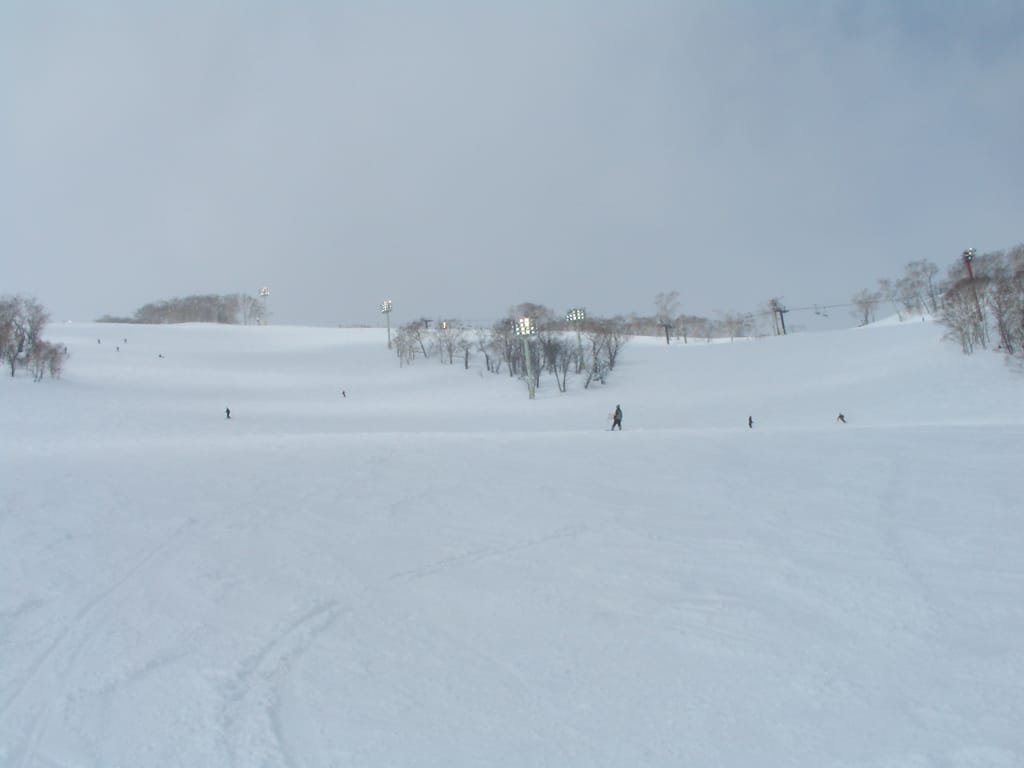
Niseko's fame is no accident: its location is an almost perfect formula for powder snow. Every winter, extremely cold, dry air masses from Siberia blow across the Sea of Japan. On the way they pick up moisture from the sea, and when they hit the mountains of western Hokkaido, that moisture falls as snow. Because the original air is so cold and dry, the snow has very low moisture content: light, dry and fluffy like flour.
As a result, Niseko receives some of the heaviest snowfall of any commercial ski area in the world. The figure often quoted is more than ten meters of snow per season, which means fresh snow on almost every day of January and February. For skiers, "fresh snow every morning" is a real luxury: instead of riding on hard-packed snow, you float on a soft layer of powder that forgives every fall. Beginners fall without getting hurt, and experienced riders enjoy a floating sensation that feels more like flying than skiing.
There is a big visual bonus, too. From most of Niseko's slopes you can see Mount Yotei, a volcano so perfectly cone-shaped that it is called the "Mount Fuji of Hokkaido". On clear days, skiing down a white slope with Yotei in front of you is a sight that makes everyone stop and reach for their phone, however cold their hands are.
Niseko United: Four Resorts on One Mountain
When people talk about skiing in Niseko, they usually mean Niseko United, a group of four ski resorts on different slopes of Mount Niseko Annupuri. You can buy a ticket for a single resort, or an all-mountain pass that lets you ski freely between all four, which are connected by lifts and runs near the summit.
Grand Hirafu: The Lively Heart
Grand Hirafu is the largest and busiest resort, with Hirafu village at the foot of the mountain, home to most of the restaurants, bars, rental shops and accommodation. Its runs range from gentle slopes for beginners to long runs for experienced skiers, and it is especially famous for night skiing: floodlit slopes with snow still gently falling, a completely different experience from daytime. If it is your first visit and you want a bit of everything (skiing, eating, going out and sightseeing), Hirafu is the safest choice.
Hanazono: Family- and Beginner-Friendly
On the northeast side, Hanazono is quieter than Hirafu, with a snow play area for children and a highly rated ski school with English-speaking instructors. It has also invested in new, modern facilities. Families with young children and groups of first-time skiers often choose Hanazono for its spacious, low-pressure atmosphere.
Niseko Village: Resort Style
Niseko Village feels like a self-contained resort, with large hotels at the foot of the mountain where you practically step out of your room onto the lift. Its runs include some beautiful sections through the forest. It suits anyone who wants a relaxed trip without much moving around.
Annupuri: Open and Easygoing
On the southwest side, Annupuri is the gentlest resort: wide slopes, moderate gradients and far fewer people. Locals and anyone wanting to escape the crowds love it. If you visit at peak times and Hirafu feels overloaded, head to Annupuri: the same snow, without the long lift lines.
Which Resort for Your Level?
Complete beginners: Hanazono or the gentle slopes of Hirafu, with a lesson from an instructor. Those who can already ski: buy the all-mountain pass and explore the whole mountain, one resort per session. Experienced powder hunters: get up early, catch the first lift, and learn about the gate system for areas outside the groomed runs, but be sure to read the safety section below.
When Is the Best Time to Visit Niseko?
The ski season in Niseko usually runs from around early December to early April, but each period has its own character.
December: the snow gradually deepens and the Christmas atmosphere is lovely, but in the first half of the month there is sometimes not yet enough snow to cover the whole mountain. Room rates soar over Christmas and New Year. January and February: the peak of the powder season, with almost continuous snowfall and the driest, lightest snow. In return, this is also the busiest and most expensive time. March: there is still plenty of snow, more sunny days, noticeably lower room and ticket prices, and fewer people. For beginners and families, March is often the most comfortable choice: enough snow to enjoy, enough sun for photos, and quiet enough to avoid the crowds.
If your goal is true powder snow, aim for mid-January to mid-February, and be prepared to book everything early.
How to Get to Niseko
The gateway to Niseko is New Chitose Airport near Sapporo, with many flights from Tokyo, Osaka and major Asian cities. From New Chitose, you have a few options:
Winter shuttle buses: the most popular option. Several companies run direct buses from the airport to Hirafu and the major hotels, taking about 2.5 to 3 hours depending on road conditions. In peak season, advance booking is essential, sometimes a month or more ahead.
JR trains: take a train toward Otaru, change to a local train to Kutchan Station or Niseko Station, then take a bus or taxi to the ski area. The scenery is beautiful (the coastal stretch past Otaru in winter is an experience in itself), but you need to change trains and watch the timetable, so it suits more independent travelers.
Rental car: the most flexible option, but only recommended if you have experience driving on snowy roads. Hokkaido snowstorms are no joke, and the road to Niseko includes mountain passes. Winter rental cars come with snow tires, but handling the conditions is still up to you.
Bus timetables and fares change with the season, so check the official websites of the bus companies or Niseko's tourism information before your trip.
Estimated Costs for a Niseko Trip
To be honest, Niseko is not cheap. It is an international-standard resort with international prices, noticeably higher than many other ski areas in Japan. The figures below are rough estimates to give you an idea; they change every year, so check the official websites before booking:
- All-mountain lift pass: around 10,000 yen per day in peak season; single-resort tickets are cheaper.
- Full rental set (skis or board, boots, poles): around 6,000 to 8,000 yen per day depending on the type, with better rates for multi-day rentals.
- Ski wear rental: around 4,000 to 6,000 yen per day if you don't have your own.
- Group lesson with an instructor: around 10,000 yen per session; private lessons cost considerably more.
- Food: lunch on the mountain costs around 2,000 to 3,000 yen, and dinner at a restaurant in Hirafu can easily exceed 4,000 to 5,000 yen per person.
- Accommodation: prices vary enormously, from dormitory-style lodges in Kutchan at a few thousand yen per night to luxury hotels and apartments at the foot of the mountain costing tens of thousands of yen or more per night.
A popular money-saving tip is to stay in Kutchan, a town about 15 minutes by bus from the ski area, where accommodation, supermarkets and restaurants are much more "local" in price, and take the local bus up the mountain each morning. A little extra travel can cut your budget considerably.
Sample Itinerary: 3 Days, 2 Nights
Here is a manageable itinerary for first-timers, starting from Tokyo:
Day 1: take a morning flight to New Chitose, board your pre-booked bus and arrive in Niseko in the early afternoon. Check in and pick up your rental gear (arrange it for your whole stay so you don't have to queue the next morning). In the late afternoon, get used to your skis for an hour or two on a gentle slope, or try night skiing in Hirafu if you still have energy. In the evening, soak in an onsen to relax your muscles. There are many hot springs around Niseko, and soaking in hot water while the snow falls is something to try at least once in your life.
Day 2: your main ski day. Get up early, eat a good breakfast and be at the lift before it opens to catch the fresh, untouched snow. Have lunch at a restaurant on the mountain to save time. In the afternoon, use your all-mountain pass to switch to Annupuri or Niseko Village for a change of scenery. In the evening, head back to Hirafu for dinner at an izakaya and try Hokkaido seafood.
Day 3: ski for a few more hours in the morning or enjoy some gentle snow play and take photos with Mount Yotei. At midday, return your rental gear, have a light lunch and take the bus back to the airport. If you are on a late evening flight, consider stopping in Sapporo for a hot bowl of miso ramen before heading to the airport.
What to Do in Niseko If You Don't Ski
Niseko is about more than skiing. Onsen are the area's second specialty, and many public baths and hotels welcome day visitors for a fairly modest entrance fee. Hokkaido's food needs little introduction: fresh seafood, ramen, milk and ice cream from local farms, and wonderfully sweet potatoes and corn. Hirafu also has charming cafes and bakeries nestled in the snow where you could happily spend hours.
Local tour companies also run other winter activities, such as snow tubing for children, snowshoe walks through the forest and night sightseeing. If someone in your group doesn't ski, they can still have a full day, which is one way Niseko stands out from many ski-only resorts.
A Multicultural Destination, and Why First-Timers Feel at Ease
What sets Niseko apart from the rest of Japan is its strongly international atmosphere. Over the past twenty years, a wave of foreign visitors and investors, especially from Australia, has turned the area into a "global village" in the heart of Hokkaido. Walking through Hirafu, you hear as much English as Japanese; most staff at restaurants, rental shops and ski schools communicate fluently in English; and signs, menus and trail maps are all available in English.
This means that even if you speak little or no Japanese, you can manage everything with basic English. Ski schools offer English-language lessons for all ages, information counters are ready to help international visitors, and everything from renting gear to buying tickets is designed with first-timers in mind. In Niseko, English works almost everywhere, so all you need to worry about is picking days with great snow.
Tips for Avoiding the Crowds
- Avoid the major holidays: Christmas and New Year week and the Lunar New Year period (when many visitors arrive from across Asia) are the busiest times. If your schedule allows, avoid these weeks.
- Get up early: the first lifts of the day are the quietest and have the best snow. From around mid-morning, long lines start to form at the main lifts in Hirafu.
- Have lunch at off-peak times: eat before 11:30 a.m. or after 1:30 p.m. and you won't have to compete for a table at the mountain restaurants.
- Choose quieter resorts: Annupuri and Hanazono are usually much less crowded than Hirafu, especially on weekends.
- Bad-weather days are your days: it sounds backwards, but on days of heavy snowfall many visitors stay in, and those are exactly the days with the best powder. Dress warmly, wear good goggles, and you may have almost a whole slope to yourself.
Common Beginner Mistakes
- Not booking anything in advance: in peak season, rooms, airport buses, lessons and rental gear in Niseko can all sell out a month or more ahead. Book as early as possible.
- Wearing the wrong clothes: jeans and cotton jackets that soak up water are a recipe for a miserable day. Dress in layers (a base layer, an insulating layer and a waterproof, windproof outer layer), and don't skimp on renting proper ski wear if you don't have your own.
- Underestimating the weather: Hokkaido snowstorms can stop lifts, delay buses and even postpone flights. Always leave a time buffer before your flight home and follow the resort's announcements.
- Ducking the ropes: Niseko has a gate system for areas outside the groomed runs, with its own safety rules, because the risk of avalanches is real. Never duck under ropes or ski outside permitted areas, especially if you lack the experience and safety equipment.
- Skipping insurance: skiing carries a risk of injury, and medical costs in Japan are not cheap for tourists. Travel insurance that covers winter sports is the best money you will spend on the trip.
- Overdoing it on day one: your muscles aren't used to it yet, and if you push too hard on the first day, you will only want to lie down on the second. Ski at a sensible pace, soak in an onsen in the evening, and the trip will be far more enjoyable.
FAQ
Q. Is Niseko worth it if I have never skied before? A. Absolutely. Niseko has gentle slopes for beginners, English-language ski schools and full rental gear, and even if you only play in the snow, soak in onsen and enjoy the food, the trip is still worth it. That said, if your budget is tight and you just want to give skiing a try, ski areas closer to Tokyo can be a more economical first step.
Q. How many days do I need in Niseko? A. For first-timers, 3 days and 2 nights is a sensible minimum, since the journey is quite long. If you love skiing, 4 to 5 days is much more relaxed, and the cost per day can even come down thanks to multi-day tickets and rentals.
Q. Do I need to speak Japanese? A. No. English works for almost every service in the Niseko area. A few basic Japanese phrases are always appreciated, especially when you venture outside the resort area, for example in Kutchan.
Q. Is Niseko good for children? A. Very. Hanazono and the other resorts have dedicated snow play areas for children, kids' lessons, and childcare services at some facilities. Check and book in advance on each resort's official website.
Q. Which lift ticket should I buy? A. If you are a beginner and will mostly stay in one resort, a ticket for that resort is enough and cheaper. If you are confident and want to explore, the Niseko United all-mountain pass is worth every yen. Prices change by season and by year, so check the official website before buying; in recent years, buying online in advance has often been cheaper than buying at the counter.
Niseko is not a budget destination, nor somewhere for a spontaneous weekend trip. But if there is one Japanese winter experience worth saving and planning ahead for, it is gliding through Hokkaido powder on a January morning with Mount Yotei in front of you and fresh snow beneath your feet. Go once, and you will understand why the world keeps coming back every winter.
More from this region — Hokkaido
View all →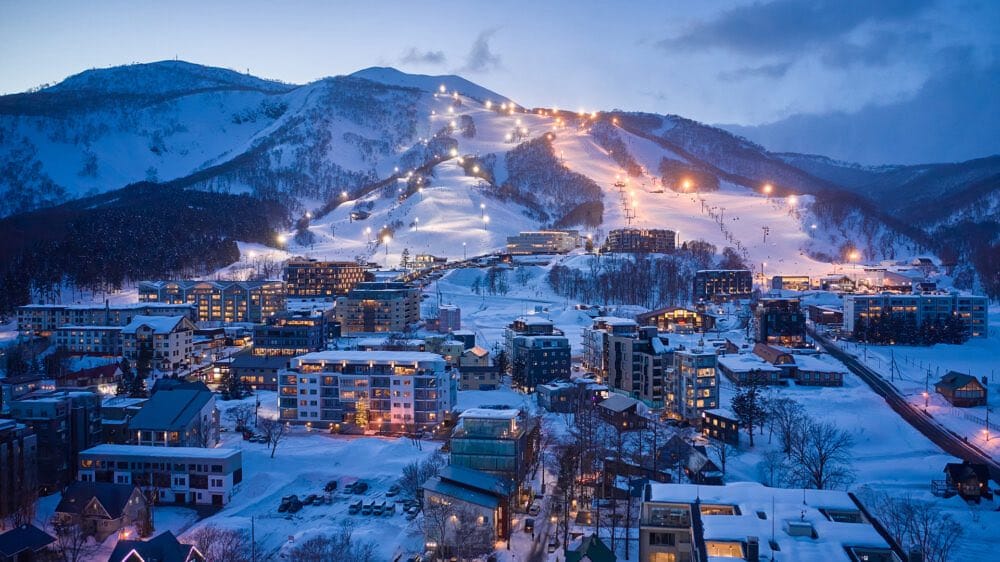
Ski Group Buses from New Chitose Airport to Niseko
8 min · tips

Comparing 4 Japanese Ski Resorts: Niseko, Hakuba, Nozawa, and Yuzawa
6 min · experiences
Tokachi Highlands – Hokkaido's Wild Plateau With Views That Go On Forever
5 min · destinations
10-Day Hokkaido Full Region Itinerary — Sapporo, Hakodate, Furano, Niseko
9 min · itineraries