
The Best Japanese Souvenirs to Buy and Japan’s Tax-Free Procedures from A to Z
Japanese souvenir ideas: unique KitKat flavors, Character Street, Kappabashi knives and kitchenware, and stationery — plus detailed tax-free eligibility requirements for travelers.
Aug 8, 2026·✍️ olablog·⏱ 5 min read
Japanese souvenir ideas: unique KitKat flavors, Character Street, Kappabashi knives and kitchenware, and stationery — plus detailed tax-free eligibility requirements for travelers.
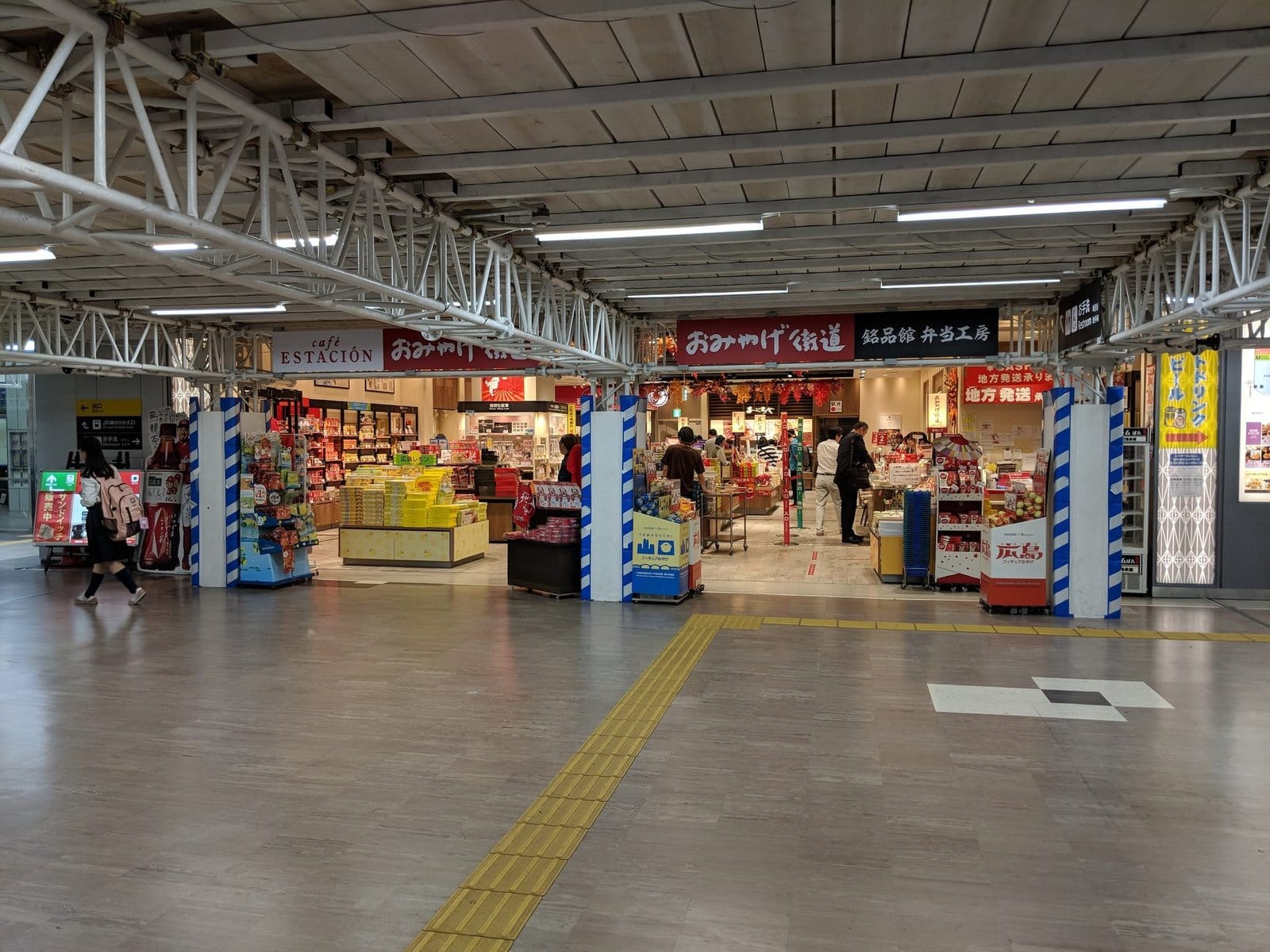
Buying souvenirs is the sweetest—and most headache-inducing—“mission” of any trip to Japan: gifts should be distinctive, reasonably priced, and, ideally... tax-free. The good news is that Japan seems practically designed for this purpose—from wasabi-flavored KitKat to hand-forged kitchen knives, every gift has its own story to tell. This guide brings together the best souvenir categories at specific locations around Tokyo, along with tax-free instructions so you don’t unnecessarily pay 10% consumption tax.
Unusual KitKat flavors and snacks you can “only get in Japan”
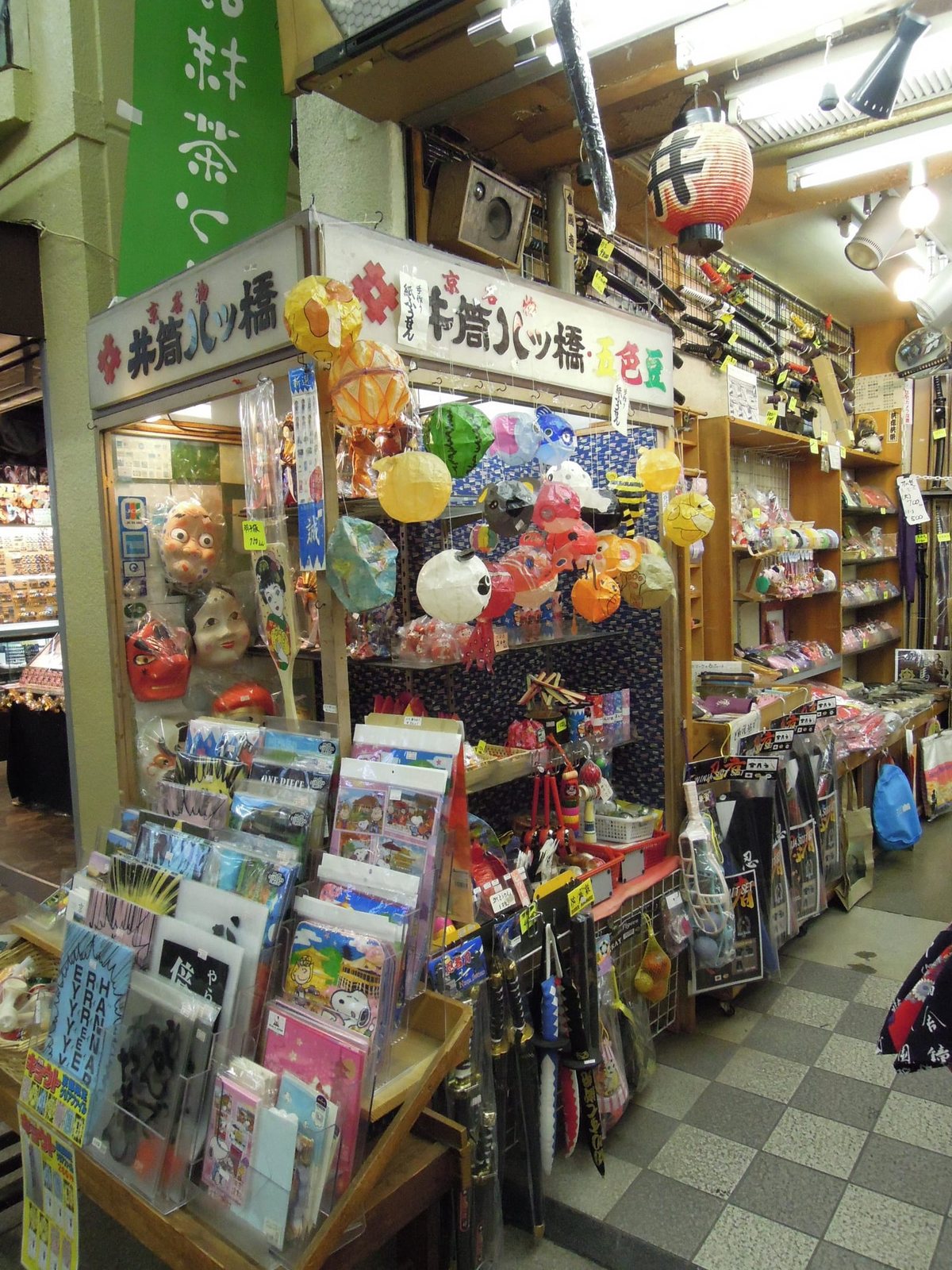
Japanese KitKat is a global phenomenon, with dozens of exclusive flavors: rich matcha, strawberry, sake, wasabi, roasted sweet potato, and regional specialties such as Hiroshima’s momiji manju and Kyoto’s Uji tea. Where to buy them:
- Don Quijote, large supermarkets: a wide selection of popular flavors at good prices, around 300-800 yen per pack.
- KitKat Chocolatory (inside some department stores): premium handmade lines in beautiful gift boxes, around 1.500-3.000 yen.
- Airports: convenient but more expensive and with fewer flavors—only shop here to fill any gaps.
Besides KitKat, don’t miss Tokyo Banana, Senjaku fruit candies, Royce chocolate (which requires an insulated bag), and senbei rice crackers in decorative metal tins. The golden rule for choosing snack gifts: prioritize boxes containing individually wrapped portions—it makes sharing with the whole office much easier.
Tokyo Station Character Street — a paradise for character goods
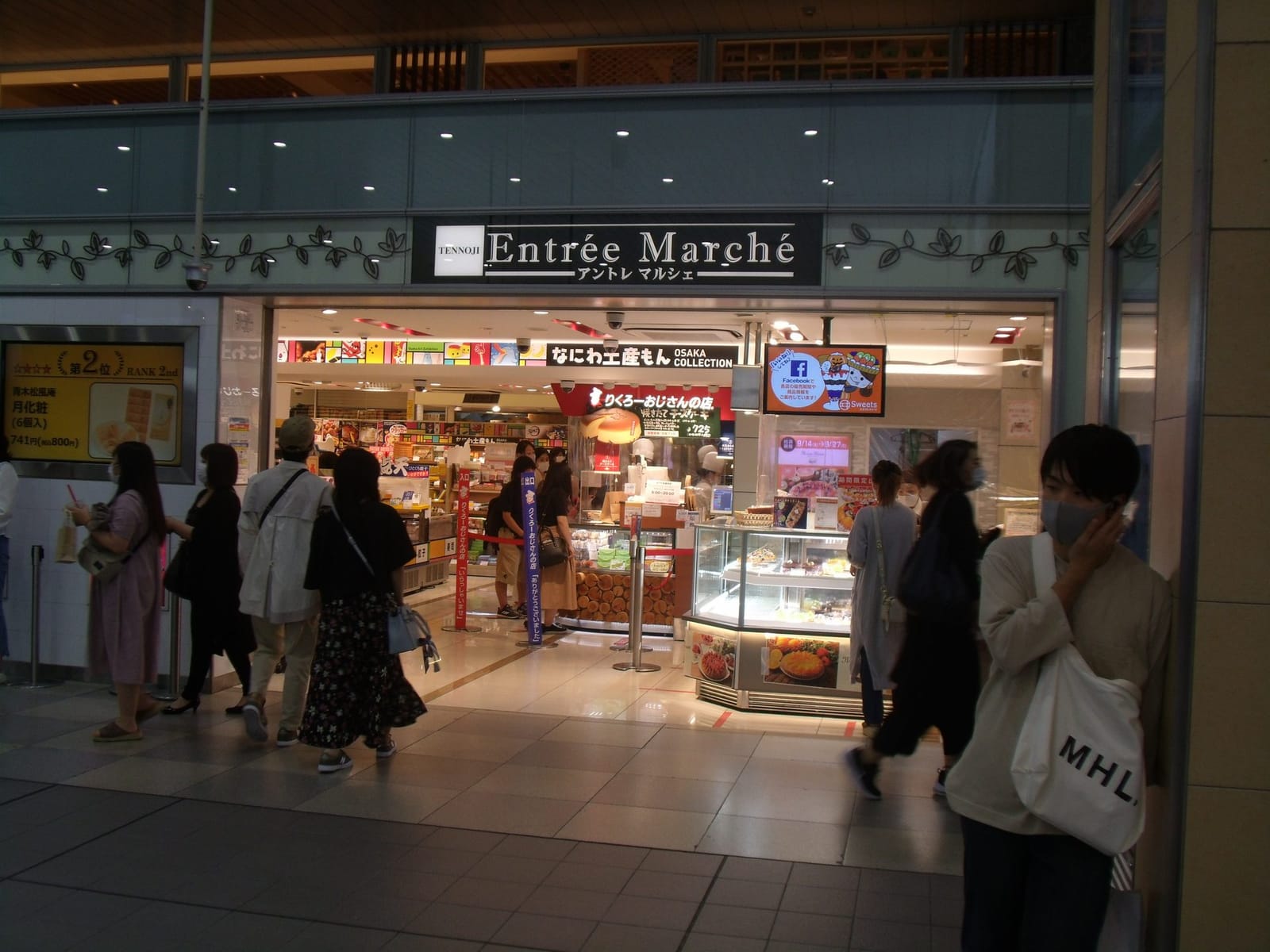
Located in the basement of Tokyo Station (in the Yaesu area), Tokyo Character Street is a row of more than 30 official stores featuring beloved characters: Pokemon, Ghibli, Sanrio (Hello Kitty, Cinnamoroll), Miffy, Chiikawa, Ultraman, and shops operated by Japanese television networks. Why shop here instead of elsewhere:
- Official merchandise, including many limited-edition items available “only at Tokyo Station.”
- Everything is concentrated in one place, making it possible to buy gifts for all the children in the family within an hour.
- Keychains, towels, and notebooks cost around 500-1.500 yen; plush toys cost around 1.500-4.000 yen.
If your itinerary doesn’t take you through Tokyo Station, alternatives include Pokemon Center (Ikebukuro, Shibuya), Kiddy Land Harajuku, and Donguri Kyowakoku (Ghibli merchandise), which has several locations around the city.
Kappabashi — the kitchenware street every cook will love
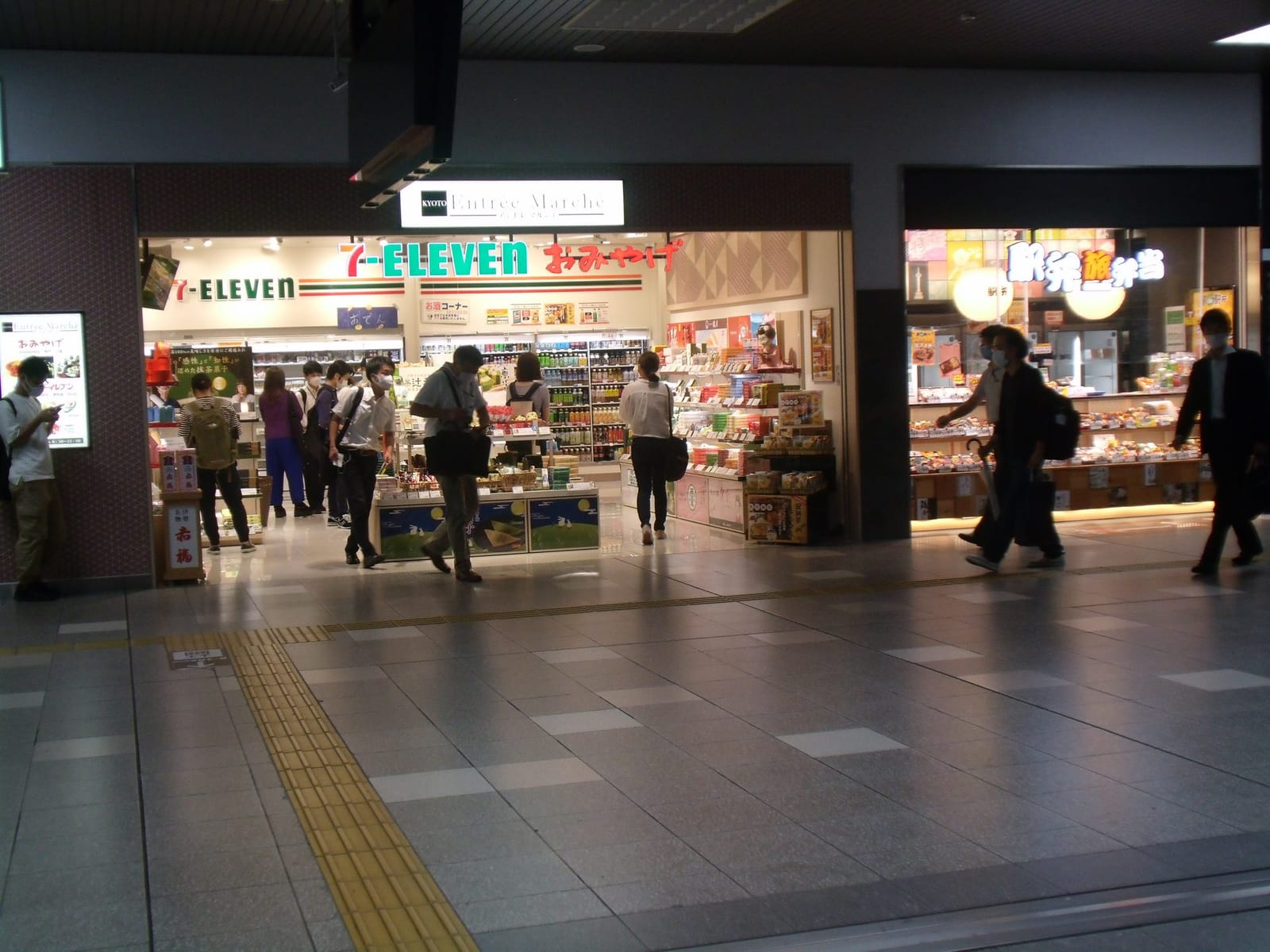
Between Ueno and Asakusa lies a street nearly one kilometer long specializing in kitchenware: Kappabashi Dougu-gai. This is where Tokyo restaurants do their shopping, and it’s also a treasure trove of “serious” gifts for anyone who loves cooking:
- Japanese kitchen knives: from versatile gyuto knives to sashimi knives, around 5.000-30.000 yen depending on the steel and finish; many shops will engrave a name on the blade for free—a wonderful personalized gift. Note that knives must be checked in when flying.
- Ceramic bowls and dishes, lacquered wooden chopsticks: beautiful, durable, and priced at around 500-3.000 yen per item.
- Tamagoyaki pans, baking tools, and rice molds: compact and easy to carry.
- Fake food models (sampuru): sushi keychains, “frozen” beer glasses, and other one-of-a-kind souvenirs, around 500-2.000 yen.
Stationery — the most underrated gift
Japanese stationery is the pinnacle of affordable sophistication: smooth-writing gel pens, student-priced fountain pens, notebooks with silky paper, decorative washi tape, and origami paper. Places worth visiting:
- Itoya Ginza: 12 floors of stationery, from 200-yen pens to fountain pens costing tens of thousands of yen.
- Loft, Tokyu Hands: a comprehensive selection of designed goods and creative gifts at every price point.
- 100-yen shops: washi tape, stickers, and surprisingly attractive notebooks for 110 yen.
A gift set consisting of a pen, notebook, and washi tape costs around 1.000 yen—and anyone who receives it will think it feels “very Japanese.”
Tax-free procedures: requirements and pitfalls to avoid
Know these basic rules to qualify for exemption from the 10% consumption tax:
- Who qualifies: short-term foreign visitors (normally staying less than 6 months) who present their original passport showing entry information—a photocopy is not accepted.
- Minimum purchase: purchases of around 5.000 yen or more before tax at the same store on the same day.
- Two categories of goods: consumables (snacks, cosmetics, beverages) are sealed in a closed bag, which must not be opened while you are in Japan, and must be taken out of Japan within the specified period; general goods (clothing, kitchenware, toys) may be used immediately.
- Procedure: most stores process the transaction electronically—your passport is scanned and the information is recorded automatically. When you leave the country, customs may scan your passport again for inspection.
- Common pitfalls: combining receipts from two different stores is not allowed; opening a sealed bag and eating the contents before departure may result in the tax being collected when you leave; and not every store offers tax-free shopping—look for the “Japan Tax-Free Shop” sign before joining the line.
One more note: Japan’s tax-refund policy is undergoing planned changes, with a shift toward refunds after departure in the near future. Before your trip, check the latest regulations.
Conclusion: buy less, choose well, and make everyone happy
A simple formula for Japanese gifts: individually packaged snacks for a crowd, character goods for children, and kitchenware or stationery for someone special—combine everything into receipts that meet the tax-free threshold and you’re all set. Save bulky souvenir shopping for the final day so you won’t have to carry heavy bags throughout your trip. If you’d like an itinerary with time already planned for these souvenir-shopping “spots,” see OlaChill’s all-inclusive Japan tours, and read more detailed shopping tips on the Japan travel blog. May your suitcase return home overflowing with joy!
More from this region — Other
View all →
Buying Sake as a Gift: Which Bottle to Choose at Depachika, the Airport, and How to Bring It Back to Vietnam
6 min · food
National Assembly Proposes Crackdown on Workers Who Violate Rules Abroad: Exit Bans Possible
4 min · news
Essential Kimono-Wearing Rules: Overlapping Front Panels, Obi, Geta and How to Walk Properly
7 min · culture

Etiquette Rules for Traveling in Japan — What to Know Before Your First Trip
7 min · tips