Rainy-Day Plan B for Japan Bus Groups
Build a flexible Japan itinerary with indoor attractions, weather-ready routes, and the right charter vehicle for every group size.
Aug 21, 2026·✍️ olablog·⏱ 9 min read
Build a flexible Japan itinerary with indoor attractions, weather-ready routes, and the right charter vehicle for every group size.
Rain can be part of the Japan experience, but heavy rain, typhoons, strong winds, and sudden weather changes can quickly disrupt a group itinerary. Outdoor viewpoints may close, mountain roads may become unsafe, and a walking tour can lose its appeal within minutes.
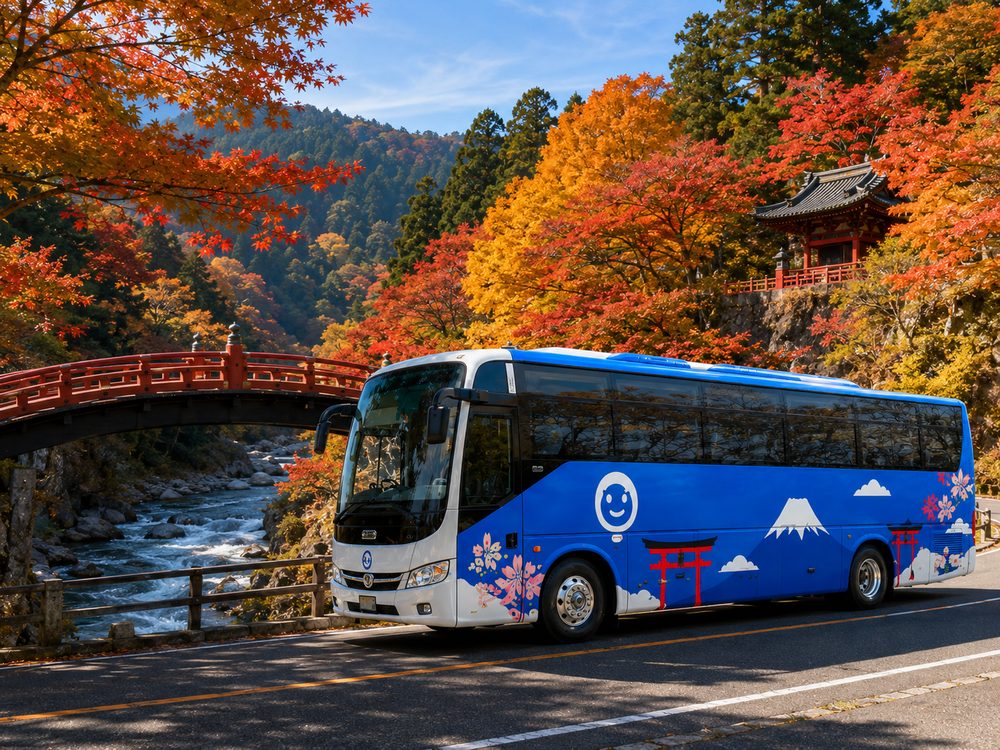
The best solution is not to hope for perfect weather. Build a practical Plan B before your group arrives, then keep enough flexibility to switch routes safely. With a private charter bus and a licensed Japanese operator, your group can move between indoor attractions more comfortably without splitting up across trains and taxis.
Build your rainy-day strategy before departure
A weather-ready itinerary has three layers:
- Plan A: Your preferred outdoor route and sightseeing stops.
- Plan B: Indoor attractions in the same region, ideally with convenient bus access.
- Plan C: A shorter route close to your hotel if conditions become unsafe or transport is disrupted.
Check the forecast every morning, but do not rely on an app alone. Your driver and local operator can help assess road conditions, traffic, steep roads, parking access, and whether a destination is realistic for a large vehicle.
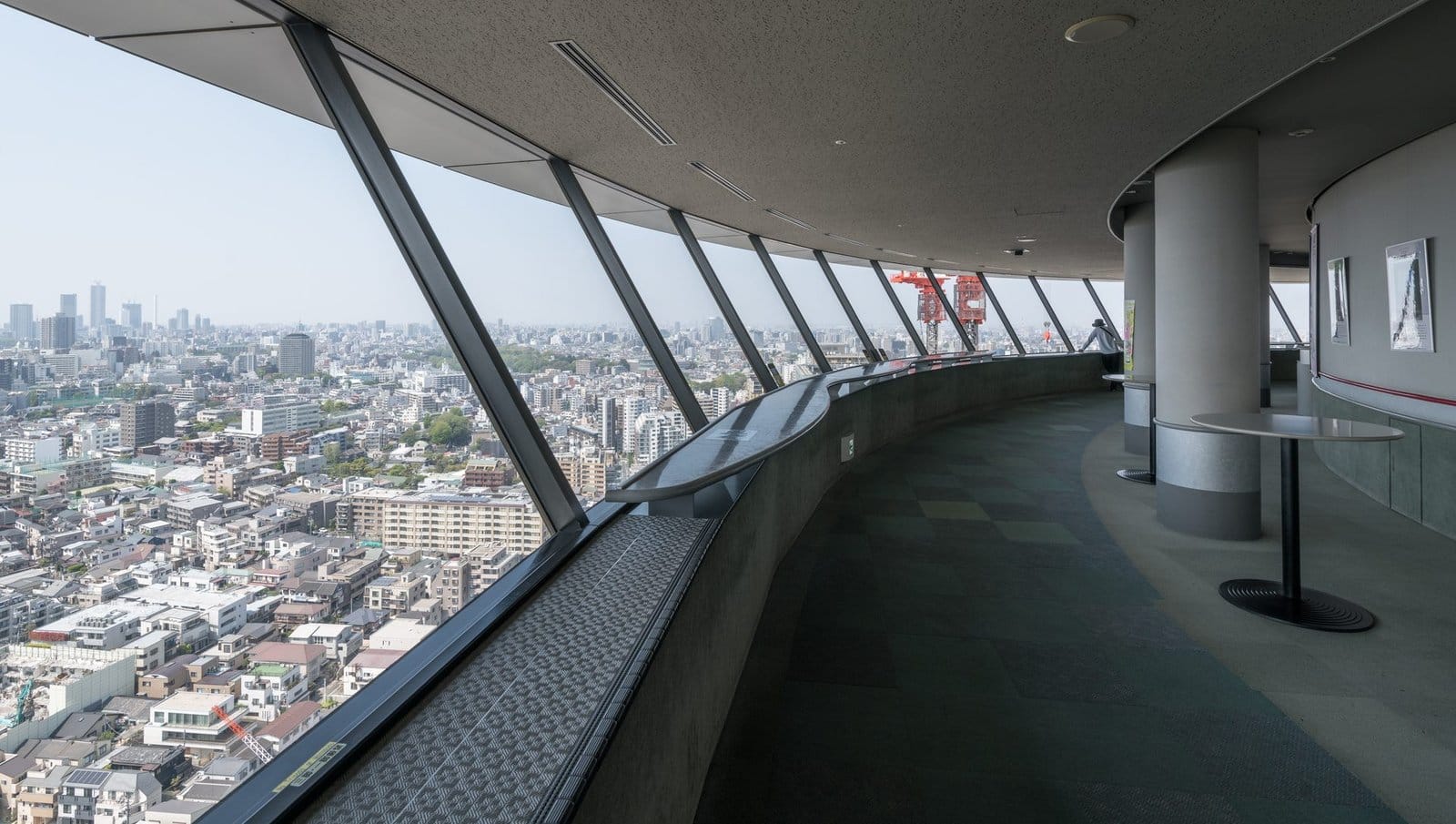
It is also wise to confirm reservation and cancellation rules for attractions in advance. Popular museums, aquariums, workshops, and observation decks may require timed entry. Some outdoor sites remain open in light rain but close during strong winds or dangerous conditions.
Indoor alternatives by region
Japan has excellent indoor attractions, so a rainy day does not have to mean staying in the hotel.
Tokyo and the Kanto region
Tokyo is especially easy to adapt because many attractions are concentrated around major districts.
Consider:
- Large museums in Ueno, including art, science, and cultural collections
- Indoor digital-art experiences and immersive exhibitions
- Tokyo Station and surrounding commercial complexes
- Traditional craft workshops, cooking classes, or food halls
- Aquariums in major commercial districts
- Department stores and covered shopping arcades in Ginza, Shibuya, and Asakusa
For families, museums and aquariums usually provide a more comfortable half-day than trying to walk through a wet sightseeing district. For corporate or incentive groups, a private workshop or reserved dining experience can keep the schedule social and organized.
Kansai: Osaka, Kyoto, and Nara
Kansai offers plenty of alternatives when temple gardens, castle grounds, or city walks are affected by rain.
Good options include:
- Osaka Aquarium Kaiyukan
- The National Museum of Art, Osaka
- Osaka Museum of Housing and Living
- Kyoto Railway Museum
- Kyoto International Manga Museum
- Sake breweries and cultural museums in the Fushimi area
- Covered markets and department-store food halls
Kyoto requires extra care because narrow streets, crowded buses, and limited parking can make a last-minute switch difficult. A charter bus can drop your group near a suitable entrance, wait at an agreed location, and reduce the need for everyone to navigate multiple transfers in bad weather.
Hokkaido and Tohoku
In Sapporo, indoor choices include museums, food experiences, shopping complexes, and factory or brewery tours. In winter, snow and icy roads can be as important as rain, so allow extra time and avoid packing too many distant stops into one day.
In Tohoku, consider regional museums, aquariums, craft centers, and indoor cultural attractions in cities such as Sendai. Aquarium visits and local food experiences work particularly well for multigenerational groups because they offer seating, restrooms, and a slower pace.
Chubu and the Japanese Alps
Nagoya and the surrounding area have strong rainy-day options, including transportation museums, science museums, automotive attractions, and indoor shopping districts. These can be a useful substitute when a mountain or countryside route becomes unsuitable.
For destinations around Takayama, Shirakawa-go, or the Japanese Alps, weather planning is more important. Heavy rain can affect visibility and road conditions, while mountain routes may take longer than expected. Keep an urban alternative available, and ask your operator whether the original route is appropriate on the day.
Kyushu and Okinawa
Fukuoka is convenient for indoor group activities, with museums, shopping complexes, food markets, and cultural venues close to the city center. Nagasaki and Kumamoto also offer museums and historic indoor sites that can replace outdoor sightseeing when necessary.
In Okinawa, aquariums, museums, shopping areas, craft experiences, and resort facilities can fill a wet-weather schedule. Some attractions include outdoor sections, so check whether the main experience remains practical during strong rain or wind.
Choose the vehicle around the weather, not only the headcount
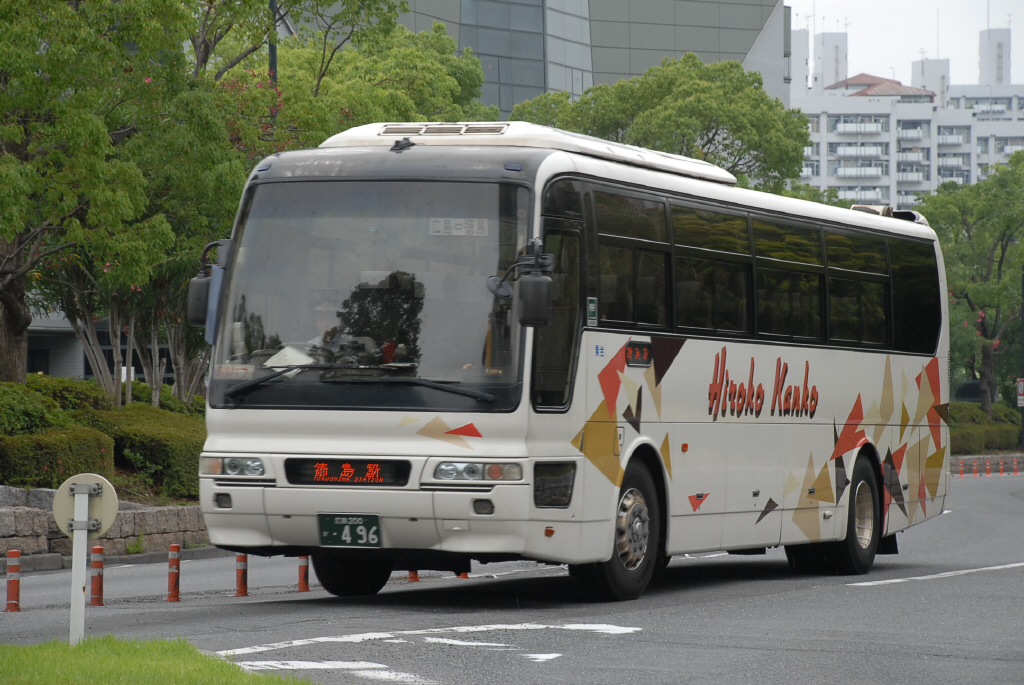
The right vehicle affects how smoothly your Plan B works. Smaller vehicles can use tighter streets and reach more central drop-off points, while larger buses keep a group together and protect passengers from long walks between stops.
| Vehicle size | Best for | Rainy-day advantage | Important consideration |
|---|---|---|---|
| 5 seats | Couples, families, or very small groups | Easier access to narrow streets and compact parking areas | Limited luggage and passenger space |
| 7 seats | Small families or private groups | Flexible for city museums and short transfers | Comfort depends on luggage volume |
| 10 seats | Small teams or extended families | Keeps everyone together without needing several taxis | Availability and luggage capacity vary |
| 16 seats | Medium-sized groups | Good balance between group comfort and urban maneuverability | Confirm access near narrow streets or historic districts |
| 29 seats | School, corporate, and tour groups | Protects a larger group from repeated transfers and rain exposure | Requires suitable bus parking and wider access roads |
| 45 seats | Large groups and major events | Keeps everyone together and simplifies coordination | Best with attractions that have clear coach drop-off and parking arrangements |
For a rainy day, think about the complete movement pattern: hotel entrance, covered drop-off point, attraction entrance, restroom access, lunch location, and bus parking. A large coach may be comfortable on highways but unsuitable for a narrow historic lane. A smaller vehicle may reach the door more easily but offer less space for luggage and wet umbrellas.
Your Japanese operator can recommend a practical vehicle based on passenger numbers, luggage, road restrictions, and the route you actually want to travel.
How to change the route at short notice
When the weather turns, make decisions in this order:
1. Protect the safest parts of the day
Keep the attractions with fixed reservations if they remain accessible and safe. Move flexible outdoor stops later, shorten them, or replace them with an indoor venue.
2. Reduce unnecessary travel
Do not replace one outdoor attraction with another destination several hours away. Choose an indoor stop near your current location or along the route to your hotel. This reduces exposure to traffic delays and gives your group more time indoors.
3. Confirm access before departure
Ask the operator to check:
- Whether the road is open and suitable for the vehicle
- Where the bus can safely stop or park
- Whether the attraction accepts group arrivals during bad weather
- Whether the walking distance from the drop-off point is manageable
- Whether the revised route affects driving hours, tolls, or parking fees
4. Communicate one clear meeting point
Rain makes it harder to find a guide, driver, or scattered group. Use a named entrance, hotel lobby, station exit, or covered public area. Share the revised plan with every passenger through one group chat or message.
A route change may require extra driving time, parking, or driver hours. Ask for an updated confirmation before committing to the new plan.
Understand weather-related policies
Weather policies are not identical for every charter booking. Before confirming, ask how the agreement handles:
- Cancellation caused by a typhoon, extreme weather, or road closure
- Changes requested by the customer on the travel date
- Route changes and additional driving time
- Parking, tolls, waiting time, and overtime
- Attraction closures that affect the planned itinerary
- Pickup delays caused by disrupted public transport
A weather warning does not automatically mean a booking is cancelled, and a destination may remain open while the route to it is unsafe. The final decision should consider official warnings, road conditions, and the operator’s safety judgment. Review the terms provided with your quote, and keep a backup destination ready rather than waiting until the bus is already on the road.
Make Plan B part of the itinerary
The strongest rainy-day plan does not feel like a compromise. Pair an indoor attraction with a good lunch, a regional food experience, shopping, or a hands-on activity. Leave some open time so the group can dry off, rest, and enjoy the day without rushing.
When requesting a charter, provide your group size, luggage details, hotel locations, preferred attractions, and any concerns about rain or typhoons. Request a free quote from OlaChill through the booking form, and our team will reply within 24 hours.
FAQ
Can we change our itinerary on the day of the charter?
Often, a route can be adjusted if the vehicle, driver hours, road conditions, and attraction availability allow it. Contact the operator as early as possible. Additional driving, parking, or overtime may affect the final cost.
Is a large bus suitable for narrow historic areas in Japan?
Not always. Large coaches need appropriate roads and parking, especially around historic districts and mountain destinations. A driver can usually suggest a safe drop-off point or a smaller vehicle when access is restricted.
Should we cancel outdoor attractions in light rain?
Not necessarily. Some gardens, shrines, and viewpoints are enjoyable in light rain, but strong wind, flooding, poor visibility, or slippery paths may change the decision. Check the attraction and local road conditions on the day.
Can the charter bus wait while we visit an indoor attraction?
Waiting arrangements depend on parking rules, the planned duration, and the booking terms. Confirm whether the bus can wait nearby or whether a new pickup time and location will be required.
What information should we include when asking for a quote?
Share your travel dates, passenger count, luggage, pickup and drop-off locations, preferred vehicle size, planned destinations, and any weather-sensitive activities. Mentioning your backup ideas helps the operator design a more realistic route.