Rainy Season Group Trips That Still Work in Japan
Plan a comfortable June group trip in Japan with indoor attractions, rain-enhanced scenery, and the right charter bus for every group size.
Aug 21, 2026·✍️ olablog·⏱ 9 min read
Plan a comfortable June group trip in Japan with indoor attractions, rain-enhanced scenery, and the right charter bus for every group size.
June in Japan can bring frequent showers, humid afternoons, and sudden changes in the forecast. For travelers planning a group holiday, that does not mean spending the day trapped in a hotel. It means building an itinerary that stays enjoyable when the weather changes.
The most reliable approach is simple: combine indoor attractions with scenery that looks better after rain, and use a charter bus that can keep the group moving comfortably between stops. With a licensed Japanese operator and a vehicle matched to your party, a rainy-season trip can feel relaxed rather than improvised.
Why June Can Be a Beautiful Time to Visit Japan
Japan’s rainy season, known as tsuyu, generally affects much of the country from early June into July, although timing varies by region. Rain is often intermittent rather than constant, so a wet morning may be followed by a clear afternoon.
The landscape also becomes exceptionally green. Moss, forest paths, rice fields, gardens, and mountain valleys take on richer colors, while ponds and waterfalls can become especially atmospheric. A light mist around a temple garden or a fuller cascade in a forest can create scenes that are difficult to experience in drier months.
For group travel, June also rewards flexibility. Instead of planning every hour around outdoor sightseeing, build each day around weather-proof anchors:
- Start with an indoor attraction during the wettest part of the day.
- Schedule gardens, lakes, waterfalls, or scenic viewpoints when the forecast offers a break.
- Keep meal stops and shopping areas close to covered walkways where possible.
- Leave room to swap the order of activities without disrupting the whole group.
Indoor Stops That Keep Everyone Comfortable
A rainy-day itinerary works best when indoor visits are more than backup plans. Japan has plenty of attractions that can fill several hours while offering experiences that appeal to different ages and interests.
Museums and cultural experiences
Large museums in Tokyo, Kyoto, Osaka, and other major cities are dependable choices for a wet day. Depending on the group, you might choose art, history, science, design, railways, or local culture. Traditional craft workshops, tea experiences, cooking classes, and sake-related visits can also give international travelers a more personal connection to Japan.
For groups, check advance reservations carefully. Some workshops have limited capacity, and the arrival time may be strict. A private bus makes it easier to coordinate the group, but everyone should still be ready to enter together.
Aquariums and covered attractions
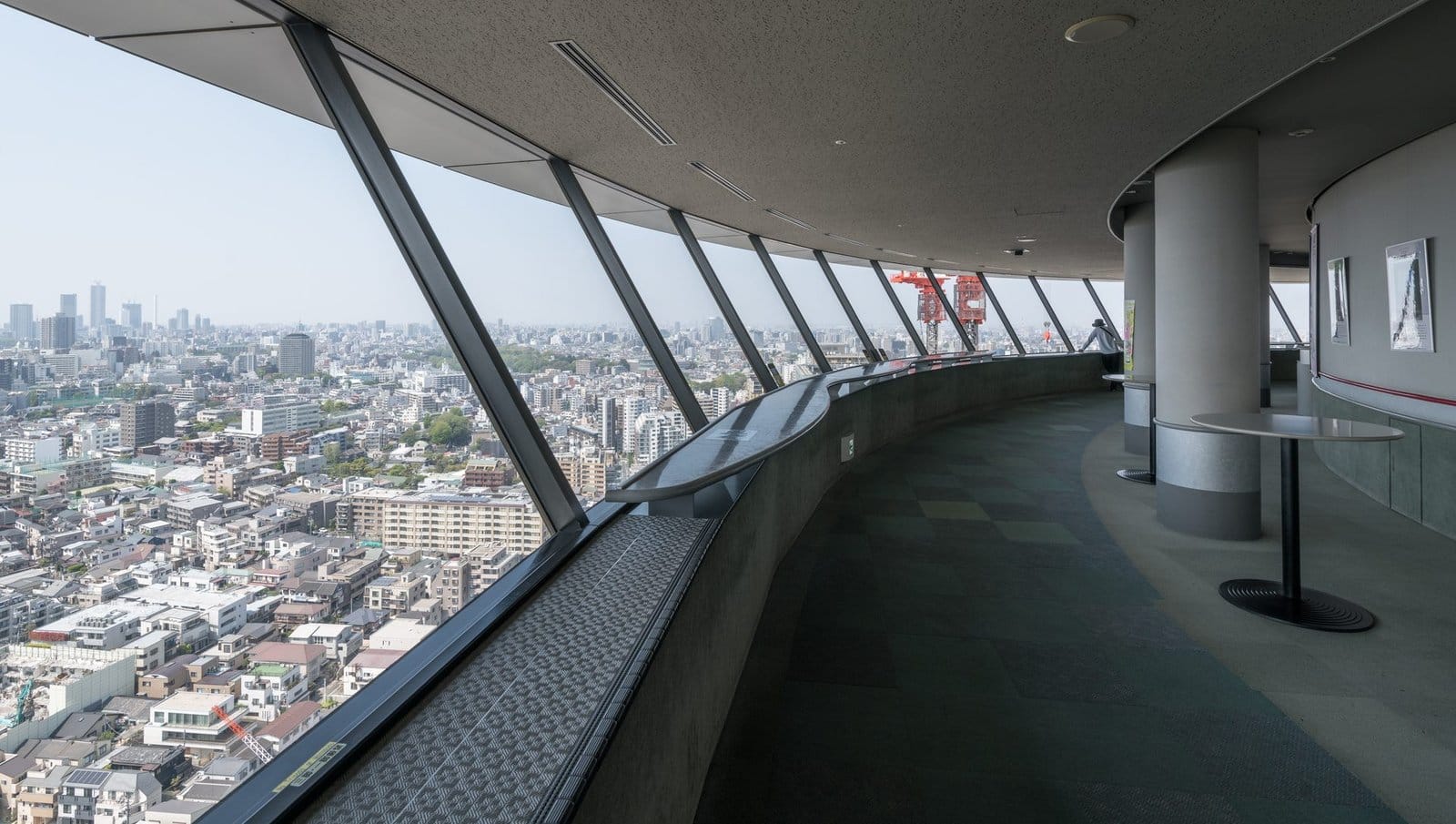
Aquariums are particularly useful for families and mixed-age groups. They are fully indoors, easy to enjoy at a steady pace, and usually offer cafés or nearby dining options. Indoor observation decks, digital art exhibitions, covered markets, department stores, and shopping complexes can also work well when rain becomes heavy.
Large facilities may involve a considerable amount of walking, so comfortable shoes remain important even when the day is mostly indoors.
Food-focused itineraries
Rainy weather is a good excuse to make food part of the main plan rather than a short break between sightseeing stops. Consider a market visit, a regional lunch, a department-store food hall, or a guided tasting experience.
When traveling as a group, ask restaurants about seating arrangements in advance. Japanese restaurants may have compact tables, tatami rooms, or separate seating areas that are not ideal for a large party. A charter operator can help manage the timing between the bus, restaurant, and next attraction.
Waterfalls, Ponds, and Gardens After Rain
Not every outdoor stop should be removed from a June itinerary. Rain can transform certain landscapes, especially waterfalls, mountain streams, moss gardens, and ponds.
Waterfalls and mountain scenery
Waterfalls may look more dramatic after rainfall, while forest trails can appear brighter and more vivid. Popular examples across Japan include waterfall areas near Nikko, Hakone, Kyoto, and regional mountain towns. Conditions vary, however, and heavy rain can make paths slippery or temporarily restrict access.
A good rainy-season plan should include:
- Waterproof shoes or shoes with reliable grip.
- Compact umbrellas or rain jackets.
- Towels and a change of socks for longer walking days.
- A backup indoor stop within reasonable driving distance.
- Time to check local safety notices before leaving the bus.
Do not assume that a waterfall is automatically accessible in bad weather. Your driver and local staff can help confirm practical drop-off points, but attraction closures and trail decisions should always be respected.
Ponds, gardens, and misty landscapes
Ponds and traditional gardens often look especially striking in soft rain. Reflections become more muted, foliage appears deeper green, and light mist can add atmosphere to a photograph. Japanese gardens are also good for short outdoor visits because paths may be relatively compact and nearby buildings often provide shelter.
If the rain is light, consider visiting a garden in the morning, followed by lunch and an indoor attraction in the afternoon. If the forecast worsens, reverse the order. This is one of the main advantages of having a private vehicle rather than coordinating several taxis or public transfers.
Choosing the Right Charter Bus for Your Group
Vehicle size affects more than seating. It influences luggage space, boarding speed, comfort during wet weather, and how easily the group can stay together.
| Vehicle size | Best for | Rainy-season advantages | Planning notes |
|---|---|---|---|
| 5 seats | Couples, families, or very small private groups | Easy access to smaller attractions and narrow local roads | Limited luggage space; best for light packing |
| 7 seats | Small families or friends traveling together | More room for umbrellas, day bags, and shopping | Confirm luggage needs before booking |
| 10 seats | Small groups wanting extra personal space | Comfortable for longer transfers and flexible stop changes | Useful when the group has substantial luggage |
| 16 seats | Medium-sized families, friends, or work groups | Keeps everyone together without using a large coach | Check access near older districts and mountain sites |
| 29 seats | Larger tour groups | Good balance of capacity, comfort, and organized boarding | Ideal for multi-stop regional itineraries |
| 45 seats | Large groups, school groups, and organized tours | Efficient for major attractions and long-distance travel | Some narrow roads and small parking areas may not suit a full-size coach |
The best vehicle is not always the smallest one that technically fits. On a rainy day, people carry jackets, umbrellas, shopping bags, and wet outer layers. Extra room can make boarding faster and the journey more pleasant.
At the same time, a large coach may not be able to stop directly beside every attraction. Historic neighborhoods, mountain roads, and small garden entrances can have restrictions. Your route should distinguish between the bus parking area, the legal passenger drop-off point, and the attraction entrance.
Why a Charter Bus Helps in Wet Weather
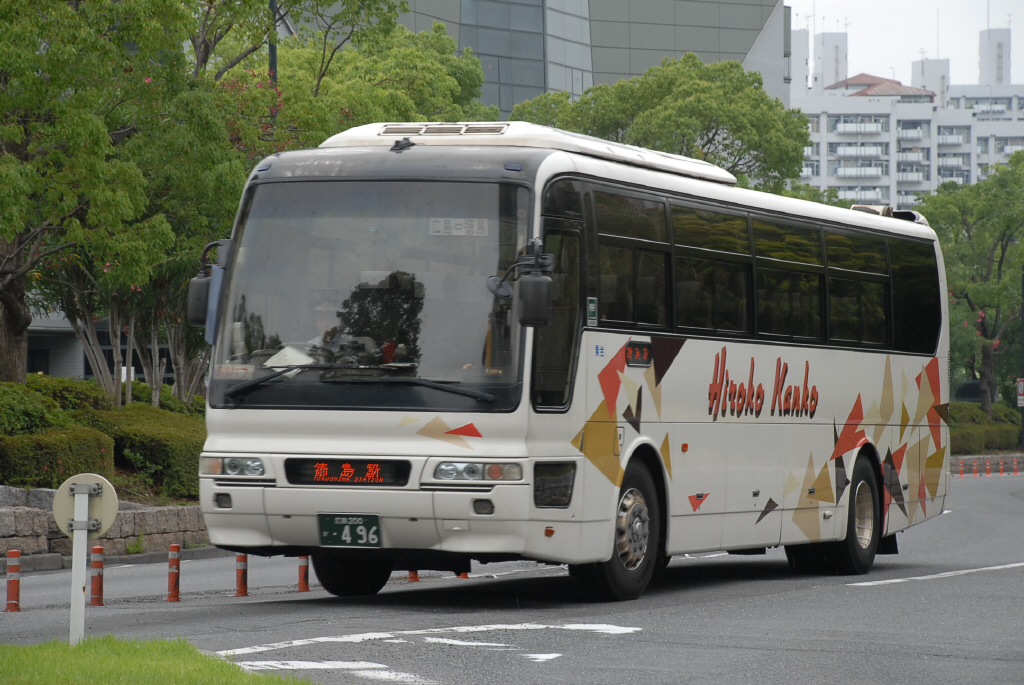
A private charter bus gives your group a sheltered base throughout the day. Instead of waiting at exposed stations or walking between multiple transfers, you can travel directly from one planned stop to the next.
When conditions allow, the operator can arrange a drop-off as close as legally and practically possible to the entrance. The bus may then wait at an approved parking area or nearby location while your group visits the attraction. This is especially helpful for travelers with children, older family members, mobility concerns, or formal clothing that should not be soaked.
A licensed Japanese operator also brings local knowledge of roads, parking rules, traffic patterns, and seasonal access conditions. Share your priorities during the booking process:
- The number of passengers and amount of luggage.
- Whether anyone needs easier boarding or shorter walking distances.
- Indoor attractions that require timed entry.
- Waterfalls, gardens, or mountain areas on your wish list.
- Preferred departure and return times.
- Whether the bus needs to remain nearby between visits.
The operator can then advise whether your proposed route is realistic for the selected vehicle.
A Flexible June Day Plan
Here is one practical structure for a rainy-season group day:
- Morning: Begin with a museum, aquarium, or reserved cultural activity.
- Lunch: Choose a restaurant with group seating and easy bus access.
- Early afternoon: Visit a garden, pond, or waterfall if the rain is light.
- Weather backup: Move to a covered market, shopping complex, or indoor exhibition if conditions worsen.
- Evening: Return directly to your hotel or continue to a pre-booked dinner.
This format avoids making the entire day depend on one outdoor viewpoint. It also gives the group clear meeting times and fewer decisions to make while dealing with umbrellas and wet roads.
For a tailored route and a free quote with a reply within 24 hours, submit your charter bus request to OlaChill.
FAQ
Is June a bad month for a group trip to Japan?
No. Rain is more likely in many regions, but June also brings vivid greenery, atmospheric gardens, and fuller waterfalls. A flexible itinerary with indoor and outdoor options can work very well.
Can a charter bus stop directly at every attraction?
Not always. Historic districts, narrow streets, private roads, and traffic regulations may limit access. The operator will use the closest legal and practical drop-off point and may arrange nearby parking while your group visits.
Which bus size is best for a group with luggage?
That depends on passenger numbers, suitcase quantity, and trip length. A vehicle with spare seats is often more comfortable in rainy weather because umbrellas, jackets, and shopping bags need extra space.
Should we cancel waterfall or garden visits during rain?
Not automatically. Light rain can improve the scenery, but heavy rain may create slippery paths or temporary closures. Keep an indoor alternative ready and follow local safety guidance.
How early should we arrange a rainy-season charter bus?
Book as early as possible, especially for larger groups, multi-day trips, or dates around popular travel periods. Early planning gives you more choice of vehicle size, route, and departure time.