Etiquette Rules for Traveling in Japan — What to Know Before Your First Trip
A guide to Japanese etiquette: keeping quiet on trains, queuing, not eating while walking, taking off your shoes indoors, onsen etiquette, taking your trash with you, and not tipping.
Aug 8, 2026·✍️ olablog·⏱ 7 min read
A guide to Japanese etiquette: keeping quiet on trains, queuing, not eating while walking, taking off your shoes indoors, onsen etiquette, taking your trash with you, and not tipping.
What impresses many visitors most about Japan is not its golden temples or cherry blossoms, but the feeling that everything runs so smoothly: spotless streets despite the scarcity of public trash cans, crowded stations where nobody pushes or shoves, and the almost surreal quiet inside packed train cars. The secret lies in the unwritten rules of etiquette that Japanese people absorb from childhood. As a visitor, you are not expected to be perfect — Japanese people are very understanding toward tourists — but knowing the basics will help you feel more confident, make a better impression, and experience the country more deeply. Here are the most important things to know before your first trip.
On trains: silence is the default
Trains are where these rules are most visible. Japanese people regard train cars as shared spaces that should be kept quiet: don’t talk on the phone (phones should always be set to vibrate — "manner mode"), keep your voice down when chatting with companions, and don’t play videos through the speaker. If you receive an important call, send a message saying you’ll call back later or wait until you get off the train.
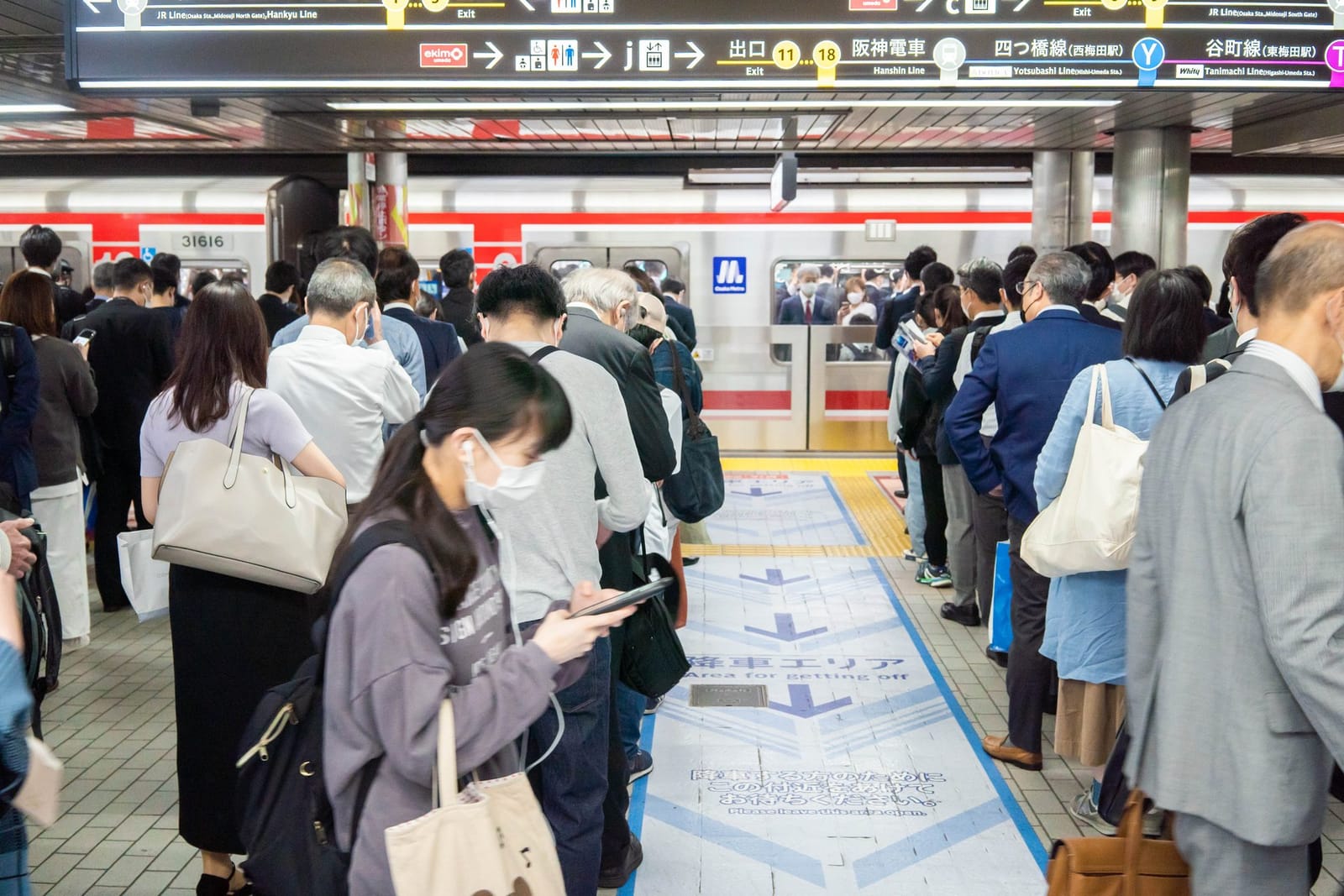
A few related rules: priority seats are for elderly passengers, pregnant women, and people with disabilities — don’t remain seated when someone needs the seat; wear large backpacks on your front or place them on the luggage rack; during rush hour, some lines have women-only cars, so look out for the pink signs on the platform. When a train arrives, stand to either side of the doors and wait for everyone to get off before boarding. It may sound like a lot, but you only need to remember the basic principle: on a train, try to be as "invisible" as possible.
Queuing: a national art form
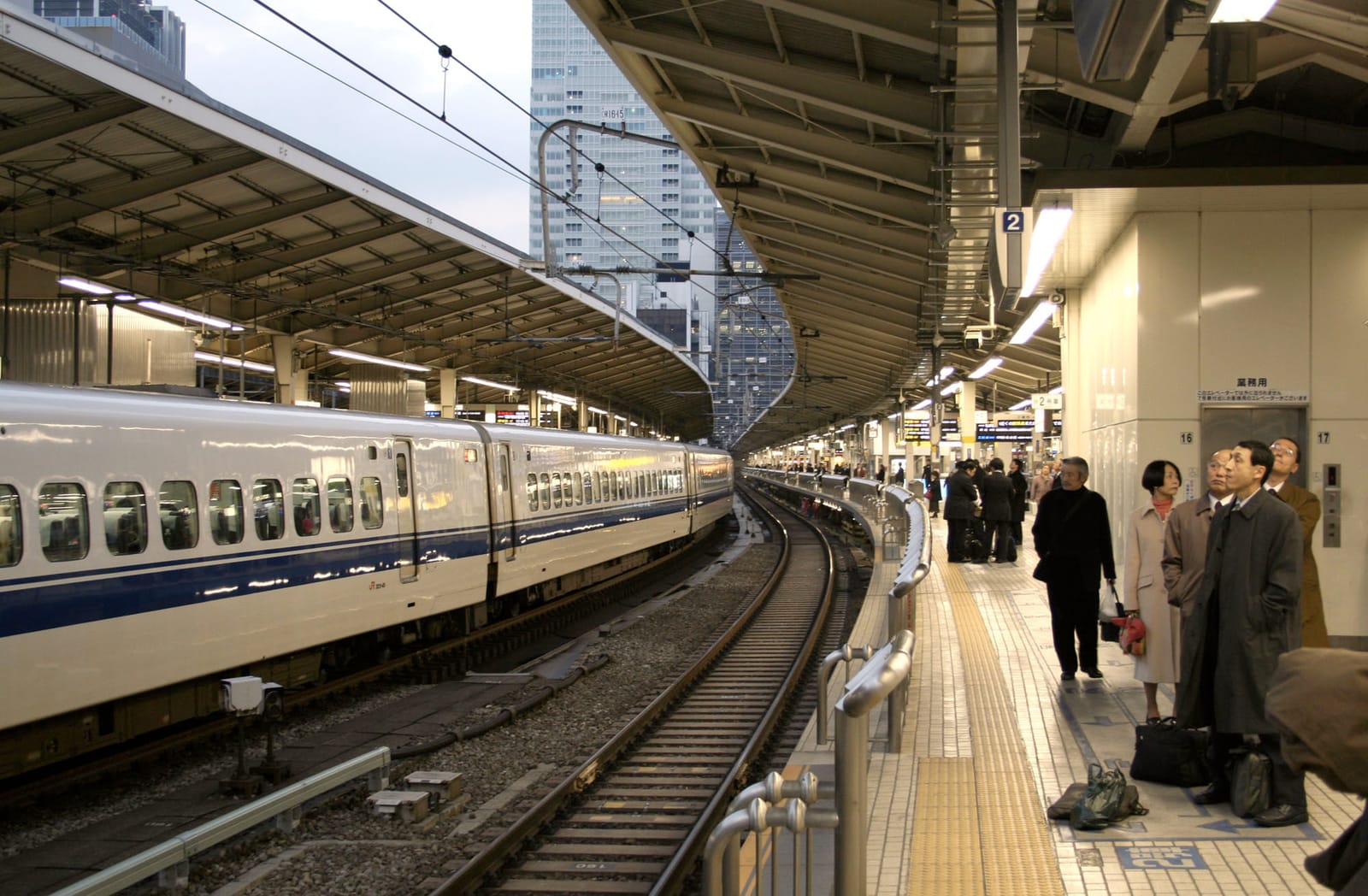
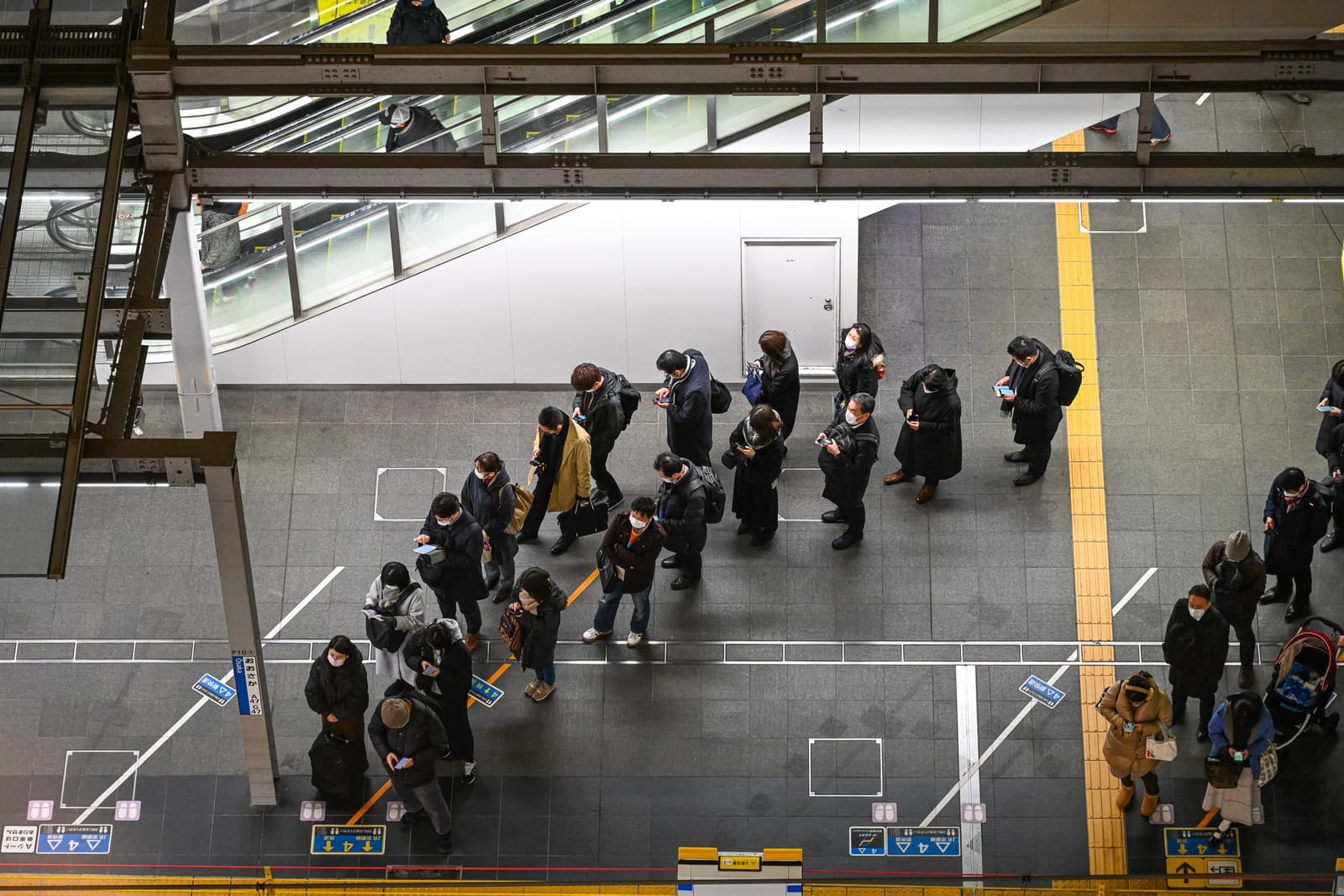
Japanese people queue for everything — escalators, ramen counters, elevators, and even designated spots marked on the platform for waiting trains. The only rule you need is this: when you see a line, join the end of it, and don’t hold places for a large group that is arriving later. On escalators, people generally stand on one side (on the left in Tokyo and on the right in Osaka — an interesting regional difference) to leave a path for those in a hurry, although railway operators now recommend standing on both sides for safety. The sensible approach is to watch the locals and follow their lead. At popular restaurants, many places issue name slips or have ticket machines, so ask a staff member before simply joining a queue.
Eating and drinking: don’t eat while walking, and mind your table manners
Unlike in many countries, eating while walking (tabearuki) is considered impolite in Japan, partly because it can lead to messes and inconvenience other people. When buying street food — grilled chicken skewers, taiyaki, or matcha ice cream — stand and eat beside the stall or in the designated area, then return your trash to that same vendor before moving on. In some busy tourist areas, such as Kyoto’s historic streets, signs explicitly remind visitors not to eat while walking.
At the table, there are a few things to avoid: never stand chopsticks upright in a bowl of rice or pass food from chopsticks to chopsticks (both evoke funeral rituals); don’t rub your chopsticks together; and when taking food from a shared dish, use the opposite ends of your chopsticks or the communal serving chopsticks. On the other hand, some surprising behaviors are perfectly acceptable: slurping noodles loudly is normal and can even show that you are enjoying them; lifting a bowl of rice or soup close to your mouth is considered proper etiquette, not bad manners. Before eating, say "itadakimasu"; when you finish, say "gochisosama deshita" — two magic phrases that make restaurant owners smile.
Shoes: the sacred boundary between "outside" and "inside"
One rule visitors most easily forget is to take off their shoes before entering a space with wooden flooring or tatami. Signs include a low genkan step below the main floor and a shoe rack by the entrance — whenever you see these (at a ryokan, a private home, some restaurants, temples and shrines, or fitting rooms), take off your shoes there. A few details will help you get it "right": remove your shoes with the toes pointing toward the door; don’t step onto tatami with indoor slippers (only bare feet or socks are appropriate); and remember that toilets have their own slippers, which must be changed back after use — "parading" toilet slippers into the living room is a classic tourist mistake. A practical tip: on days when you visit temples, shrines, and ryokan, wear easy-to-remove shoes and make sure your socks are in good condition.
Onsen and sento: wash first, soak afterward
Hot-spring bathing has its own set of rules, but they are easy to remember: scrub and rinse thoroughly in the shower before entering the bath; enter the bath without swimwear, and don’t put your towel in the water (place the small towel on your head or leave it outside); tie up long hair; don’t swim, make excessive noise, or take photos under any circumstances. People with tattoos should check each facility’s rules in advance — an increasing number of establishments welcome tattoos or offer private baths for rent. After soaking, dry yourself before entering the changing room. If you have the chance to stay overnight at a traditional inn, you’ll see how these rules become part of a complete experience — see more in these recommendations for OlaChill ryokan-night Japan tours.
Take your trash with you, and don’t tip
Here are the final two "culture shocks." First: Japan is exceptionally clean but has almost no public trash cans (most were removed in the 1990s for security reasons). Japanese people generally take their trash home. As a visitor, keep a small nylon bag in your backpack for the day’s rubbish, and make use of trash cans at konbini (for items purchased there only), vending machines (for bottles and cans only), and hotels. Littering is not only subject to penalties; it is also the quickest way to attract disapproving looks.
Second: don’t tip. In Japan, good service is a professional standard, not something exchanged for a bonus. Leaving money on the table will often confuse the staff, who may even run after you to return it because they think you forgot it. A sincere thank-you, a "gochisosama," and a slight bow are the most appropriate forms of "tipping." The rare exception is certain high-end services where a thank-you envelope may be given according to specific customs — but ordinary travelers never need to worry about this.
The list may sound long, but everything comes down to one guiding principle: don’t inconvenience the people around you — meiwaku wo kakenai. Keep that spirit in mind, observe the locals, and follow their lead, and you’ll naturally handle most situations appropriately. And if you make a mistake — everyone does now and then — a "sumimasen" with a smile is usually enough to smooth things over. Prepare further for your first trip with more practical articles on the OlaChill Japan travel blog; Japan will repay your thoughtfulness with experiences even more beautiful than you expect.