
Aomori Nebuta Festival: Watching the Floats and Dancing as Haneto
What the Aomori Nebuta Festival is like in early August: the glowing floats, how to join in as a haneto dancer, getting there from Tokyo, and where to stay.
May 4, 2026·✍️ olablog·⏱ 5 min read
What the Aomori Nebuta Festival is like in early August: the glowing floats, how to join in as a haneto dancer, getting there from Tokyo, and where to stay.
Tap a region to browse articles
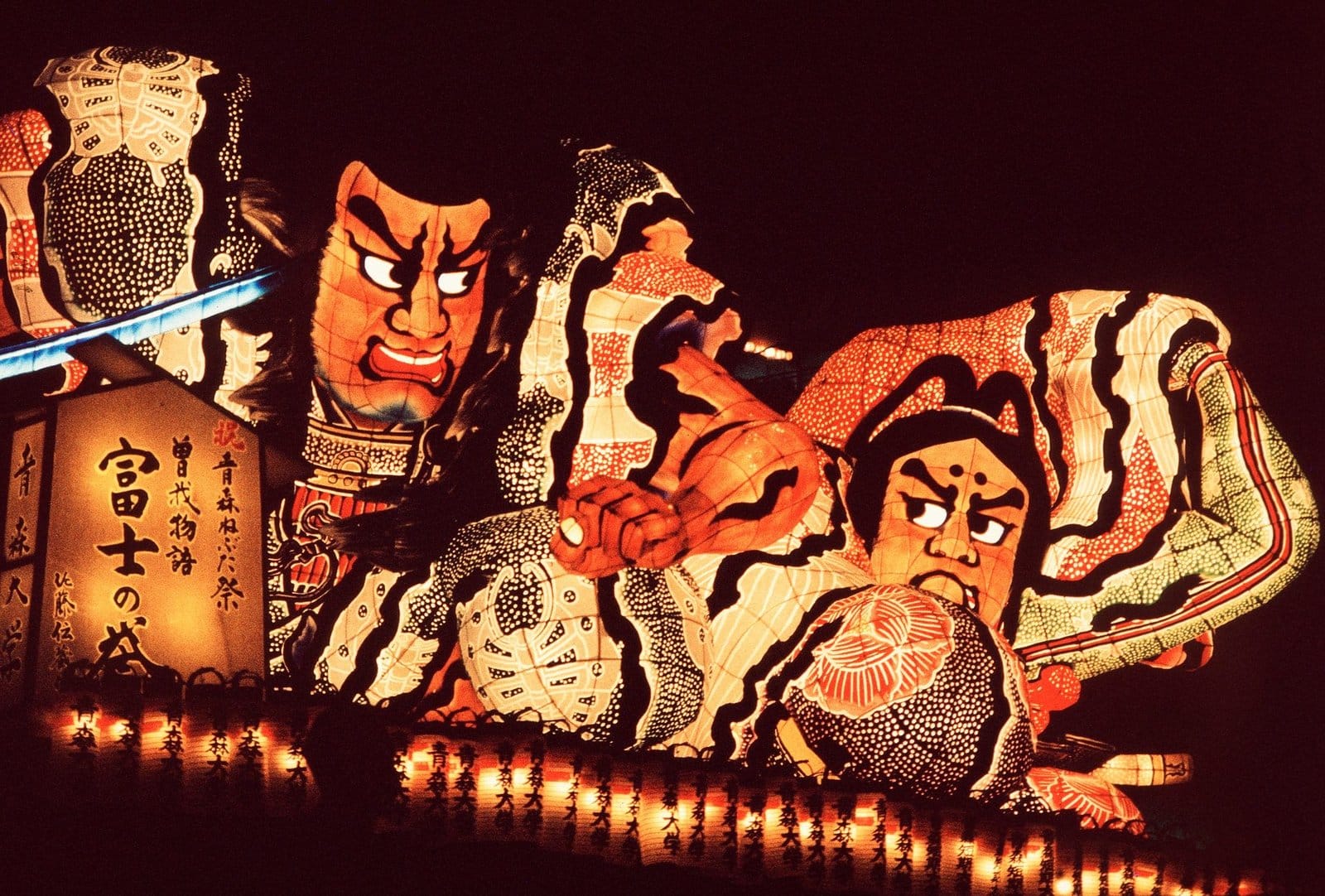
For six nights at the start of August, the centre of Aomori City belongs to giant paper warriors. The Nebuta Festival runs from 2 to 7 August every year. Its floats are huge, lit from within, and pulled through the streets by teams while thousands of dancers leap around them to drums, flutes and hand cymbals. You can watch from the kerb, but Nebuta is also one of the few big Japanese festivals where a visitor can simply put on the costume and join the dancing.
What a nebuta is
A nebuta is a sculpture of washi paper stretched over a wire frame, painted in bold colours and lit from inside. The large floats show warriors, gods and scenes from Japanese legend, kabuki and Chinese epics such as the Romance of the Three Kingdoms. The biggest are up to about nine metres wide. Each is designed by a specialist nebuta-shi and built over many weeks in temporary sheds near the waterfront. The festival's roots are usually traced to summer lantern customs linked to Tanabata and to sending away the drowsiness and bad luck of summer. Today it is also a competition, and prizes are announced during the week.
Up close, the details surprise you. There are painted muscles and flowing robes, and the faces look alive when the float swings round a corner and the light moves across them.
How the week unfolds
The evening parades begin on the night of 2 August and run every night until the 6th, starting after dark. The route is a loop through the city centre, a short walk from Aomori Station. The floats wait in position around the loop and set off together, so wherever you stand, a steady stream of nebuta will pass. On 7 August the parade moves to the afternoon. That evening, prize-winning floats are carried on boats across Aomori Bay while fireworks go up over the water, which makes the final night feel quite different from the others.
Dancing as a haneto
The haneto are the festival's dancers. Their step is a light, skipping hop from one foot to the other, and they chant "Rassera, rassera" in time with the drums. Anyone wearing the proper haneto costume can join a group behind a float. You do not need to register. The costume is the one rule you cannot skip: a flower-covered hat (hanagasa), a white yukata tucked up at the hem, coloured sashes, and strings of small bells that jingle as you jump. Shops in the city rent and sell complete sets during the festival, and staff can help you put it on.
A few tips if you dance. Fix the bells firmly, as they come loose easily; locals say a bell you find on the street brings good luck. Wear comfortable footwear, because you will hop for an hour or more. Follow the group leaders, stay with your float, and do not drink while you dance.
Nebuta Museum WA-RASSE
If your dates do not match the festival, go to WA-RASSE, the nebuta museum next to Aomori Station on the waterfront. It displays several full-size prize-winning floats all year and explains how nebuta are designed and built. At set times it also holds performances of the festival music, sometimes with a chance to try the haneto step before the real thing. Nearby, the bay promenade and the Hakkoda-maru, a former Seikan ferry now a museum ship, are worth a short walk.
Getting there
From Tokyo, the Tohoku Shinkansen reaches Shin-Aomori in about three hours. A local JR train then takes a few minutes to Aomori Station, which is close to the parade route. From Sendai the shinkansen is quicker, and from Hakodate in Hokkaido the Hokkaido Shinkansen runs from Shin-Hakodate-Hokuto, outside the city, to Shin-Aomori. There are also flights to Aomori Airport, from where buses run to the city centre in under an hour. Book shinkansen seats early for festival week.
Where to stay
Hotels in Aomori City sell out months ahead for festival week. Hirosaki is a good alternative. It is under an hour away by train, has a castle town to explore by day, and holds its own Neputa festival, with mostly fan-shaped floats, in the same week. Hachinohe, on the Pacific side, is another option. Check the last train back before a late night.
Watching well: practical tips
- Paid seats along the route give you a guaranteed view. The free kerbside is fine too, but claim a spot an hour or more before the start.
- Stay behind the ropes and never touch a float, however close it comes. The teams steering them need clear space.
- Bring a light rain jacket rather than an umbrella. The parade usually goes ahead in light rain, and umbrellas block other people's view.
- Carry cash for food stalls, water, and a small bag for your rubbish, as bins are scarce.
- Aomori is cooler than Tokyo in August but still humid. Evenings are pleasant, and a thin extra layer helps if you sit late by the bay.
Around the festival
Northern Tohoku is packed with summer festivals. In the same part of August you can add Hirosaki Neputa, the towering Tachineputa floats of Goshogawara, or Akita's Kanto Festival, where performers balance tall poles hung with lanterns. Sendai's Tanabata Festival, with its paper streamers, overlaps the end of the week. Together with Nebuta, Akita Kanto and Sendai Tanabata are known as the three great festivals of Tohoku. Outside festival season, Oirase Gorge and Lake Towada in the south of the prefecture are Aomori's best-known nature trips.
Plan your trip
Book accommodation first, then transport, then decide whether you will watch or dance. If you plan to dance, sort out the costume on the afternoon you arrive. For dates, reserved-seat details and a fuller access guide, see our Aomori Nebuta Festival guide.
More from this region — Tohoku
View all →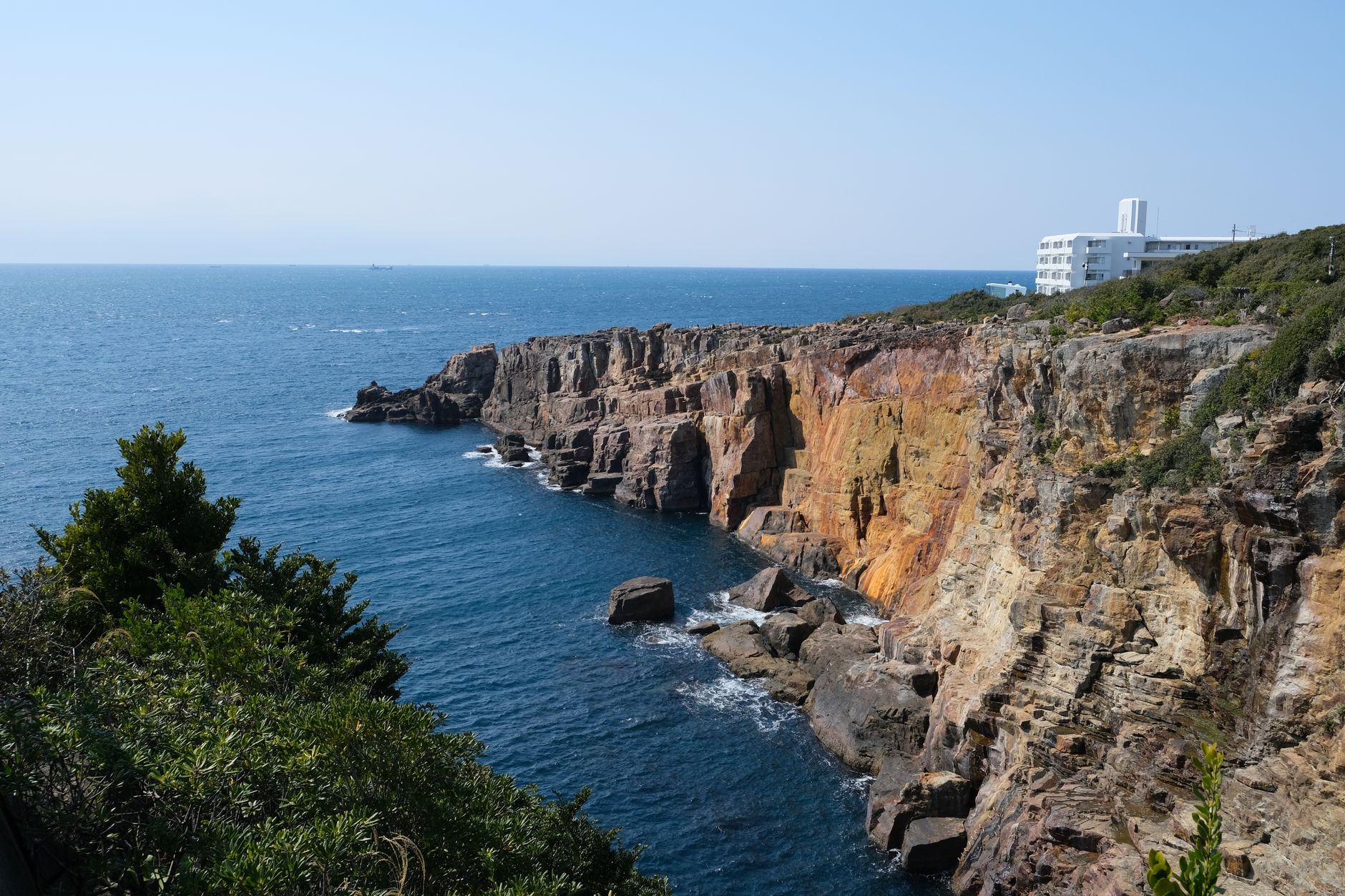
Sanriku Coast – Tohoku's Most Spectacular Shoreline of Sheer Sea Cliffs
5 min · tips
Planning a Sendai and Matsushima Bay Group Trip
9 min · tips
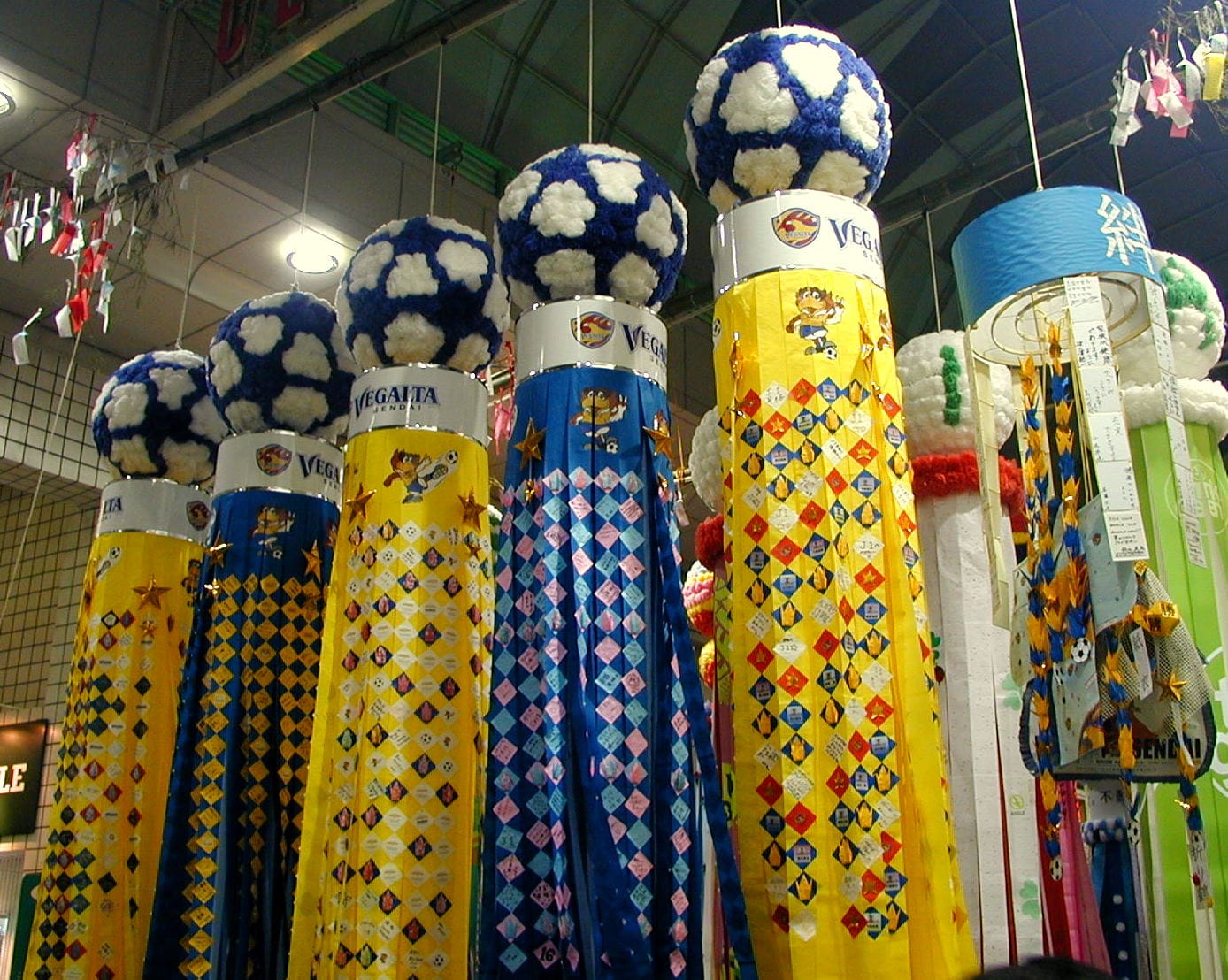
Sendai Tanabata Festival 2026 Complete Guide — August 6–8 · One of Tohoku’s Three Great Festivals · 3000 Tanabata Decorations
5 min · events

Shiga Kogen vs. Zao Ski Resorts: The Complete Guide to Snow Monsters, Snow Quality, and Night Skiing
30 min · スキー