
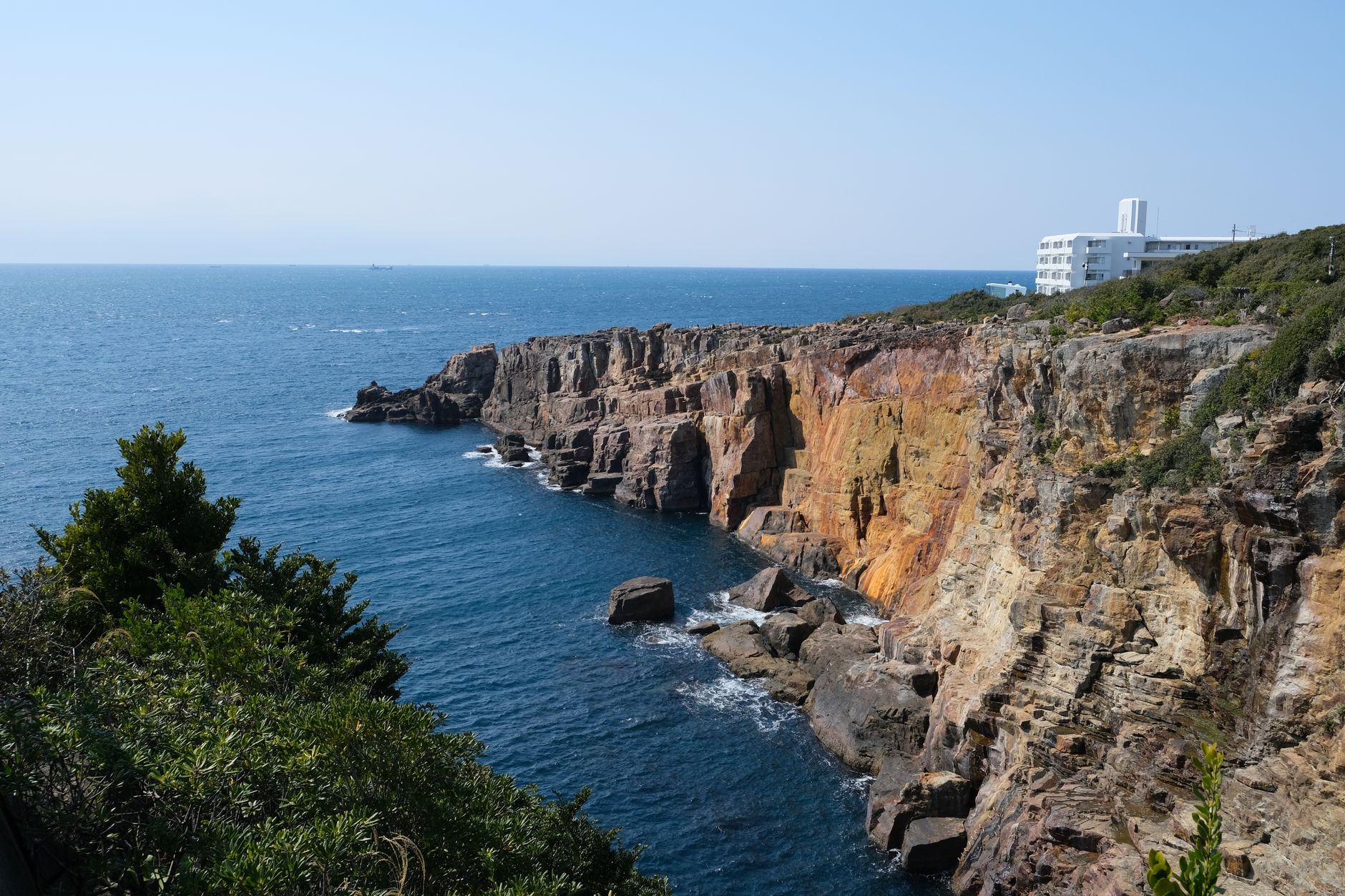
Sanriku Coast – Tohoku's Most Spectacular Shoreline of Sheer Sea Cliffs
Your complete guide to the Sanriku Coast across Iwate and Miyagi prefectures: the best time to visit, how to get there, top photo spots, and practical tips for first-timers.
Mar 29, 2026·✍️ olablog·⏱ 5 min read
Your complete guide to the Sanriku Coast across Iwate and Miyagi prefectures: the best time to visit, how to get there, top photo spots, and practical tips for first-timers.
Tap a region to browse articles
Japan has no shortage of natural showstoppers, but the Sanriku Coast — stretching across Iwate and Miyagi prefectures in the Tohoku region — is one of those places that quietly outshines everything on your itinerary. This isn't just a scenic drive you tick off and move on from. It's the kind of coastline that makes you pull over every ten minutes, stare at the Pacific horizon, and wonder why your travel agent never mentioned it.
1. What Makes Sanriku Coast So Special
The Sanriku Coast is defined by drama: jagged sea cliffs dropping straight into deep blue water, hidden coves carved by centuries of waves, and a rugged beauty that feels closer to the Scottish Highlands or Big Sur than the Japan most visitors picture. The light shifts throughout the day — golden at dawn, piercing white at midday, then melting into pink and violet at dusk — meaning no two visits look the same.
The journey itself is part of the experience. Roads curve along mountain ridges, sweep past rice paddies, and hug the shoreline in ways that would make any road-tripper's heart sing. Travelers who've made this drive consistently say it felt less like getting from A to B and more like a full adventure in its own right.
2. Top Photo Spots You Can't Miss
The Sanriku Coast across Iwate and Miyagi is packed with viewpoints — some famous, some known only to locals. Here are the ones worth planning your day around:
Main observatory deck: Sweeping 180-degree views of the coastline below. Sunrise and sunset here consistently rank as the best in the region — set your alarm.
Ancient tree-lined road: A canopy tunnel formed by centuries-old trees, at its most photogenic in spring (cherry blossoms) and early summer (deep green). Think: Hallerbos Forest, but Japanese.
Reflective waterway: A nearby river or inlet mirrors the cliffs and sky like a natural mirror, producing those perfectly symmetrical shots that perform embarrassingly well on Instagram.
Summit panorama point: Hike or drive to the highest accessible point in the area for a full panoramic sweep over Iwate and Miyagi. Worth every step.
3. Best Time to Visit
Every season brings something different to the Sanriku Coast, but the sweet spots are May and August. Here's why:
- Weather is at its most stable — ideal for driving and cliff-side viewpoints
- The landscape peaks in seasonal beauty: spring blossoms in May, vivid blue seas in August
- Golden-hour light is at its best between 6–9 AM and 4–6 PM
- Crowds are manageable — busy enough to feel alive, not so packed that you're queuing for viewpoints
Visiting in winter? Expect dramatic snowscapes that look like a woodblock print come to life — stunning, but mountain roads can ice over, so check conditions carefully. Spring foliage and autumn colors are both equally worthwhile if May or August don't fit your schedule.
4. The Best Way to Explore — Drive It Yourself
Public transit in Tohoku is serviceable but sparse in coastal areas. If you want to stop wherever the view demands it, explore backroads that don't appear on any tour bus itinerary, and set your own pace entirely, renting a car is the move. Roads along the Sanriku Coast are well-maintained, clearly signed, and punctuated with proper rest areas (道の駅, michi-no-eki) at sensible intervals — making this one of Japan's most rewarding road trips for drivers of any experience level.
✨ Pro tip: Book a private car through OlaChill and explore the Sanriku Coast entirely on your own terms — with a driver or self-drive, whichever suits you.
5. Sample 1–2 Day Itinerary
Day 1
- 6:00 AM – Head to the main observatory to catch sunrise over the coast in golden light
- 8:00 AM – Breakfast at a local restaurant — look for fresh seafood sets; this coast is prime territory for uni (sea urchin) and sanma (Pacific saury)
- 9:30 AM – Drive the main scenic route, stopping freely at pull-offs and viewpoints
- 12:00 PM – Lunch at a roadside michi-no-eki or local spot
- 2:00 PM – Explore secondary highlights: a historic fishing village, waterfall, or inland lake
- 5:00 PM – Check into your hotel or ryokan
- 6:30 PM – Soak in the onsen (if your accommodation has one), then settle in for a kaiseki dinner
Day 2
- 7:00 AM – Early breakfast and an early start to beat any crowds
- 8:30 AM – Hit a lesser-known side road or off-the-radar viewpoint
- 11:00 AM – Shoot the reflective waterway — light is usually ideal mid-morning
- 1:00 PM – Lunch and a slower afternoon wind-down
- 3:00 PM – Head to your next destination or begin the return journey
6. Practical Tips Before You Go
- 📷 Golden hour is non-negotiable: The 30 minutes before and after sunrise/sunset deliver light that no filter can replicate. Plan your driving schedule around it.
- 🚗 Book your rental car early: Especially in May and August, rental availability in Tohoku fills up fast — reserve at least one to two weeks ahead.
- ⛽ Fill up whenever you can: Gas stations can be miles apart in rural Iwate and Miyagi. Don't let the tank drop below a quarter.
- 📱 Download offline maps: Google Maps offline for the Iwate/Miyagi area is essential — cell signal gets patchy along remote coastal stretches.
- 🍙 Stock up at convenience stores: 7-Eleven and FamilyMart are your best friends on the road. Onigiri, sandwiches, hot drinks — they've got you covered between restaurants.
- ☁️ Check the weather forecast: Particularly important in winter or during the June rainy season (tsuyu). Mountain roads can close without much warning.
More from this region — Tohoku
View all →
Planning a Sendai and Matsushima Bay Group Trip
9 min · tips

Sendai Tanabata Festival 2026 Complete Guide — August 6–8 · One of Tohoku’s Three Great Festivals · 3000 Tanabata Decorations
5 min · events

Shiga Kogen vs. Zao Ski Resorts: The Complete Guide to Snow Monsters, Snow Quality, and Night Skiing
30 min · スキー
Tohoku in Autumn – Japan's Northeast Ablaze with Gold and Crimson
5 min · seasonal