7-Day Kansai Itinerary: Osaka, Kyoto, Nara, and Kobe in One Trip
A complete 7-day Kansai itinerary guide: 2 days in Osaka, 3 days in Kyoto, 1 day in Nara, and 1 day in Kobe or Himeji. Includes money-saving rail pass tips.
Aug 8, 2026·✍️ olablog·⏱ 7 min read
A complete 7-day Kansai itinerary guide: 2 days in Osaka, 3 days in Kyoto, 1 day in Nara, and 1 day in Kobe or Himeji. Includes money-saving rail pass tips.
Tap a region to browse articles
If Tokyo represents the sleek, modern face of Japan, 関西(Kansai) is the country's cultural heartbeat. Within roughly a one-hour train ride around 大阪(Osaka), you can reach the thousand-year ancient capital of 京都(Kyoto), 奈良(Nara) with its wild deer roaming freely through the streets, stylish 神戸(Kobe) sitting along the bay, and the snow-white 姫路城(Himeji Castle)—Japan's grandest World Heritage castle. Because everything is packed so close together, Kansai is perfectly suited for a hub-and-spoke "single hotel base" style of travel. This 7-day itinerary suggests basing yourself in either Osaka or Kyoto, keeping annoying hotel changes and heavy luggage dragging to an absolute minimum.
Arriving at 関西国際空港(Kansai International Airport / KIX), you can easily catch the 南海電鉄(Nankai Electric Railway) train directly to 難波(Namba, Osaka) in about 45–60 minutes, or hop on the はるか(Haruka Express) straight to Kyoto in roughly 80 minutes.
Days 1–2: Osaka – Eat Until You Drop, Play to Your Heart's Content
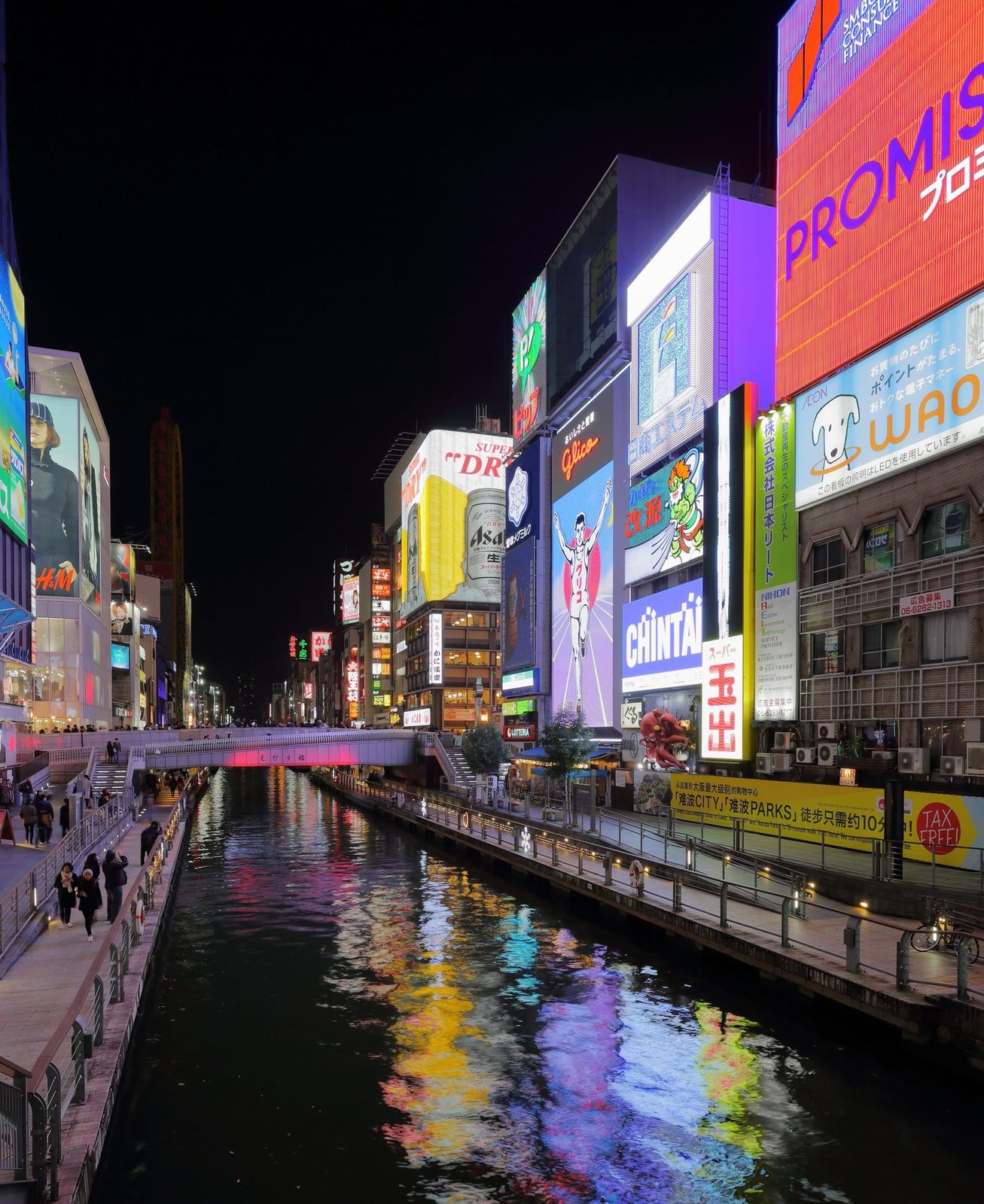
Osaka proudly calls itself "Japan’s Kitchen," and your two days here should naturally revolve around food.
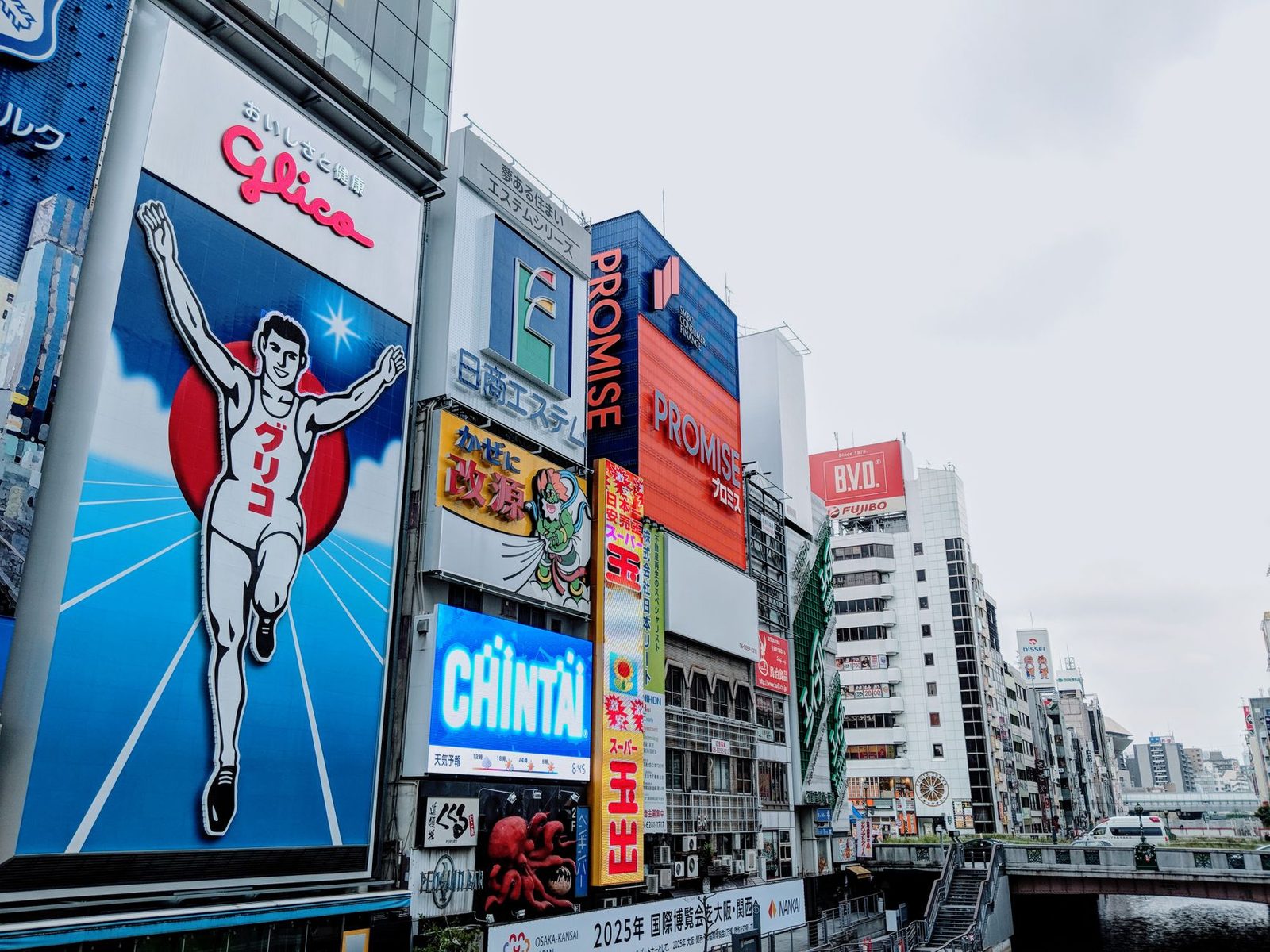
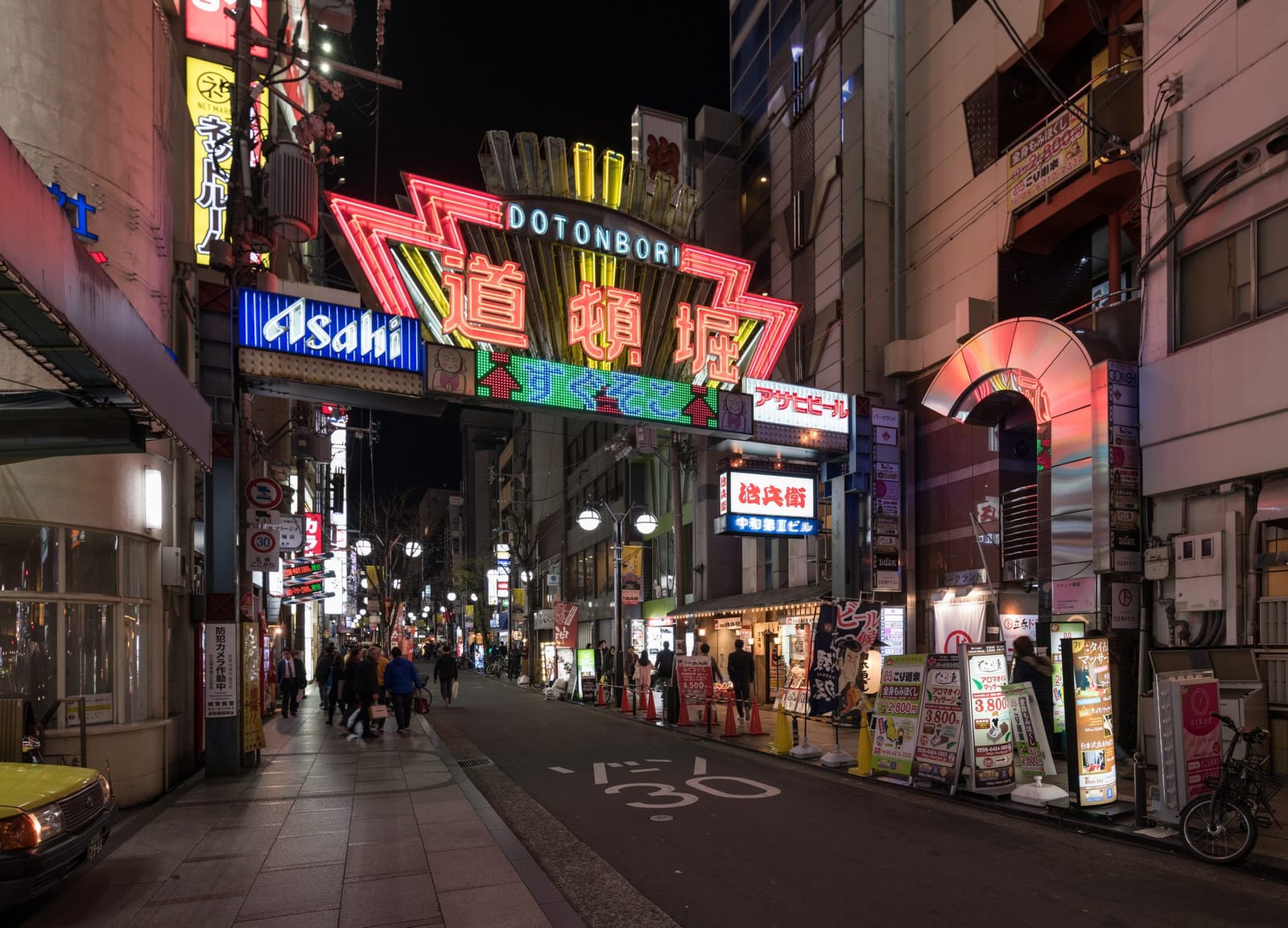
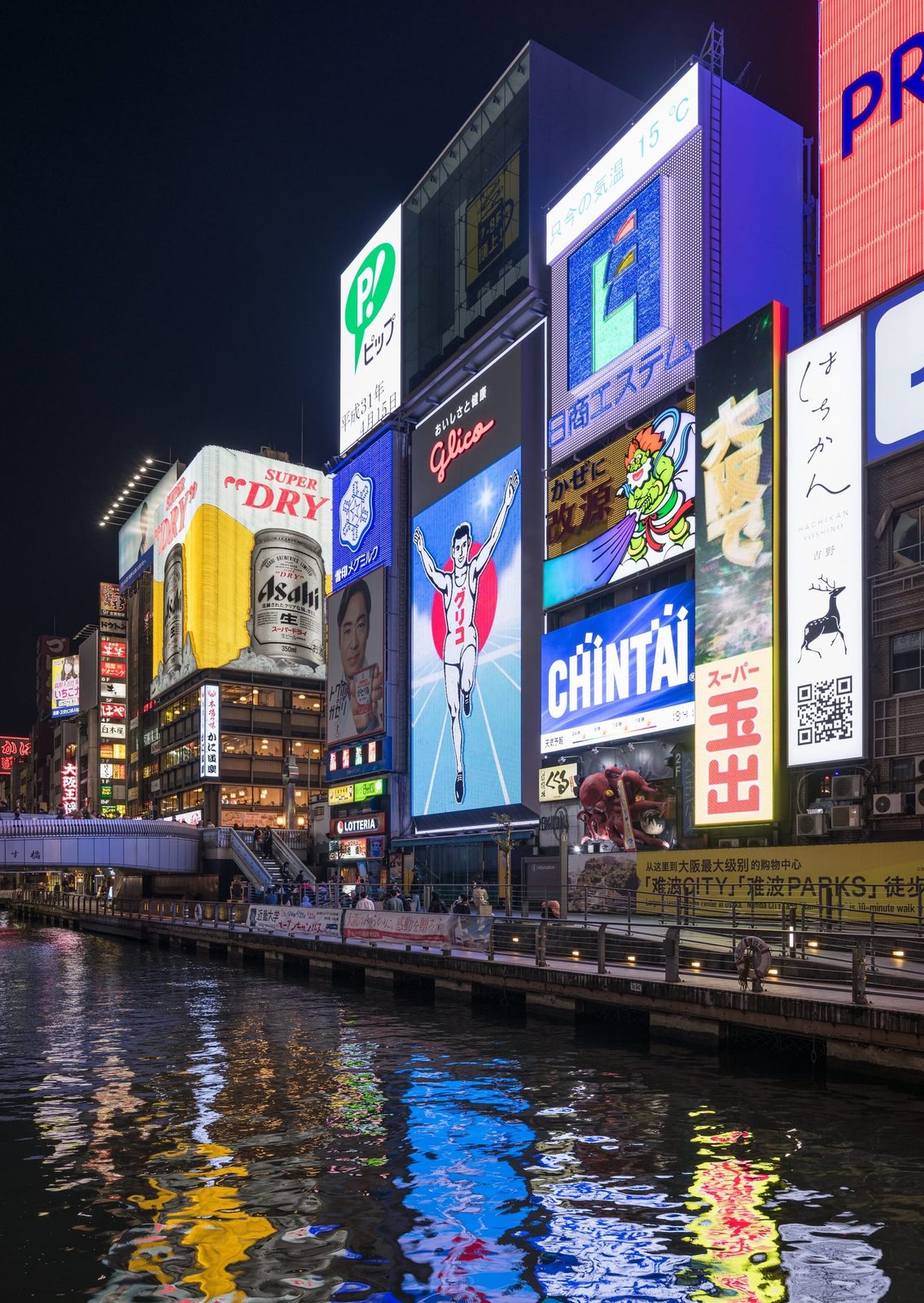
Day 1 focuses on the city center: start your morning exploring 大阪城(Osaka Castle) and its surrounding park, head down to retro 新世界(Shinsekai) in the afternoon to feast on kushikatsu (串カツ - deep-fried skewers), and cap off the night at 道頓堀(Dotonbori)—a sensory overload of flashing neon signs, the iconic グリコサイン(Glico Running Man sign), and steaming stalls selling takoyaki (たこ焼き - octopus balls). A full night of street food feasts and drinks in Dotonbori typically runs around ¥2,500–¥4,000 ($17–$27 USD) per person.
Day 2 depends on your taste: families and movie buffs can opt for ユニバーサル・スタジオ・ジャパン(Universal Studios Japan) (1-day park tickets run around ¥8,900–¥10,900 / $60–$73 USD, so book well in advance); those seeking a more relaxed pace can wander through the 梅田(Umeda) district, take in panoramic vistas from the 梅田スカイビル(Umeda Sky Building) observation deck, and spend the afternoon strolling down the endlessly long 心斎橋(Shinsaibashi) shopping arcade.
Days 3–5: Kyoto – Three Days in the Thousand-Year Ancient Capital
Kyoto boasts over 1,600 Buddhist temples and Shinto shrines, so the best strategy is breaking the city down into three distinct regional clusters.
Day 3 – Eastern Kyoto (Higashiyama): Head up to 清水寺(Kiyomizu-dera Temple) early in the morning—ideally before 8:00 AM—to beat the tour bus crowds. Afterward, stroll down the historic stone slopes of 産寧坂(Sannenzaka) and 二年坂(Ninenzaka), pass through 円山公園(Maruyama Park) toward 八坂神社(Yasaka Shrine), and finish in the iconic geisha district of 祇園(Gion). This will be your heaviest walking day, but also your most picturesque; wear comfortable shoes and allow yourself to get delightfully lost in the cobblestone alleyways.
Day 4 – Western Kyoto (Arashiyama) and Northern Kyoto: Arrive at the 嵐山竹林の小径(Arashiyama Bamboo Grove) extra early in the morning, admire the sweeping view from 渡月橋(Togetsukyo Bridge), and visit 天龍寺(Tenryuji Temple) with its famous UNESCO-listed zen garden. In the afternoon, head over to 金閣寺(Kinkakuji / Golden Pavilion)—the shimmering gold-leaf temple reflected over a mirror-like pond, which stands as one of the most quintessential images of Japan.
Day 5 – Fushimi Inari and Southern Kyoto: Dedicate your entire morning to 伏見稲荷大社(Fushimi Inari Taisha Shrine) and its famous pathway of thousands of vermilion torii (鳥居) gates winding up the mountain. The higher you hike, the thinner the crowds become; reaching the 四ツ辻(Yotsutsuji Intersection) lookout offers spectacular sweeping views of the city without requiring you to trek all the way to the summit. In the afternoon, rest your feet around 京都駅(Kyoto Station), shop for souvenirs, or grab afternoon snacks at 錦市場(Nishiki Market).
Day 6: Nara – Half a Day with Deer, Half a Day with the Great Buddha
Getting to Nara from either Kyoto or Osaka takes just 35–50 minutes on the 近畿日本鉄道(Kintetsu Railway). Virtually all of Nara's key highlights are tucked inside 奈良公園(Nara Park): over a thousand free-roaming deer considered sacred divine messengers (shika senbei / 鹿せんべい deer crackers cost around ¥200 / $1.30 USD per stack—remember to show empty hands when you run out so they stop nudging you!), 東大寺(Todaiji Temple) housing the awe-inspiring 15-meter bronze 大仏(Great Buddha) inside one of the world's largest wooden structures, and 春日大社(Kasuga Taisha Shrine) lined with thousands of moss-covered stone lanterns. If you still have energy, hike up 若草山(Mount Wakakusa) in the late afternoon to take in the golden hour views over Nara. Return to Osaka in the evening to rest.
Day 7: Kobe or Himeji – Choose Your Own Adventure
Your final day offers a flexible choice based on your travel style:
Kobe (roughly 20–30 minutes by train from Osaka) is tailored for foodies and harbor lovers: indulge in genuine Kobe beef for lunch (lunch sets are the ultimate budget hack, usually costing ¥3,000–¥6,000 / $20–$40 USD compared to double that price at dinner), wander through the historic Western-style residences of 北野異人館街(Kitano Foreign Residences area) and 神戸ハーバーランド(Kobe Harborland) in the afternoon, and ride up 六甲山(Mount Rokko) in the evening to witness the famous "10-Million-Dollar Night View."
Himeji (about 30–40 minutes by Shinkansen or 60 minutes on local express trains) is a dream for history enthusiasts: Himeji Castle—nicknamed the "White Heron Castle"—is Japan's premier surviving original castle, with entry costing around ¥1,000 ($6.70 USD). Pairing it with a quiet stroll through the adjacent 好古園(Kokoen Garden) makes for a perfect, well-rounded day trip.
If you wish to visit both without worrying about transit logistics, booking an organized day tour from Osaka is a solid option—you can browse available options on the OlaChill Japan Tours page.
Which Rail Pass Should You Buy for a 7-Day Kansai Trip?
Here's the good news: for an itinerary contained strictly within Kansai, you do not need a nationwide 全日本鉄道周遊券(JR Pass / Japan Rail Pass)—it is far too expensive for this route. Consider these practical, money-saving alternatives instead:
- IC Cards (ICOCA / Suica): The simplest solution. Load cash onto your ICOCA or Suica card and tap through every train line and subway without worrying about transit math.
- Kansai Railway Pass (2-day or 3-day): Offers unlimited rides on private rail lines and subways throughout Kansai—ideal for days when you travel between cities like Nara, Kobe, and Himeji.
- Kintetsu Rail Pass: Excellent value if you plan to visit Nara and other destinations along the Kintetsu line.
- Osaka Amazing Pass (1-day or 2-day): Includes unlimited rides on Osaka subway lines plus free entry to dozens of top attractions like Osaka Castle and the Umeda Sky Building—an incredible bargain for your first two days.
A good general rule of thumb: use an IC card (such as ICOCA or Suica) on days when you stay within a single city, and activate dedicated passes only on days involving long-distance intercity transit. Simply calculate your point-to-point fares quickly and compare them against pass prices to see if it's worth purchasing.
Final Thoughts
Seven days in Kansai means seven days of world-class dining, well-paced sightseeing, and zero wasted travel time—the exact reason this region comes so highly recommended for both first-timers and returning visitors. If you're still torn between focusing on Kansai or taking the classic Tokyo–Kyoto golden route, check out our other detailed itineraries on the OlaChill Blog to find the perfect journey before booking your tickets.