
Kimono in Akita: Where to Wear It, Best Photo Spots and How to Plan the Day
Kimono in Akita: Kakunodate's samurai street and weeping cherries, Kanto lantern festival nights, Senshu Park, Lake Tazawa, seasons and how OlaChill fits in.
Sep 14, 2026·✍️ olablog·⏱ 6 min read
Kimono in Akita: Kakunodate's samurai street and weeping cherries, Kanto lantern festival nights, Senshu Park, Lake Tazawa, seasons and how OlaChill fits in.
Tap a region to browse articles
Akita: the samurai street that was built for kimono
If you could only photograph a kimono in one street in northern Japan, I would send you to Kakunodate. The samurai district has been left almost exactly as it was laid out in the 1600s: black wooden fences, wide earthen road, and weeping cherry trees planted by the families who lived there. Nothing modern intrudes. You do not need a good angle; you just need to stand still.
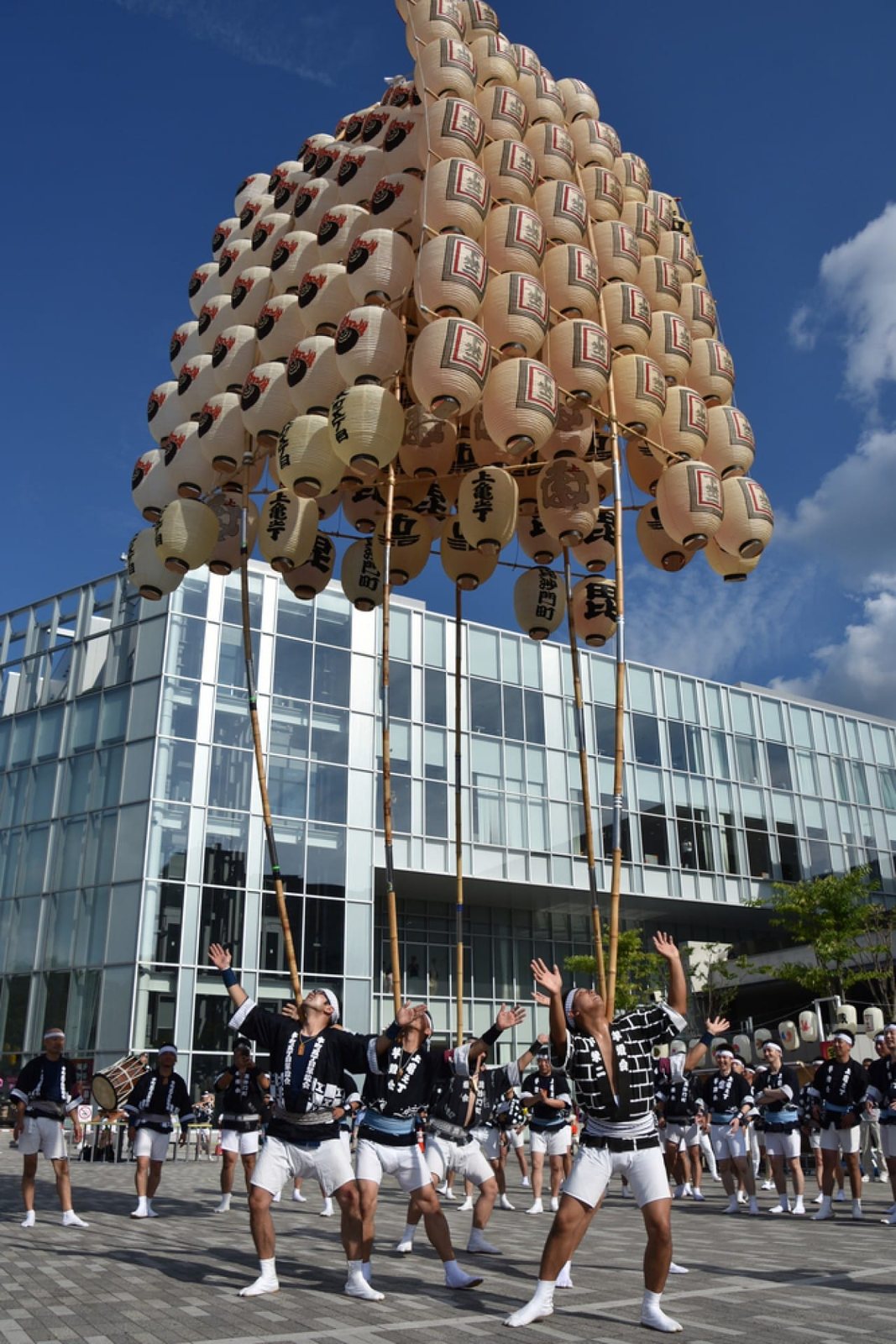
Akita city, 45 minutes away, brings the Kanto Matsuri in August, when men balance twelve-metre bamboo poles hung with 46 lanterns on their palms, foreheads and hips. The crowd wears yukata. Between those two, the prefecture earns a kimono day.
The spots
Kakunodate samurai district (角館 武家屋敷通り)
Six samurai residences line the street, two open to visitors: Aoyagi House with its armour collection and gardens, and Ishiguro House, still lived in by the family. The road is flat packed earth, easy in zori except after heavy rain. Weeping cherry season runs from about 20 April to early May; the trees hang over the fences and the light through them is pink. Autumn, from late October, turns the same street gold.
Hinokinai River embankment (桧木内川堤)
Two kilometres of Somei-Yoshino cherry trees along the river, five minutes from the samurai street. Where the samurai street is intimate, this is a tunnel of blossom. Go at 07:00.
Senshu Park (千秋公園), Akita city
The grounds of Kubota Castle, five minutes from Akita Station. A reconstructed turret, a moat full of lotus in July, and Hachiman Akita Shrine on the hill. Paths are paved. It is where the city comes for hanami and where you get a clean shrine-plus-castle shot without a train ride.
Lake Tazawa (田沢湖)
Japan's deepest lake, ringed by a road with the golden Tatsuko statue standing in the water on the west shore. The lake is a sapphire blue on still days. You need a bus or car from Tazawako Station, and the shoreline is pebbles, so this is a shoes-then-zori shot.
Kanto Matsuri (秋田竿燈まつり), 3 to 6 August
Along Kanto Odori in central Akita from 19:00 each evening. Sit early on the curb side, wear a yukata, and bring something to sit on. During the day you can try lifting a small pole at the demonstration area.
| Spot | Best time | Access | Crowd level |
|---|---|---|---|
| Kakunodate samurai street | 20 April to early May, late October | 20 min walk from Kakunodate Station | High in sakura week, low otherwise |
| Hinokinai embankment | Same sakura window, 07:00 | 5 min from samurai street | High mid-morning |
| Senshu Park | Late April, July lotus | 5 min walk from Akita Station | Low |
| Lake Tazawa | May to October, calm mornings | Bus 15 min from Tazawako Station | Low |
| Kanto Matsuri | 3 to 6 August, evenings | Central Akita | Extreme |
Seasons
Akita has real winter. December to March means deep snow in Kakunodate, which is gorgeous but strictly boots-and-haori, with zori only for a quick frame in front of a black fence. The Kakunodate Hiburi Kamakura fire festival in mid February is worth the cold. Late April is the week the whole prefecture waits for; book Kakunodate hotels months out. Summer is yukata weather and festival time; the Omagari fireworks competition in late August draws the country's best pyrotechnicians. Late October to early November gives you the samurai street in gold with almost nobody in it.
Where OlaChill fits in
A word on distance first. Tokyo to Kakunodate is about 3 hours on the Komachi; Tokyo to Akita about 3 hours 50 minutes. OlaChill's shops are in Tokyo Asakusa and Kyoto Kiyomizu and dressing happens only there, so an Akita day in one of our kimono is not on the table.
What we suggest instead:
- Do the kimono day in Tokyo. Komongi from ¥5,500 (¥4,950 online), with hair styling at ¥1,500 if you want the full look for Sensoji.
- Next-day return, ¥1,100. Keep the kimono for a Tokyo evening and return before 10:00; then catch a late-morning Komachi north.
- A chauffeured car if your group wants a long day around Kanto without trains; quoted per trip.
Kakunodate itself has kimono rental counters near the station and along the samurai street in season. Read our Kanto Matsuri guide for the festival and the Omagari fireworks piece if you are coming in late August.
Plan your kimono day
- Stay overnight in Kakunodate rather than day-tripping from Akita city; the street at 07:00 is the whole point.
- Dress at 09:00, samurai street first, before the tour buses arrive around 10:30.
- Aoyagi House garden for the formal shot, then the river embankment.
- Lunch on inaniwa udon; it is Akita's noodle and easy to eat in kimono.
- Afternoon at Lake Tazawa by bus, carrying flat shoes for the pebbles.
- Return by 17:00 to whichever local shop dressed you.
A few local courtesies
The samurai houses in Kakunodate are family homes as much as museums. Remove zori at the step, do not lean on the black fences for photos, and ask before photographing residents. At Kanto Matsuri, the poles sway close to the curb; keep sleeves and children behind the line and never reach for a lantern. In winter, shops lay straw mats on icy patches; walk on them, not beside them, if you are in geta.
FAQ
Is the Kakunodate samurai street walkable in zori? Yes, the packed earth is flat and even. Avoid the day after heavy rain when it gets soft.
Can I ride the Komachi shinkansen in kimono? You can, but three hours seated is hard on an obi. If you want to arrive dressed, choose a yukata and loosen the sash.
Can I wear a yukata to the Kanto Matsuri? Yes. It is the standard spectator outfit, and vendors sell paper fans along the route.
Does OlaChill have a shop in Akita or Kakunodate? No. Our two shops are Tokyo Asakusa and Kyoto Kiyomizu. All add-ons, including the photo service, are offered only there.
What is the best month for a kimono photo in Kakunodate? The last week of April for weeping cherry, or the last week of October for autumn colour with far fewer people.
Make Tokyo the dressing day
Most Akita trips start at Tokyo Station. Plan the kimono day at Asakusa the day before you head north: see all 14 plans and add-ons at OlaChill Kimono Rental and book online for 10% off.
More from this region — Tohoku
View all →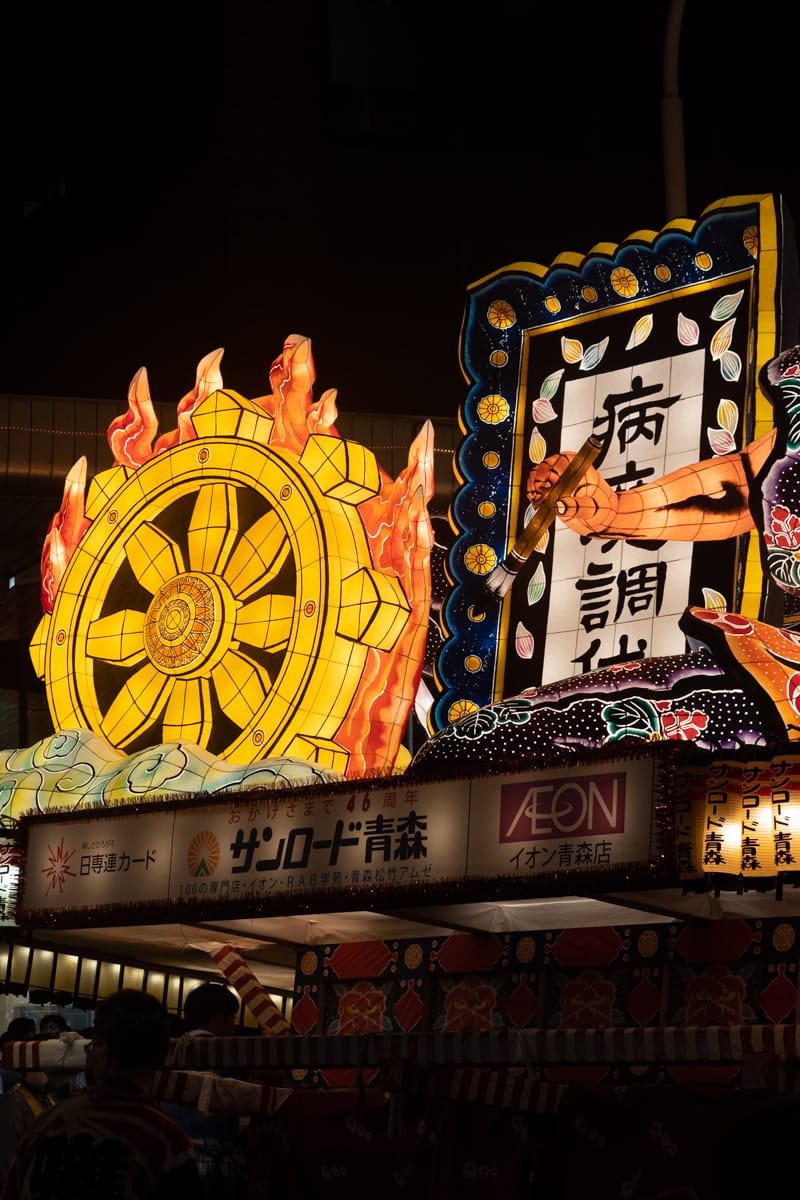
Kimono in Aomori: Where to Wear It, Best Photo Spots and How to Plan the Day
7 min · culture
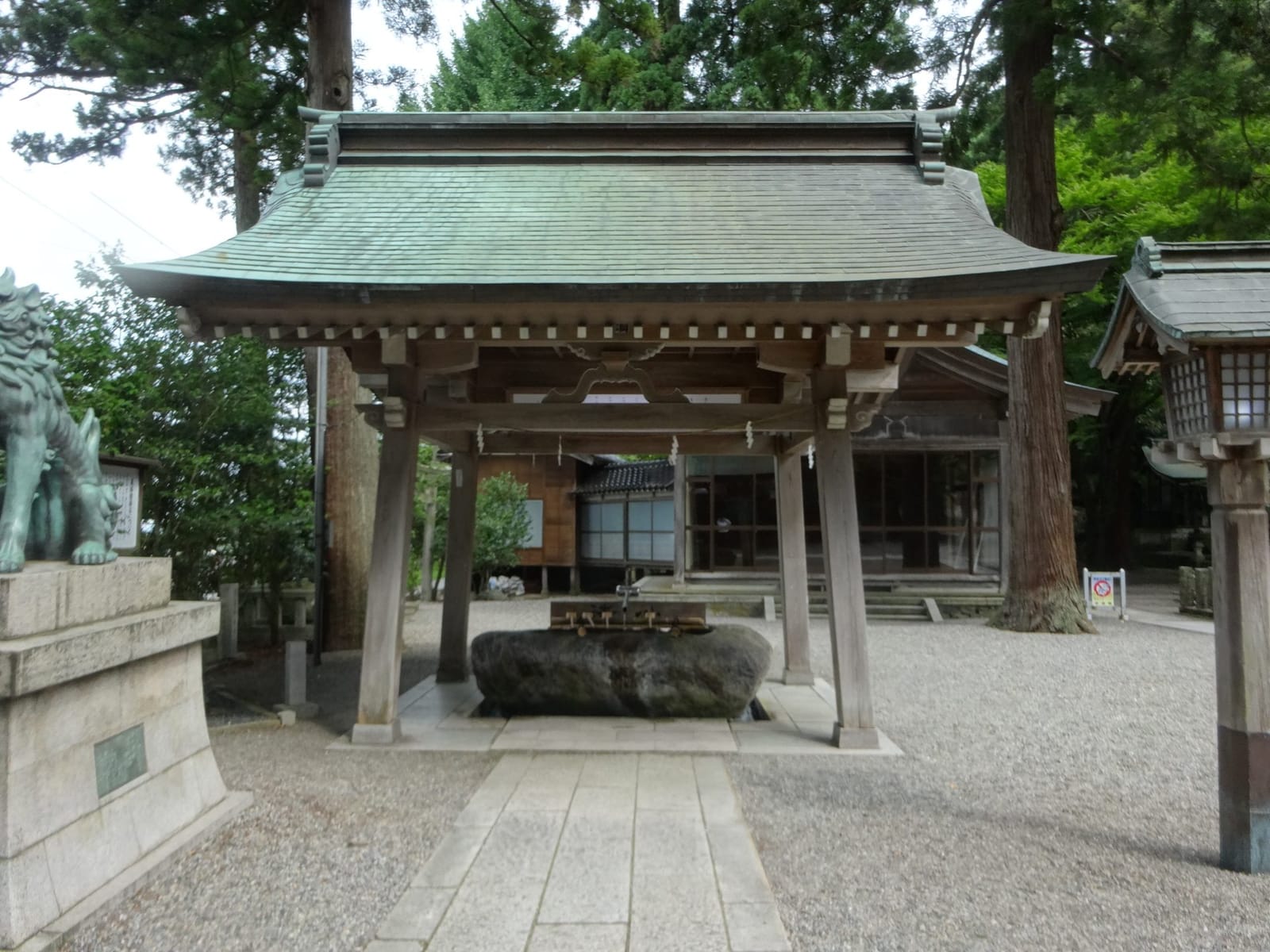
Kimono in Fukushima: Where to Wear It, Best Photo Spots and How to Plan the Day
6 min · culture
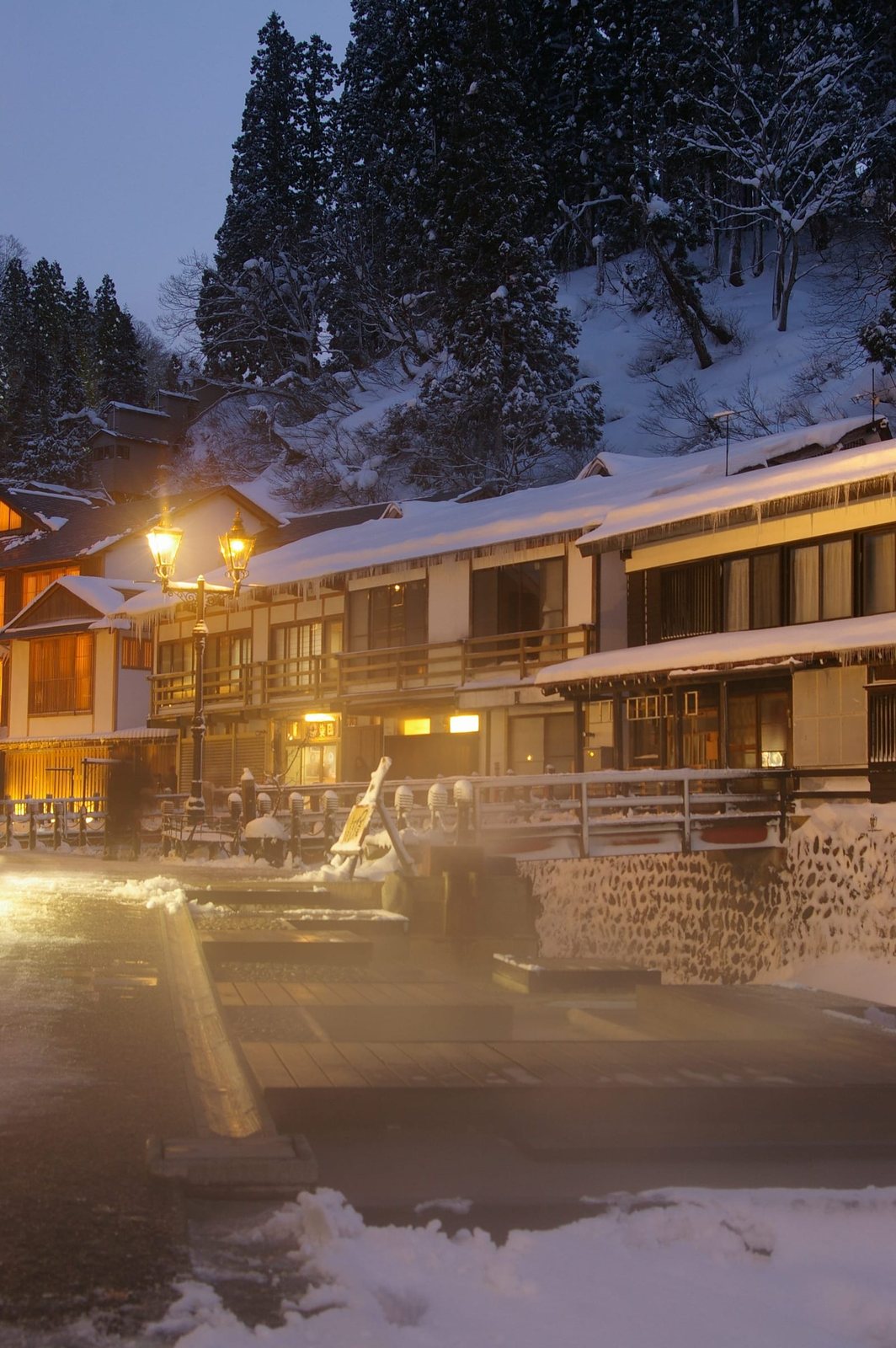
Kimono in Yamagata: Where to Wear It, Best Photo Spots and How to Plan the Day
7 min · culture
Charm of the Aomori Nebuta Festival
2 min · events