
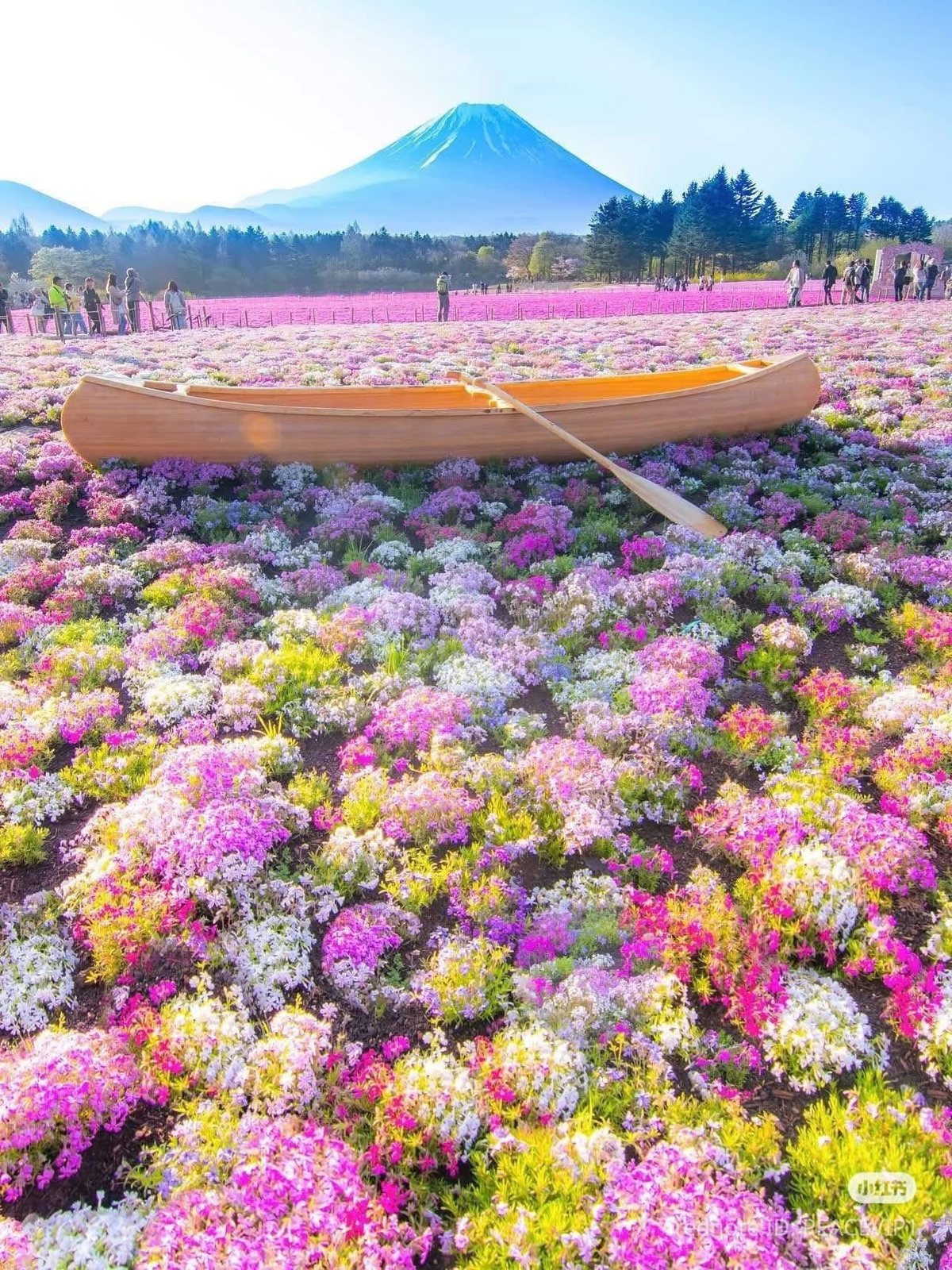
Hiraizumi: Golden Temples and the Legacy of Northern Fujiwara
Explore Hiraizumi in Iwate, from Chuson-ji’s Golden Hall to Motsu-ji’s Pure Land garden and the scenic sites nearby.
Aug 25, 2026·✍️ olablog·⏱ 8 min read
Explore Hiraizumi in Iwate, from Chuson-ji’s Golden Hall to Motsu-ji’s Pure Land garden and the scenic sites nearby.
Why visit Hiraizumi?
In southern Iwate, the small town of Hiraizumi preserves one of Tohoku’s most remarkable cultural landscapes. More than a collection of historic temples, it is a glimpse into the ambitions of the Northern Fujiwara clan, who made this remote corner of Japan a flourishing political and religious centre nearly a millennium ago.
The town’s UNESCO-listed sites combine Buddhist architecture, forested hills, temple ruins and gardens designed to represent the Buddhist Pure Land. The highlight for many visitors is Chuson-ji, home to Konjikido—the famous Golden Hall. Nearby, Motsu-ji offers a very different experience: broad lawns, calm ponds and an elegant garden intended for quiet contemplation.
Hiraizumi is compact and straightforward to explore independently. You can see its essential sights in half a day, but a full day allows time for the temples, historic ruins and a countryside stop such as Geibikei Gorge.
The story of the Northern Fujiwara
Hiraizumi’s golden age began with Fujiwara Kiyohira, the founder of the Northern Fujiwara dynasty. After years of conflict in northern Japan, he established his base in Hiraizumi and supported Buddhism as a way to promote peace and stability.
His successors continued the work, building temples, pagodas and gardens on an impressive scale. The family’s wealth was linked to trade, gold and the resources of northern Japan, and their capital became one of the most sophisticated centres in the region.
The dynasty eventually fell, but the religious sites survived in various forms. Today, Hiraizumi’s historic monuments are recognised together as a UNESCO World Heritage property, including Chuson-ji, Motsu-ji, the former gardens of Kanjizaiō-in and Muryōkō-in, and Mount Kinkei.
Chuson-ji and the Golden Hall
Chuson-ji is Hiraizumi’s best-known temple and the essential first stop. The temple grounds extend up a wooded hillside, with mossy paths leading past small halls, memorials and quiet shrines. Allow time to walk slowly rather than treating it as a single photo stop.
The main treasure is Konjikido, or the Golden Hall. Built in the twelfth century, this small mausoleum is richly decorated with gold leaf, lacquer, carved details and mother-of-pearl inlay. It was created to enshrine members of the Northern Fujiwara family, including their founder, Fujiwara Kiyohira.
Konjikido is protected inside a modern structure, so visitors view it indoors rather than approaching a freestanding golden building. The interior is delicate and highly detailed; look closely at the decorative patterns, Buddhist figures and the contrast between the hall’s intimate scale and its lavish finish.
Other areas of Chuson-ji provide a more open, atmospheric experience:
- The approach through the cedar avenue: Tall trees shade the historic route and create a strong sense of arrival.
- Benzaiten-do and smaller halls: These offer quieter moments away from the main visitor flow.
- Sankozo museum: Temple treasures and historical artefacts help explain Hiraizumi’s religious and artistic importance.
- The hillside views: On clear days, the elevated paths open out toward the surrounding countryside.
Chuson-ji involves an uphill walk, with some uneven or sloping sections. Comfortable shoes are useful, especially in wet weather or during autumn leaf season.
Motsu-ji’s Pure Land garden
Motsu-ji is located closer to Hiraizumi Station and has a gentler, more spacious layout than Chuson-ji. The temple was once much larger than what remains today, but its garden survives as one of Japan’s finest examples of a Pure Land landscape.
At the centre is a broad pond surrounded by lawns, trees and carefully arranged stones. The design evokes the Buddhist paradise of the West, using water, islands and distant scenery to create a symbolic landscape rather than a conventional ornamental garden.
The atmosphere changes with the seasons. Fresh greenery makes the garden feel especially peaceful in late spring, while autumn brings colour to the trees around the pond. In winter, the bare branches and open views reveal the garden’s underlying structure.
Motsu-ji also preserves the foundations of former temple buildings. These grassy outlines can be easy to overlook, but they help visitors imagine the scale of the original complex. Take a walk around the pond before moving on; the garden is best appreciated from several viewpoints.
How to get to Hiraizumi
The nearest major transport hub is Ichinoseki, which is connected to both Tokyo and Sendai by the Tohoku Shinkansen.
From Ichinoseki, take the JR Tohoku Main Line to Hiraizumi Station. The local journey is roughly ten minutes, although you should check the current timetable when planning a connection. Hiraizumi Station is the practical base for visiting the main sights.
From Tokyo, the entire journey to Hiraizumi via Ichinoseki takes roughly two and a half hours, depending on the connection. From Sendai, it is generally around one hour. Travel times vary by service, so confirm the route and reserved-seat availability before departure.
At Hiraizumi Station, you can continue by:
- Hiraizumi Loop Bus “Run Run”: Convenient for Chuson-ji, Motsu-ji and other central sights.
- Local buses: Useful for reaching selected attractions beyond the central temple area.
- Taxi: A practical option when travelling as a small group or combining several rural stops.
- Walking: Motsu-ji is within easy walking distance of the station; Chuson-ji is farther away and includes an uphill approach.
For temple access, transport schedules and admission arrangements, check the official websites before travelling, particularly outside the busiest seasons.
How much time do you need?
A half-day is enough for the two headline temples if you arrive early and keep your route focused. A full day is more comfortable and lets you add one or two nearby attractions without rushing.
| Visit style | Suggested plan | Best for |
|---|---|---|
| Half day | Chuson-ji and Motsu-ji | Travellers passing through or combining Hiraizumi with another destination |
| Full day | Chuson-ji, Motsu-ji, historic ruins and one nearby natural attraction | A relaxed first visit |
| Overnight stay | Main temples plus Geibikei Gorge or Genbikei Gorge | Travellers who want a slower look at southern Iwate |
A useful order is Chuson-ji first, while your energy is highest for the uphill walk, followed by Motsu-ji and its restful garden. If you are staying overnight, the quieter early morning and late afternoon can be especially rewarding.
Best seasons to visit
Hiraizumi works throughout the year, but the character of the temples changes noticeably with the calendar.
- Spring: Cherry blossoms and fresh greenery bring a bright, gentle atmosphere. Seasonal temple events and traditional performances may take place around this time.
- Summer: The cedar paths at Chuson-ji offer shade, while Motsu-ji’s open garden is vivid and green. Expect warmer, more humid conditions.
- Autumn: Mid-November to early December is often the most dramatic period for red, orange and golden foliage. The combination of cedar forests, temple roofs and colourful maples is particularly photogenic.
- Winter: Snow can give the temple grounds a quiet, minimalist beauty. Check transport conditions and dress for cold weather.
Spring festivals and autumn foliage can draw more visitors, so starting early is worthwhile.
Nearby places to combine
Hiraizumi is easy to pair with other sights in southern Iwate:
Takkoku no Iwaya Bishamondo
Built into a dramatic rock face, Takkoku no Iwaya Bishamondo is a distinctive Buddhist temple just outside central Hiraizumi. Its setting feels very different from the formal gardens and wooded paths of the UNESCO sites, making it a good short stop by bus or taxi.
Geibikei Gorge
Geibikei is known for its steep limestone cliffs and boat trips along a peaceful river. It lies farther from Hiraizumi, so allow several hours for the excursion and check seasonal boat schedules before setting out. The gorge is especially attractive during autumn.
Genbikei Gorge
Closer to Ichinoseki, Genbikei is a rugged gorge shaped by volcanic rock and fast-flowing water. It can work well on the way to or from Hiraizumi, particularly if you are travelling by car or arranging local transport.
For a broader route-planning overview, browse OlaChill’s Japan destination hub for tickets and tours.
FAQ
Is Hiraizumi suitable for an independent trip?
Yes. The main sights are well established, Hiraizumi Station is easy to use, and the central temples can be visited by local bus, taxi or on foot. Timetables may be less frequent than in larger cities, so plan your return connections in advance.
Can I visit Hiraizumi as a day trip from Sendai?
Yes. Take the Tohoku Shinkansen to Ichinoseki, then transfer to the JR Tohoku Main Line. A day trip is realistic, especially if you focus on Chuson-ji and Motsu-ji.
Is Chuson-ji accessible for visitors with limited mobility?
Chuson-ji’s historic hillside setting includes slopes and uneven paths, so access can be challenging in places. Motsu-ji is flatter and generally easier to navigate. Contact the temples or local visitor information before travelling for the latest accessibility guidance.
What should I see first in Hiraizumi?
Start with Chuson-ji and Konjikido, then continue to Motsu-ji. This order puts the uphill temple walk first and leaves the garden as a calmer second stop.
More from this region — Tohoku
View all →
Kimono in Akita: Where to Wear It, Best Photo Spots and How to Plan the Day
6 min · culture
Kimono in Aomori: Where to Wear It, Best Photo Spots and How to Plan the Day
7 min · culture
Kimono in Fukushima: Where to Wear It, Best Photo Spots and How to Plan the Day
6 min · culture
Kimono in Yamagata: Where to Wear It, Best Photo Spots and How to Plan the Day
7 min · culture