
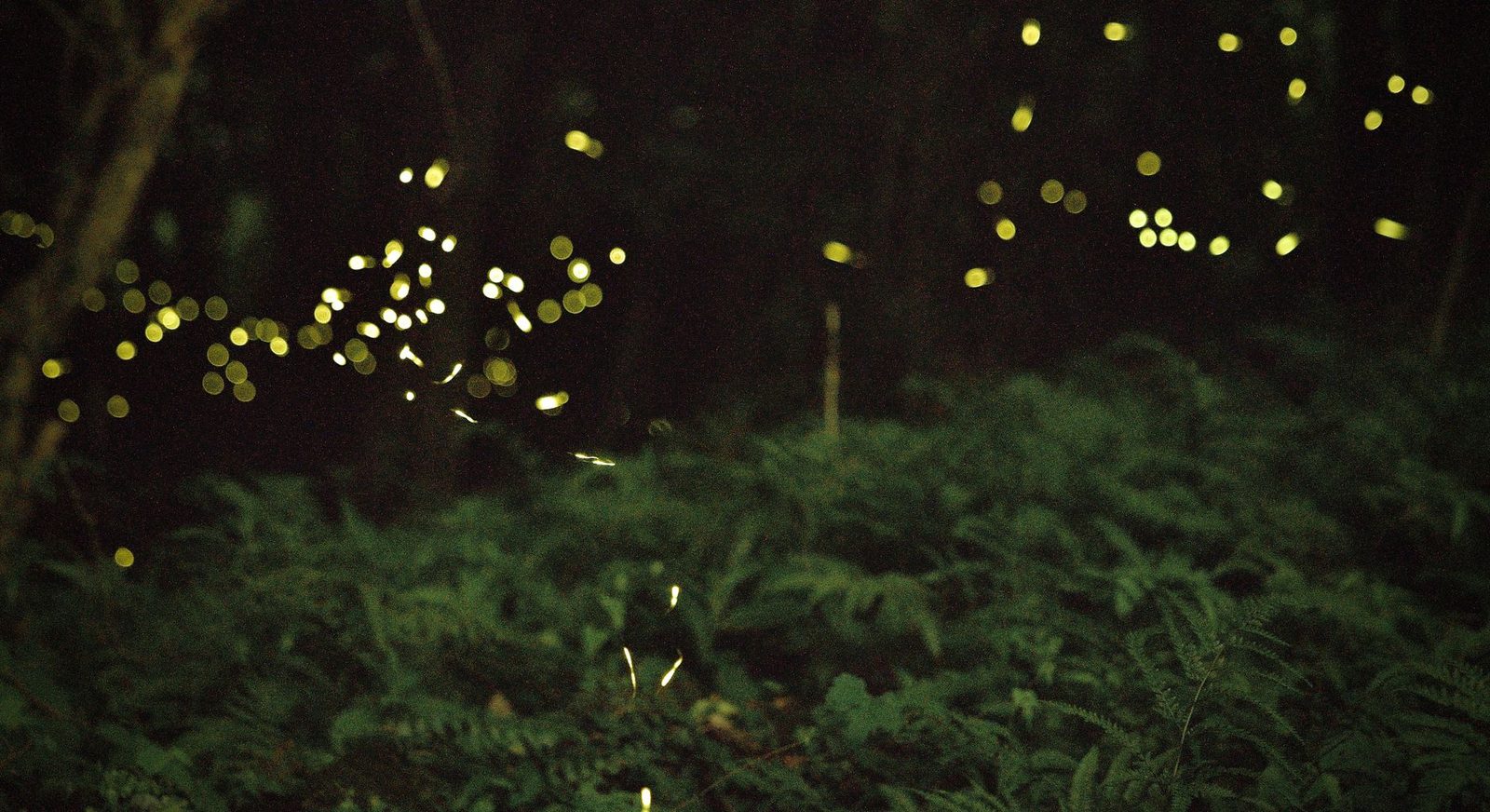
Japan's Summer Fireflies – Magical Nights of Dancing Green Light
Japan's hotaru firefly season transforms summer nights into something genuinely otherworldly. A guide for nature lovers chasing one of Japan's most fleeting — and unforgettable — experiences.
Mar 22, 2026·✍️ olablog·⏱ 7 min read
Japan's hotaru firefly season transforms summer nights into something genuinely otherworldly. A guide for nature lovers chasing one of Japan's most fleeting — and unforgettable — experiences.
Tap a region to browse articles
Fireflies — Japan's most enchanting summer gift
Just after the June rains ease off, when the air finally cools and dusk falls a little earlier each evening, fireflies (hotaru) begin to appear across rural Japan. The Japanese have a deep, almost spiritual affection for these tiny insects. For centuries, their flickering glow has appeared in haiku poetry, ukiyo-e woodblock prints, and Studio Ghibli's gut-punch of a film Grave of the Fireflies — a cultural touchstone as familiar here as it is moving.
I still remember the first time I stood in a narrow valley in Okuizumo (Shimane Prefecture) as hundreds of green sparks drifted silently through the darkness, the only sounds a running stream and the occasional frog. It felt like stumbling into a scene that shouldn't exist outside of a dream — fragile, luminous, and somehow just out of reach. Time genuinely felt like it slowed down.
How many species of firefly are there in Japan?
More than you'd think. Japan is home to over 40 firefly species, but three steal most of the spotlight:
- Genji-botaru (源氏蛍): The big one. Largest species, brightest glow, slow rhythmic pulse. Found near clean, clear streams.
- Heike-botaru (平家蛍): Smaller and dimmer, but faster-flickering. Prefers rice paddies and still ponds.
- Hime-botaru (姫蛍): The "mini firefly" — strobes rapidly like a tiny camera flash in bamboo groves and broadleaf forests.
Visit the right spot in Kyoto, Nara, or Shimane on a good night, and you might catch all three in a single evening.
Peak season: late May through mid-July
Firefly season in Japan is short — typically just two to three weeks per region. Here's a regional cheat sheet:
| Region | Best Window | Main Species |
|---|---|---|
| Kyushu (Fukuoka, Kumamoto) | Late May – early June | Genji |
| Kansai (Kyoto, Nara, Osaka) | Mid – late June | Genji, Heike |
| Kanto (Tokyo, Saitama) | Late June – early July | Genji, Heike |
| Tohoku (Fukushima, Yamagata) | Early – mid-July | Genji |
| Hokkaido | Mid-July – early August | Heike |
Ideal conditions for maximum firefly activity:
- Full darkness — no full moon (or a crescent at most)
- No rain, no strong wind on the night itself
- Temperature between 68–77°F, with high humidity
- 7:30 PM – 9:00 PM is peak activity
Pro tip: head out the evening after a light rain shower. Firefly numbers can easily double compared to a dry night.
The best firefly-watching spots in Japan
⛩️ Kyoto — Tetsugaku-no-michi (Path of Philosophy) & Kibune Shrine
The Path of Philosophy is famous for cherry blossoms in spring, but the small stream running alongside it draws Genji fireflies in mid-June — and almost nobody talks about it. A short trip north, Kibune Shrine sits deep in the mountains above Kurama and is one of the most romantic firefly spots in the country. Pair it with a kawadoko dinner — traditional Japanese cuisine served on wooden platforms built directly over the rushing river.
🌿 Tokyo & surrounds — Hotel Chinzanso Gardens, Todoroki Valley
Right in the heart of the city, Hotel Chinzanso hosts its annual "Hotaru no Yube" (Firefly Evening) event from late May through mid-June, releasing fireflies into its beautifully manicured Japanese garden. Entry runs roughly $13–$20. A more rugged option: Todoroki Valley in Setagaya — the only natural valley within Tokyo's 23 wards, and surprisingly atmospheric after dark.
🏞️ Shizuoka — Shuzenji Onsen (Izu Peninsula)
In the hot-spring town of Shuzenji, fireflies gather around Akagaeru Park, beside Takishita Bridge at the far end of the onsen district, from late May to mid-June during the town's "Hotaru no Yube" (Firefly Evening) season. Around 8 PM is usually the best time, and viewing is free — an easy add-on to a night at a ryokan.
🌾 Shimane — Okuizumo
This is the one I'd push for anyone who wants a genuinely off-the-beaten-path experience. Okuizumo is barely on the foreign tourist radar, yet fireflies drift in dense clouds over the rice fields and streams. Combine it with a ride on the scenic Kisuki Line — a rural railway winding through the mountains that deserves a lot more attention than it gets.
❄️ Hokkaido — Tokachigawa Onsen
Missed the Honshu window? Hokkaido gives you a second chance in July. The Tokachigawa Onsen area pairs firefly-watching with open-air hot spring bathing — which is, frankly, about as Japanese an evening as you can possibly have.
The unwritten rules of firefly etiquette
This part matters. Fireflies are extraordinarily sensitive to their environment, and careless visitors genuinely disrupt them:
- No flash photography, no white flashlights: Bright light causes fireflies to stop glowing and disperse. If you need to see the path, use a red-light headlamp or wrap your torch in red cellophane.
- Don't catch them: Many sites prohibit it, and fines can reach around $65 or more.
- Skip the bug spray: DEET and similar chemicals are lethal to fireflies extremely quickly. Wear long sleeves and long trousers instead.
- Keep quiet: Not just out of courtesy to other visitors — fireflies respond to vibration.
- Avoid light-colored clothing: White and pale colors reflect passing headlights, washing out the darkness around you.
Getting there
Most of the best firefly spots are in rural areas well away from train stations. Local buses typically stop running before 8 PM — right as the fireflies get going. You have two realistic options:
- Stay at a ryokan near the viewing site: In places like Kibune (Kyoto), Shuzenji (Shizuoka), and Tokachigawa (Hokkaido), the viewing spots are close to the inns, so you can simply stroll out after dinner. This is by far the most relaxed way to do it.
- Rent a car: The most flexible option, especially if you want to hit multiple spots or explore at your own pace after dark.
✨ Planning a rural Japan road trip? Rent a car through OlaChill — full insurance included, easy pickup, and GPS standard.
What to pack for a firefly night
- 🧥 A light jacket: Mountain evenings in June can drop to 59–64°F — cooler than you'd expect
- 👟 Flat, grippy shoes: Many viewing paths are unpaved dirt trails
- 🦟 Cream-based insect repellent (not spray): Apply to wrists and ankles before you arrive at the site
- 📷 A camera with manual exposure control: Smartphone cameras struggle badly with firefly light. If you have a DSLR or mirrorless, try ISO 1600–3200 with a 15–30 second exposure
- 🔦 Red-light torch: Only when genuinely necessary
- 💧 Water and a small snack: Trail walks in summer humidity take it out of you
A few final thoughts
Japan's firefly population has declined significantly in recent decades due to water pollution and light pollution from urban sprawl. Local communities across the country now run conservation programs, and responsible tourism genuinely makes a difference. Don't arrive expecting the wall-to-wall spectacle you've seen in viral social media videos — the real experience is quieter, slower, and more demanding of your patience.
But trust me: when that first spark drifts past your face, and then a second, and a third — you'll understand immediately why fireflies hold such a deep place in Japanese culture. It's one of the most quietly extraordinary things Japan has to offer. And it only lasts a few weeks a year.
More from this region — Hokkaido
View all →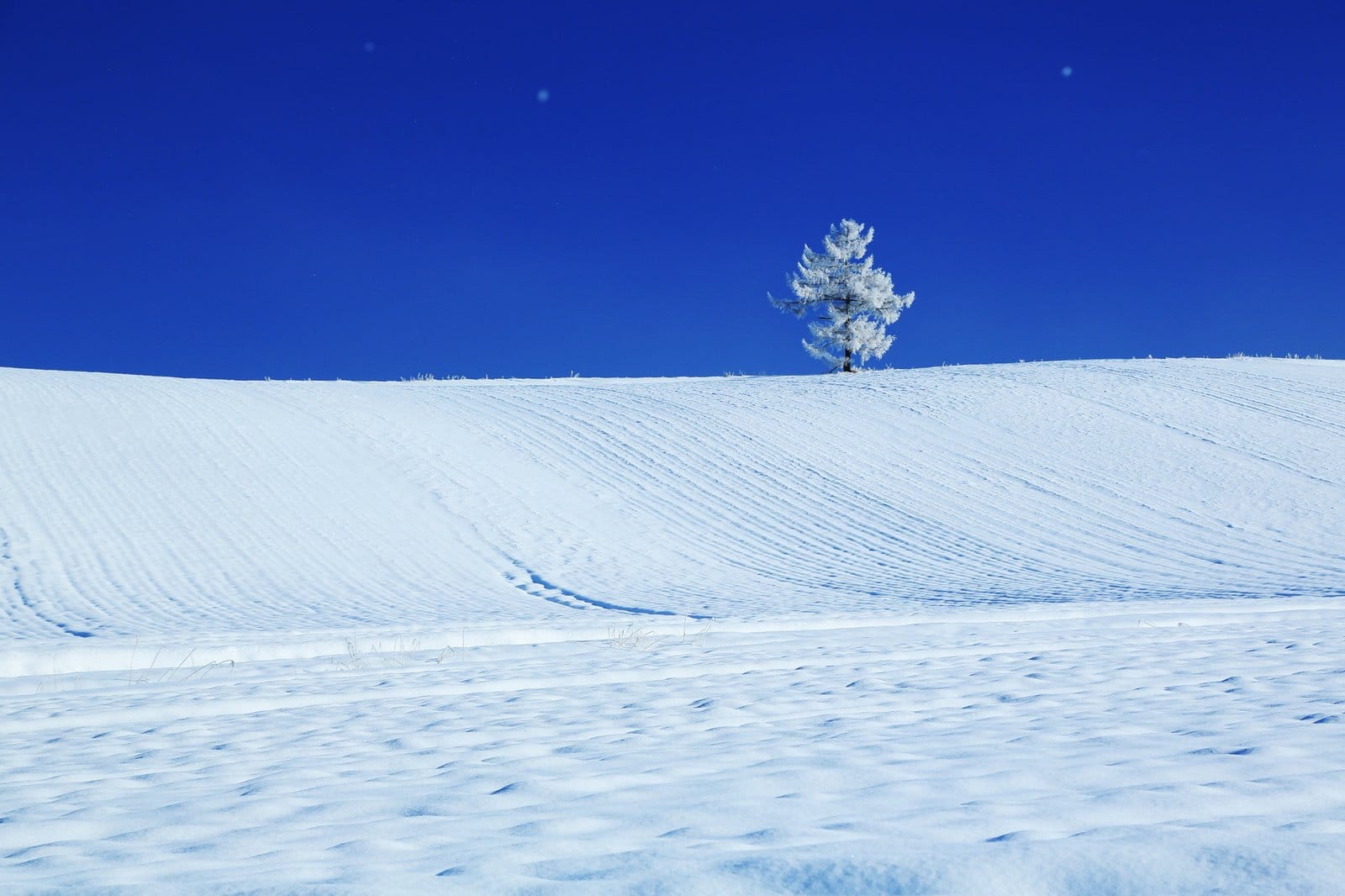
Hokkaido Travel Guide: Land of Lavender, White Snow, and Fresh Seafood
9 min · destinations
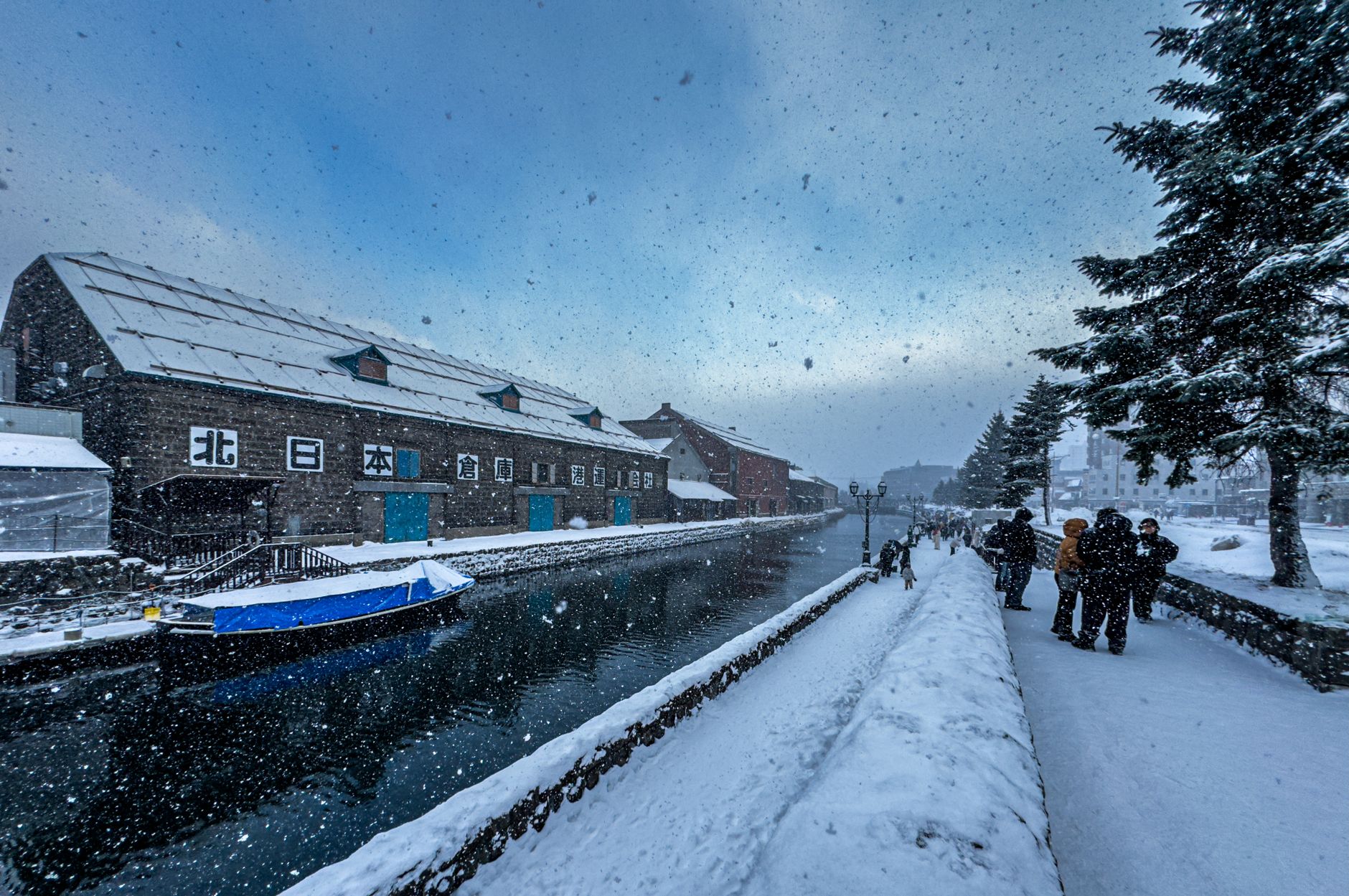
Hokkaido for Your First Real Winter
20 min · destinations

🔥 BREAKING: JR East slashes Shinkansen & express train fares by 50% — Tokyo to Tohoku, Hokkaido, Niigata, Kanazawa at half price
4 min · events

Kimono in Hokkaido: Where to Wear It, Best Photo Spots and How to Plan the Day
7 min · culture