
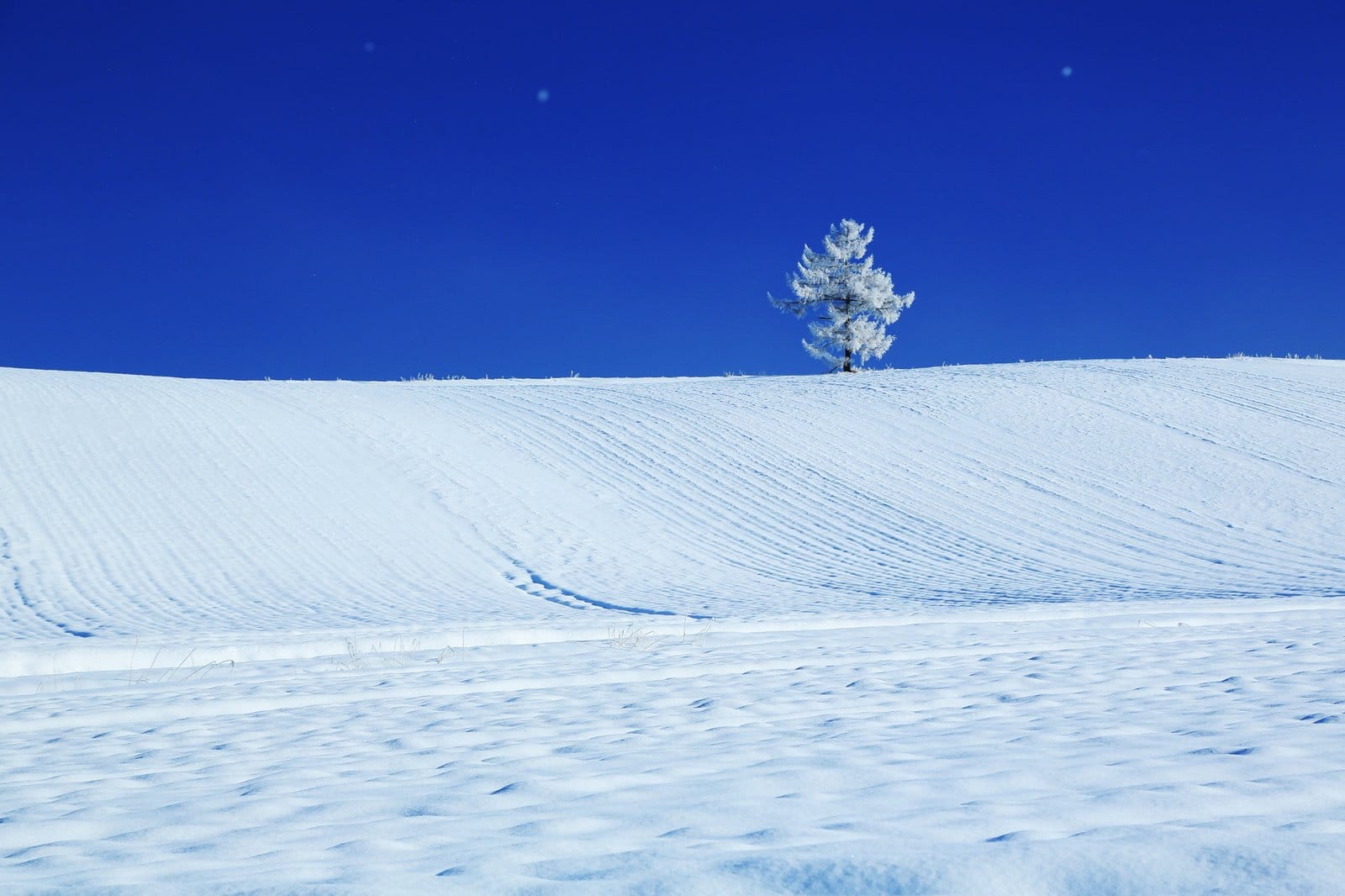
Hokkaido Travel Guide: Land of Lavender, White Snow, and Fresh Seafood
Hokkaido regional guide: Sapporo, Otaru, Furano, Hakodate, Shiretoko – seasonal activities, local cuisine, transport tips, and a detailed suggested itinerary.
Aug 8, 2026·✍️ olablog·⏱ 9 min read
Hokkaido regional guide: Sapporo, Otaru, Furano, Hakodate, Shiretoko – seasonal activities, local cuisine, transport tips, and a detailed suggested itinerary.
Tap a region to browse articles
If Japan is a canvas of vibrant colors, 北海道(Hokkaido) is undoubtedly its most wild and free stroke. Taking up nearly one-fifth of the nation's total land area, this northernmost island remains sparsely populated, leaving its vast natural landscapes astonishingly pristine: summers burst into deep purple lavender fields, while winters transform the terrain with powdery snow as soft as sugar. 北海道(Hokkaido) is also widely revered by locals as Japan's ultimate culinary capital—a realm where fresh seafood, rich dairy, and piping hot ramen consistently rank among the finest in the country. This comprehensive destination guide will walk you through everything you need to know in a single read: where to go, when to visit, what to eat, and how to get around efficiently.
Quick Map: Which Regions Make Up Hokkaido?
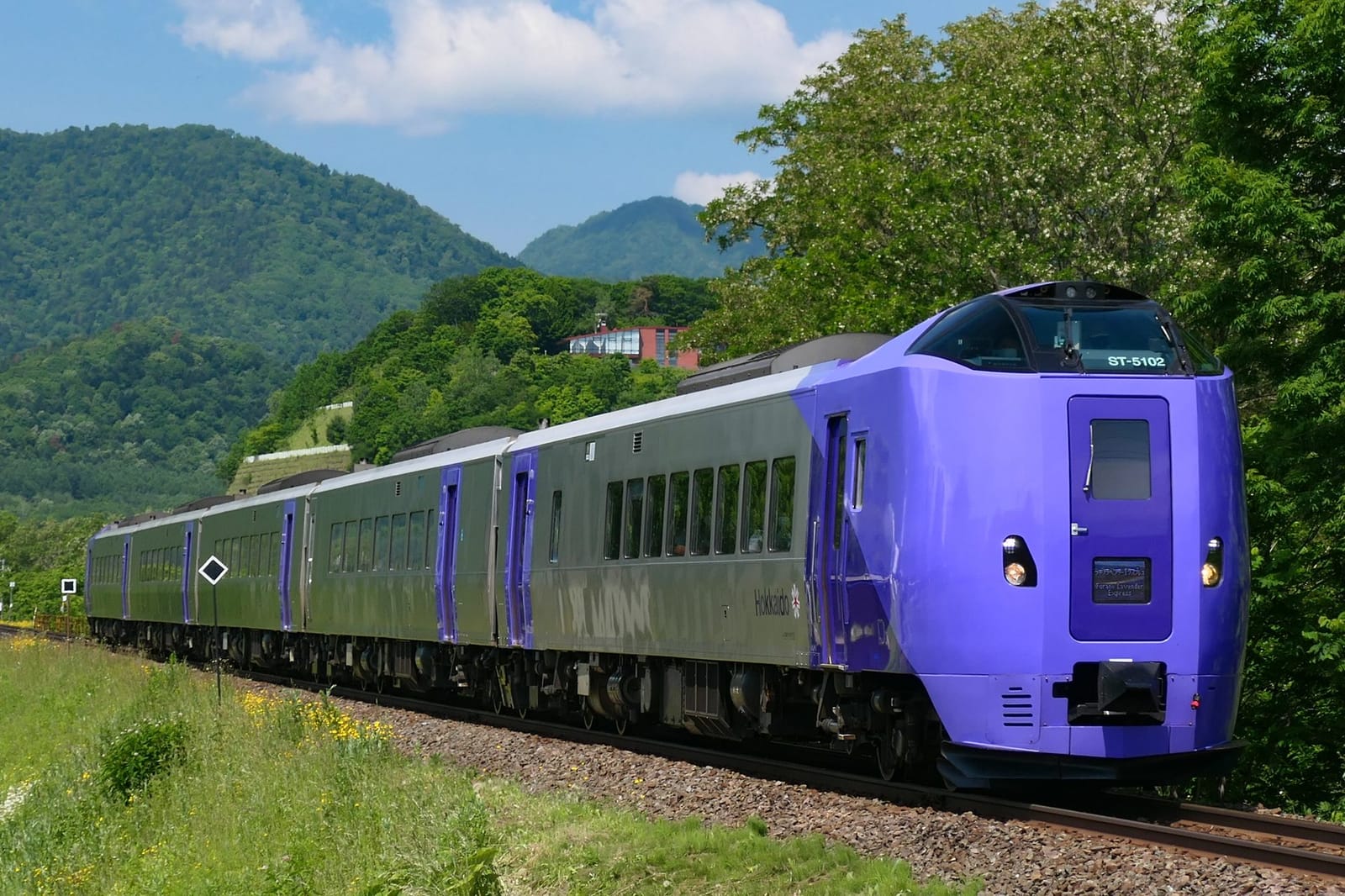
To help you visualize the island layout, let's divide 北海道(Hokkaido) into four major clusters:
- Central Cluster – 札幌(Sapporo) & 小樽(Otaru): 札幌(Sapporo) is the largest city on the island, acting as the main hub for flights, trains, and regional transportation. Just a 30- to 40-minute train ride away lies 小樽(Otaru), a historic harbor town famed for its romantic canal lined with red-brick warehouses, delicate glassware workshops, and classic music box shops.
- Inland Cluster – 富良野(Furano) & 美瑛(Biei): The agricultural heart of the island. 富良野(Furano) is celebrated for its rolling lavender farms, while neighboring 美瑛(Biei) boasts picturesque undulating hills and the breathtaking, turquoise-blue 青い池(Aoiike / Blue Pond).
- Southern Cluster – 函館(Hakodate): One of Japan's earliest port cities to open to international trade, renowned for the sweeping nighttime panoramic view from 函館山(Mount Hakodate)—often dubbed a "million-dollar night view"—and its bustling morning seafood market.
- Eastern Cluster – 知床(Shiretoko): A rugged, wild peninsula designated as a UNESCO World Natural Heritage Site, where you can take sightseeing cruises to spot brown bears, admire waterfalls crashing directly into the ocean, and encounter mesmerizing winter drift ice.
If you are visiting for the first time, focusing on the 札幌(Sapporo)–小樽(Otaru)–富良野(Furano)–美瑛(Biei) circuit is the safest, most accessible, and highly rewarding choice.
When to Visit
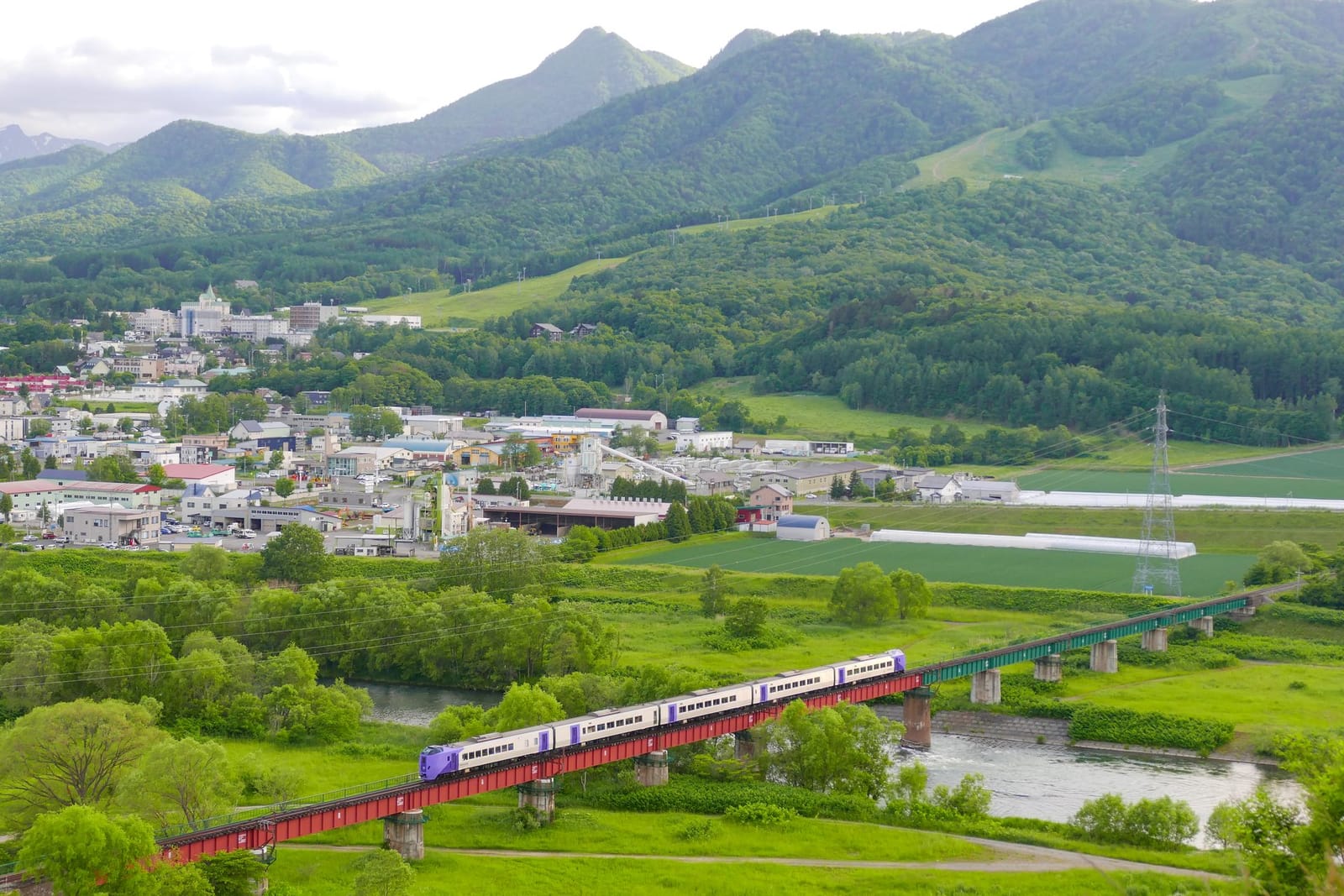
北海道(Hokkaido) is breathtaking year-round, yet every season offers an entirely unique experience:
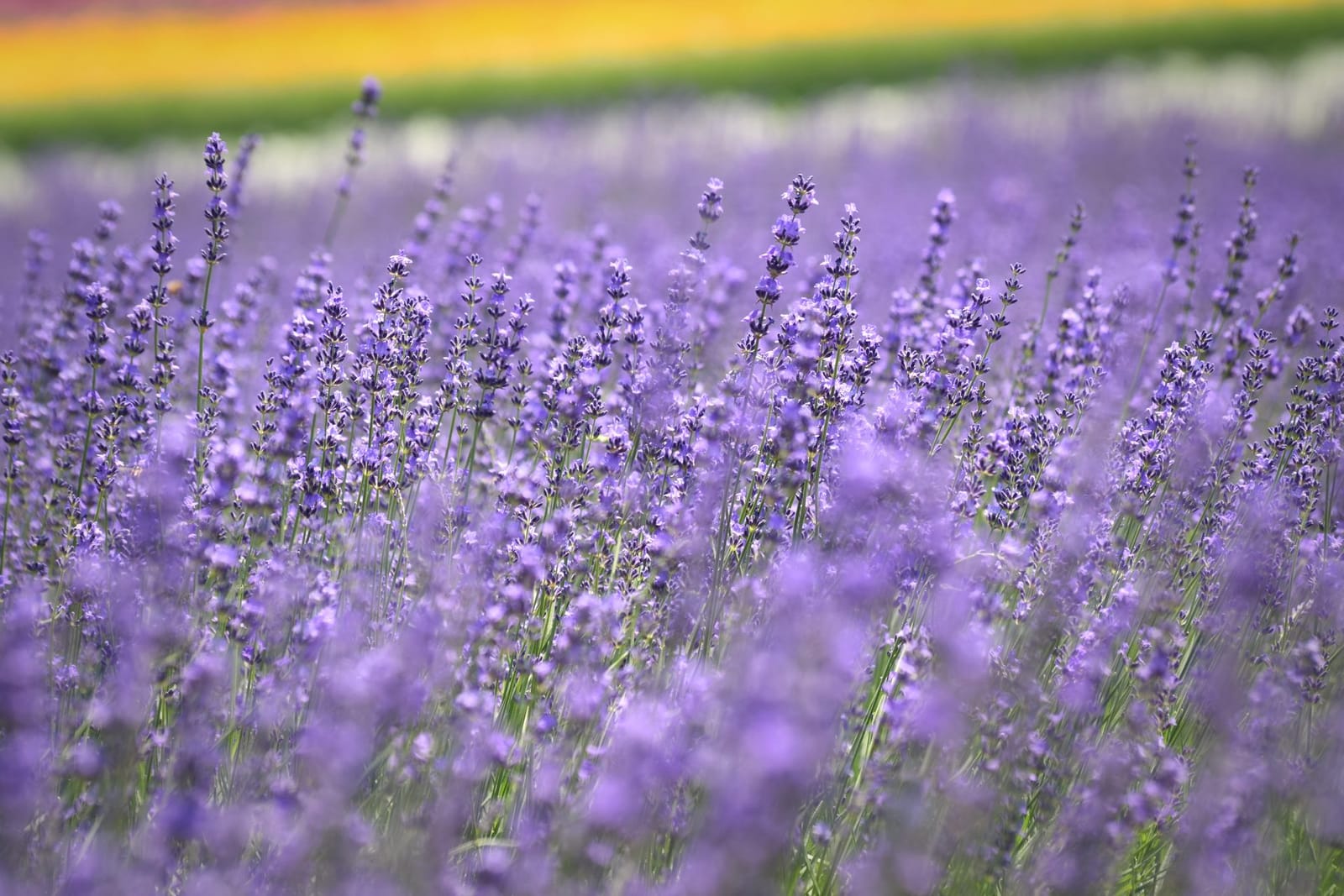
- Summer (June – August): The golden season for 富良野(Furano) and 美瑛(Biei). Lavender blooms peak around mid-July, covering hillside farms across 中富良野(Nakafurano) in brilliant shades of purple, alongside vibrant rainbow-striped flower beds. Weather stays pleasantly cool at 20–25°C (68–77°F) with none of Tokyo's sticky humidity or oppressive rainy season, making it ideal for scenic road trips.
- Winter (December – February): A snowy paradise. The iconic 札幌雪まつり(Sapporo Snow Festival) in early February showcases massive ice and snow sculptures; the 小樽雪あかりの路(Otaru Snow Light Path Festival) illuminates the canal with flickering candles; and skiers flock to ニセコ(Niseko) for its world-famous dry powder snow. Over in the east, drift ice floats along the coast of 知床(Shiretoko) and 網走(Abashiri) from late January through March.
- Autumn (September – October): Autumn foliage arrives earlier here than anywhere else in Japan, turning the mountainous peaks and lakeside spots like 大沼(Lake Onuma) near 函館(Hakodate) into stunning tapestries of deep red and gold.
- Spring (Late April – May): Cherry blossoms bloom later in the far north, making it perfect if you missed the peak sakura season on the main island of 本州(Honshu).
Signature Local Cuisine
Japanese travelers often joke that when visiting 北海道(Hokkaido), "eating comes first, sightseeing comes second"—and they are hardly exaggerating:
- Sapporo Miso Ramen: A steaming bowl of rich, savory miso broth ramen, often topped with a pat of fresh local butter and sweet corn—a comforting dish created to combat freezing winter days. Head over to ラーメン横丁(Ramen Yokocho) in the lively 薄野(Susukino) district for an authentic bowl.
- Fresh Seafood: Snow crab, horsehair crab, sea urchin (uni), salmon roe (ikura), and plump scallops, served exceptionally fresh at 二条市場(Nijo Market) in 札幌(Sapporo), 函館朝市(Hakodate Morning Market), or 三角市場(Sankaku Market) in 小樽(Otaru). A decadent kaisendon (seafood rice bowl) running around ¥2,000–¥4,000 ($13–$27 USD) is worth every single yen for breakfast.
- Dairy & Sweets: Hokkaido is Japan's dairy capital. Soft-serve ice cream, baked cheesecake, and standard souvenir items like 白い恋人(Shiroi Koibito) white chocolate cookies are beloved national treats you must sample locally and pack home as gifts.
- 成吉思汗(Jingisukan / Genghis Khan): Tender grilled mutton cooked on a convex dome-shaped iron skillet alongside sweet onions and bean sprouts. This unique specialty is wildly popular across Hokkaido and pairs perfectly with a cold Sapporo draft beer.
- Soup Curry: 札幌(Sapporo)'s signature comfort food featuring a flavorful, spiced broth packed with chunky roasted vegetables and tender meat, exceptionally comforting on a chilly day.
Getting Around
Hokkaido is vast, so your transit strategy will largely determine the comfort and pacing of your trip:
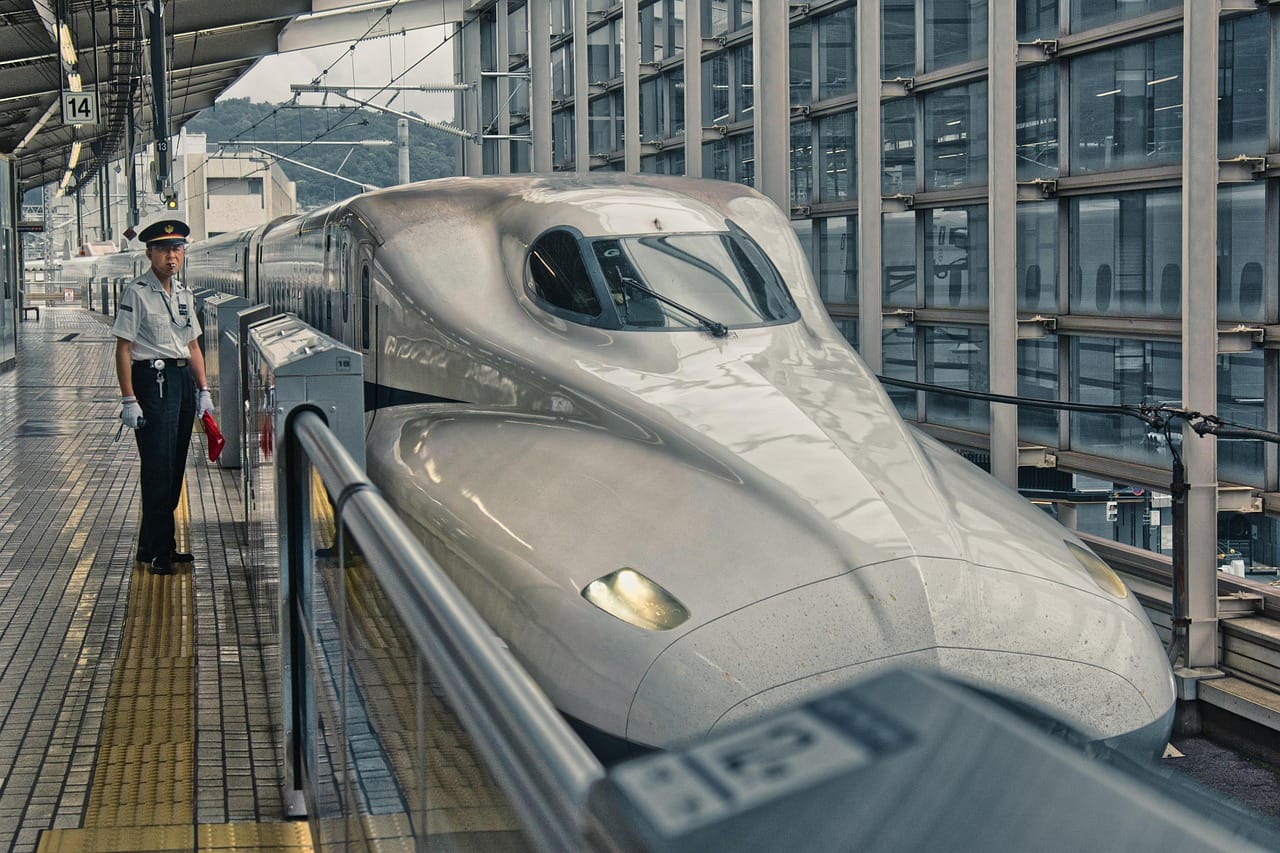
- Arriving in Hokkaido: The fastest way is taking a domestic flight from Tokyo's 羽田空港(Haneda Airport) or 成田国際空港(Narita Airport) to 新千歳空港(New Chitose Airport) near 札幌(Sapporo). Flights take roughly 1.5 hours, with round-trip tickets typically costing ¥15,000–¥30,000 ($100–$200 USD) if booked early. While the Hokkaido Shinkansen bullet train currently reaches 函館(Hakodate), traveling onward to 札幌(Sapporo) by train takes an additional 3.5 hours, making flying the most practical option.
- JR Hokkaido Trains & Passes: The rail network connects all primary cities. Handy routes include 新千歳空港(New Chitose Airport) to 札幌(Sapporo) (40 minutes), 札幌(Sapporo) to 小樽(Otaru) (35–40 minutes), 札幌(Sapporo) to 旭川(Asahikawa) (connecting to 富良野(Furano)/美瑛(Biei) via local trains or buses), and 札幌(Sapporo) to 函館(Hakodate) (approx. 3.5–4 hours). Local transportation around Sapporo can be easily tapped using rechargeable IC cards like Suica, Pasmo, or Kitaca. If traveling extensively across regions, consider purchasing a JR Hokkaido Rail Pass or whole-Japan JR Pass to save costs.
- Renting a Car: Renting a car is often the best value-for-money decision in summer, especially when visiting 富良野(Furano), 美瑛(Biei), or 知床(Shiretoko), where sights are scattered across scenic rural countryside. Roads are wide, straightforward, and uncrowded; daily rental rates average around ¥6,000–¥10,000 ($40–$67 USD) per day. Note: Winter driving requires considerable experience navigating icy roads and heavy snowfall.
- Highway Express Buses: An economical alternative connecting 札幌(Sapporo) directly with 富良野(Furano), 函館(Hakodate), and 網走(Abashiri)—ideal for budget backpackers.
Suggested Itinerary
Hokkaido is not suited for rushed, surface-level trips—plan to spend at least 4 to 5 days exploring:
5-Day Summer Itinerary:
- Day 1: Fly into 新千歳空港(New Chitose Airport), transfer to 札幌(Sapporo), stroll around 大通公園(Odori Park) and the TV Tower, then enjoy miso ramen in 薄野(Susukino) for dinner.
- Day 2: Take a day trip to 小樽(Otaru)—wander along the canal, explore 堺町通り(Sakaimachi Street), indulge in fresh sushi for lunch, and return to 札幌(Sapporo) in the evening.
- Day 3: Pick up a rental car, drive to 富良野(Furano), spend the afternoon visiting lavender farms, and overnight in 富良野(Furano).
- Day 4: Spend the morning exploring the rolling hills of 美瑛(Biei) and 青い池(Blue Pond), then drive back to 札幌(Sapporo) to drop off the car.
- Day 5: Shop at JR Tower, enjoy one last seafood feast, and head to the airport for your flight home.
5-Day Winter Itinerary: Swap 富良野(Furano) and 美瑛(Biei) for 2 days of world-class skiing in ニセコ(Niseko), or combine the 札幌雪まつり(Sapporo Snow Festival) with evening sightseeing in 小樽(Otaru). If you have 7 days available, add 2 nights in 函館(Hakodate).
If you prefer having train tickets, hotels, and harder-to-reach destinations like 知床(Shiretoko) fully arranged for you, feel free to browse our selection of all-inclusive Japan tours here to save planning time.
Essential Travel Tips Before You Go
- Book flight tickets and hotel accommodations at least 2 to 3 months in advance if traveling during peak lavender season (July) or the Snow Festival (early February)—these represent the island's busiest travel periods.
- Hokkaido winters are intensely cold, with temperatures frequently dropping below -10°C (14°F); sturdy non-slip boots and windproof heavy winter coats are absolute must-haves.
- Many authentic local eateries in 札幌(Sapporo) only accept cash, so keep plenty of Japanese yen notes and coins handy.
- If you have time to explore other regions of Japan, don't miss our comprehensive destination guides on the OlaChill blog guide section, filled with articles sorted by region and season.
北海道(Hokkaido) is the kind of captivating destination where visiting once immediately inspires a return trip in the opposite season: if you've admired the lavender fields of summer, you'll naturally yearn for the powdery snows of winter, and vice versa. Wishing you a truly unforgettable northern journey!
More from this region — Hokkaido
View all →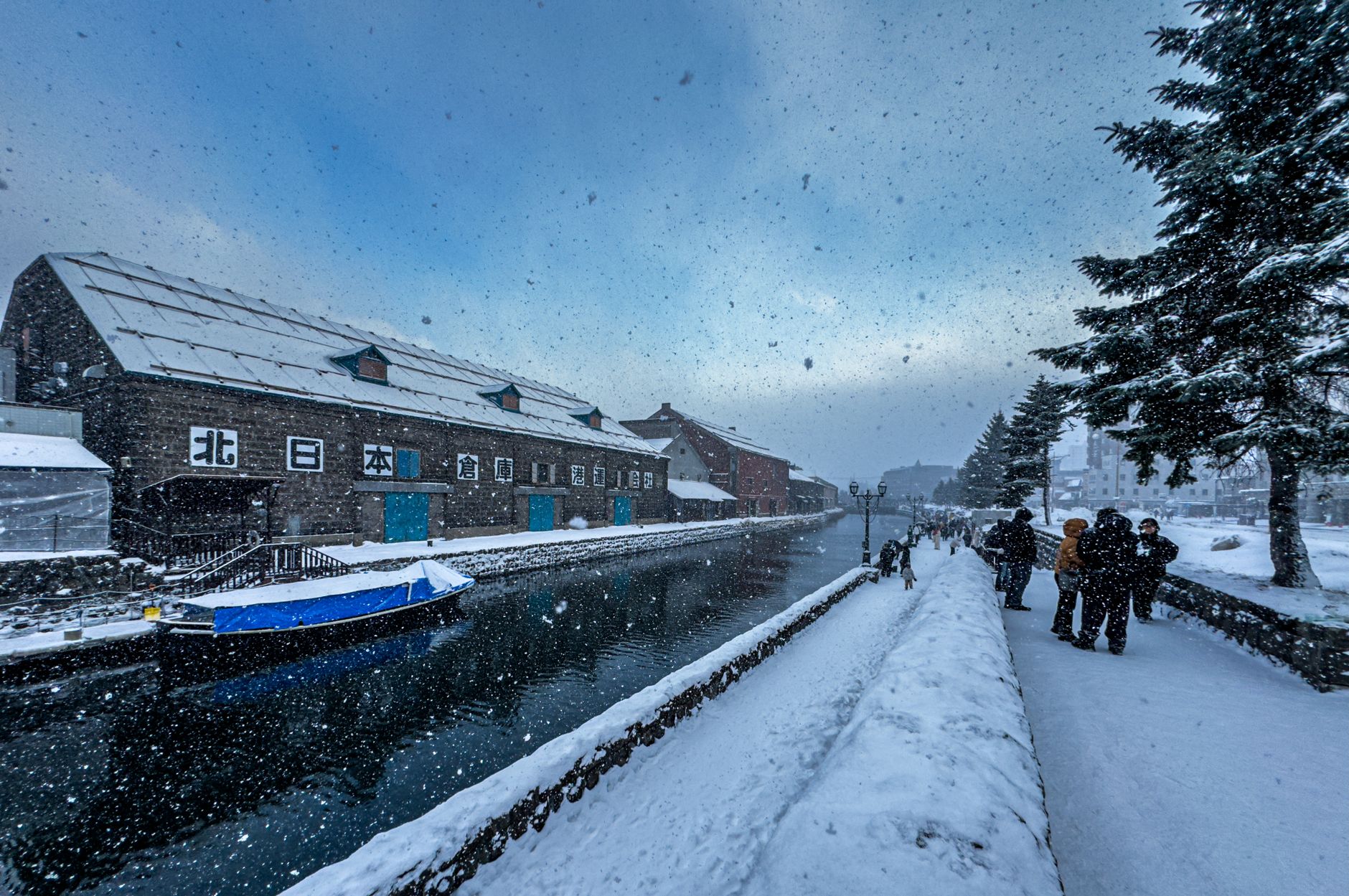
Hokkaido for Your First Real Winter
20 min · destinations
🔥 BREAKING: JR East slashes Shinkansen & express train fares by 50% — Tokyo to Tohoku, Hokkaido, Niigata, Kanazawa at half price
4 min · events

Kimono in Hokkaido: Where to Wear It, Best Photo Spots and How to Plan the Day
7 min · culture
Kushiro Wetland
6 min · destinations