

Kimono in Hokkaido: Where to Wear It, Best Photo Spots and How to Plan the Day
Wearing a kimono in Hokkaido: Otaru canal, Hakodate slopes and Sapporo shrine spots, what to wear in snow, and how a Tokyo or Kyoto rental fits your trip.
Sep 14, 2026·✍️ olablog·⏱ 7 min read
Wearing a kimono in Hokkaido: Otaru canal, Hakodate slopes and Sapporo shrine spots, what to wear in snow, and how a Tokyo or Kyoto rental fits your trip.
Tap a region to browse articles
Kimono in Hokkaido: a different rulebook
Most kimono advice is written for Kyoto lanes in April. Hokkaido is not that. The island runs colder, the streets are wider, and for four months of the year the ground is ice. That does not mean you skip the kimono. It means you plan it like a local: pick the right month, pick the right layer, and pick streets where the backdrop does the work for you.
I have walked guests through Otaru in silk in February and through Sapporo in cotton yukata in July. Both worked. Both needed a little more thought than a stroll to Kiyomizu-dera. Here is what I would tell a friend.
Where a kimono looks right in Hokkaido
Hokkaido was settled late, so you will not find thousand-year-old temple districts. What you get instead is Meiji-era stone, brick and glass, and that combination photographs beautifully against a patterned obi.
Otaru Canal and Sakaimachi Street (小樽運河・堺町通り)
The stone warehouses along the canal are the single most photographed kimono backdrop on the island. Go in the last hour before sunset, when the gas lamps come on and the water goes still. Sakaimachi Street, five minutes uphill, is lined with old merchant houses, glass workshops and the music-box museum. The street is flat and paved, which matters when you are in zori.
Hakodate Motomachi (函館元町)
Hakodate's slopes run straight from the harbour up to the old churches and consulates. The famous shot is from the top of Hachiman-zaka (八幡坂) looking down to the sea. The slope is steep for zori, so walk up in your own shoes with the kimono hem lifted, then change footwear at the top. Nearby Hakodate Hachimangu (函館八幡宮) and the star-shaped Goryokaku (五稜郭) park add a proper shrine and a moat lined with cherry trees in early May.
Sapporo: Hokkaido Shrine and Odori Park (北海道神宮・大通公園)
Hokkaido Shrine sits inside Maruyama Park, ten minutes from the subway. The approach is broad gravel under old trees, quiet on weekday mornings, and it is the natural place for a New Year or shichi-go-san style photo. Odori Park in the city centre gives you the TV Tower and flowerbeds; the Sapporo Clock Tower (時計台) two blocks away is the classic postcard.
Furano and Biei lavender (富良野・美瑛)
From early to late July the purple fields at Farm Tomita are open and free. A pale yukata against lavender rows is one of the best summer photos in Japan, but you need a car or the seasonal Furano Lavender Express train, and the walk between fields is on dirt paths.
| Spot | Best time | Access | Crowd level |
|---|---|---|---|
| Otaru Canal | Late afternoon, Feb (Snow Light Path) or Oct | 35 min by rapid train from Sapporo | High at sunset, low at 09:00 |
| Hakodate Motomachi | Early May cherry, or clear winter mornings | Tram to Jujigai, then walk | Medium |
| Hokkaido Shrine | Late April cherry, any weekday morning | Subway to Maruyama-koen, 15 min walk | Low |
| Farm Tomita, Furano | Mid July | Car or seasonal train | High in peak week |
| Goryokaku Park | Early May | Tram to Goryokaku-koen-mae | Medium |
Seasons: what to wear and what to avoid
Winter (December to March). The snow is the reason people come, and a kimono under a wool haori and a thick shawl looks wonderful in it. The problem is footwear. Zori on packed ice is a fall waiting to happen. Wear tabi socks inside proper winter boots with the hem held slightly up, and change into zori only for the photo. Keep the walk short: fifteen minutes outside, then a warm café, then out again.
Spring (late April to May). Hokkaido's cherry blossom arrives a month after Tokyo, so if you missed sakura elsewhere, Hakodate and Sapporo give you a second chance. Temperatures are still cool, so a lined kimono (awase) is right.
Summer (July to August). This is the easiest kimono season on the island. Days sit around 25°C, nights are cool, and a cotton yukata is comfortable from morning to the evening beer gardens in Odori Park. The Sapporo Summer Festival and the Otaru Ushio Festival (late July) both fill the streets with locals in yukata.
Autumn (October). Short and bright. Maple colour at Hokkaido Shrine and Jozankei comes early, in mid October. Dress as you would for winter-light.
Where OlaChill fits in
To be clear, OlaChill does not run a kimono shop in Hokkaido. Our two shops are in Tokyo Asakusa and Kyoto Kiyomizu, and Sapporo is a 90-minute flight from Haneda, so a same-day loop is not realistic.
What works for Hokkaido guests is one of these three:
- Do your kimono day in Tokyo first. Most Hokkaido itineraries start or end in Tokyo. Book a Komongi plan at Asakusa (¥5,500, or ¥4,950 booked online) and spend that day around Sensoji and the Sumida river before you fly north.
- Add next-day return. For ¥1,100 you keep the kimono overnight and return it before 10:00 the next morning. That gives you an evening in Tokyo in kimono plus a lantern-lit dinner, which is the closest thing to the Otaru gas-lamp look without leaving Kanto.
- Go private for the long day. If you want a kimono day that includes a far-flung spot, a chauffeured car lets you stay dressed without touching a train. Pricing is quoted per trip, so ask with your dates.
For the Hokkaido leg itself, bring your own yukata if you own one, or look for a rental counter near Otaru's Sakaimachi Street once you arrive. Our 10-day Hokkaido itinerary and Sapporo city guide cover the logistics around it.
Plan your kimono day
- Pick the month first. July for yukata comfort, February for snow drama, early May for cherry blossom.
- Book dressing before 10:00. Whether in Tokyo or on the island, morning light on stone streets is softer and crowds are thinner.
- Choose one district, not three. Otaru canal plus Sakaimachi is a full afternoon. Do not stack Hakodate on the same day.
- Plan the footwear switch. Boots for the walk, zori for the frame. Carry a small bag for the swap.
- Book a warm stop every 30 minutes in winter. Cafés in Otaru's old bank buildings are perfect for this.
- Return on time. Rental shops on the island typically close between 17:00 and 18:00; our Tokyo and Kyoto shops close at 18:00.
FAQ
Can I take the train from Sapporo to Otaru in a kimono? Yes. The rapid train takes about 35 minutes, seats are standard, and nobody will look twice. Sit on the left for the sea view.
Is Hachiman-zaka in Hakodate walkable in zori? Downhill yes, slowly. Uphill I would change into flat shoes. The slope is long and the paving can be slick after rain.
What do I wear under a kimono in Hokkaido winter? Thermal top and leggings, wool tabi, and a haori or shawl over the top. The obi itself keeps your core warm; it is your feet and hands that suffer.
Does OlaChill have a shop in Sapporo or Otaru? No. We have two shops, Tokyo Asakusa and Kyoto Kiyomizu, and every plan is dressed there. For Hokkaido we recommend a Tokyo kimono day before or after your flight north.
Can I wear a yukata to the Sapporo beer garden in Odori Park? Absolutely, and many locals do during the summer festival in late July and early August. It is one of the most relaxed yukata scenes in Japan.
Ready to start in Tokyo?
If Hokkaido is on your route, make the Tokyo leg your kimono day. See all 14 plans and add-ons at OlaChill Kimono Rental, book online for 10% off, and let us know if you want the next-day return so the evening is yours too.
More from this region — Hokkaido
View all →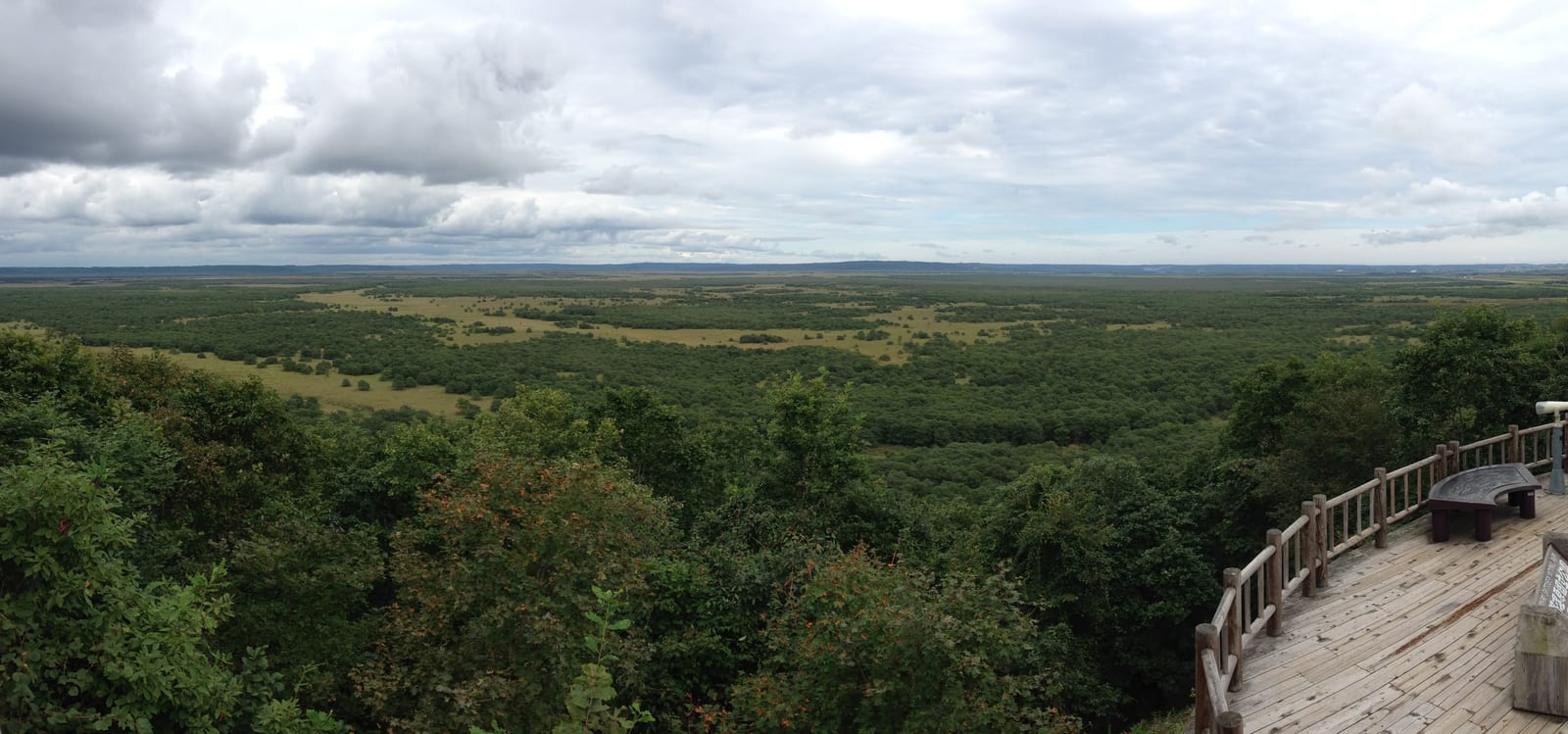
Kushiro Wetland
6 min · destinations
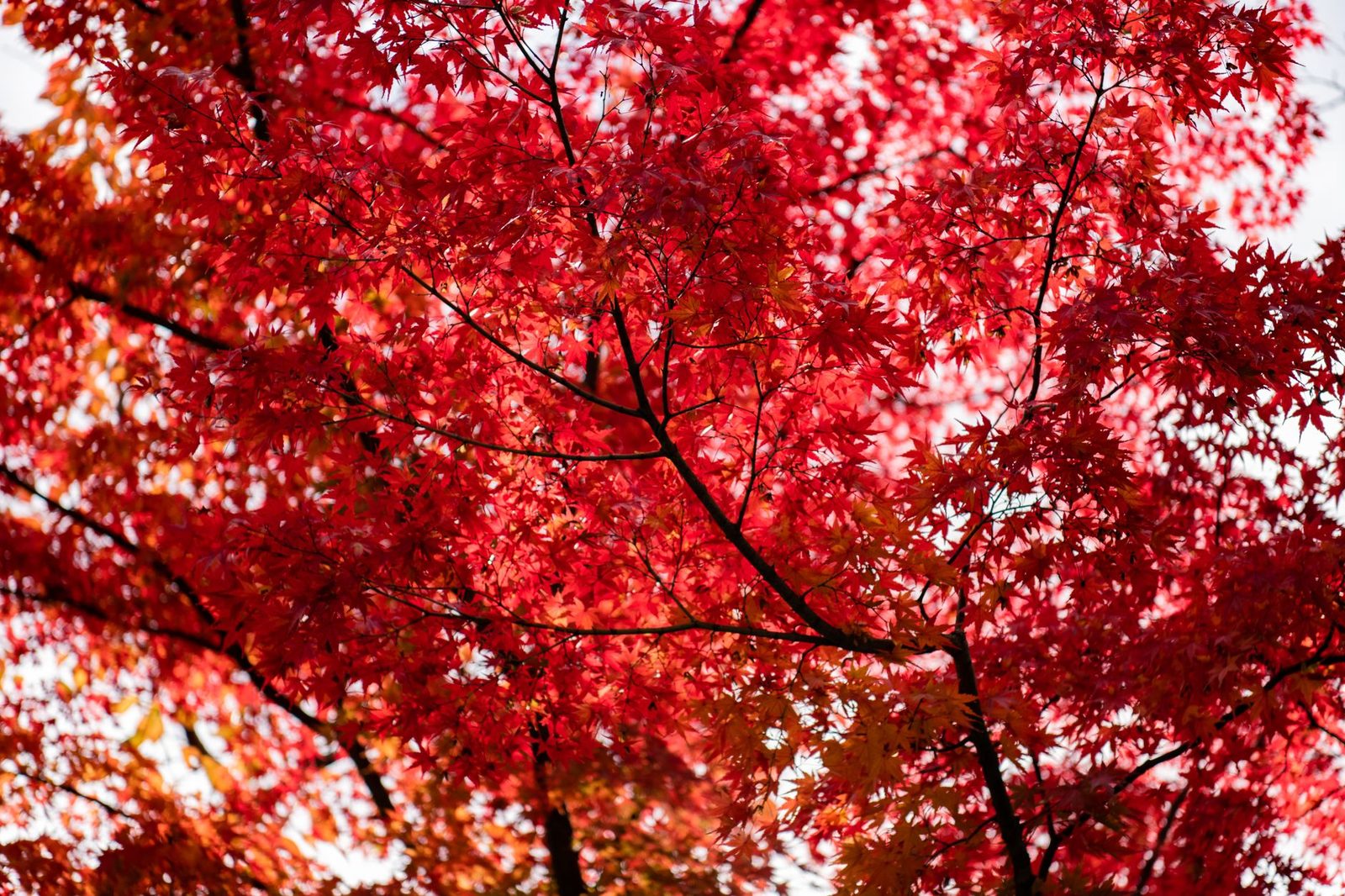
Japan Autumn Leaves Forecast 2026 by Region: From Hokkaido in Late September to Kyushu in Early December
8 min · seasonal
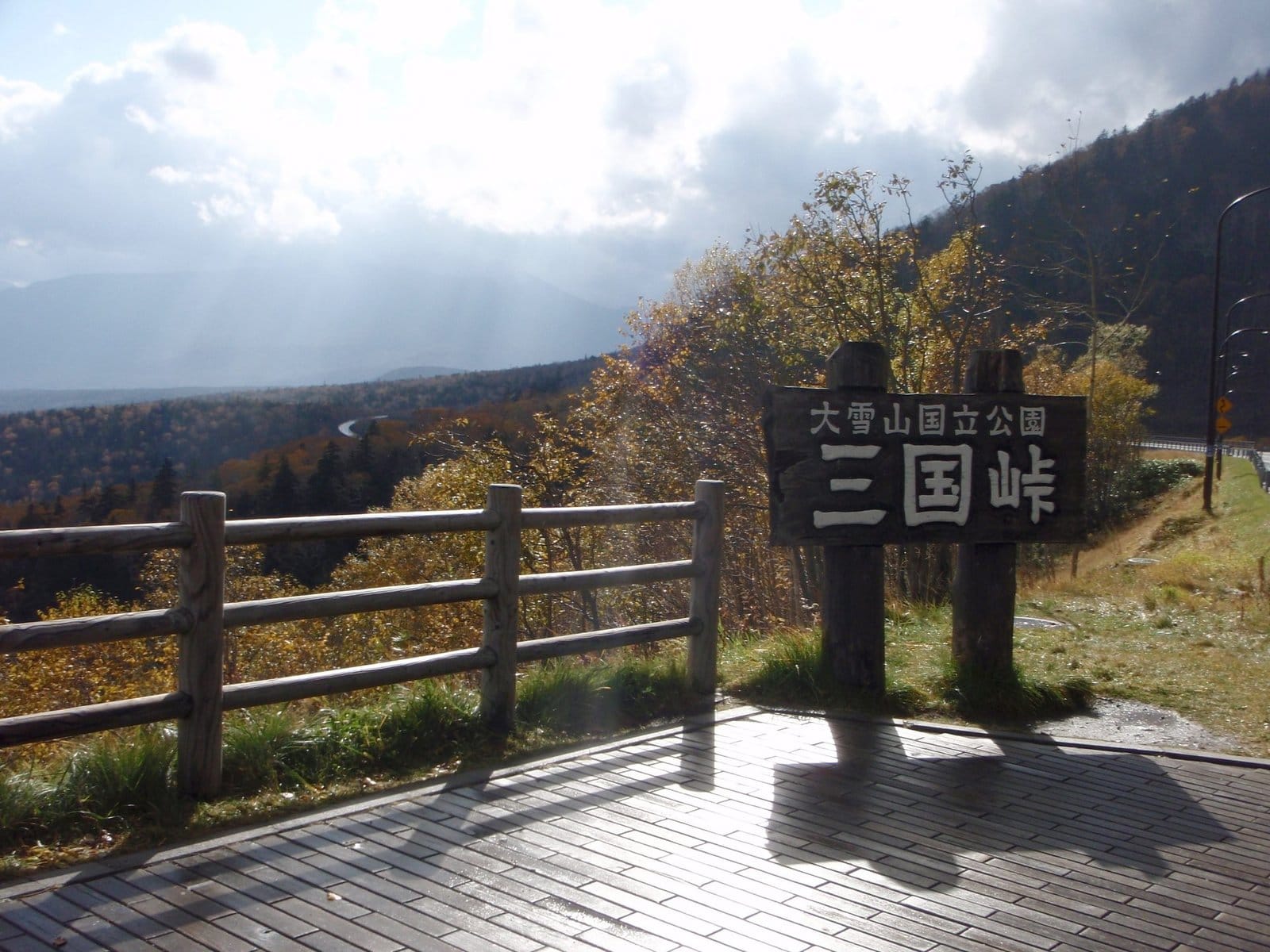
National Route 393 Otaru – Hokkaido's Most Stunning Mountain Drive
6 min · destinations
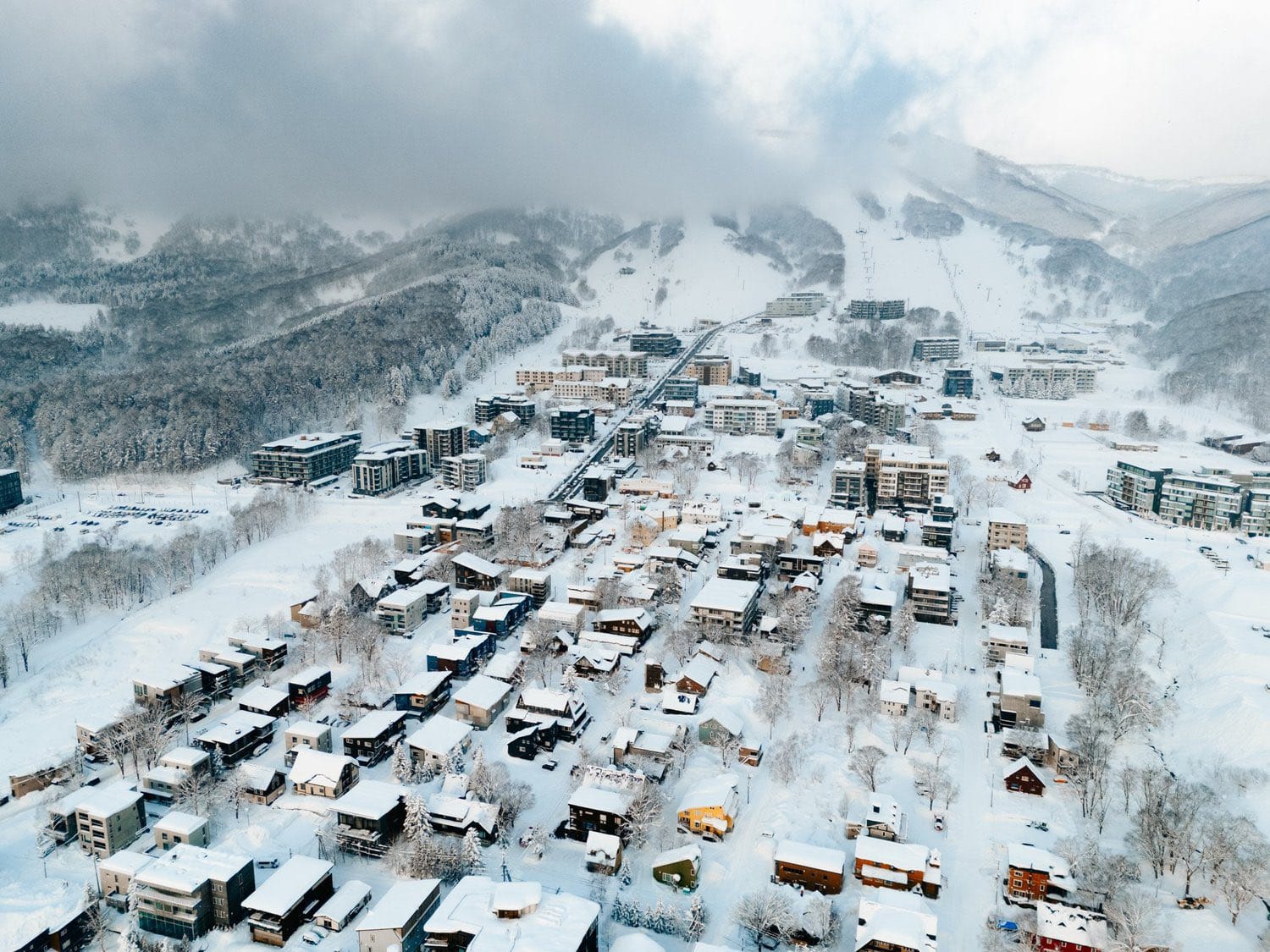
New Chitose Airport to Sapporo by 29-Seat Minibus
8 min · tips