
Hokkaido for Your First Real Winter
Discover Hokkaido's winter magic for first-time visitors from India & Bangladesh. Essential guide to snow, food, Sapporo Snow Festival & budgeting.
Jul 10, 2026·✍️ olablog·⏱ 20 min read
Discover Hokkaido's winter magic for first-time visitors from India & Bangladesh. Essential guide to snow, food, Sapporo Snow Festival & budgeting.
Tap a region to browse articles
Imagine a world blanketed in pristine white, where the air is crisp, and every breath mists into a visible cloud – a stark contrast to the tropical warmth many of us are accustomed to. For travellers from India and Bangladesh, a winter trip to Hokkaido, Japan's northernmost prefecture, offers not just a vacation, but an unforgettable "first real winter" experience. With direct flights from major Asian hubs and a 7-day Hokkaido Rail Pass costing around ¥27,000 (approximately ₹15,120), this snowy paradise is more accessible than you might think, promising a blend of natural beauty, unique culture, and world-class festivals.
Why Hokkaido is Your Perfect First Winter Wonderland
For many from South Asia, the concept of a true winter – with heavy snowfall, frozen landscapes, and temperatures consistently below freezing – is often a novelty. While some regions in India experience cold, the sheer scale and consistency of Hokkaido's winter are on another level entirely. This isn't just about cold weather; it's about experiencing the profound quiet of a snow-covered forest, the thrill of walking on soft powder, and the festive warmth generated by local communities embracing the season.
Hokkaido provides an ideal introduction to winter for several reasons. Firstly, its infrastructure is designed to handle heavy snow, meaning transportation systems remain remarkably efficient. You won't find major cities grinding to a halt; instead, trains, buses, and even pedestrian walkways are meticulously cleared, ensuring smooth travel. Secondly, the quality of the snow itself is legendary. Hokkaido is renowned globally for its "powder snow," light and dry, which makes for incredible snow activities even for those who aren't seasoned skiers. Thirdly, the warmth of Japanese hospitality shines brightest in winter. From steaming bowls of ramen to cozy cafes, there's a constant invitation to escape the cold and enjoy comforting experiences. This combination of reliable infrastructure, exceptional natural conditions, and welcoming culture makes Hokkaido a truly special destination for your inaugural winter adventure.
Beyond the snow, Hokkaido offers a distinct cultural flavour. Its history as Japan's frontier territory means it has a rugged charm and a unique culinary identity, heavily influenced by its abundant seafood and rich agricultural lands. You'll find a slower pace of life compared to bustling Honshu cities, allowing for a more immersive experience in nature and local traditions. This blend of natural wonder, cultural richness, and practical ease of travel positions Hokkaido as an unparalleled choice for South Asian travellers seeking an authentic, memorable, and accessible first real winter.
Navigating Sapporo: Your Winter Basecamp
Sapporo, Hokkaido's vibrant capital, serves as the perfect base for your winter explorations. It’s a city that effortlessly blends urban sophistication with a deep appreciation for nature, especially during the colder months. Your journey typically begins at New Chitose Airport (CTS), Hokkaido’s primary international gateway. From CTS, the most efficient way to reach Sapporo city centre is via the JR Rapid Airport Express train. These comfortable trains depart frequently, and the journey to Sapporo Station takes approximately 37 minutes, costing ¥1,150 (roughly ₹644). This fare is covered if you activate a Hokkaido Rail Pass.
Once in Sapporo, getting around is straightforward. The city boasts an excellent subway system, comparable in efficiency and cleanliness to the Delhi Metro, making it easy to reach major attractions. A single ride typically costs between ¥210-310 (approximately ₹118-174), depending on the distance. For shorter distances or a more scenic route, consider the Sapporo Streetcar. Day passes are available for both the subway and streetcar, offering good value if you plan extensive travel within the city. Walking is also a pleasant option, especially in areas like Odori Park, where paths are well-maintained even in winter.
Accommodation in Sapporo ranges from budget-friendly hostels to luxurious hotels. During the peak Sapporo Snow Festival season (early February), demand skyrockets, and prices can double or even triple. It is absolutely crucial to book your accommodation several months in advance – ideally by September or October of the preceding year – to secure reasonable rates and preferred locations. Expect to pay anywhere from ¥8,000 (approx. ₹4,480) for a comfortable business hotel outside the immediate city centre, to ¥25,000 (approx. ₹14,000) or more for a premium hotel near Sapporo Station or Odori Park during the festival. For those seeking a more communal experience, guesthouses and capsule hotels offer more economical options, starting from around ¥4,000 (approx. ₹2,240).
Sapporo’s culinary scene is a highlight, famed for its rich flavours perfectly suited for winter. Miso ramen, with its hearty broth and thick noodles, is a must-try. Soup curry, a local specialty featuring a thin, spicy broth brimming with vegetables and often chicken, is another warming delight. For seafood lovers, Sapporo offers incredibly fresh catches, from plump scallops to delicate sea urchin. However, for vegetarian and halal diners, planning is key. While many ramen shops offer pork-based broths, some now feature vegetable or miso-based options; always ask for "yasai ramen" (vegetable ramen) or "nō-niku" (no meat). Halal options are less common but growing; look for specific halal-certified restaurants, especially around Susukino or near the Sapporo Mosque, or utilize apps like Halal Navi for up-to-date listings. Be prepared to clarify dietary restrictions using translation apps or simple Japanese phrases.
The Sapporo Snow Festival: A Grand Spectacle (Early February)
The Sapporo Snow Festival, held annually for about a week in early February, is the undisputed crown jewel of Hokkaido's winter calendar and a bucket-list event for many. This incredible display of artistry transforms the city into a magical wonderland of ice and snow, attracting millions of visitors from around the globe. For first-time winter travellers, it's an unparalleled introduction to the beauty and creativity that snow can inspire.
The festival is primarily spread across three main sites, each offering a distinct experience:
- Odori Park Site: This is the main venue, stretching for about 1.5 kilometres through the heart of Sapporo. Here, you'll find the truly colossal snow sculptures, some reaching heights of 15 metres and spanning 25 metres in width. These intricate masterpieces often depict famous landmarks, historical figures, or popular anime characters, meticulously crafted by local self-defence forces and international teams. By night, these sculptures are spectacularly illuminated, transforming the park into a breathtaking, ethereal gallery. You'll also find smaller snow statues, food stalls (serving warming local treats), and stages for live performances.
- Susukino Site: Located in Sapporo's entertainment district, this site is dedicated to the shimmering beauty of ice sculptures. Talented artists carve blocks of clear ice into intricate designs, ranging from delicate fish and animals to grand, illuminated structures. Walking through Susukino at night, with the ice sculptures glowing amidst the neon lights of the district, is a truly mesmerizing experience. Many ice bars also pop up, offering drinks in actual ice glasses – a unique, albeit chilly, photo opportunity.
- Tsudome Site: A family-friendly venue located slightly outside the city centre (accessible by shuttle bus from Odori or Sakaemachi subway station), Tsudome offers a more interactive snow experience. Here, you can enjoy giant snow slides, snow rafting (being pulled on an inflatable raft by a snowmobile), and various snow activities perfect for children and adults alike. There are also indoor facilities with food stalls and resting areas, providing a much-needed respite from the cold.
Navigating the festival requires some strategic planning due to the immense crowds. The Odori Park site can get particularly busy in the evenings and on weekends. To avoid the heaviest crowds, consider visiting the Odori and Susukino sites during weekday mornings or early afternoons. Dress warmly in layers, as you'll be spending extended periods outdoors. Portable hand warmers (available at convenience stores) are highly recommended. Look for indoor warming centres, often marked on festival maps, where you can take a break and grab a hot drink.
Entry to all festival sites is generally free, though specific activities at Tsudome (like snow rafting) might have a small fee. Your main costs will be transportation, food, and any souvenirs. Budget around ¥1,000-2,000 (approx. ₹560-1,120) per person per day for snacks and hot drinks at the festival stalls. The biggest logistical challenge, as mentioned, is accommodation. For the first week of February, hotels in Sapporo are typically booked solid months in advance. If you cannot find suitable lodging in Sapporo, consider staying in nearby cities like Otaru or Chitose and commuting in, though this adds travel time and cost. Booking your flights and hotels as soon as your travel dates are firm is not just recommended, it's essential for a stress-free festival experience.
Beyond the Slopes: Experiencing Powder Without Skis
Hokkaido's reputation for exceptional powder snow often brings to mind images of world-class ski resorts. However, you absolutely don't need to be a skier or snowboarder to revel in its winter magic. For those seeking to experience the thrill of fresh snow without strapping on skis, Hokkaido offers a plethora of accessible and exhilarating activities.
One of the most serene ways to connect with Hokkaido's winter landscape is through snowshoeing. Imagine walking across a silent, snow-covered forest, the only sounds being the crunch of snow underfoot and the occasional chirp of a winter bird. Snowshoeing is essentially hiking with specialized footwear that distributes your weight, allowing you to float over deep snow. It requires no prior experience and is suitable for most fitness levels. Several parks and national reserves around Sapporo offer excellent snowshoeing trails, such as Maruyama Park (within the city) or the more expansive Shikotsu-Toya National Park. Guided half-day tours, often including equipment rental and a hot drink, typically cost between ¥5,000-10,000 (approximately ₹2,800-5,600). These tours are an excellent way to learn about the local flora and fauna and safely explore pristine areas.
For a more adrenaline-fueled experience, consider snow tubing or snow rafting. These activities involve sliding down gentle slopes on large inflatable tubes or being pulled across flat snowfields by a snowmobile. Sapporo Teine and Takino Suzuran Hillside National Park are popular spots for snow tubing, offering dedicated courses that are safe and fun for all ages. Prices are usually quite reasonable, perhaps ¥500-1,000 (approx. ₹280-560) for a ride or an hour of access. Snowmobiling offers a chance to cover more ground and experience the speed of winter. Many resorts and tour operators outside Sapporo offer guided snowmobile tours, ranging from short introductory rides to multi-hour expeditions through forests and open fields. Expect to pay ¥8,000-20,000 (approx. ₹4,480-11,200) for a guided tour, depending on duration and location.
Another unique winter activity is ice fishing. Hokkaido's numerous lakes and rivers freeze over, creating perfect conditions for drilling a hole in the ice and trying your luck at catching small fish like smelt (wakasagi). Lake Shinotsu, near Ebetsu, and the Barato River are popular locations. Tours often provide all the necessary equipment, a small tent for warmth, and even prepare your catch into tempura right on the ice. A half-day ice fishing tour might cost around ¥4,000-7,000 (approx. ₹2,240-3,920).
Finally, no winter trip to Japan is complete without experiencing an onsen (hot spring). Soaking in naturally heated mineral waters while surrounded by snow is an incredibly therapeutic and quintessentially Japanese experience. Hokkaido boasts several famous onsen towns, including Jozankei (a short bus ride from Sapporo) and Noboribetsu (a bit further afield but renowned for its "Hell Valley" landscape). Many hotels offer public and private onsen facilities. Remember onsen etiquette: bathe thoroughly before entering the communal bath, and tattoos may need to be covered (check individual onsen policies). A day pass to a public onsen can range from ¥1,000-2,500 (approx. ₹560-1,400).
A Day Trip to Otaru: Canal Charm and Glasswork
Just a short, scenic train ride from Sapporo lies Otaru, a picturesque port town that offers a delightful contrast to the capital's urban bustle. Renowned for its historic canal, charming gas lamps, and exquisite glasswork, Otaru makes for an ideal day trip, especially captivating under a blanket of snow. The journey itself is part of the experience. From Sapporo Station, the JR Rapid Airport Express or local trains will whisk you to Otaru in approximately 30 to 45 minutes, costing around ¥750 (approximately ₹420) one-way. This route is fully covered by the Hokkaido Rail Pass.
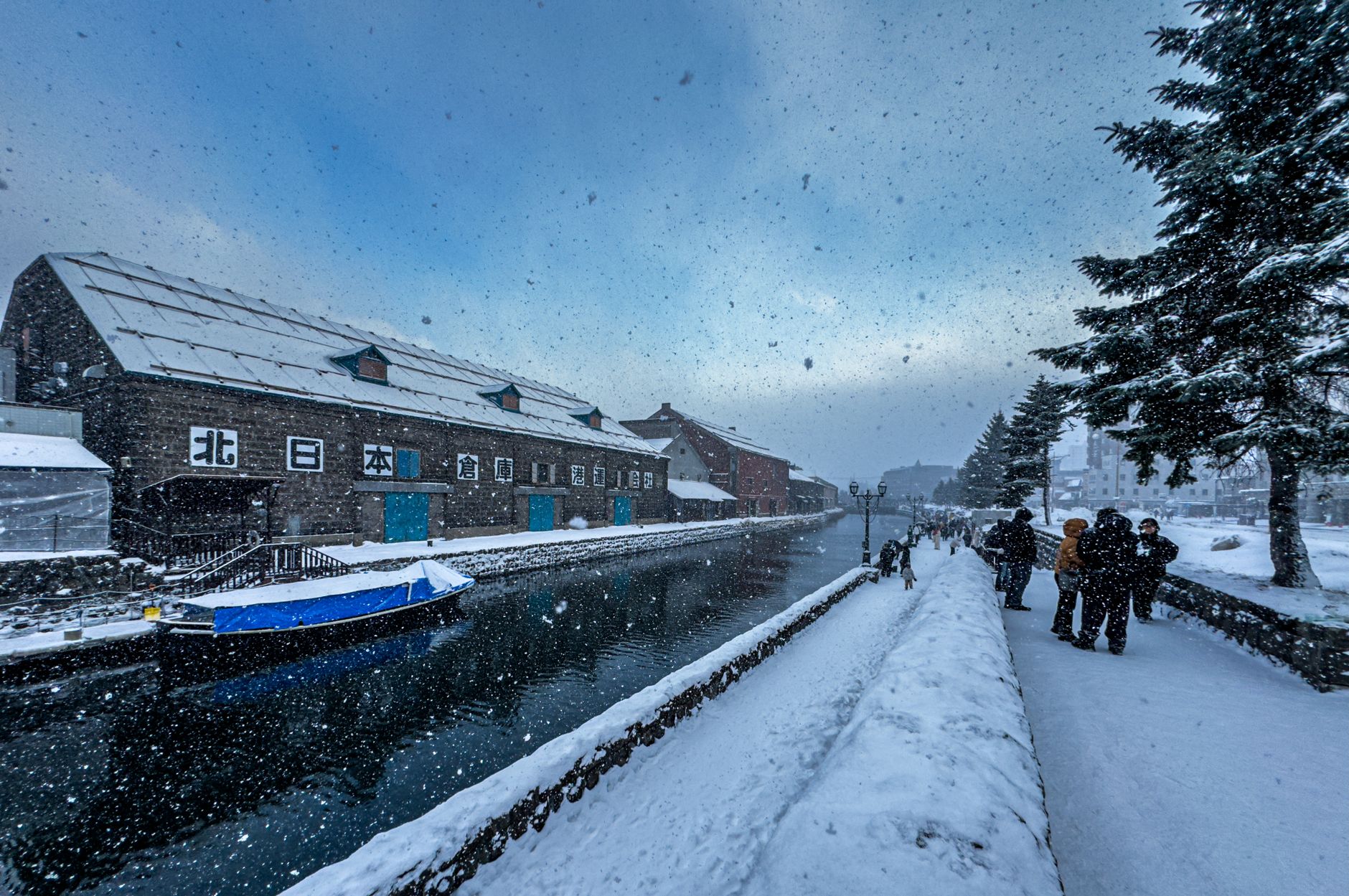
Upon arrival, your first stop should be the iconic Otaru Canal. Lined with Victorian-style warehouses that once bustled with trade, the canal now hosts leisurely boat cruises (though these might be less frequent in deep winter) and serves as a picturesque backdrop for strolls. During the day, the snow-laden buildings and still waters create a serene atmosphere. As dusk falls, the gas lamps along the canal flicker to life, casting a warm, nostalgic glow that is truly magical – a sight not to be missed.
Adjacent to the canal is Sakaimachi Street, a beautifully preserved merchant street that is the heart of Otaru's shopping and artisanal scene. Here, you'll find numerous shops specializing in local crafts, particularly Otaru glass. The town is famous for its intricate glass art, from delicate figurines to colourful tableware. The Kitaichi Glass group has several outlets, including the Kitaichi Glass Otaru Canal Store and the Kitaichi Hall, a café illuminated solely by 167 oil lamps, offering a unique ambiance for a coffee break. You can even try your hand at glassblowing workshops at some studios, though booking in advance is advisable. Another highlight on Sakaimachi Street is the Otaru Music Box Museum, a whimsical building housing thousands of antique and modern music boxes. The main building's ornate interior and the hourly chime of the steam clock outside are captivating.
For lunch, Otaru is a seafood paradise, especially famous for its sushi and kaisendon (a bowl of rice topped with fresh sashimi). Several sushi restaurants around the canal and Sakaimachi Street offer incredibly fresh catches directly from the local port. However, for vegetarian and halal diners, options can be more limited compared to Sapporo. While you might find some vegetable-based dishes or noodle soups, it's wise to plan. Consider packing some vegetarian snacks or pre-ordered halal meals from Sapporo, or look for restaurants that can accommodate specific requests, though this requires some Japanese communication or a translation app. Dairy products, like the locally famous "LeTAO" cheesecakes and soft-serve ice cream, are also popular and generally safe for vegetarians.
A sample Otaru day trip might look like this:
- Morning (9:00 AM - 10:00 AM): Depart Sapporo Station for Otaru.
- Late Morning (10:00 AM - 1:00 PM): Arrive Otaru, head straight to the Otaru Canal for photos and a walk. Explore the initial shops on Sakaimachi Street.
- Lunch (1:00 PM - 2:00 PM): Enjoy fresh seafood (if applicable) or seek out vegetarian options.
- Afternoon (2:00 PM - 5:00 PM): Visit the Kitaichi Glass outlets, perhaps try a glassblowing experience, and then immerse yourself in the Otaru Music Box Museum.
- Evening (5:00 PM - 6:00 PM): Return to the canal as the gas lamps are lit for a final, magical view.
- Departure (6:00 PM onwards): Catch a train back to Sapporo.
This day trip offers a charming blend of history, art, and natural beauty, making it an essential addition to your Hokkaido winter itinerary.
Conquering the Cold: Your Winter Wardrobe Strategy
For those accustomed to warmer climates, the thought of Hokkaido's winter temperatures, often dipping well below freezing, can be daunting. However, with the right clothing strategy, you can stay comfortably warm and fully enjoy your snowy adventures. The key is layering, which allows you to adjust your insulation based on activity levels and changing temperatures, both indoors and outdoors.
Your winter wardrobe should consist of three essential layers:
- Base Layer: This is worn directly against your skin. Opt for thermal underwear made of wool or synthetic materials (like polyester) that wick away moisture. Avoid cotton, as it retains sweat and can make you feel colder. A good quality thermal top and bottom are crucial.
- Mid Layer: This provides insulation. Fleece jackets, wool sweaters, or down vests work well. You might wear one or two mid-layers depending on how cold it is and your activity. This layer traps warm air close to your body.
- Outer Layer (Shell): This is your protection against wind, snow, and rain. A waterproof and windproof jacket and pants are non-negotiable. Look for materials like Gore-Tex or similar breathable, waterproof fabrics. Your jacket should ideally have a hood. Ski jackets and pants are perfect for this, even if you’re not skiing.
Beyond the layers, several accessories are vital:
- Footwear: Waterproof, insulated boots with good grip are essential. Look for boots designed for snow, not just fashion. They should be comfortable for walking and keep your feet dry and warm.
- Socks: Thermal wool or synthetic socks are best. Bring several pairs and change them if your feet get damp.
- Headwear: A warm hat that covers your ears is critical, as a significant amount of body heat is lost through the head.
- Handwear: Waterproof and insulated gloves or mittens are a must. Mittens generally offer more warmth than gloves.
- Neckwear: A scarf or neck gaiter will protect your neck and lower face from biting winds.
- Other Essentials: Sunglasses (for glare off the snow), lip balm (to prevent chapping), and portable hand warmers (available at any Japanese convenience store for around ¥100-200 / approx. ₹56-112 each) are highly recommended.
Winter Clothing Rental: For many first-time visitors from warmer climates, investing in a full set of high-quality winter gear might seem excessive for a single trip. This is where winter clothing rental services come in handy. Several companies, both online and with physical stores, offer rental packages that include jackets, pants, boots, gloves, and sometimes even hats. You can often pick up your gear at New Chitose Airport or have it delivered to your Sapporo hotel.
- Cost: A full rental package for a week can range from ¥10,000-20,000 (approximately ₹5,600-11,200), depending on the quality of the gear and the rental period. While this might seem like an added cost, it can be more economical and convenient than purchasing new gear you may not use again.
- Booking: It's advisable to book your rental gear online in advance, especially during peak season like the Snow Festival, to ensure availability and your correct sizes.
Mistakes to Avoid:
- Underestimating the cold: Even if the sun is out, temperatures remain low, and wind chill can make it feel much colder.
- Wearing cotton: It absorbs moisture and loses its insulating properties when wet.
- Forgetting waterproof layers: Snow is beautiful but it's also water. You'll get wet without proper outer layers.
- Not protecting extremities: Your fingers, toes, and ears are most susceptible to cold.
By following this layered approach and considering rental options, you'll be well-prepared to embrace Hokkaido's winter wonderland comfortably and safely.
Food Adventures: Navigating Hokkaido's Culinary Landscape (with dietary notes)
Hokkaido’s rich volcanic soil, vast grazing lands, and abundant coastline converge to create a culinary paradise, with dishes that are hearty, fresh, and perfect for warming up during winter. Beyond the famous Sapporo Miso Ramen and Soup Curry, you'll find an array of unique flavours. Genghis Khan (Jingisukan) is a popular lamb barbecue dish, cooked on a dome-shaped grill, often with vegetables. While delicious, this is typically not suitable for vegetarians or those seeking halal options due to the lamb. Hokkaido is also Japan's dairy heartland, so indulge in fresh milk, cheese, and incredible soft-serve ice cream, even in winter!
For Vegetarian Travellers (शाकाहारी / নিরামিষাশী): Navigating Japanese cuisine as a vegetarian can sometimes be challenging due to the pervasive use of dashi (fish broth) in many dishes. However, with awareness and a few key phrases, you can enjoy delicious meals in Hokkaido.
- Ramen/Soup Curry: As mentioned, actively look for "yasai ramen" (vegetable ramen) or "shio ramen" (salt-based ramen) where the broth might be vegetable-based. For soup curry, many establishments offer a wide range of vegetable-only options, allowing you to customize your spice level and ingredients.
- Potato Dishes: Hokkaido is famous for its potatoes. Look for baked potatoes with butter, potato croquettes (check for meat fillings), or "jaga-butter" (potato with butter) which is a simple, delicious snack.
- Corn: Sweet corn, often grilled with butter, is another Hokkaido specialty, though more common in warmer months, you might find it in some indoor markets.
- Convenience Stores (Konbini): FamilyMart, Lawson, and 7-Eleven are your best friends. They offer a reliable range of vegetarian-friendly options like plain onigiri (rice balls – check ingredients for fish flakes), salads, fruits, vegetable sandwiches, and sometimes even pre-packaged noodle dishes without meat. Read labels carefully; Google Translate's camera function can be a lifesaver.
- Cafes: Many cafes offer pastries, bread, and simple vegetable sandwiches or salads.
- Phrases to learn:
- "Niku nashi de onegaishimasu" (No meat, please)
- "Dashi nuki de onegaishimasu" (No fish broth, please)
- "Kore wa o-niku ga haitte imasu ka?" (Does this contain meat?)
- "Watashi wa bejitarian desu." (I am vegetarian.)
For Halal Travellers (হালাল): Halal options are significantly less common in Japan compared to many other countries, but efforts are being made, especially in major tourist cities. Hokkaido is still developing its halal infrastructure, but with careful planning, it's manageable.
- Dedicated Halal Restaurants: Your best bet is to research and identify specific halal-certified restaurants in Sapporo before your trip. Use apps like "Halal Navi" or "Japan Muslim Guide," which provide lists and reviews of halal-friendly establishments. These are typically concentrated around the city centre or near mosques.
- Seafood: Fresh seafood, particularly sushi and sashimi, is generally a safe and delicious option, provided it's prepared without alcohol (e.g., mirin in sushi rice, although usually in very small, cooked amounts, may be a concern for some). Always inquire about preparation methods if unsure.
- Vegetarian Options: Many of the vegetarian strategies apply. However, be mindful that even vegetable dishes might be cooked in the same oil as non-halal items or use non-halal ingredients like certain seasonings or alcohol-based flavourings.
- Bringing Your Own: Consider bringing some essential non-perishable halal snacks, instant noodles, or even ready-to-eat meals from home, especially for day trips to smaller towns like Otaru where options are extremely limited.
- Self-Catering: If staying in accommodation with kitchenettes, purchasing groceries from supermarkets and cooking your own meals offers the most control over ingredients.
- Phrases to learn:
- "Halal desu ka?" (Is this halal?)
- "Butaniku nashi de onegaishimasu." (No pork, please.)
- "Arukoru nashi de onegaishimasu." (No alcohol, please.)
While dining in Hokkaido, embrace the adventure. Japanese food culture emphasizes fresh, seasonal ingredients, and even with dietary restrictions, you'll find incredible flavours. Don't hesitate to politely ask questions, and a translation app can bridge any language gaps.
Key Takeaways
- Book Early, Especially for February: Accommodation, particularly in Sapporo during the Snow Festival, sells out months in advance and prices surge. Secure your flights and hotels as soon as your dates are firm.
- Embrace Layering: Proper winter clothing (base, mid, outer layers) and waterproof accessories (boots, gloves, hat) are crucial for comfort and safety. Consider rental services if purchasing new gear is impractical.
- Hokkaido Rail Pass Value: For extensive travel beyond Sapporo, especially to Otaru or further regions, a Hokkaido Rail Pass can offer significant savings and convenience, similar to how an IRCTC pass might facilitate travel in India.
- Beyond Skiing: Hokkaido offers a rich array of non-skiing winter activities like snowshoeing, snow tubing, ice fishing, and onsen visits, ensuring a memorable experience for everyone.
- Plan Your Meals: Research vegetarian and halal-friendly restaurants in advance, especially in Sapporo. Utilize translation apps and learn key phrases for communicating dietary needs. Convenience stores are reliable for safe snack options.
- Experience Otaru: A day trip to Otaru offers a charming change of pace with its historic canal, unique glasswork, and delicious seafood (with careful planning for dietary needs).
More from this region — Hokkaido
View all →
🔥 BREAKING: JR East slashes Shinkansen & express train fares by 50% — Tokyo to Tohoku, Hokkaido, Niigata, Kanazawa at half price
4 min · events

Kimono in Hokkaido: Where to Wear It, Best Photo Spots and How to Plan the Day
7 min · culture
Kushiro Wetland
6 min · destinations
Japan Autumn Leaves Forecast 2026 by Region: From Hokkaido in Late September to Kyushu in Early December
8 min · seasonal