
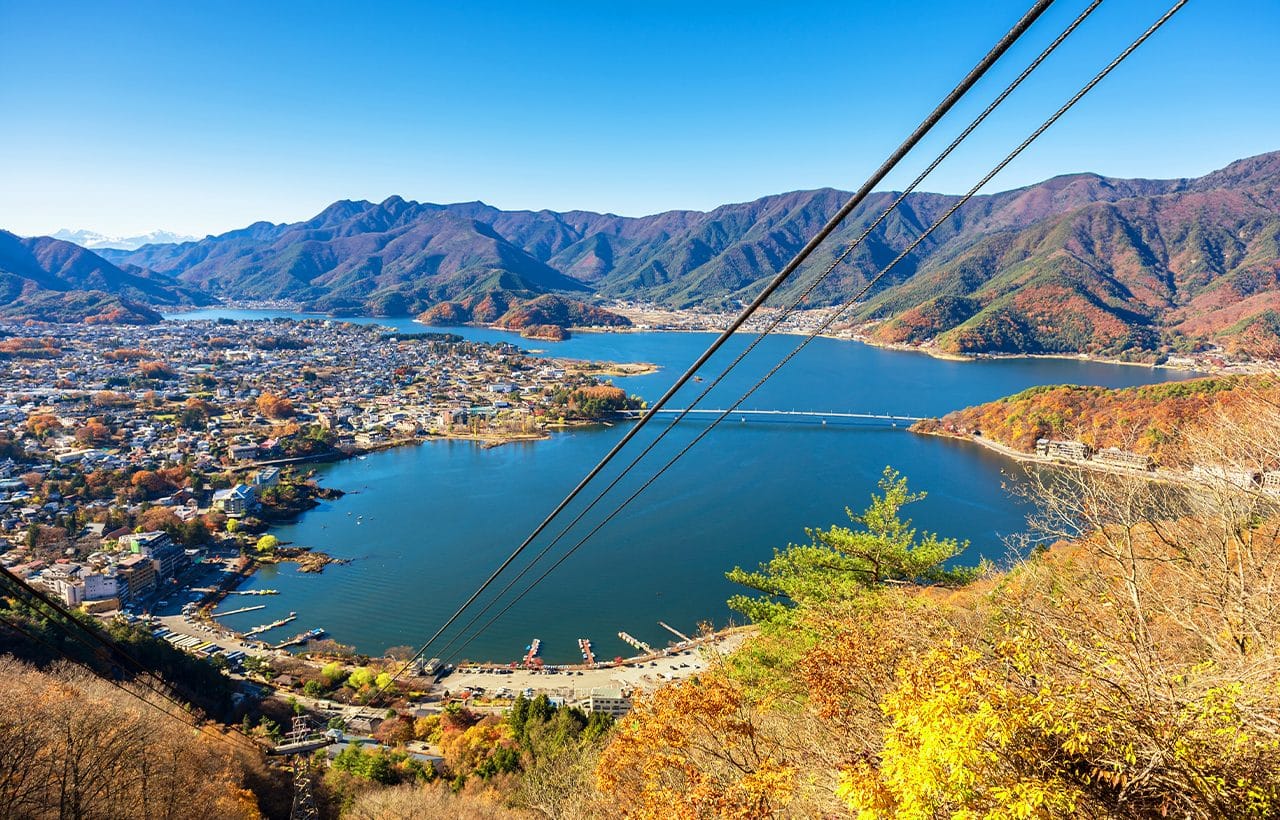
Fuji Panorama Line – The Ultimate Scenic Drive Around Mount Fuji
Everything you need to know about driving the Fuji Panorama Line across Yamanashi and Shizuoka: the best seasons to visit, how to get there, top photo stops, and a ready-to-use 1–2 day itinerary.
Apr 8, 2026·✍️ olablog·⏱ 6 min read
Everything you need to know about driving the Fuji Panorama Line across Yamanashi and Shizuoka: the best seasons to visit, how to get there, top photo stops, and a ready-to-use 1–2 day itinerary.
Tap a region to browse articles
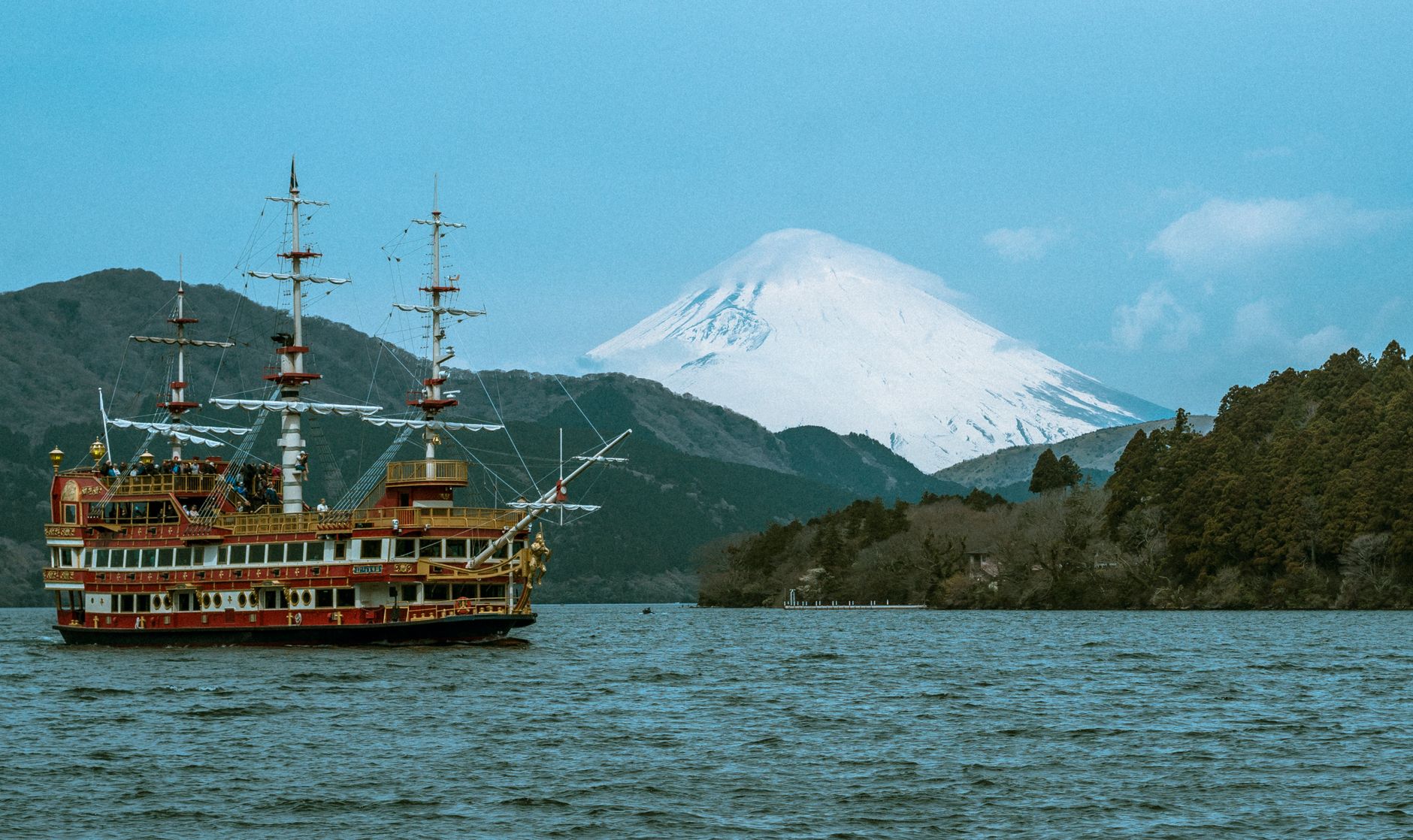
Japan spoils nature lovers at every turn, but Fuji Panorama Line, running between Yamanashi and Shizuoka prefectures, sits in a league of its own. This isn't just a road — it's a front-row seat to one of the planet's most jaw-dropping landscapes. Around every bend, the scenery shifts: volcanic silhouettes, mirror-flat lakes, cedar forests, and Fuji herself looming larger than any postcard ever prepared you for. Come for the views; stay because you genuinely can't bring yourself to leave.
1. What Makes Fuji Panorama Line So Special
Fuji Panorama Line runs inland along the western foot of Mount Fuji, linking the Fuji Five Lakes side of Yamanashi with Fujinomiya and the Asagiri Plateau in Shizuoka. The light here has a quality photographers chase for years — golden at dawn, blazing at midday, and utterly cinematic at dusk when the sky turns lavender behind the summit.
The road itself is part of the experience. It curls through mountain passes, skirts lakes and forest, and opens onto the wide pastures of the Asagiri Plateau with Fuji filling the windscreen. Travelers who have done the Pacific Coast Highway or Scotland's North Coast 500 often cite Fuji Panorama Line as their Japan equivalent — equally dramatic, far less crowded.
2. Top Photo Stops You Can't Skip
The Fuji Panorama Line corridor is packed with viewpoints, from the famous to the genuinely secret. Here are the highlights:
Main observation deck: A 180-degree panorama of the entire route — sunrise and sunset here are consistently rated the best in the region.
Ancient cedar tunnel: Centuries-old trees arch overhead to form a natural green corridor. It's stunning year-round, but particularly magical in spring (cherry blossom season), autumn (fiery foliage), and winter (snow-dusted branches).
Reflection lake or river: The still water acts like a giant mirror, producing perfectly symmetrical shots that look almost too good for Instagram. Arrive early before wind ripples the surface.
Summit viewpoint: Hike or drive to the highest accessible point for a true panorama — Fuji on one side, the Pacific glittering in the distance on the other.
3. Best Time to Visit
Every season brings something different to Fuji Panorama Line, but the sweet spots are April, October, and February. Here's why:
- Weather is at its most stable — ideal for driving mountain roads and keeping Fuji's cap cloud-free.
- Scenery peaks seasonally: cherry blossoms in April, blazing koyo (fall foliage) in October, pristine snow in February.
- Natural light is perfect for photography between 6–9 a.m. and 4–6 p.m.
- Crowds are manageable — lively enough that facilities are open, quiet enough that you won't be queuing for viewpoints.
Winter visitors should brace for icy mountain passes — carry snow chains if you're heading to higher elevations. Spring and autumn are the safest bets for first-timers.
4. The Best Way to Explore — Hit the Road Yourself
Public transit along the western side of Fuji is limited and slow. A self-drive road trip is the clear winner here. Having your own wheels means stopping whenever the light is perfect, ducking down single-track lanes that buses will never reach, and setting your own pace rather than sprinting between train connections.
The roads along Fuji Panorama Line are well-maintained, clearly signed (many signs include romaji), and dotted with rest areas (道の駅, Michi-no-Eki) where you can stretch, grab a coffee, and browse local produce. Lanes are wide enough for comfortable driving — even if you're not used to left-hand traffic.
✨ Pro tip: Rent a car through OlaChill and explore Fuji Panorama Line entirely on your own schedule — self-drive or with a private driver, your call.
5. Sample 1–2 Day Itinerary
Day 1
- 6:00 a.m. — Arrive at the main observation deck for sunrise. Fuji in the golden hour is worth the early alarm.
- 8:00 a.m. — Breakfast at a local restaurant — look for wasabi dishes (Shizuoka grows most of Japan's wasabi) or fresh seafood from Suruga Bay. Think of it as the Japanese equivalent of a full Scottish breakfast: hearty, local, and completely unmissable.
- 9:30 a.m. — Drive the main scenic stretch, pulling over at viewpoints as the mood strikes.
- 12:00 p.m. — Lunch at a Michi-no-Eki rest stop or a roadside restaurant.
- 2:00 p.m. — Detour to secondary attractions: a historic village, a waterfall, or a nearby crater lake.
- 5:00 p.m. — Check into your hotel or ryokan (traditional inn).
- 6:30 p.m. — Soak in an onsen (hot spring bath), then sit down to a multi-course kaiseki dinner. After a day of driving, you've earned it.
Day 2
- 7:00 a.m. — Early breakfast and an early start to beat any tour-bus crowds.
- 8:30 a.m. — Tackle a secondary route or a viewpoint that didn't make yesterday's itinerary.
- 11:00 a.m. — Head to the reflection lake for your best symmetry shots of the trip.
- 1:00 p.m. — Lunch and a slow wind-down.
- 3:00 p.m. — Continue to your next destination or begin the drive back.
6. Practical Tips
- 📷 Golden hour is non-negotiable: The 30 minutes before and after sunrise/sunset produce the best light — set your alarm.
- 🚗 Book your rental car early: Peak periods (April, October, February) sell out fast — reserve at least one to two weeks ahead.
- ⛽ Fill up before you head out: Gas stations thin out quickly once you're in the mountains. Top off in town.
- 📱 Download offline maps: Save the Yamanashi and Shizuoka area in Google Maps before you leave your hotel — cell signal in mountain areas is patchy.
- 🍙 Stock up at a convenience store: 7-Eleven and FamilyMart are your best friends on a Japanese road trip — onigiri, sandwiches, hot drinks, everything you need.
- ☁️ Check the forecast: Mountain weather changes fast, especially in winter and rainy season (June–July). A clear Fuji view is never guaranteed — treat it as a bonus when it happens.
More from this region — Mt. Fuji
View all →
Lake Yamanakako Through the Seasons: Fuji Views and Access
5 min · destinations
Hakone in a Day — The Complete Round Course Loop from Tokyo
9 min · destinations
The Ultimate Hakone Onsen Day-Trip Guide from Tokyo: Romancecar, Odawara Transfers, and Popular Ryokan
20 min · destinations
Hakone Loop by Private Van: Ropeway, Lake Ashi and Museums
9 min · tips