
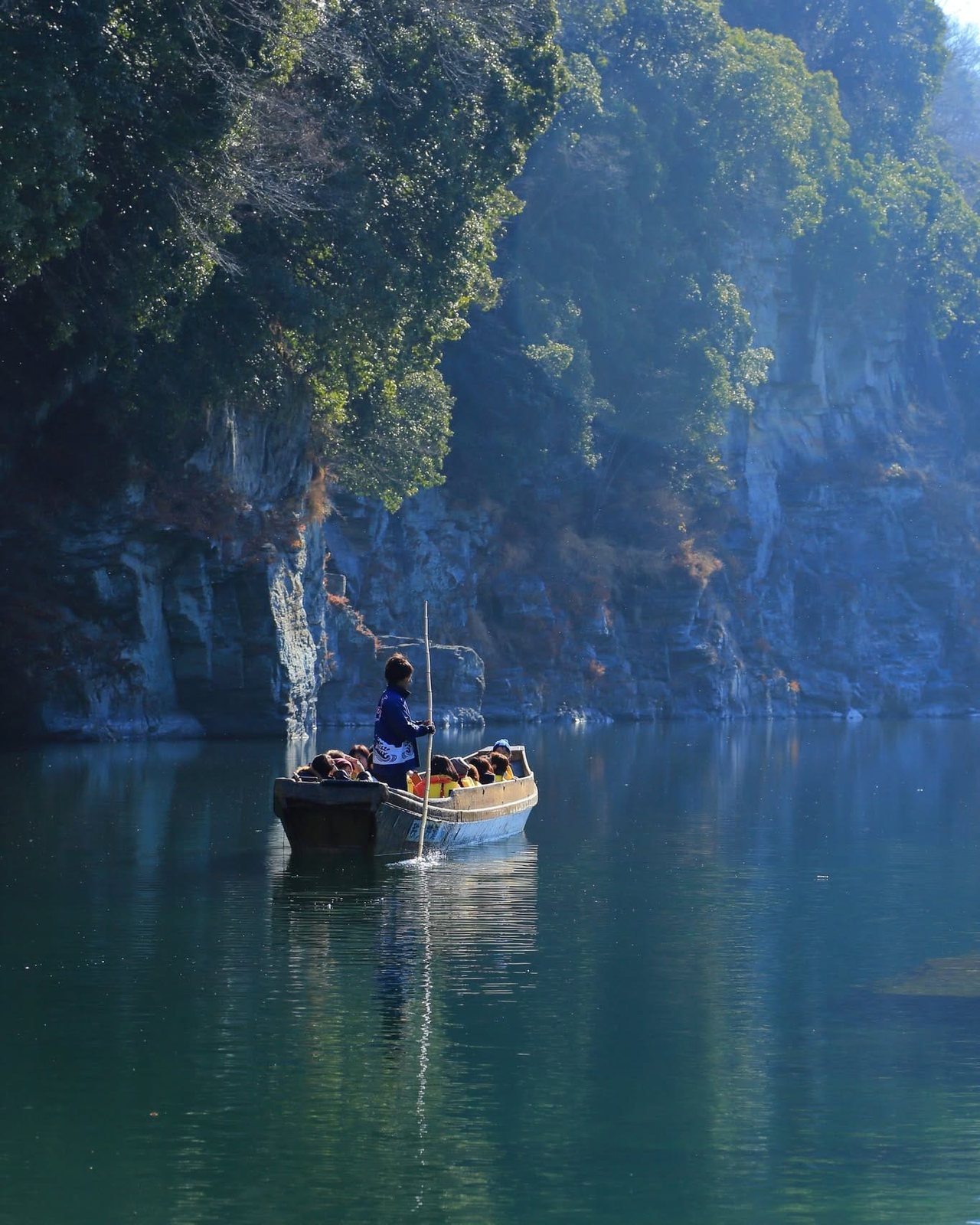
Japan's Autumn Leaves
Chase Japan's stunning autumn leaves in November from Nikko to Kyoto. A practical guide for Indian and Bangladeshi travelers, covering Koyo timing, top spots, night illuminations, crowd avoidance, and essential tips for vegetarian/halal food and budgeting.
Jul 10, 2026·✍️ olablog·⏱ 19 min read
Chase Japan's stunning autumn leaves in November from Nikko to Kyoto. A practical guide for Indian and Bangladeshi travelers, covering Koyo timing, top spots, night illuminations, crowd avoidance, and essential tips for vegetarian/halal food and budgeting.
As November ushers in cooler temperatures across Japan, the archipelago transforms into a breathtaking palette of crimson, gold, and amber. For first-time or second-time visitors from India and Bangladesh, planning a trip around Japan's autumn leaves, or koyo, can be an unforgettable experience. This guide will take you through the prime viewing spots from Nikko to Kyoto, offering practical advice on timing, transport, crowd avoidance, and crucial tips for vegetarian and halal food options, ensuring a smooth and memorable journey. Expect to budget approximately ¥10,000 to ¥15,000 (around ₹5,600 to ₹8,400) per person per day for basic expenses, excluding major travel passes and accommodation.
Decoding Japan's Koyo Front in November: Where and When to Chase the Colors
Understanding the koyo front is key to timing your trip perfectly. Unlike the quick bloom of cherry blossoms, autumn foliage offers a more extended viewing period as the colors gradually descend from north to south, and from higher altitudes to lower plains. November is a sweet spot, capturing the peak beauty in several iconic regions.
In early November, the mountainous regions further north and at higher elevations, such as parts of Nikko and Hakone, reveal their most vibrant hues. Nikko, nestled in Tochigi Prefecture, sees its higher areas like Lake Chuzenji, Kegon Falls, and the Irohazaka Road reaching peak colors from mid-October to early November. The town center, including the revered World Heritage sites, typically follows, peaking in early to mid-November, sometimes extending into the latter half of the month. This staggered timing allows for a strategic visit, starting your Koyo chase in the loftier landscapes.
As November progresses, the koyo front moves southward and to lower elevations. Hakone, a popular getaway near Tokyo, showcases its autumn splendor from late October through November. Higher spots like Owakudani and the areas around Lake Ashi glow from late October to mid-November, while lower areas such as Hakone-Yumoto and Gora/Kowakudani are at their best from early November to early December.
By mid-to-late November, the ancient capital of Kyoto becomes the undisputed star of the autumn season. While leaves might start changing in late October, Kyoto generally experiences its peak koyo from mid-November to early December. This period transforms Kyoto's temples, gardens, and traditional streets into a fiery spectacle, drawing crowds from across the globe. Areas like Kibune Shrine in northern Kyoto might even show colors earlier in November, offering a chance to witness early autumn beauty before the main city peaks.
The exact timing can shift by a week or so each year due to weather conditions like temperature and rainfall, similar to how monsoon patterns influence weather back home. Warmer temperatures can delay the peak, while cooler temperatures can accelerate it. Therefore, it is always advisable to check the latest autumn foliage forecasts from the Japan Meteorological Agency or reputable travel sites closer to your travel dates for the most accurate information.
Essential Passes & Smart Travel: Navigating Japan's Transport Network
Efficient transportation is crucial for maximizing your koyo experience. Japan's public transport system is renowned for its punctuality and efficiency, often compared to the Delhi Metro for its widespread network and ease of use. However, understanding the various passes available can lead to significant savings.
For a trip spanning multiple regions like Nikko, Hakone, and Kyoto, a Japan Rail Pass might seem like the obvious choice. However, for a focused November itinerary primarily covering Nikko (accessible via Tobu Railway), Hakone (Odakyu Railway), and Kyoto (Shinkansen, which is JR), a standard JR Pass might not always be the most cost-effective. It's essential to calculate individual train fares versus the pass cost for your specific itinerary. For instance, the Shinkansen ride from Tokyo to Kyoto is a significant cost, which the JR Pass would cover.
Instead, consider combining regional passes with individual Shinkansen tickets.
Tobu Nikko Pass
For Nikko, the Tobu Railway offers several convenient passes. The Nikko Pass All Area is highly recommended for comprehensive exploration, providing unlimited travel on Tobu trains and buses within the Nikko area, including access to Lake Chuzenji, Kegon Falls, and the World Heritage sites. This 4-day pass is priced at approximately ¥8,000 (around ₹4,480) for adults and is valid year-round. It covers transportation from Tobu Nikko or JR Nikko stations to far-flung destinations like Yumoto Onsen. For those focusing solely on the UNESCO World Heritage sites, the Nikko Pass World Heritage Area (a 2-day pass for bus travel within the World Heritage area) costs around ¥3,000 (approximately ₹1,680) for adults. These passes can be purchased at Tobu Tourist Information Centers in Asakusa or Ikebukuro, or online. Always check the official Tobu Railway website for the latest prices and validity.
Hakone Free Pass
When visiting Hakone from Tokyo, the Hakone Free Pass is almost always a worthwhile investment. This pass, offered by Odakyu Railway, covers unlimited rides on eight different modes of transport within the Hakone area, including the Hakone Tozan Railway, cable car, ropeway, and sightseeing cruise on Lake Ashi. It also provides discounts at over 70 attractions.
- 2-Day Adult Pass (from Shinjuku): Approximately ¥6,100 to ¥7,100 (around ₹3,416 to ₹3,976).
- 3-Day Adult Pass (from Shinjuku): Approximately ¥6,500 to ¥7,500 (around ₹3,640 to ₹4,200).
While the pass covers the base fare for the Odakyu Line round trip from Shinjuku to Odawara, opting for the more comfortable, reserved-seat Romancecar requires an additional limited express surcharge of about ¥1,200 (around ₹672) one way. If you are arriving at Odawara by Shinkansen (e.g., using a JR Pass), you can purchase a Hakone Free Pass that starts from Odawara, costing approximately ¥5,000 to ¥6,000 (around ₹2,800 to ₹3,360) for a 2-day adult pass. The pass can be purchased at Odakyu Sightseeing Service Centers in Shinjuku, or at Hakone-Yumoto and Odawara stations.
Booking Tips
- Shinkansen: For travel between Tokyo and Kyoto, individual Shinkansen tickets can be purchased at JR station ticket counters or vending machines. You can opt for reserved or non-reserved seats. Booking online in advance is also possible through JR East/West websites, similar to IRCTC bookings, allowing you to secure your preferred timings.
- Local Buses/Subways: In cities like Kyoto, a rechargable IC card (like Suica or Pasmo, widely accepted nationwide) is incredibly convenient. Simply tap and go, avoiding the hassle of buying individual tickets, much like using a Metro card.
- Flexibility vs. Savings: While passes offer savings, they also commit you to a specific area. If your itinerary is flexible, individual tickets might provide more freedom, though potentially at a higher cost.
Nikko: Early November's Northern Masterpiece
Nikko, a UNESCO World Heritage site, is a fantastic destination to kick off your November koyo chase, particularly in the earlier part of the month. Its combination of stunning natural beauty and ornate historical shrines makes it a truly unique experience.
Top Koyo Spots in Nikko
- Shinkyo Bridge and Toshogu Shrine: The iconic vermilion Shinkyo Bridge, part of the Futarasan-jinja Shrine, perfectly contrasts with the fiery red maples that frame it, especially from late October to early November. Just a short walk from Nikko Station, it's a magnificent photo opportunity. The opulent Toshogu Shrine, with its intricate carvings and vibrant colors, is equally stunning when surrounded by autumn foliage, typically peaking in early to mid-November.
- Lake Chuzenji & Kegon Falls: Located at a higher altitude, the area around Lake Chuzenji and the dramatic Kegon Falls (one of Japan's three most beautiful waterfalls) offers earlier autumn colors, usually from mid-October to early November. A boat cruise on Lake Chuzenji provides panoramic views of the surrounding mountains draped in red and gold. You can reach this area by bus from Tobu Nikko Station.
- Irohazaka Winding Road: This famous winding road connecting central Nikko to the Okunikko region is a spectacle in itself during autumn. The drive offers breathtaking views of the valleys ablaze with colors, usually from mid-October to early November. Be prepared for potential traffic during peak season.
- Akechidaira Plateau: Accessible via ropeway, the Akechidaira Observation Deck offers sweeping views of the Irohazaka Road, Lake Chuzenji, and Kegon Falls, all set against a backdrop of vibrant autumn foliage.
Sample Day Itinerary (Early November)
Start your day early from Tokyo (e.g., Asakusa Station) using the Tobu Railway to Tobu Nikko Station. With a Nikko Pass All Area, your journey is covered.
- Morning (9:00 AM - 1:00 PM): Arrive at Tobu Nikko Station. Take a bus towards Lake Chuzenji/Yumoto Onsen. Alight at Akechidaira Plateau. Take the ropeway for panoramic views of Kegon Falls and Lake Chuzenji with early Koyo. Continue by bus to Lake Chuzenji to enjoy the lakeside scenery and perhaps a short boat ride.
- Lunch (1:00 PM - 2:00 PM): Enjoy lunch around Lake Chuzenji.
- Afternoon (2:00 PM - 5:00 PM): Take the bus back towards Nikko town. Visit the UNESCO World Heritage sites: Toshogu Shrine, Futarasan-jinja Shrine, and Rinno-ji Temple, admiring the autumn leaves around them. Don't miss the Shinkyo Bridge.
- Evening (5:00 PM onwards): Head back to Tobu Nikko Station for your train back to Tokyo.
Food Considerations in Nikko
While Nikko offers charming local eateries, finding strictly vegetarian or halal options can be slightly more challenging than in major metropolitan areas.
- Vegetarian: Look for yuba (tofu skin), a local specialty often served in various forms, including sashimi-style or deep-fried. Confirm if broths used in noodle dishes are dashi-free (fish stock). Many smaller, traditional restaurants might use dashi as a base for almost everything. Carrying a Japanese dietary card explaining your needs is highly advisable. Convenience stores remain a reliable source for plain rice, fruits, and some packaged snacks.
- Halal: Dedicated halal restaurants are rare. Seafood options are generally safer, but always inquire about cooking oils and sauces (many contain alcohol or non-halal ingredients). Vegetarian temple cuisine (shojin ryori) can be a suitable halal-friendly option if prepared without alcohol, though it is usually found at specific temple lodging or specialized restaurants.
Hakone: Lakes, Peaks, and Early-to-Mid November's Charms
Hakone, easily accessible from Tokyo, offers a stunning blend of natural beauty, hot springs, and art, all intensified by the autumn foliage. Its diverse elevations mean you can find beautiful colors throughout November.
Top Koyo Spots in Hakone
- Lake Ashi (Ashinoko): The iconic lake, with its torii gate rising from the water and views of Mount Fuji on clear days, is particularly picturesque with autumn leaves. The best time for viewing around the lakeside and from the Hakone Pirate Ship cruises is typically mid to late November. The reflections of the red and yellow mountains on the calm lake surface are truly magical.
- Hakone Ropeway & Owakudani: Riding the Hakone Ropeway offers spectacular aerial views of the volcanic Owakudani valley and the surrounding mountains. Owakudani itself, with its steaming vents and unique volcanic landscape, reaches peak autumn foliage from late October to early November. The contrast of the white volcanic steam against the fiery leaves is a sight unique to Hakone.
- Gora Park: This French-style garden features a variety of maple trees that turn vivid red and yellow from early to mid-November. It's a serene spot for a leisurely stroll.
- Hakone-Yumoto Area: As the gateway to Hakone, this area, with its hot springs and rivers, displays autumn colors from mid to late November, sometimes extending into early December. You can enjoy beautiful valley scenery here.
Using the Hakone Free Pass & Sample Itinerary
The Hakone Free Pass is indispensable for exploring Hakone. It covers the entire "Hakone Loop" route, connecting various attractions via train, cable car, ropeway, and boat.
Sample Day Itinerary (Mid-November)
Depart from Shinjuku Station, Tokyo, in the morning.
- Morning (8:00 AM - 12:00 PM): Take the Odakyu Romancecar (with surcharge) or express train to Hakone-Yumoto. From there, use your Hakone Free Pass to take the Hakone Tozan Railway to Gora. Explore Gora Park.
- Lunch (12:00 PM - 1:00 PM): Have lunch in Gora.
- Afternoon (1:00 PM - 5:00 PM): Take the Hakone Tozan Cable Car to Sounzan, then the Hakone Ropeway over Owakudani to Togendai. Enjoy the volcanic landscape and panoramic views. At Togendai, board the Hakone Pirate Ship for a scenic cruise across Lake Ashi to Moto-Hakone or Hakone-machi. Capture photos of the torii gate and (if lucky) Mount Fuji with autumn leaves.
- Late Afternoon/Evening (5:00 PM onwards): Take a Hakone Tozan Bus back to Hakone-Yumoto and then the Odakyu line back to Shinjuku.
Crowd Avoidance in Hakone
Hakone is a popular destination, especially during autumn weekends.
- Weekdays: Aim to visit on weekdays to avoid the largest crowds.
- Early Morning: Start your day early (before 9 AM) to experience the main attractions like the Ropeway and Lake Ashi cruise with fewer people.
- Reverse Route: Some guides suggest doing the Hakone Loop in reverse to counter the main flow of tourists.
- Accommodation: Consider staying overnight in a ryokan (traditional inn) in Hakone-Yumoto or around Lake Ashi. This allows for early morning exploration before day-trippers arrive and a chance to enjoy the autumn leaves from an onsen (hot spring) bath.
Food in Hakone
Similar to Nikko, dedicated vegetarian or halal restaurants are less common than in Tokyo or Kyoto.
- Vegetarian: Look for soba or udon noodle shops (confirm dashi-free broth). Many cafes offer sandwiches or pastries. Convenience stores are plentiful. If staying at a ryokan, you might be able to request a vegetarian meal in advance, specifically mentioning no fish, meat, or dashi.
- Halal: Seafood is generally the safest bet. Always ask about ingredients, especially for any fried items or sauces. Pack some halal snacks or instant meals as a backup.
Kyoto: The Grand Finale of Autumn's Embrace (Mid to Late November)
Kyoto, with its ancient temples, serene gardens, and traditional wooden houses, provides a magnificent backdrop for autumn leaves, reaching its peak splendor from mid-November to early December. This is where Japan's koyo season truly shines.
Top Koyo Spots in Kyoto
- Tofuku-ji Temple: Famous for its breathtaking "Tsutenkyo Bridge" spanning a valley filled with thousands of maple trees, Tofuku-ji offers one of Kyoto's most iconic autumn views. The fiery red foliage here is spectacular, particularly in mid-to-late November. Be prepared for crowds, as this is a prime spot.
- Kiyomizu-dera Temple: Perched on a hillside, the wooden stage of Kiyomizu-dera offers panoramic views over a "sea" of illuminated autumn leaves and the city beyond during its special night viewings. During the day, the temple grounds are equally stunning. Peak viewing is typically late November to early December.
- Eikando Temple (Zenrin-ji): Known as "Eikando of the Maples" since ancient times, this temple boasts approximately 3,000 maple trees. The illuminated autumn leaves reflected in Houshoike Pond create a breathtaking scene during the evening illuminations. Its night illuminations are scheduled from mid-November to early December.
- Arashiyama: The Arashiyama district offers a diverse autumn experience. While the famous Bamboo Grove is green year-round, the Tenryu-ji Temple garden, Togetsukyo Bridge, and the surrounding mountains are ablaze with colors from mid-November. Consider a scenic boat ride on the Hozugawa River for unique perspectives.
- Kodai-ji Temple: Located near the Higashiyama district, Kodai-ji offers atmospheric night illuminations where the temple's rock garden, bamboo grove, and maples are beautifully lit, often from late October until mid-December. Some travelers even find its illuminated bamboo grove more charming than Arashiyama's.
- Fushimi Inari Taisha: While primarily known for its thousands of vermilion torii gates, the approach to Fushimi Inari and the surrounding forest trails also offer beautiful autumn foliage, especially as you ascend.
- Daigo-ji Temple: A UNESCO World Heritage site, Daigo-ji is known for its stunning autumn scene at Bentendo Hall, where a red bridge and temple hall are reflected in a quiet pond amidst maple leaves. It also offers evening light-ups during peak season.
Kyoto Night Illuminations
Many temples in Kyoto extend their hours for special night illuminations, transforming the autumn leaves into a magical spectacle. These are highly popular and offer a different perspective than daytime viewing.
| Temple | Typical Dates (Approx.) | Hours (Approx.) | Admission (Approx.) |
|---|---|---|---|
| Kiyomizu-dera | Late November - Early December | 5:30 PM - 9:30 PM | ¥500 (₹280) |
| Eikando Temple | Mid November - Early December | 5:30 PM - 9:00 PM | ¥700 (₹392) |
| Kodai-ji Temple | Late October - Mid December | 5:00 PM - 9:30 PM | Varies |
| Daigo-ji Temple | Peak Season (Late Nov) | Varies | Varies |
Note: Dates and times are subject to change annually. Always verify on the official temple websites closer to your travel dates.
Crowd Avoidance in Kyoto
Kyoto in autumn is incredibly popular, leading to significant crowds.
- Early Mornings: Visit popular spots like Kiyomizu-dera and Tofuku-ji right at opening time (often before 8 AM) to enjoy a more peaceful experience and better photos.
- Late Afternoons: Some spots, especially those without night illuminations, become less crowded an hour or two before closing.
- Weekdays: As much as possible, plan your visits to major attractions on weekdays.
- Lesser-Known Spots: Explore places like Honen-in Temple, Shinyodo Temple, or the Kyoto Gyoen (Imperial Palace Park) for beautiful koyo with fewer crowds. These often offer serene atmospheres where you can truly appreciate the colors.
- Advance Booking: For popular night illuminations, consider booking tickets in advance if available, or arrive well before opening time.
Vegetarian and Halal Food in Kyoto
Kyoto, as a city rich in Buddhist heritage, offers more readily available vegetarian options, particularly shojin ryori (Buddhist temple cuisine). It is also becoming increasingly Muslim-friendly.
Vegetarian Food:
- Shojin Ryori: This traditional Buddhist vegetarian cuisine is the most authentic and reliable option. It typically consists of seasonal vegetables, tofu, and grains, prepared without meat, fish, or strong spices. Many temples (e.g., Tenryu-ji in Arashiyama) and specialized restaurants offer shojin ryori. Make reservations in advance.
- Tofu & Yuba: Kyoto is famous for its tofu and yuba (tofu skin). Look for restaurants specializing in these, but always confirm that dashi (fish stock) is not used in broths or sauces, or ask for dashi-free alternatives. Kiyomizu Junsei Okabeya is one such place known for its tofu dishes.
- Indian/Nepali Restaurants: Kyoto, like Tokyo, has a good number of Indian and Nepali restaurants, which are a safe bet for familiar vegetarian and often vegan dishes.
- Japanese Curry: Some Coco Ichibanya curry chain outlets in Kyoto offer a fully plant-based curry option, allowing you to choose your vegetables and spice level. Always double-check if the roux is vegetarian.
- Convenience Stores: A lifesaver for quick meals. Look for plain rice, inarizushi (rice in seasoned tofu pockets – check seasoning), salads (confirm no meat/fish flakes), fruits, and some sandwiches.
- Communication: Always carry a printed card in Japanese explaining your dietary restrictions clearly: "I am vegetarian. I cannot eat meat, fish, seafood, chicken, pork, beef, or dashi (fish stock)."
Halal Food:
- Kyoto offers fewer dedicated halal restaurants than Tokyo or Osaka, but options are growing. You can find halal wagyu restaurants and Muslim-friendly cafes.
- Halal Ramen: Restaurants like Halal Wagyu Ramen Shinjuku-Tei Kiyomizu Kyoto and Halal Ramen Honolu Premier Kyoto Nishiki offer halal ramen options.
- Seafood/Vegetarian Options: When dedicated halal places are unavailable, opt for seafood or vegetarian dishes, but always confirm that no pork, alcohol (like mirin or sake), or their derivatives are used in cooking or sauces. Many Japanese dishes that appear safe, like sushi rice or tempura, might use mirin or be fried in non-halal oil.
- Muslim-Friendly Labels: Look for "Halal Certified" or "Muslim Friendly" signs. "Halal Certified" is the gold standard, while "Muslim Friendly" might mean pork/alcohol-free but not fully certified, so always ask.
- Prayer Spaces: Some tourist information centers and larger malls might have dedicated prayer spaces. Keep a portable prayer mat and garment handy.
Beyond the Mainstream: Finding Serenity Amidst the Spectacle
While the famous spots are undeniably beautiful, they can also be overwhelmingly crowded. For a more serene koyo experience, consider these strategies and lesser-known locations:
- Local Parks and Gardens: Even in major cities like Tokyo (if you have an extended stay), places like Shinjuku Gyoen National Garden or Rikugien Garden (which also has night illuminations in late November) offer stunning autumn foliage. These can be good alternatives if you are in Tokyo during late November.
- Nara: Just an hour from Kyoto, Nara offers a calmer atmosphere and beautiful autumn leaves, particularly around Todai-ji Temple and Kasuga Taisha Shrine, often peaking mid to late November. The vast Nara Park, where deer roam freely, is dotted with ginkgo and maple trees that glow in autumn.
- Uji: South of Kyoto, Uji is known for its tea and the Byodo-in Temple. Its autumn colors tend to last longer, making it a good option if you visit in early December.
- Hiking Trails: Many regions offer scenic hiking trails that come alive with autumn colors. For example, parts of Nikko National Park like the Senjogahara Marshland offer pleasant walks amidst golden-red grasses from early to late October. These provide an immersive nature experience away from the main tourist hubs.
- Early Morning Exploration: This cannot be stressed enough. Arriving at popular spots right at opening time gives you a precious window of relative peace and prime photography conditions before the tour buses descend.
Capturing the Crimson Canvas: Photography Tips for Koyo
Japan's autumn leaves are a photographer's dream. To capture their magic effectively, consider these tips:
- Golden Hour: The soft, warm light of early morning and late afternoon (the "golden hour") enhances the autumn colours.
More from this region — Other
View all →
Best eSIM for Americans in Japan — T-Mobile vs Verizon vs Local
9 min · tips

Japan Across Four Seasons — When is the Best Time to Visit? A Detailed Comparison of Spring, Summer, Autumn, and Winter
9 min · seasonal
Bringing Medicine Into Japan and Buying Medicine in Japan
5 min · tips
Japan Coach Bus Features: Wi-Fi, Karaoke, Toilets and More
9 min · tips