
A Chai Lover's Guide to Japanese Tea
Discover Japan's tea scene, from konbini Royal Milk Tea to traditional matcha, with a chai lover's perspective on flavors, costs, and halal options.
Jul 10, 2026·✍️ olablog·⏱ 17 min read
Discover Japan's tea scene, from konbini Royal Milk Tea to traditional matcha, with a chai lover's perspective on flavors, costs, and halal options.
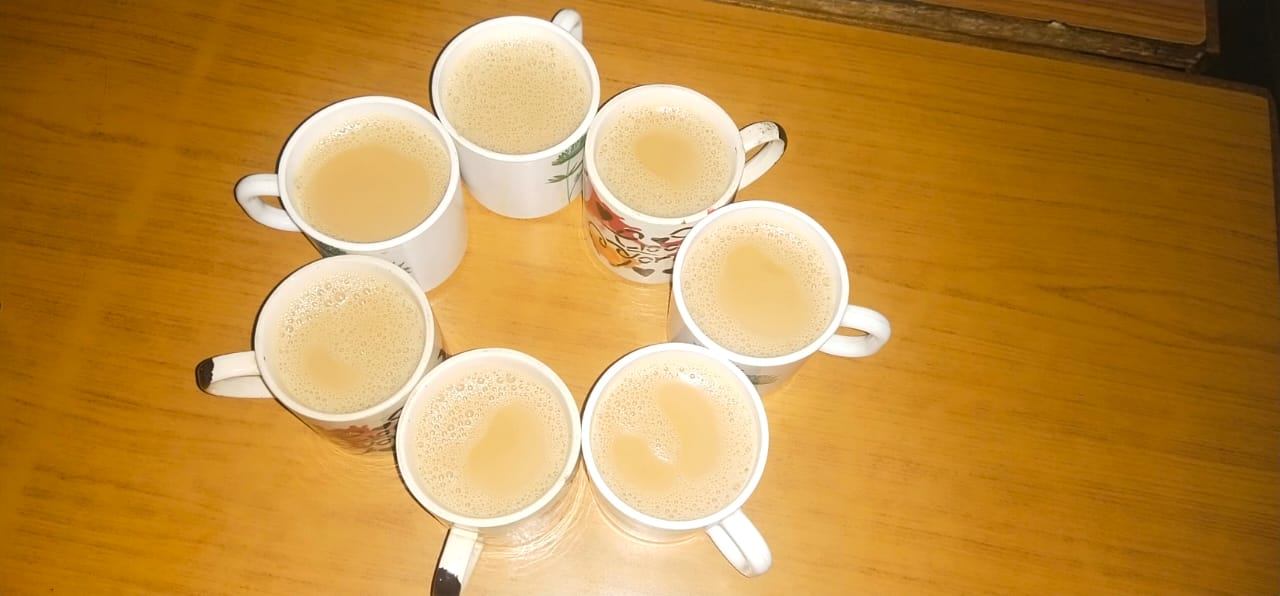
For many from India and Bangladesh, the day doesn't truly begin until a steaming cup of chai, rich with milk and fragrant spices, has been savored. As you plan your adventure to Japan, you might wonder how your beloved tea rituals will translate. Will you find a familiar comfort, or will Japan's diverse tea culture introduce you to entirely new worlds of flavor? This guide is crafted for you, the chai connoisseur, ready to navigate Japan's tea landscape, from the ubiquitous vending machine milk tea to the serene, whisked artistry of matcha, keeping your budget and dietary preferences in mind. Expect to spend as little as ¥130 (approx. ₹73) for a convenient bottled tea, or immerse yourself in a traditional ceremony costing upwards of ¥3,000 (approx. ₹1,680).
The Konbini Tea Aisle: Decoding Your Daily Brew
Stepping into a Japanese convenience store, or konbini – think of it as a super-efficient, cleaner version of a local grocery store, but open 24/7 – is an experience in itself. The beverage aisles are a kaleidoscope of options, and the tea selection is particularly vast. Unlike many parts of South Asia where "tea" almost always implies a milky, sweetened brew, in Japan, "ocha" (tea) predominantly refers to green tea, often unsweetened.
You'll encounter a dizzying array of bottled green teas: Sencha, Hojicha, Genmaicha, and more. Brands like Ito En's "Oi Ocha" or Kirin's "Nama-Cha" are staples. These are typically unsweetened, offering a refreshing, sometimes slightly bitter or grassy taste that might be a pleasant surprise. A 500ml bottle usually costs between ¥100 and ¥180 (approx. ₹56-₹100). For those accustomed to the robust flavors of black tea, look for "Kocha" (紅茶), which means black tea. While less common than green tea, you can find bottled black tea, sometimes plain, sometimes with milk or a hint of sweetness.
Beyond green and black tea, you'll also find Mugicha (barley tea), a popular caffeine-free roasted barley infusion, particularly refreshing chilled in Japan's humid summers – much like a cool drink after a monsoon downpour. Another common sight is Oolongcha, partially oxidized tea that sits between green and black tea in flavor profile. Most of these bottled teas are vegetarian and generally halal, as they typically contain only tea leaves and water. Always check labels, though, especially for any added flavors or sweeteners, if you have strict dietary requirements.
Royal Milk Tea: A Chai Lover's Dilemma or Delight?
For many, the idea of "milk tea" in Japan immediately brings to mind "Royal Milk Tea." This popular beverage, originally introduced by Lipton Japan in 1965, has a distinct place in Japanese culture, available hot or cold in cafes, vending machines, and konbini. But how does it compare to your beloved masala chai?
Royal Milk Tea is typically made by simmering strong black tea (often Assam or Darjeeling) directly in a higher ratio of milk, sometimes with a small amount of water, and then adding sugar or a neutral sweetener like gum syrup. The result is a rich, creamy, and sweet drink. The key difference from masala chai lies in the spices. While masala chai is defined by its aromatic blend of cardamom, ginger, cloves, cinnamon, and black pepper, Royal Milk Tea generally lacks these spices. It offers a pure, milky black tea flavor that is sweet and comforting, but without the warming spice kick you might be used to. Think of it as a very milky, sweet black tea, a close cousin to a plain doodh patti but without the long, slow boil that extracts deep tea flavor and the essential spices.
When buying bottled or canned Royal Milk Tea, be aware that sugar levels can be quite high. Popular brands like Kirin's Afternoon Tea Milk Tea are widely available and offer a convenient fix. If you're particular about sweetness, look for "unsweetened" or "low sugar" versions, though these are less common for Royal Milk Tea specifically. From a vegetarian and halal perspective, most Royal Milk Tea (especially in bottled form) is generally safe, as it primarily contains black tea, milk, and sugar. However, always double-check ingredient lists for any unexpected additives or alcohol derivatives, particularly in café versions where flavoring syrups might be used. A typical canned Royal Milk Tea might cost around ¥150-¥250 (approx. ₹84-₹140).
Beyond the Bottle: Exploring Traditional Japanese Green Teas
While convenience store teas are a lifesaver for hydration, a deeper dive into Japan's tea culture means exploring its traditional green teas, which are far more varied and nuanced than you might imagine. These are typically enjoyed hot, brewed from loose leaves, and almost always unsweetened, allowing the natural flavors of the tea to shine.
Sencha (煎茶): This is the most common and widely consumed green tea in Japan. It has a balanced flavor profile, often described as fresh, grassy, and slightly astringent. It's steamed immediately after harvesting to prevent oxidation, giving it its characteristic vibrant green color and fresh taste. You'll find it served in many traditional Japanese restaurants and can easily purchase high-quality leaves from tea shops or supermarkets. Brewing at home involves hot water (not boiling) and a quick steep.
Hojicha (ほうじ茶): A unique offering, Hojicha is green tea that has been roasted over high heat. This roasting process gives it a distinctive reddish-brown color and a warm, nutty, and slightly caramel-like flavor, with very low bitterness and caffeine content. It's incredibly soothing, especially after a meal, and is often served in Japanese homes. If you find the grassy notes of Sencha too strong, Hojicha might be your gateway to Japanese green tea.
Genmaicha (玄米茶): This tea is a delightful blend of green tea (often Sencha or Bancha) and roasted brown rice. The puffed, roasted rice imparts a warm, toasty, and slightly nutty aroma and flavor, making it a comforting and unique brew. It’s also lower in caffeine than pure green tea, making it a good evening option. The visual of the rice kernels mixed with green tea leaves is also quite appealing.
You can purchase these loose-leaf teas from specialty tea shops (like Ippodo Tea Co. or Lupicia), department store food halls, and even larger supermarkets. A 100g pack of quality Sencha or Hojicha might range from ¥800 to ¥2,000 (approx. ₹448-₹1,120), depending on the grade. Brewing these at your accommodation, if it has a kettle, can be a delightful way to unwind, much like brewing a fresh pot of chai after a long day. These teas, in their pure form, are inherently vegetarian and halal.
Matcha Etiquette and Experience: More Than Just a Drink
Matcha, the vibrant green powdered tea, is perhaps the most iconic Japanese tea, deeply intertwined with the traditional tea ceremony (Chado or Sado). For a chai lover, the intensity and unique umami (a savory, almost broth-like) notes of ceremonial matcha will be a fascinating departure from anything you've tasted before.
A traditional tea ceremony is a profound cultural experience, emphasizing harmony, respect, purity, and tranquility. It's a mindful ritual where every gesture, from the whisking of the tea to the presentation of sweets, is precise and symbolic. Don't worry about memorizing every step; many tea ceremony experiences, especially those catering to tourists in cities like Kyoto and Tokyo, offer English explanations and guidance. You'll be instructed on how to properly receive the tea bowl (chawan), rotate it clockwise twice before sipping, and appreciate its beauty.
What to Expect and How to Participate:
- Arrival and Attire: Punctuality is key. You'll typically remove your shoes before entering the tea room, so wear clean socks. Modest clothing is recommended; avoid strong perfumes that might interfere with the delicate aromas.
- Wagashi (Japanese Sweets): Before the matcha is served, you'll usually be offered wagashi, traditional Japanese sweets. These delicate, often artfully crafted confections are designed to balance the slight bitterness of the matcha. Many wagashi are plant-based, made from ingredients like glutinous rice flour (mochigome), red bean paste (anko), and agar-agar, making them naturally vegetarian and often halal. Always confirm if they contain mirin (sweet rice wine) or gelatin if you have strict halal requirements. Places like Suzuki in Tokyo are known for their traditional Japanese sweets, with some options being Muslim and vegetarian friendly.
- The Matcha: The host will prepare the matcha by whisking the powdered green tea with hot water using a bamboo whisk (chasen) until it forms a frothy, bright green liquid.
- Cost and Booking: A basic group tea ceremony experience typically ranges from ¥3,000 to ¥5,000 (approx. ₹1,680-₹2,800) for a 45-70 minute session. More elaborate experiences, sometimes including kimono rental, can cost ¥7,000-¥13,000 (approx. ₹3,920-₹7,280). It's highly recommended to book in advance, especially during peak travel seasons, through official websites or reputable booking platforms. Walk-ins are rare for formal ceremonies.
Matcha Beyond the Ceremony: You don't need a formal ceremony to enjoy matcha. Matcha lattes are incredibly popular, often found in cafes across Japan, from Starbucks to local independent shops. These are typically sweetened and made with milk (dairy or plant-based options like oat or soy milk are increasingly available). While not traditional, a matcha latte can be a delicious and accessible way to experience the flavor. Just be aware that cafe-style matcha lattes might be very sweet compared to ceremonial matcha.
Mistakes to Avoid:
- Rushing: The tea ceremony is about mindful appreciation. Take your time.
- Touching Utensils: Do not touch the tea utensils without permission.
- Drinking from the Front: After rotating the bowl, avoid drinking from the "front" (the side facing the host or the most decorative side) as a sign of respect.
- Ignoring the Sweets: Eat your wagashi before the matcha to prepare your palate for the tea's bitterness.
Finding Your Spiced Fix: Is Actual Chai Available in Japan?
After days of refreshing green tea and creamy Royal Milk Tea, your taste buds might start craving the familiar embrace of true masala chai. While not as ubiquitous as in India or Bangladesh, finding authentic spiced chai in Japan is indeed possible, particularly in larger cities like Tokyo, Kyoto, and Osaka. It requires a bit of searching, but the reward is a comforting taste of home.
Your best bet is to seek out specialty chai cafes, Indian restaurants, or cafes with a focus on global beverages. These establishments understand the difference between a simple milk tea and a robust, spiced chai.
Where to Look:
- Specialty Chai Cafes: Tokyo, for instance, has a growing number of dedicated chai shops. Places like Cafe Moksha Chai in Nakameguro (Tokyo) come highly recommended for their spice-infused chai, often using a blend of ginger, cinnamon, cardamom, cloves, and black pepper. They even offer creative variations like chai cola or spiced kakigori (shaved ice). Chai Break near Inokashira Park (Tokyo) is another gem, known for its traditional Indian-style "boiled milk tea" with an abundance of tea leaves and a balanced spice flavor. uRn.chAi&TeA in Ebisu (Tokyo) also offers authentic chai with a rich aroma of spices. These cafes often have a cozy, international atmosphere and may offer English menus, making them welcoming spaces.
- Indian/South Asian Restaurants: Many Indian or South Asian restaurants, especially those catering to the expatriate community, will offer masala chai on their menu. The quality can vary, but it's a reliable option for a spiced brew. Look for smaller, family-run establishments rather than large, generic ones for a more authentic experience.
- International Cafes: Some larger, more international cafe chains or independent cafes with a global menu might offer a "chai latte." Be mindful that these "chai lattes" can sometimes be overly sweet and lack the depth of authentic spices, often made from a syrup rather than freshly brewed spices. Always ask if it's made with actual spices or a concentrate.
Cost: A cup of authentic spiced chai at a specialty cafe might cost around ¥500-¥800 (approx. ₹280-₹448), which is comparable to specialty coffee prices in Japan. This is a bit more than a konbini drink but worth it for the taste of home.
Vegetarian/Halal Considerations: Most chai, being milk-based, is vegetarian. For halal concerns, confirm if any alcohol or non-halal flavorings are used, especially in cafes that might experiment with unique chai recipes. Generally, traditional Indian chai relies on natural spices and milk, making it a safe choice.
Tea and Treats: Pairing Japanese Snacks with Your Brew
Just as chai pairs wonderfully with samosas or pakoras, Japanese teas have their perfect companions. Exploring these pairings is a delicious way to experience Japanese culinary culture, especially with vegetarian and halal considerations in mind.
Wagashi: As mentioned with matcha, wagashi are traditional Japanese sweets designed to complement tea. They are often beautiful, reflecting seasonal themes, and are made from plant-based ingredients like red bean paste (anko), glutinous rice (mochi), and agar-agar. This makes many wagashi inherently vegetarian and often halal. Look for daifuku (mochi stuffed with anko), dango (skewered rice dumplings), or yokan (jellied red bean paste). Always inquire if mirin (rice wine) is used in any particular wagashi, as it can sometimes be an ingredient. Places like Suzuki in Tokyo offer vegetarian and Muslim-friendly traditional Japanese sweets.
Senbei (Rice Crackers): For a savory crunch, senbei are an excellent choice, especially with unsweetened green teas like Sencha or Hojicha. These crispy rice crackers come in various flavors, from plain salt (shio) to soy sauce (shoyu). When choosing senbei for halal dietary needs, opt for the salt-flavored ones, as some soy sauce varieties might contain trace amounts of alcohol from the fermentation process.
Mochi: Beyond daifuku, plain mochi (rice cakes) or grilled mochi (yakimochi) can be a simple, satisfying snack. Most mochi is made from glutinous rice and water, making it vegetarian and halal. However, always check for fillings or coatings.
Other Konbini Snacks: For quick and easy options, konbini offer a range of snacks. Look for items clearly labeled as vegetarian or check for ingredients. Many rice-based snacks, plain chips, or certain types of bread (like anpan – sweet red bean paste bread, though check for milk/egg in the bread itself) can be safe bets. Japanese fruit, like the incredibly sweet seasonal peaches or grapes, also makes a refreshing and naturally halal accompaniment to any tea.
Bringing Japan's Tea Home: Souvenirs and Brewing Tips
Part of the joy of a Japan trip is bringing a piece of the experience back with you. Japanese teas and tea ware make excellent souvenirs, not just for personal enjoyment but also as thoughtful gifts for friends and family back home.
Where to Buy Tea Leaves:
- Specialty Tea Shops: For the highest quality and widest selection, visit dedicated tea shops in major cities. Kyoto, being a historic tea-producing region, has many renowned establishments. Tokyo also boasts excellent tea purveyors. Staff at these shops are often knowledgeable and can guide you through different grades and types of tea, often offering samples.
- Department Stores: The food halls (depachika) in major department stores (like Isetan, Takashimaya, Mitsukoshi) have exquisite tea sections, often featuring beautifully packaged teas that make perfect gifts.
- Supermarkets: For everyday consumption or more budget-friendly options, supermarkets offer a good range of reliable quality Sencha, Hojicha, and Genmaicha.
- Matcha: When buying matcha, look for "ceremonial grade" if you plan to whisk it with water for a traditional drink. "Culinary grade" is suitable for lattes, baking, or mixing into smoothies. High-quality Uji matcha is 100% natural and halal.
Tea Ware: Consider investing in a few pieces of Japanese tea ware:
- Kyusu (急須): A traditional Japanese teapot, often with a side handle, specifically designed for brewing green tea.
- Chawan (茶碗): A matcha bowl, essential for whisking and drinking matcha. These come in various styles and materials.
- Chasen (茶筅): A bamboo whisk for making matcha.
- Tea Cups (湯呑): Simple, handleless ceramic cups perfect for enjoying green tea.
A good kyusu might cost ¥2,000-¥5,000 (approx. ₹1,120-₹2,800), while a decent chawan can range from ¥1,500-¥4,000 (approx. ₹840-₹2,240). Chasen are typically around ¥1,000-¥2,000 (approx. ₹560-₹1,120).
Brewing Tips for Home:
- Water Quality: Use good quality, filtered water.
- Temperature: For green teas like Sencha, avoid boiling water. Let it cool to around 70-80°C (158-176°F) for 30-60 seconds to prevent bitterness. Hojicha and Genmaicha can handle slightly hotter water.
- Steeping Time: Japanese green teas brew quickly, typically 30 seconds to 1 minute for the first steep. Over-steeping will result in bitterness. Many high-quality Japanese green teas can be steeped multiple times, each yielding a slightly different flavor profile.
- Storage: Store tea leaves in an airtight container away from light, heat, and moisture to preserve their freshness.
Key Takeaways
- Konbini Tea is Your Daily Essential: Embrace the convenience of bottled green teas like Oi Ocha or Ayataka (unsweetened) and explore sweetened black teas or Royal Milk Tea for a milky fix. Prices are very affordable, around ¥100-¥250 (approx. ₹56-₹140).
- Royal Milk Tea vs. Masala Chai: Royal Milk Tea is creamy and sweet black tea, similar in preparation to chai but without the spices. If you crave spices, you'll need to seek out specialty chai cafes.
- Discover Traditional Green Teas: Don't miss out on loose-leaf Sencha (fresh, grassy), Hojicha (roasted, nutty, low caffeine), and Genmaicha (green tea with roasted rice). These offer a true taste of Japanese tea culture.
- Matcha is a Cultural Journey: Experience a traditional tea ceremony for a profound cultural insight into matcha, or enjoy casual matcha lattes. Expect to pay ¥3,000-¥5,000 (approx. ₹1,680-₹2,800) for a basic ceremony.
- Vegetarian/Halal Friendly Snacks: Many wagashi (traditional Japanese sweets) are plant-based and suitable. Always double-check labels for mirin or gelatin. Salt-flavored senbei are generally safe savory options.
- Seek Out Authentic Chai: Dedicated chai cafes and Indian restaurants in major cities are your best bet for a proper spiced chai. Be prepared for prices similar to specialty coffee.
- Souvenirs: Bring home quality loose-leaf teas (matcha, sencha, hojicha) and beautiful Japanese tea ware (kyusu, chawan, chasen) as lasting memories of your trip.
FAQ
Q. Is Royal Milk Tea the same as Masala Chai? No, while both are milky black teas, Royal Milk Tea is sweet and creamy but does not contain the blend of spices (like cardamom, ginger, and cinnamon) found in traditional Masala Chai.
Q. Where can I find actual spiced chai in Japan? Authentic spiced chai is best found in specialty chai cafes, such as Cafe Moksha Chai in Nakameguro or Chai Break near Inokashira Park in Tokyo, or at Indian/South Asian restaurants.
Q. Are Japanese traditional sweets (wagashi) vegetarian and halal? Many wagashi are inherently vegetarian and often halal, as they are primarily made from plant-based ingredients like red bean paste, glutinous rice, and agar-agar. However, it's always advisable to confirm if specific items contain mirin (rice wine) or gelatin, as these would not be halal.
Q. What is the typical cost of a tea ceremony in Japan? A basic group tea ceremony experience usually costs between ¥3,000 to ¥5,000 (approx. ₹1,680-₹2,800) per person. More elaborate sessions, sometimes including kimono rental, can range from ¥7,000 to ¥13,000 (approx. ₹3,920-₹7,280).
Q. What should I expect from bottled green tea in Japanese convenience stores? Most bottled green teas (ocha) in Japanese convenience stores (konbini) are unsweetened and offer a refreshing, sometimes grassy or slightly bitter taste. Popular brands include "Oi Ocha" and "Ayataka." They are very affordable, typically ¥100-¥180 (approx. ₹56-₹100).