Japan Coach Bus Features: Wi-Fi, Karaoke, Toilets and More
Know what to expect from a 45–50-seat Japanese coach, from Wi-Fi and karaoke to onboard toilets and group-friendly essentials.
Aug 21, 2026·✍️ olablog·⏱ 9 min read
Know what to expect from a 45–50-seat Japanese coach, from Wi-Fi and karaoke to onboard toilets and group-friendly essentials.
What to expect on a full-size Japanese coach
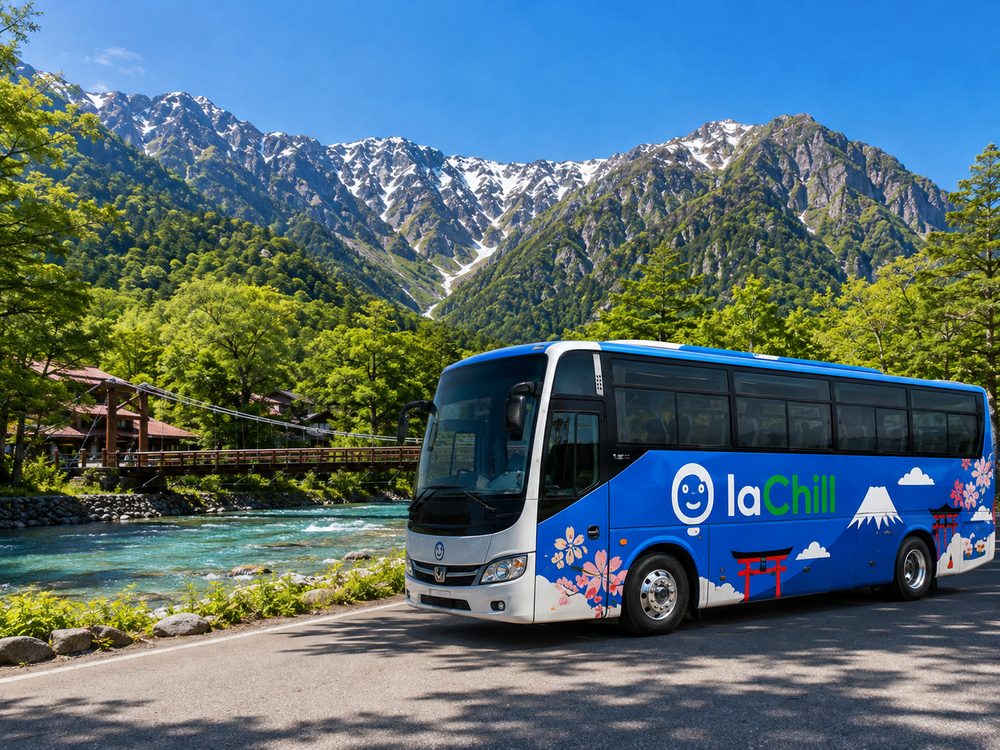
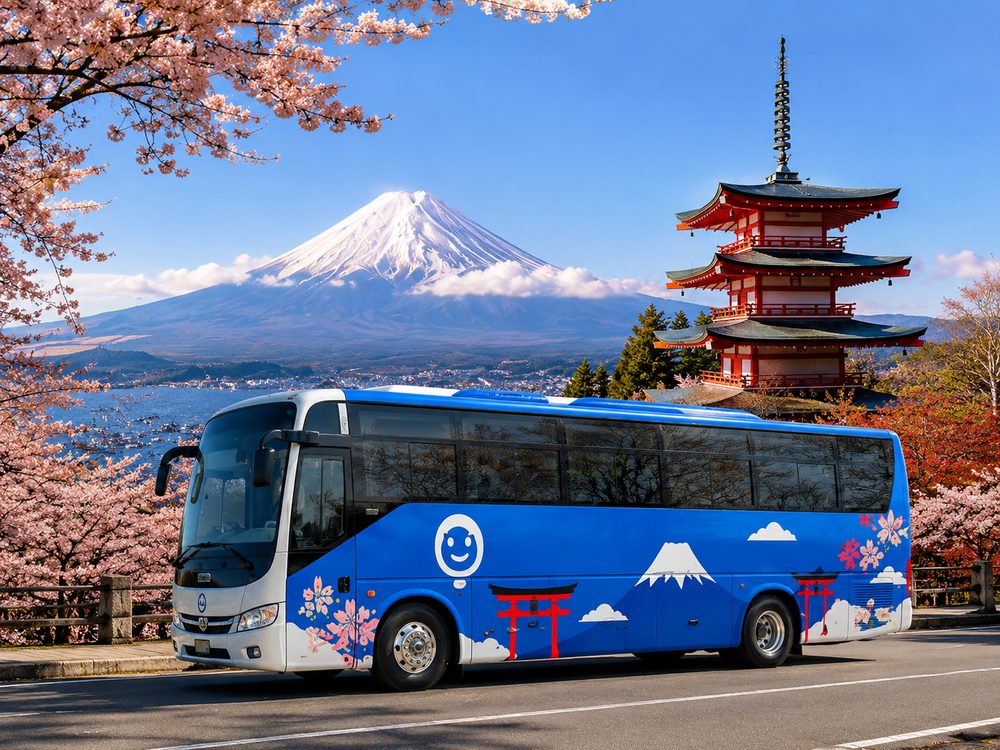
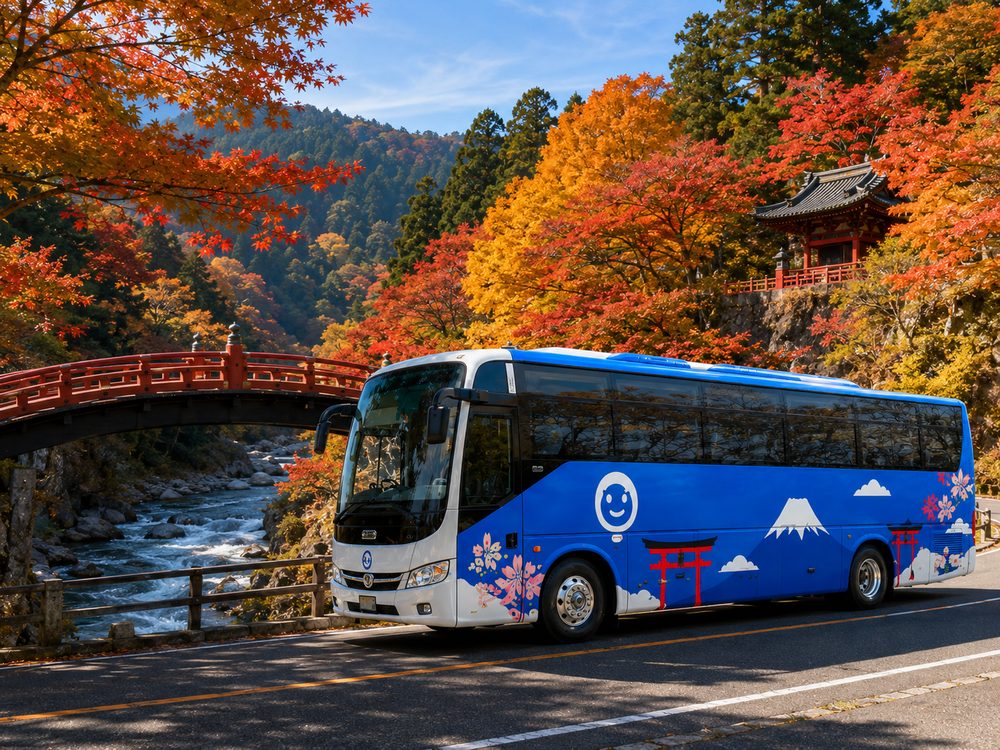
A 45–50-seat coach is designed for comfortable long-distance group travel in Japan. It is the right choice for airport transfers, multi-city itineraries, school or corporate groups, wedding parties, and sightseeing trips with substantial luggage.
Japanese charter coaches are generally clean, well maintained, and built for smooth highway travel. However, the exact equipment can vary by vehicle, operator, route, and availability. Two coaches with the same seating capacity may offer different onboard features.
Some facilities are common enough to expect. Others are optional, seasonal, or only available when requested in advance. Knowing the difference helps you plan realistically—especially if your group is travelling for several hours at a time.
Coach features: what is standard and what needs checking
The table below gives a practical overview for a 45–50-seat full-size coach.
| Feature | Usually included | Request or check ahead |
|---|---|---|
| Comfortable reclining seats | Yes, with spacious aisle access | Seat layout and legroom preferences |
| Air conditioning and heating | Yes | Temperature preferences for special needs |
| Microphone and onboard PA | Common | Extra microphones or event-specific equipment |
| Luggage storage | Underfloor storage is common | Large, unusual, or high-volume luggage |
| Wi-Fi | Not guaranteed on every coach | Availability, data limits, and coverage |
| USB charging | Varies by vehicle | USB ports, power outlets, and adapter compatibility |
| Onboard toilet | Available on some coaches | Must usually be requested and confirmed |
| Karaoke system | Not standard | Vehicle availability, song system, and usage rules |
| Refrigerator or cooler | Sometimes available | Capacity and whether it can be used during travel |
| Tinted windows and curtains | Common on many coaches | Privacy level and curtain arrangement |
Always treat the final vehicle specification as subject to confirmation. If a particular feature matters to your group, include it in your booking request rather than assuming it will be present.
Wi-Fi: useful, but do not rely on it completely
Onboard Wi-Fi can be very convenient for international travelers. Passengers can check train connections, translate menus, message family members, or review the next stop without using their own mobile data.
That said, coach Wi-Fi is not the same as a private office connection. Signal strength may change as the bus moves through tunnels, mountain areas, rural regions, and expressway sections with limited coverage. The connection may also feel slower when many passengers are online at once.
Wi-Fi is best for:
- Messaging and basic browsing
- Checking maps and travel information
- Translating short phrases
- Sending light emails
- Sharing photos in moderation
It may not be suitable for:
- Video conferences
- Large file uploads
- Streaming for an entire group
- Cloud-based work that requires a stable connection
- Downloading movies or software during the trip
Ask whether Wi-Fi is available, whether there is a data limit, and whether the password or connection instructions will be provided onboard. Even when Wi-Fi is confirmed, passengers should keep mobile data or offline maps as a backup.
Karaoke: a memorable group feature, not a standard amenity
Karaoke can turn a long transfer into part of the entertainment, particularly for celebration trips, student groups, and private tours. Some Japanese sightseeing coaches are equipped with a microphone, speakers, and a karaoke system.
However, karaoke is not standard on every 45–50-seat coach. It may depend on the operator’s fleet, the vehicle assigned to the date, and the route. Some systems use Japanese song libraries, while others may have limited English-language selections. The interface may also be unfamiliar to international travelers.
If karaoke is important, ask about:
- Whether the coach has a karaoke system at all
- Available language and song selections
- The number of microphones
- Whether passengers may use the system throughout the journey
- Volume restrictions and quiet-hour expectations
- Whether the system can connect to a personal device
The driver must always be able to focus on safe driving. Karaoke volume and use may be restricted in residential areas, at night, or on roads where quiet conditions are required. It is also considerate to plan breaks so that passengers who prefer a peaceful journey can relax.
Onboard toilets: convenient, but not always essential
An onboard toilet can be valuable when your itinerary includes long expressway journeys, rural areas, children, older passengers, or travelers who may need frequent access to facilities. It can also reduce stress when traffic, weather, or an unexpected delay affects the schedule.
On the other hand, many Japan itineraries already include regular stops at highway service areas. These facilities are often clean and well equipped, with toilets, vending machines, snacks, drinks, and space to stretch your legs. A planned stop may be more comfortable than using a compact onboard toilet.
Advantages of having a toilet onboard
- Helpful for children and older travelers
- Reassuring during traffic delays
- Useful on rural routes with fewer convenient stops
- Reduces pressure to interrupt the itinerary
- Particularly practical for groups with medical or accessibility needs
Limitations to consider
- The space is usually compact
- It may be intended for emergencies rather than regular use
- Some passengers may prefer a larger service-area facility
- It requires careful cleanliness and respectful use
- Not every coach in this size category has one
An onboard toilet is often worth requesting when your group has specific comfort needs or when the route includes long stretches between stops. For a sightseeing itinerary with frequent service-area breaks, it may be less important than extra luggage capacity, comfortable seating, or a well-planned schedule.
Tell the booking team about toilet requirements early. Availability can be limited, and a toilet-equipped coach may need to be matched to your date and route in advance.
Other features that make a difference
Seating and climate control
Full-size coaches generally offer reclining seats, curtains or tinted windows, and air conditioning or heating. Japan’s summers can be humid, while winter mornings and evenings may be cold, so stable climate control matters on full-day trips.
If your group includes tall travelers, families with young children, or passengers with mobility concerns, mention this before vehicle assignment. A standard 45–50-seat layout may not provide the same amount of personal space as a smaller premium coach.
Microphone and PA system
A microphone is useful for tour commentary, safety instructions, event announcements, and coordinating group movements. Confirm whether one is available if a tour leader will be speaking regularly.
Charging and power
USB ports and power outlets vary considerably. Do not assume every seat has charging access. Bring a charged power bank, especially for airport transfers and full-day excursions. If your group needs to charge cameras, laptops, or other equipment, explain the requirement in advance.
Luggage storage
A full-size coach normally has generous underfloor luggage storage, which is one of its biggest advantages for international groups. Still, capacity depends on the number and size of suitcases, ski equipment, musical instruments, strollers, or other bulky items.
Share an honest luggage estimate when booking. Overfilling the storage area can affect comfort and may require a different vehicle plan.
Refrigerators and coolers
Some coaches include a small refrigerator or cooler, but this is not universal. When available, capacity is usually limited. It is better suited to a few drinks or essential items than to storing food for an entire group.
How to request the right coach
When completing a charter request, provide more than just the passenger count. Include:
- Number of passengers and approximate luggage volume
- Travel dates, route, and expected hours on the road
- Whether Wi-Fi is essential or simply preferred
- Whether karaoke is a priority
- Whether an onboard toilet is required
- Any accessibility, medical, or child-related needs
- Whether you need a microphone or tour commentary setup
- Any unusual equipment, such as bicycles, instruments, or sports gear
The more detail you provide, the easier it is to match your group with a suitable vehicle. If a preferred feature is unavailable, the operator may suggest a practical alternative, such as adding service-area breaks or choosing a different coach category.
Plan a more comfortable group journey
For most groups, the essentials are comfortable seats, reliable climate control, enough luggage space, and a sensible schedule. Wi-Fi, karaoke, and an onboard toilet can make the experience even better, but they should be confirmed rather than assumed.
Request a free charter bus quote from OlaChill through the booking form, and receive a reply within 24 hours.
FAQ
Is Wi-Fi guaranteed on a 45–50-seat coach in Japan?
No. Wi-Fi depends on the assigned vehicle and network coverage along the route. Request it in advance and keep mobile data or offline maps as a backup.
Can we request karaoke for our group?
Yes, you can request it, but karaoke is not available on every coach. The song library, microphone setup, and usage rules should be confirmed before travel.
Is an onboard toilet worth requesting?
It depends on your itinerary and group. It is especially useful for children, older passengers, medical needs, traffic delays, and long rural journeys. If your route includes regular highway service-area stops, it may be less essential.
Do all seats have USB charging?
No. Charging ports vary by vehicle. Ask for USB or power outlets if they are important, and bring power banks as a backup.
Can the coach carry large suitcases?
A full-size coach usually has substantial underfloor luggage storage, but capacity depends on the number and size of bags. Provide your luggage details when requesting a quote so the vehicle can be matched appropriately.