
Japan Across Four Seasons — When is the Best Time to Visit? A Detailed Comparison of Spring, Summer, Autumn, and Winter
Compare Japan's four seasons: spring sakura, summer fireworks festivals, autumn red leaves, and winter snow hot springs. Includes a pros/cons table, destination ideas, and seasonal booking tips.
Aug 8, 2026·✍️ olablog·⏱ 9 min read
Compare Japan's four seasons: spring sakura, summer fireworks festivals, autumn red leaves, and winter snow hot springs. Includes a pros/cons table, destination ideas, and seasonal booking tips.
If you ask ten people who have visited Japan "when is the best season to go," you will likely get ten different answers — and interestingly, everyone has a point. Japan is one of the few countries where all four seasons are distinctively "packaged" into four completely unique travel experiences: spring brings cherry blossoms, summer features beaches and grand festivals, autumn offers brilliant red foliage, and winter delivers pure white snow and outdoor hot springs. This article compares each season practically — from scenic views and weather to flight deals and crowd levels — helping you choose the perfect timing aligned with your personal taste and budget.
Spring (March–May): Sakura and Picture-Perfect Moments
Spring is the "golden season" of Japanese tourism, and cherry blossoms (桜 / sakura) are the main attraction. Sakura usually bloom starting in late March in 東京(Tokyo), 京都(Kyoto), and 大阪(Osaka), and about 3–4 weeks later in the 東北(Tohoku) region and 北海道(Hokkaido). The peak bloom (満開 / mankai) only lasts about a week in each location, so international travelers closely monitor the annual cherry blossom forecast (sakura forecast) released starting in January each year.
Beyond sakura, spring offers the most pleasant weather of the year: daytime temperatures range from 15–22°C (59–72°F) with clear skies and minimal rainfall. It is an ideal season to explore Kyoto on foot, stroll through 上野恩賜公園(Ueno Park), or enjoy a traditional 花見(hanami - cherry blossom viewing picnic) like a local — all you need is a picnic tarp and a few bento boxes picked up from a local コンビニ(konbini - convenience store).
Representative destinations: 東京(Tokyo - Ueno Park, 目黒川 / Meguro River), 京都(Kyoto - 哲学の道 / Philosopher's Path), 富士山(Mount Fuji) viewed from 新倉山浅間公園 忠霊塔(Chureito Pagoda) — the classic sakura + Mount Fuji postcard view, and 弘前城(Hirosaki Castle) in 青森県(Aomori Prefecture) if you travel later in late April.
Note: Late April to early May marks ゴールデンウィーク(Golden Week) — a long national holiday period in Japan. Trains, express buses, and hotels book out completely and accommodation prices surge dramatically. Overseas visitors traveling with a JR Pass or IC card (such as Suica or Pasmo) should aim to avoid this period if possible.
Summer (June–August): Beaches, Festivals, and Fireworks
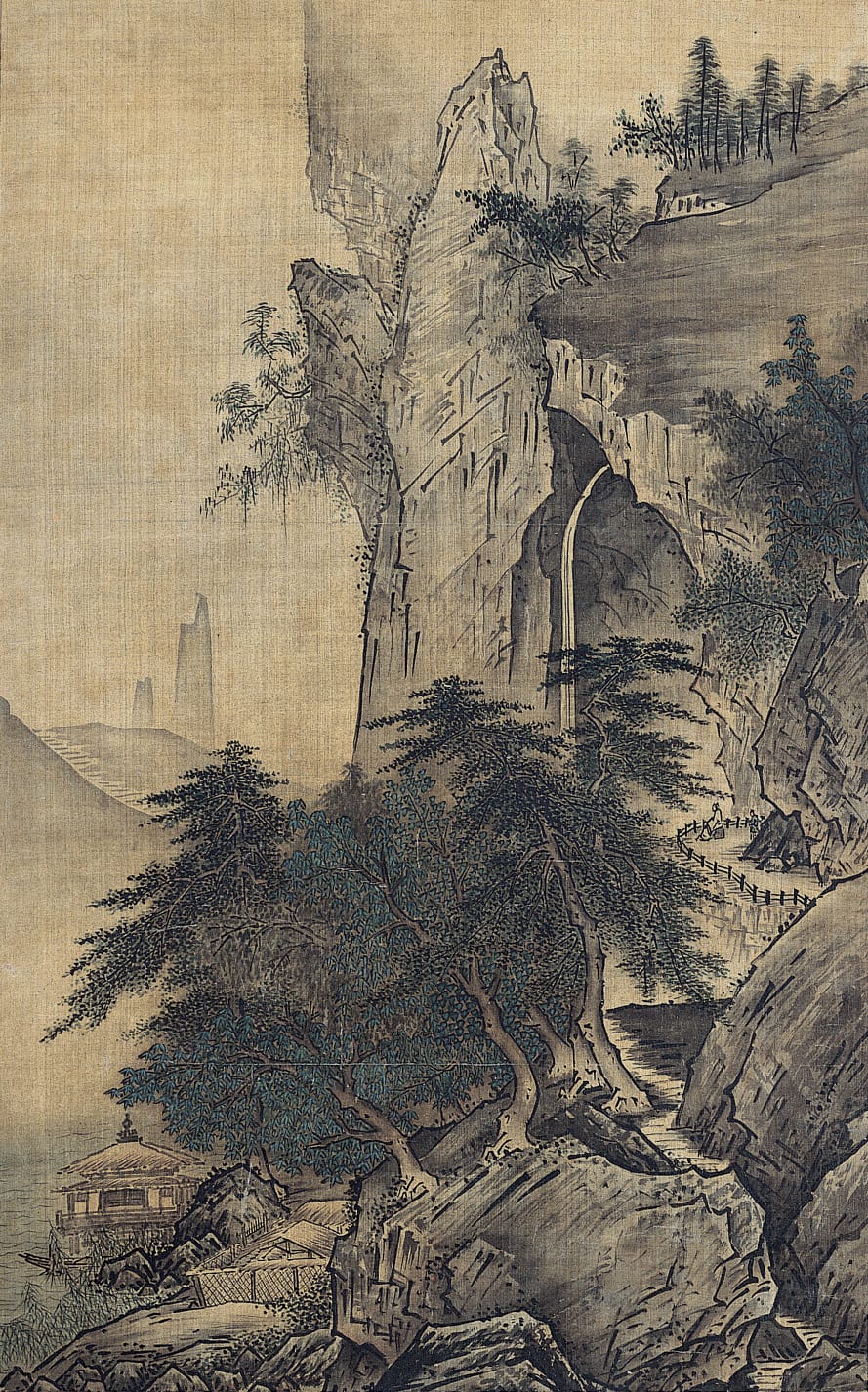
Summer in Japan can be hot and humid (30–36°C / 86–97°F in Tokyo and Osaka), but in return, this is the season of 祭り(matsuri) — the country's grandest traditional summer festivals of the year. From 祇園祭(Gion Matsuri) in Kyoto (July) and 青森ねぶた祭(Aomori Nebuta Matsuri) in Aomori (early August) to 阿波踊り(Awa Odori) in 徳島県(Tokushima)… every festival is a vibrant feast of portable shrines (mikoshi), traditional yukata cotton kimonos, and lively street food stalls.
Summer is also the season of 花火(hanabi) — magnificent fireworks displays. Massive fireworks festivals along the 隅田川(Sumida River) in Tokyo or 琵琶湖(Lake Biwa) in 滋賀県(Shiga) launch tens of thousands of pyrotechnics, with locals setting up picnic mats early in the afternoon to secure prime viewing spots. If you love the sea, fly directly down to 沖縄県(Okinawa): tropical turquoise waters and stunning coral reefs offer a world-class beach getaway where your USD ($1 USD ≈ 150 JPY) goes a remarkably long way.
Representative destinations: 沖縄(Okinawa - tropical beaches), 京都(Kyoto - Gion Matsuri), and 北海道(Hokkaido) — the only refreshingly cool region during summer, famous for the vibrant purple lavender fields of 富良野(Furano) blooming in July.
Note: June brings the 梅雨(tsuyu - rainy season) to most of mainland Japan, while August and September can bring typhoons to Okinawa and 九州(Kyushu). Be sure to purchase travel insurance that includes flight delay or cancellation coverage.
Autumn (September–November): Red Momiji Leaves and Perfect Weather
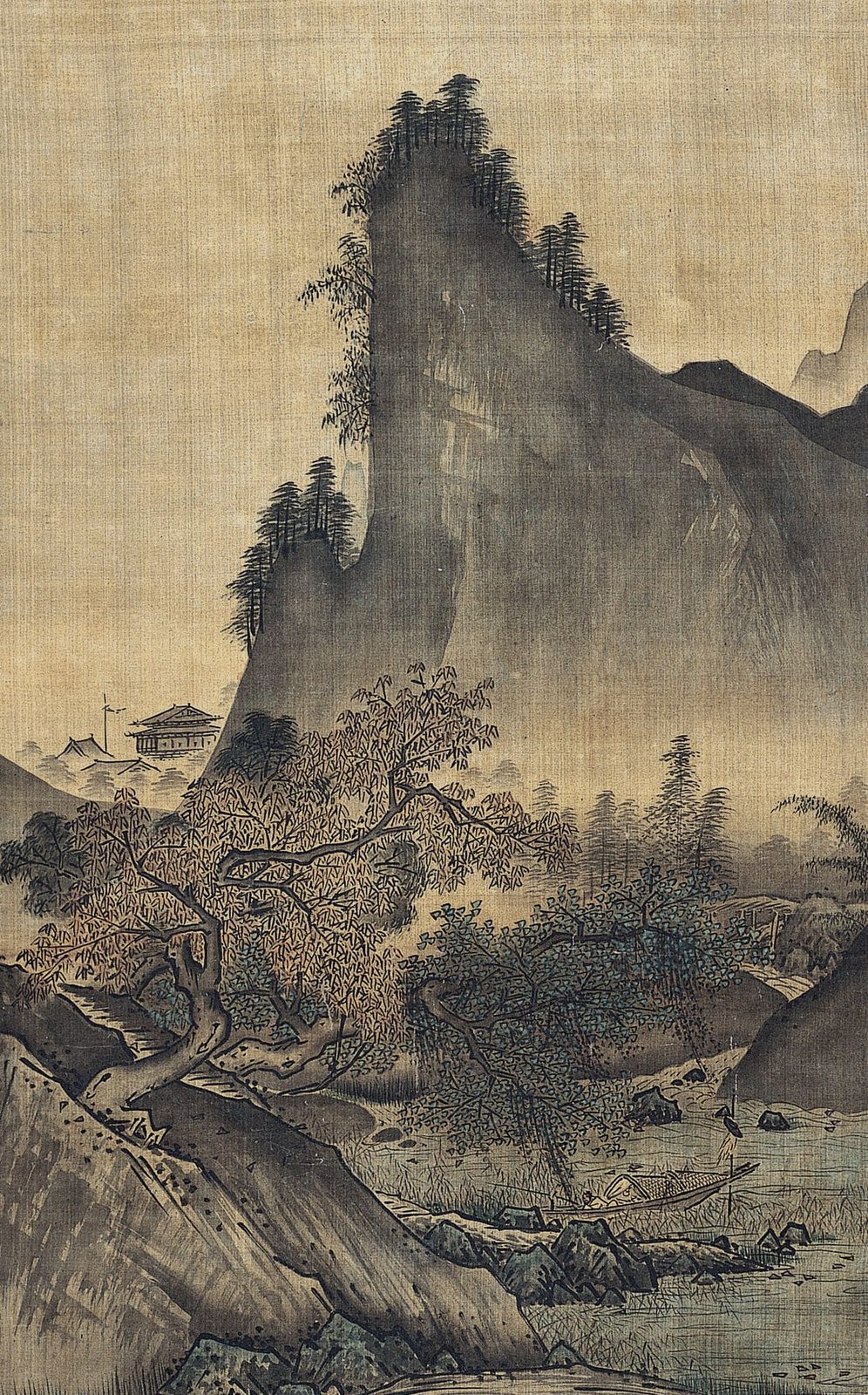
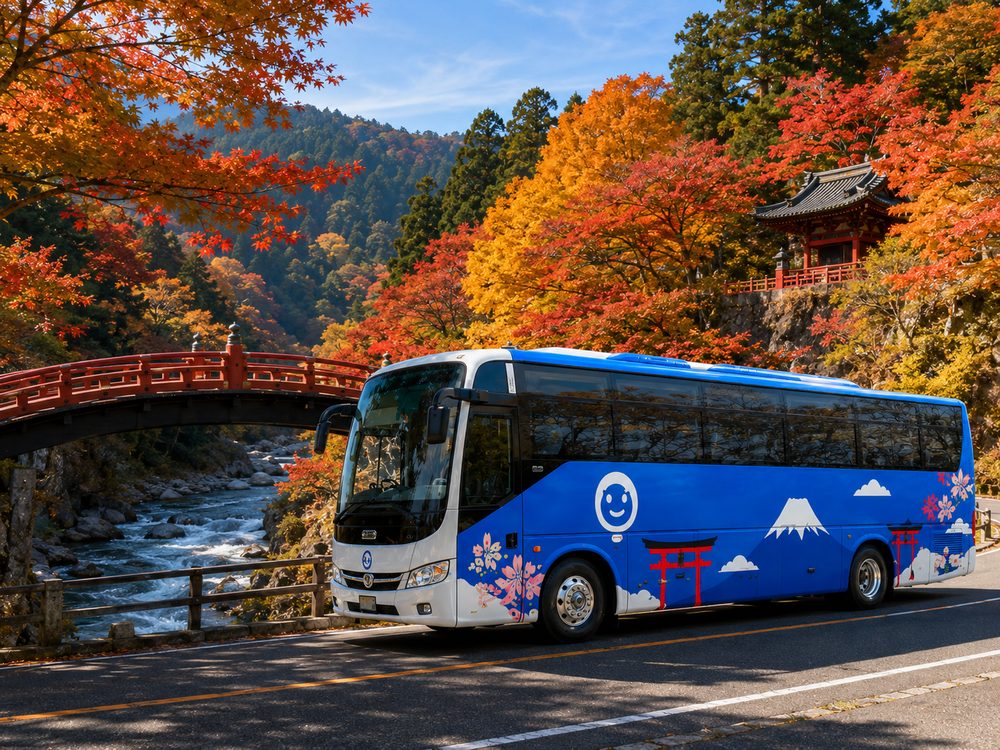
Many repeat travelers to Japan will tell you: autumn is actually the single best season. Maple leaves turn vibrant red (紅葉 / koyo or momiji) starting mid-September in Hokkaido, gradually sweeping south toward Tokyo and Kyoto by mid- to late November. Unlike sakura, which peaks for only one week, the autumn foliage season stretches across a full month in each region, meaning you don't have to "gamble" on exact flight dates.
Autumn weather is crisp, dry, and comfortably cool (12–22°C / 54–72°F) under bright blue skies — ideal for light hiking, cycling, and outdoor photography. Seasonal autumn cuisine is equally rich: ripe persimmons, chestnuts, 松茸(matsutake mushrooms), and grilled 秋刀魚(sanma / Pacific saury).
Representative destinations: 京都(Kyoto - 東福寺 / Tofukuji Temple, 嵐山 / Arashiyama), 日光(Nikko - 2 hours by train from Tokyo, featuring 中禅寺湖 / Lake Chuzenji and 華厳の滝 / Kegon Falls surrounded by breathtaking foliage), 鳴子峡(Naruko Gorge) in 宮城県(Miyagi), and the ancient coastal town of 鎌倉(Kamakura) near Tokyo.
Note: Late November in Kyoto is the absolute peak of fall foliage viewing; central hotels should be booked 2–3 months in advance.
Winter (December–February): White Snow, Hot Springs, and World-Class Skiing
For international travelers, Japan's winter holds a special enchantment: experiencing real snow! Hokkaido and the region along the Sea of Japan coast (新潟県 / Niigata, 長野県 / Nagano) see meters of heavy snowfall, while Tokyo and Osaka remain dry and cold (2–10°C / 35–50°F) with rare snowfall.
The ultimate winter experience in Japan is soaking in an 露天風呂(rotenburo - outdoor hot spring onsen) amidst falling snow — sinking into 40°C (104°F) thermal waters while snowflakes touch your hair is an unforgettable highlights of any Japan trip. Winter also features the さっぽろ雪まつり(Sapporo Snow Festival) in early February with massive ice sculptures, the fairytale-like snow-covered village of 白川郷(Shirakawa-go), and world-class ski powder in ニセコ(Niseko) and 白馬(Hakuba).
Representative destinations: 札幌(Sapporo) and 小樽(Otaru) in Hokkaido, 白川郷(Shirakawa-go) in 岐阜県(Gifu), 銀山温泉(Ginzan Onsen) in 山形県(Yamagata), and 地獄谷野猿公苑(Jigokudani Monkey Park) in Nagano — famous for wild snow monkeys soaking in natural hot springs.
Note: Avoid traveling during the final week of December through January 3rd — this is the Japanese New Year holiday period (お正月 / Oshogatsu), when many restaurants, shops, and attractions close, and accommodation prices spike.
Quick Seasonal Comparison Table
| Season | Pros | Cons | Best For |
|---|---|---|---|
| Spring (Mar–May) | Sakura in full bloom, best weather of the year | Very crowded, highest annual prices, bloom dates unpredictable | First-time visitors, photography lovers |
| Summer (Jun–Aug) | Vibrant festivals, fireworks, Okinawa beaches, cool Hokkaido weather | Hot & humid, rainy in June, typhoon risks in Aug–Sep | Summer family vacations, festival enthusiasts |
| Autumn (Sep–Nov) | Extended foliage season, dry pleasant weather, delicious seasonal food | High crowds in Kyoto during late November | Repeat travelers (2nd+ visit), nature lovers |
| Winter (Dec–Feb) | Snow landscapes, hot springs, skiing, cheaper flights, fewer crowds | Cold weather, shorter daylight hours, rural transit can be tricky | Snow seekers, budget-conscious travelers |
Airfare and Hotel Booking Tips by Season
- Cheapest airfares: Mid-January to early March and June generally offer lower rates, with round-trip flights available for roughly $500–$800 USD (approx. ¥75,000–¥120,000 JPY) if booked early. The most expensive periods are late March to early April (sakura season) and Year-End/New Year holidays.
- How far in advance to book accommodation? Sakura and Kyoto foliage seasons: 3–4 months in advance. Major summer festival seasons (Nebuta, Gion): 2–3 months in advance. Winter generally requires only 3–4 weeks lead time, except for Sapporo during the Snow Festival.
- Avoid the three major peak travel periods: ゴールデンウィーク(Golden Week - Apr 29 to May 5), お盆(Obon - mid-August), and New Year (Dec 28 to Jan 3) — these are peak domestic travel holidays across Japan.
- Stay in Osaka instead of Kyoto during peak autumn foliage season: hotel rates are often 30–40% lower, and rapid local trains link Osaka to central Kyoto in just 30 minutes (easily accessible using a Suica or IC card).
- If you have a tight itinerary, base yourself in Tokyo and book day tours departing from Tokyo to Mount Fuji, Nikko, or Kamakura — this eliminates the hassle of dragging luggage between hotels while keeping your schedule flexible according to the weather.
So, which season should you choose? There is no single answer — only the season that fits you best. Is this your first trip and you want the "classic Japan" experience? Choose spring or autumn. Traveling with kids during summer break? Hokkaido or Okinawa during summer are fantastic choices. Looking to save money while hunting for snow? January to February is your answer. If you are still undecided, explore more seasonal travel guides on the OlaChill blog — perhaps a photograph of red autumn leaves in Nikko or snowy Shirakawa-go will help you decide faster than any comparison chart. Wishing you a wonderful choice and an unforgettable trip to Japan!