
Autumn Leaves Group Trips by Charter Bus in Japan
Plan a smoother Japan autumn trip for your group with a 45–50-seat charter coach, flexible routes, and seasonal foliage timing.
Aug 21, 2026·✍️ olablog·⏱ 8 min read
Plan a smoother Japan autumn trip for your group with a 45–50-seat charter coach, flexible routes, and seasonal foliage timing.
Why a charter bus makes autumn travel easier
Japan’s autumn colours are spectacular, but planning a group trip around them requires more than choosing a famous sightseeing spot. The leaves do not change everywhere at the same time. Mountain areas turn first, followed by lower elevations and major cities. Even within one destination, a valley, lakeside road, and temple garden may reach their best colour during different weeks.
For families, school groups, corporate retreats, and tour groups, a full-size charter coach removes much of the stress. Instead of coordinating several trains, taxis, and transfers, everyone travels together with a licensed Japanese operator who knows the local roads and seasonal traffic patterns.
A 45–50-seat full-size coach is particularly suitable for larger groups travelling with luggage, shopping bags, or camera equipment. It also gives the group a comfortable base between sightseeing stops, especially on routes where public transport is crowded or less direct during peak foliage season.
The key to autumn planning: follow the leaves
Autumn foliage in Japan generally moves from higher and colder areas to lower and warmer ones. However, the timing changes every year depending on temperatures, rainfall, wind, and local conditions. Treat seasonal forecasts as planning guidance rather than a guarantee.
A practical approach is to build a route with some flexibility:
- Start with higher-elevation or northern destinations earlier in the season.
- Schedule lakes, valleys, and mountain resorts before urban gardens.
- Leave room to adjust the order of stops when the latest foliage reports change.
- Avoid planning every sightseeing hour around one “perfect” viewpoint.
- Allow extra travel time during weekends and public holidays.
This staggered pattern makes it possible to combine several destinations in one autumn itinerary. For example, a group might visit Nikko first, continue to Hakone as the season progresses, and finish in Kyoto when the city’s temple gardens are approaching their best colour.
Three classic autumn routes for groups
Nikko: mountain scenery, lakes, and historic temples
Nikko is one of the most rewarding autumn destinations from Tokyo. The area combines UNESCO-listed cultural sites with mountain roads, waterfalls, forested valleys, and Lake Chuzenji. Because elevations vary considerably, autumn colours can appear across the region over an extended period.
A charter bus is useful because many of Nikko’s scenic areas are spread out. A group can travel from the shrine and temple district towards higher viewpoints without repeatedly changing vehicles. Depending on road conditions and the group’s priorities, a day trip can focus on cultural landmarks, natural scenery, or a balanced combination of both.
Popular stops may include:
- Nikko’s historic shrine and temple area
- Irohazaka’s winding mountain road
- Kegon Falls
- Lake Chuzenji
- Senjogahara wetland
The mountain roads can become congested during peak colour weekends. Departing early and keeping the itinerary realistic is more important than trying to visit every attraction.
Hakone: lakeside views and an easy Tokyo escape
Hakone is a strong choice for groups that want autumn scenery without travelling too far from Tokyo. The area offers views of Lake Ashi, wooded valleys, hot spring resorts, museums, and mountain landscapes. It works well for a day trip, an overnight stay, or a route connecting Tokyo with other destinations.
A coach provides flexibility around Hakone’s varied terrain. The group can visit a lakeside viewpoint, enjoy a museum or garden, and continue to a ryokan or hotel without carrying luggage through multiple transfers. A private vehicle is also helpful when the group wants to avoid relying entirely on the area’s interconnected but busy public transport network.
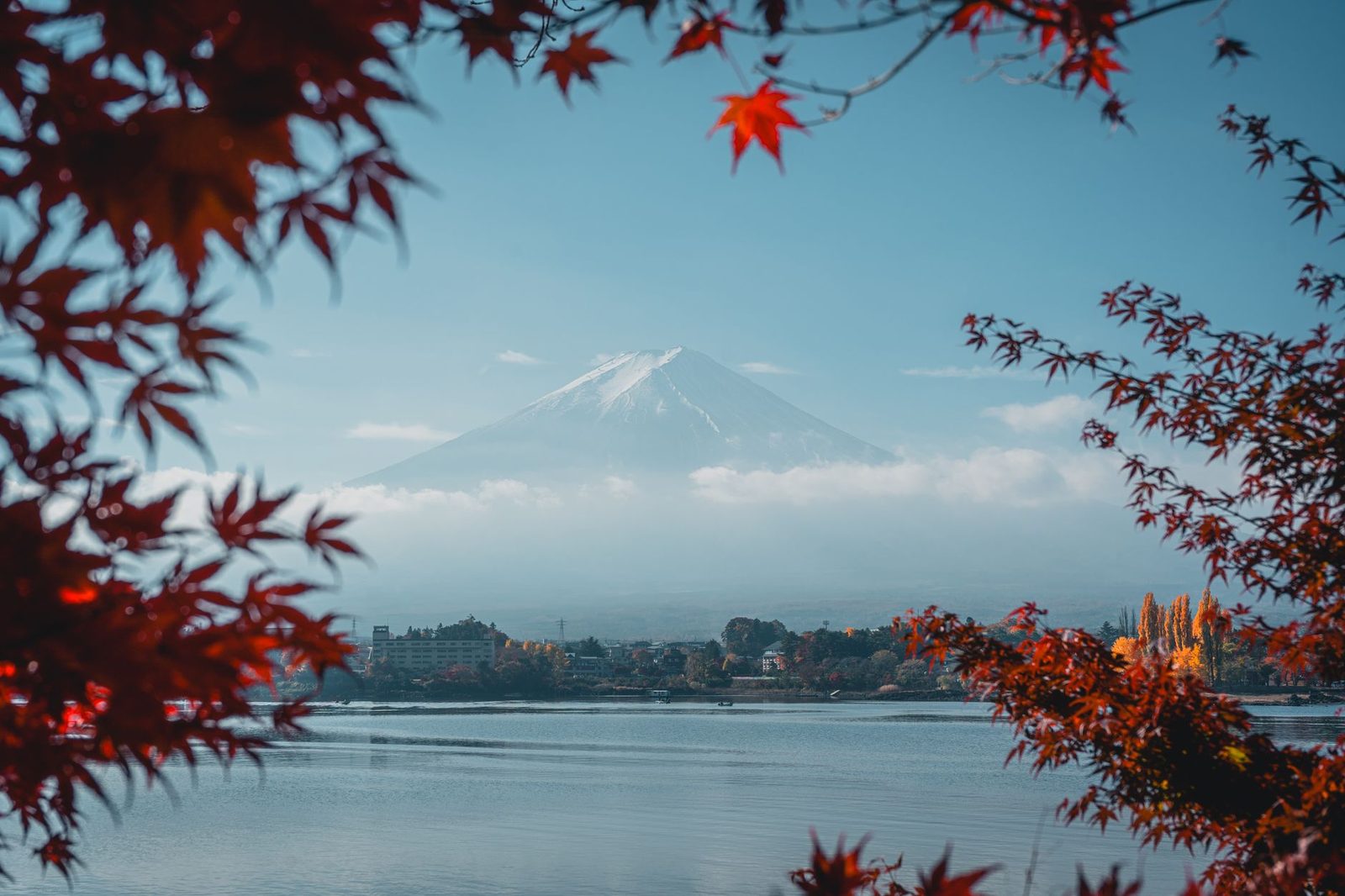
When planning Hakone, remember that weather can affect visibility of Mount Fuji. The autumn scenery remains worthwhile even when the mountain is hidden, so avoid making the entire day dependent on one photo opportunity.
Kyoto: temple gardens and colourful city streets
Kyoto is one of Japan’s most popular autumn destinations, and its foliage season can be especially busy. The city’s famous temples and gardens attract visitors from across the world, while narrow streets and limited parking make group movement challenging.
A charter coach does not remove Kyoto’s traffic, but it can simplify the larger journey. The bus can drop passengers near suitable entrances, wait at an agreed location, and transfer the group between districts while everyone stays together. It is important to confirm vehicle access and walking requirements in advance because some historic areas have restricted roads or limited coach parking.
A Kyoto autumn itinerary might include:
- Arashiyama and its surrounding temples
- Kiyomizu-dera and the Higashiyama area
- Tofuku-ji
- Eikando and Nanzen-ji
- Northern Kyoto temples and gardens
Rather than packing too many temples into one day, choose a few areas that match the group’s interests. A slower schedule usually creates a better experience during the busiest weeks.
Quick comparison of popular autumn destinations
| Destination | Typical foliage window* | Best for | Charter bus planning note |
|---|---|---|---|
| Nikko | Mid-October to early November in higher areas; later in lower areas | Mountain scenery, waterfalls, temples, and lakes | Start early and allow extra time for winding roads and seasonal congestion |
| Hakone | Late October to late November, depending on elevation | Lakeside views, museums, hot springs, and a Tokyo day trip | Combine scenic stops with a clear coach meeting point |
| Kyoto | Mid-November to early December | Temple gardens, historic streets, and cultural sightseeing | Confirm coach access, parking, and walking routes for each district |
*These are general planning ranges, not fixed predictions. The best timing is updated each year according to local conditions.
Choosing the right coach for your group
For groups of roughly 45–50 travellers, a 45–50-seat full-size coach is the natural option. It keeps the party together and provides enough space for day bags and personal belongings without splitting across several smaller vehicles.
Before requesting a quote, consider:
- The number of passengers and the amount of luggage
- Whether anyone needs extra boarding assistance
- Hotel addresses and whether the roads can accommodate a full-size coach
- The number of sightseeing stops
- Pick-up and drop-off times
- Overnight parking requirements
- Whether the route includes narrow mountain roads
- Any meal, restroom, or walking-break preferences
A full-size coach is most valuable when the itinerary is designed around it. Build in practical transfer time, use designated coach parking where required, and avoid changing the plan too frequently. Your licensed Japanese operator can also help identify realistic arrival times and safer stopping arrangements.
Budgeting for an autumn group charter
Autumn demand varies by route, travel dates, vehicle availability, driving hours, parking, tolls, and whether the coach is needed for one day or several days. A 45-seat coach is ¥99,000 for the 10-hour day (60 seats ¥129,000), plus expressway tolls and parking.
These figures are estimates only. The exact quote comes from the booking form and depends on your final itinerary, dates, group size, and vehicle requirements. Requesting early is sensible for peak foliage periods, particularly for weekends and routes serving Nikko, Hakone, or Kyoto.
For a free quote with a reply within 24 hours, send your itinerary through OlaChill’s Japan charter bus form.
How to build a smoother foliage itinerary
A strong autumn route balances scenic ambition with realistic travel time. Consider these guidelines:
- Use the latest foliage information. Check local updates shortly before departure and keep the order of destinations flexible where possible.
- Prioritise elevation. If your dates are early in the season, focus on mountain and northern areas. Later dates may suit Kyoto, lower valleys, and urban gardens.
- Travel early. Popular viewpoints and temple districts become crowded quickly, especially on weekends.
- Plan fewer major stops. Three well-chosen locations are often more enjoyable than six rushed visits.
- Confirm coach logistics. Parking, road restrictions, drop-off points, and walking distances should be part of the itinerary.
- Prepare for changing weather. Comfortable shoes, layers, and rain protection will make outdoor sightseeing easier.
- Keep the group informed. Share meeting times, landmarks, and emergency contact details before each stop.
Autumn group travel works best when the itinerary follows the season instead of fighting it. With a full-size charter coach, your group can connect major destinations comfortably, adjust plans as the leaves develop, and spend more time enjoying Japan’s scenery together.
FAQ
When is the best time for autumn leaves in Japan?
There is no single nationwide peak. Mountain areas may show colour from mid-October, while Kyoto and other lower-elevation destinations often reach their best from mid-November to early December. Timing changes every year, so check updated local forecasts before finalising your route.
Is a 45–50-seat coach suitable for a large group with luggage?
Yes. A 45–50-seat full-size coach is designed to keep a large group together and can accommodate day bags and luggage within its available storage capacity. Share your passenger and luggage details when requesting a quote so the vehicle setup can be confirmed.
Can a charter bus visit Nikko, Hakone, and Kyoto on one trip?
Yes, but the itinerary should allow sufficient time for long-distance travel and seasonal traffic. Many groups choose a multi-day route rather than attempting all three destinations as rushed day trips.
How far in advance should we arrange an autumn charter?
Earlier is better for peak foliage weekends and popular routes. Provide your dates, group size, hotels, and preferred destinations as soon as possible so vehicle availability and a practical route can be checked.
More from this region — Other
View all →
Japan's Autumn Leaves
19 min · seasonal

Best eSIM for Americans in Japan — T-Mobile vs Verizon vs Local
9 min · tips

Japan Across Four Seasons — When is the Best Time to Visit? A Detailed Comparison of Spring, Summer, Autumn, and Winter
9 min · seasonal
Bringing Medicine Into Japan and Buying Medicine in Japan
5 min · tips