
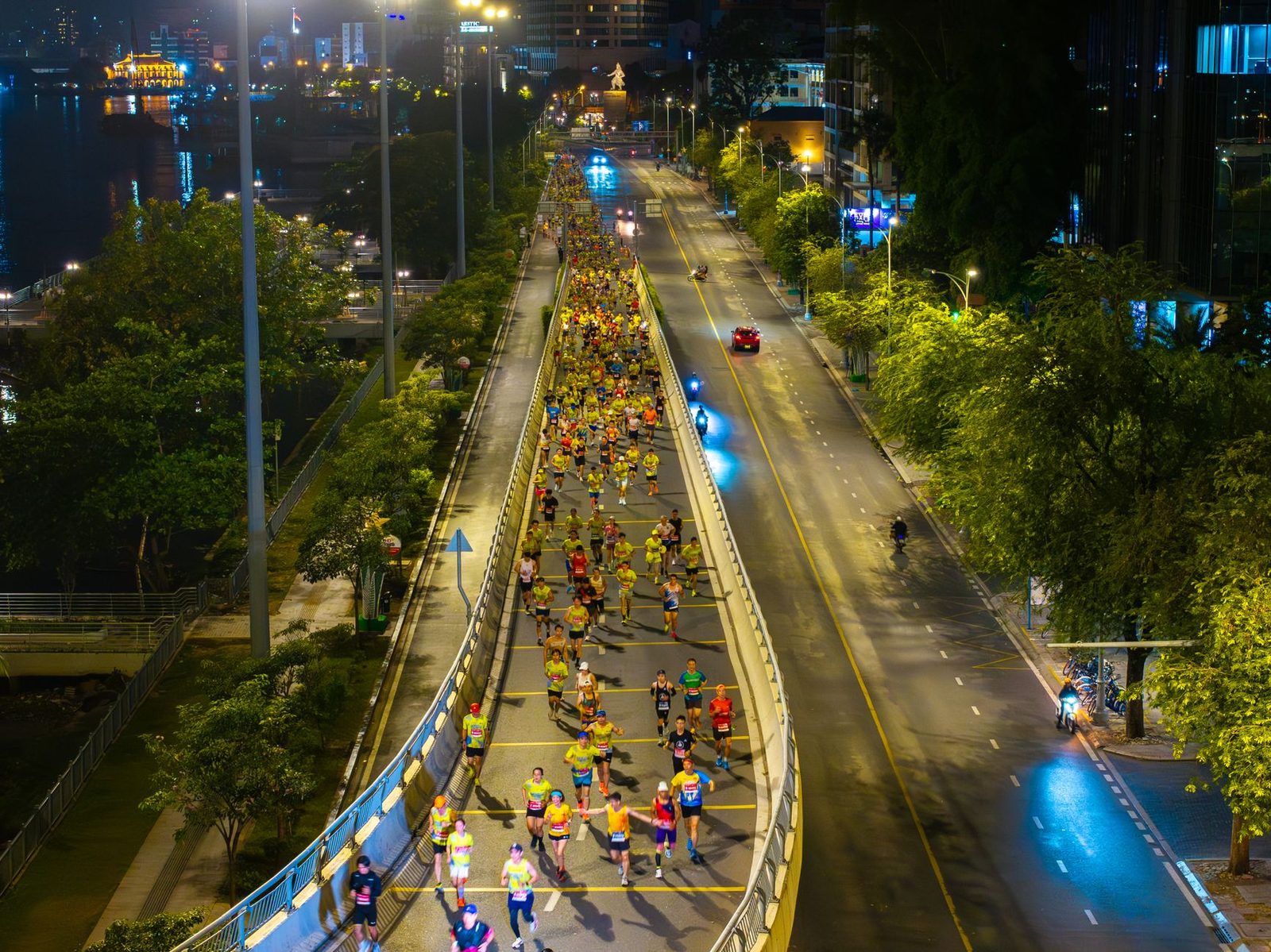
Closing Ceremony Night in Nagoya: Coach Pickup Plans That Actually Work
Coach pickup plans for the Asian Games closing ceremony in Nagoya on 4 October: meeting points that hold in a crowd, hotel returns and next-morning airport runs
Sep 5, 2026·✍️ olablog·⏱ 7 min read
Coach pickup plans for the Asian Games closing ceremony in Nagoya on 4 October: meeting points that hold in a crowd, hotel returns and next-morning airport runs
Tap a region to browse articles
The closing ceremony of the Asian Games Aichi-Nagoya 2026 is on 4 October 2026 at the main stadium in Nagoya. It is the last night of the Games, which means the crowd leaving it is not only large but also tired, emotional and carrying two weeks of shopping. Many of them fly out the next morning.
For a group leader, the closing night is a pickup problem first and a transport problem second. Where exactly will 30 people stand at 21:00 so a driver can find them, and how does that connect to a 07:00 hotel checkout and a flight from Centrair?
This article gives you three pickup plans that survive contact with a real crowd, plus the next-morning logistics that most groups forget until it is too late.
Why closing night differs from opening night
Same stadium, same ID-check regime (every person registered and checked at entry, so arrive early), same six-ticket limit per account. But three things change:
- Everyone leaves the city at once. Hotels empty on 5 October. Coaches and drivers are in demand for airport runs the same morning.
- Luggage. Groups often check out on the day of the ceremony to save a night, then have nowhere to put suitcases. A coach with a luggage bay solves this, but only if you planned it.
- Fatigue. After two weeks of sessions, people wander. Pickup discipline is weaker than on day one.
Check the official schedule for the ceremony start time; the opening ran 18:00 to 20:00, and you should assume a similar evening slot until confirmed.
Three pickup plans compared
| Plan | How it works | Best for | Weak point |
|---|---|---|---|
| A. Near-stadium collection | Coach returns to the drop-off point agreed by the operator, group walks there after the ceremony | Groups with children, seniors or luggage aboard | Road closures or steward routing can push the walk longer than expected |
| B. Walk-away point | Group walks 15 to 20 minutes away from the stadium to a quieter pre-agreed street, coach waits there | Fit adult groups, fan clubs | Needs a leader who knows the route in the dark |
| C. Train then coach | Group takes the subway from the Kanayama area to the hotel district, coach only does the next-morning airport run | Small groups staying near Kanayama or Nagoya Station | Heavy crowds on the platforms; last trains around midnight |
Plan A is the default for most groups. Plan B is what experienced tour leaders do because the coach is not fighting the same traffic as everyone else. Plan C is the budget option and works when the group is small and the hotel is on the line.
Fixing a meeting point people can find at night
A meeting point that works at 15:00 fails at 21:00. Rules that hold:
- Pick something that does not move and is lit. A named building entrance, a convenience store sign, a bridge end. Not "by the trees".
- Photograph it in daylight when you are dropped off, and send the photo to the whole group.
- Give it a name your group uses all evening ("Point Blue"). Avoid describing it by direction; nobody knows which way is north in a crowd.
- Set a hard time and a soft time. Soft time is when people should be there. Hard time is when the coach leaves for the hotel with whoever is present, with a sub-leader remaining to escort stragglers by train.
- One phone. Only the leader calls the driver.
The hard-time rule sounds harsh. It protects 35 punctual people from waiting an hour in the street for two who stopped for ramen.
Hotel returns after 21:00
Trains keep running after the ceremony but the crush at the nearest stations is heavy and last services are around midnight. A coach avoids the platform entirely and drops at the hotel door, which for a group carrying flags and gifts is the difference between a 30-minute ride and a 90-minute ordeal.
Two practical points:
- Driver hours. A late pickup on top of a full day changes the driver's schedule. Tell the operator at quote stage that this is a closing-ceremony night, so the day is planned around a late finish rather than squeezed in.
- Hotels outside Nagoya. If you are staying in Gifu, Toyohashi or Yokkaichi (30 to 60 minutes away), the coach is close to essential; a late two-leg train journey with a group is not a plan.
Next-morning airport runs to Centrair
Chubu Centrair International Airport sits on an artificial island in Tokoname, about 40 km south of downtown Nagoya. By road it is roughly 45 to 60 minutes, traffic-dependent. By Meitetsu Airport Line the μ-SKY express reaches Kanayama in about 30 minutes and Nagoya Station in 30 to 40.
Centrair is not on OlaChill's fixed-price airport transfer list (that list covers Narita, Haneda, Kansai and New Chitose), so a Centrair run for a group is quoted through the charter form. Book it at the same time as the ceremony coach; asking for a 5 October morning vehicle on 3 October is asking late.
A morning-after checklist:
- Departure time from hotel = flight time minus airline check-in window minus 60 minutes road time minus a 30-minute buffer.
- Luggage count at the door, not at the airport.
- One person collects passports for the headcount and hands them back on board.
- Confirm the terminal with each sub-group; do not assume everyone is on the same airline.
If some of the group are continuing to Tokyo instead, the Shinkansen from Nagoya Station takes about 1 hour 40 minutes and the coach can drop them there on the way.
Leaving the day after: turning the last night into a rest day
Groups with an evening flight on 5 October have a spare morning. Nagoya Castle and Meijo Park, Osu shopping arcade or the SCMAGLEV and Railway Park at Kinjo-futo are all realistic before a 13:00 airport departure. Timed-entry attractions need tickets in advance; see our Japan attraction tickets page.
How to book with OlaChill
Request the closing-night coach and the airport run together through the charter bus quote form; state the ceremony date, headcount, hotel and flight time and you will receive a reply within 24 hours. For a small party that wants door-to-door flexibility instead of a coach, the private car with driver by the hour is booked in 2-hour blocks.
FAQ
Will the coach be able to wait outside the stadium?
No private coach can rely on a bay at the venue. The operator agrees a drop-off and pickup point in advance; the group walks to it. Plan B (a walk-away point) often gets you moving sooner than waiting near the gates.
What time does the closing ceremony finish?
Check the official schedule. The opening ceremony was 18:00 to 20:00, and a similar evening slot is a reasonable planning assumption until confirmed.
Can we load suitcases on the coach before the ceremony?
Yes, if you tell us. A full-size coach has a luggage bay; a Coaster has less. Checked-out groups often load bags at 14:00, attend the ceremony, and go straight to an airport-area hotel or an early flight.
How early should we leave for Centrair the next morning?
Allow 45 to 60 minutes by road plus a buffer, on top of your airline's check-in window. Traffic on 5 October is unpredictable because so many visitors leave together.
Is the train a bad idea after the ceremony?
Not bad, just crowded. Trains run until around midnight. For groups under 10 staying near Kanayama or Nagoya Station it can be fine. For larger groups, or anyone with luggage or mobility limits, a coach is calmer.
More from this region — Chubu (Nagano, Kanazawa)
View all →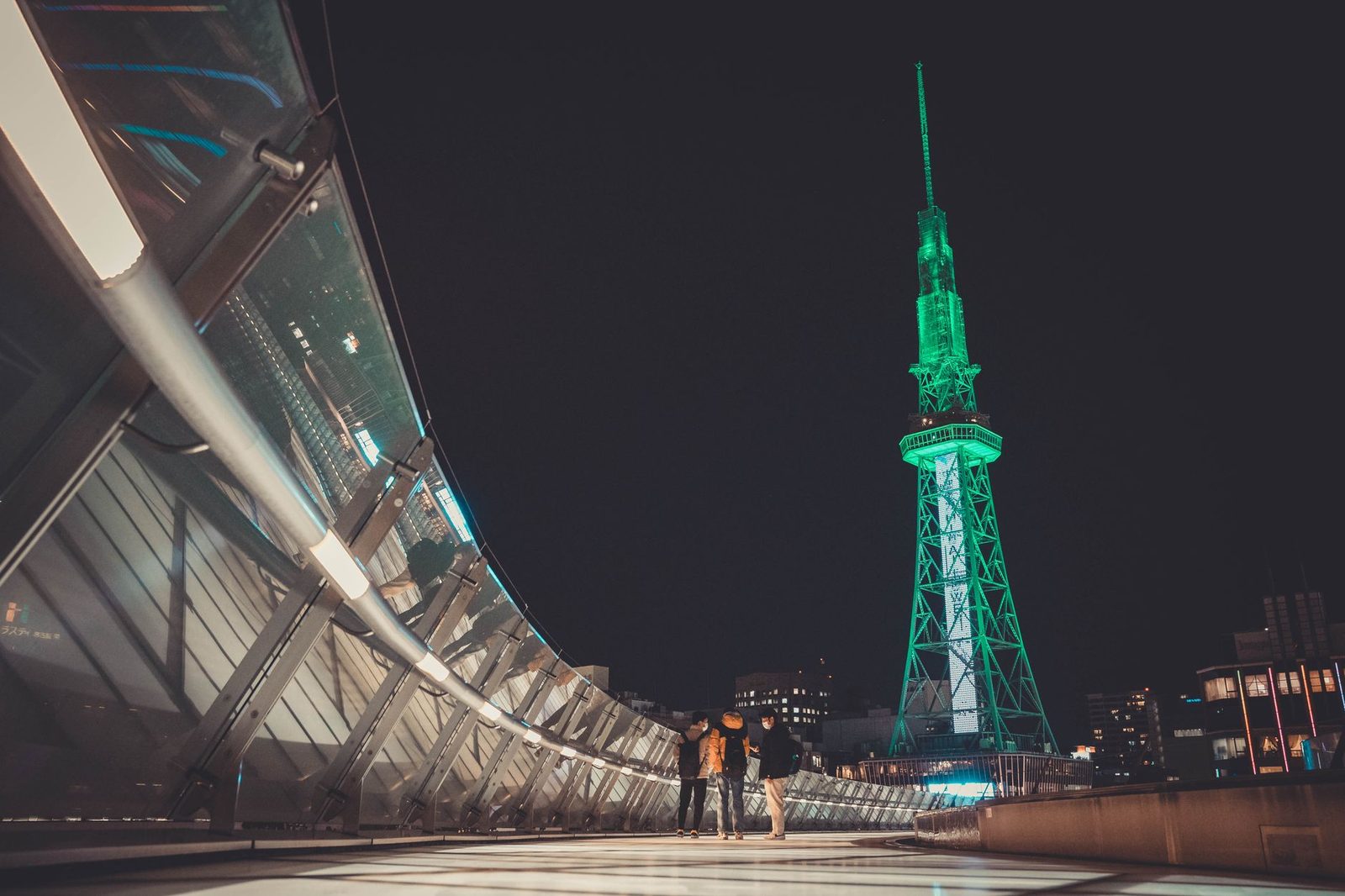
Nagoya Food Evening With a Private Driver After the Games
6 min · itineraries
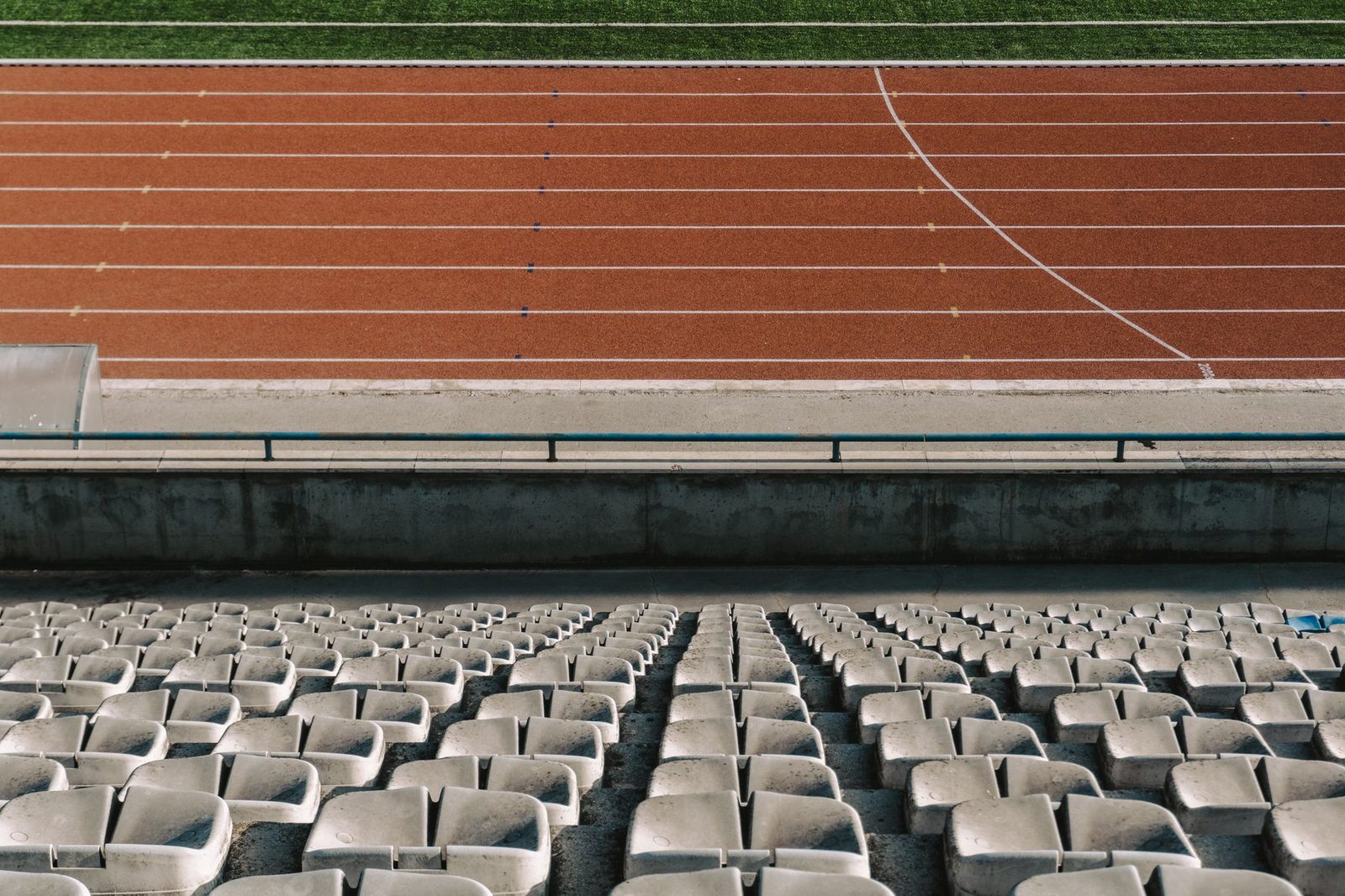
Getting a Group to the Asian Games Opening Ceremony at Paloma Mizuho Stadium
7 min · events
Private Car With Driver for the Asian Games in Nagoya: How It Works
7 min · tips
Coach Pickup Around Nagoya Station During the Asian Games: What Works
7 min · tips