
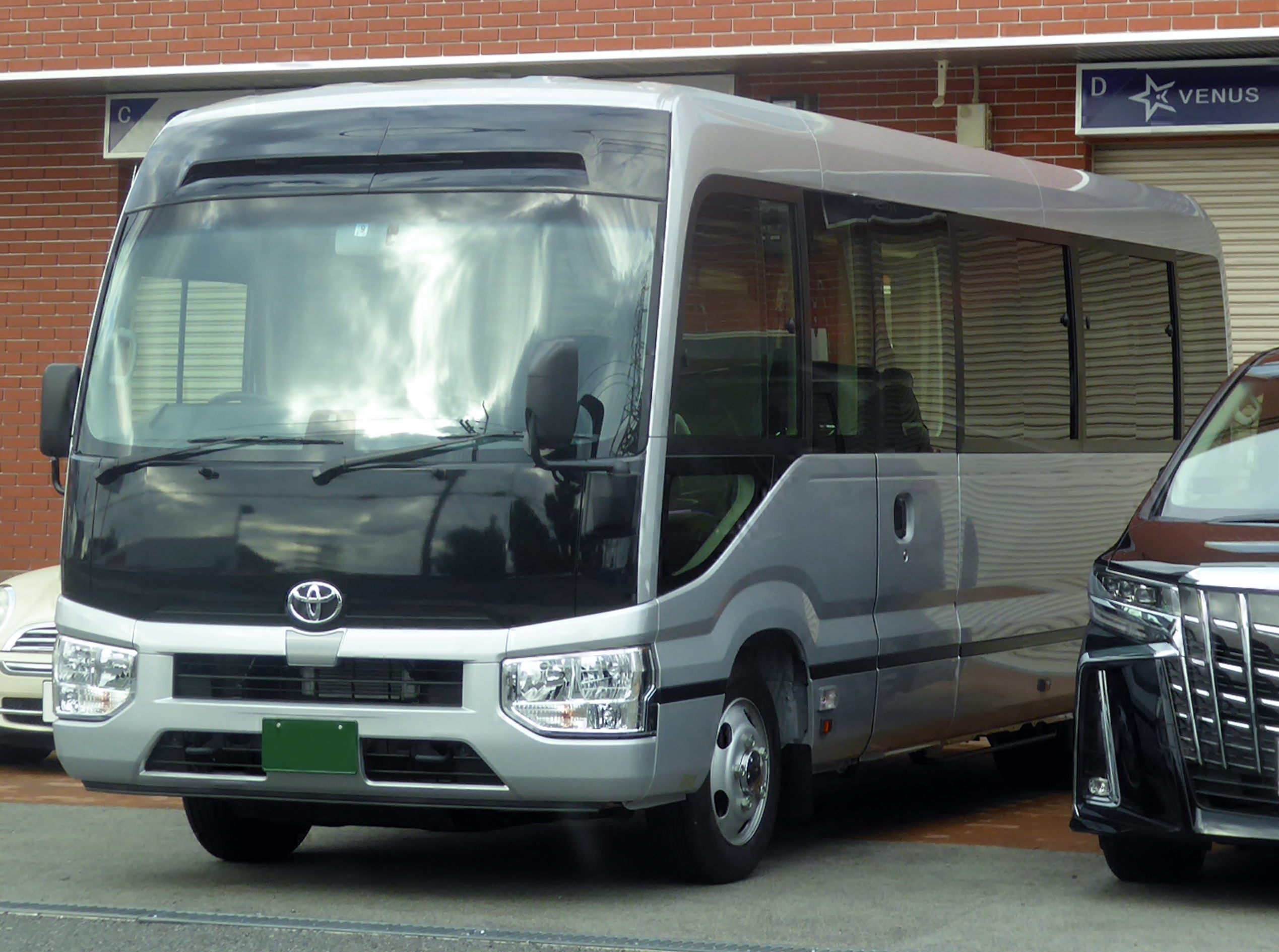
26–29-Seat Coaster for Mid-Size Groups Around Aichi Venues
A 26–29-seat Coaster suits groups of 20 to 28 at the Asian Games in Aichi: luggage room, comfort on long days, mountain roads to Takayama and price logic.
Sep 5, 2026·✍️ olablog·⏱ 7 min read
A 26–29-seat Coaster suits groups of 20 to 28 at the Asian Games in Aichi: luggage room, comfort on long days, mountain roads to Takayama and price logic.
Twenty-four supporters, a week of sessions across Aichi, one rest day in the mountains. A 17 to 22-seat minibus is too tight once the flags and bags go in. A 44 to 53-seat coach is half empty and struggles on side streets. The vehicle that fits is the 26 to 29-seat Coaster, and for the Asian Games Aichi-Nagoya 2026 it is the class most mid-size groups end up in.
This article explains what the Coaster class does well, where it stops making sense, and how its price is put together, using only what we publish.
Where the Coaster sits in the fleet
| Class | Seats | Typical group |
|---|---|---|
| Alphard minivan | 7 | Family, small VIP party |
| Minibus | 17 to 22 | Two or three families, small fan club |
| Coaster | 26 to 29 | Mid-size supporter group, school class, corporate party |
| Full-size coach | 44 to 53 | Large supporter groups, delegations' followers |
The Coaster is the smallest vehicle that behaves like a coach: proper luggage space, a raised seating position, and room for a full load to sit comfortably for two or three hours. It is also small enough that the driver has more options for a brief stop near a venue than a full-size coach has. Nothing about it guarantees parking, which is never guaranteed at Games venues, but options matter.
Luggage: the reason groups step up from a minibus
A fan club of 20 travels with more than 20 day bags. Banners, a drum or two, seat cushions, rain ponchos for everyone, a cooler, and on arrival and departure days a suitcase each. In a minibus, that load takes seats. In a Coaster, it goes in the luggage space and the people sit where the seats are.
Arrival day is the clearest case. Chubu Centrair International Airport is about 40 km south of downtown Nagoya, on an artificial island in Tokoname, 45 to 60 minutes by road, traffic-dependent. Twenty-four people with 24 suitcases is a Coaster job. Centrair is not on our fixed-price airport transfer list, so this transfer is quoted through the charter form along with the rest of the week.
Comfort on long days
A Games week is not just city shuttles. Groups add:
- Toyota City for football at Toyota Stadium, table tennis at Sky Hall Toyota, or shooting: 40 to 60 minutes each way
- Okazaki for volleyball, plus Okazaki Castle: 50 to 70 minutes
- Gamagori for sailing or the triathlon on 20 to 21 September, with Takeshima island or Laguna Ten Bosch: 60 to 80 minutes
- Ise Jingu in Mie on a rest day: about 2 hours
- Takayama and Shirakawa-go: 2.5 to 3 hours each way
All traffic-dependent. On a 2-hour run, seat pitch and a stable ride matter. A Coaster with 24 people and their bags stowed is comfortable. A 22-seat minibus with 20 people and bags on laps is not.
Mountain roads: Takayama and the Kiso Valley
The Takayama and Shirakawa-go trip is the one where the Coaster earns its place. At 2.5 to 3 hours by road each way, it is a long day trip and better as an overnight. The route climbs into the mountains, and a mid-size vehicle handles winding roads and small-town streets more easily than a full-size coach, while giving the group more room than a minibus.
Two cautions:
- Whether autumn colour has started by late September or early October depends on the year and the altitude, and we have not measured it. Treat foliage as a bonus, not the reason to go.
- An overnight means driver accommodation appears in the quote. That is normal and should be itemised.
Magome and Tsumago in the Kiso Valley, at 1.5 to 2 hours, are a shorter alternative: the group walks between the two post towns while the Coaster repositions to collect them at the far end.
Venue days: how the Coaster handles drop-offs
At central venues such as IG Arena beside Nagoya Castle, Vantelin Dome Nagoya, Nippon Gaishi Hall in Minami-ku and Paloma Mizuho Stadium, the pattern is drop and leave. Private coaches need pre-arranged drop-off and parking, and the operator handles that, but nobody promises a specific bay. The Coaster's advantage is simply that the driver has more legal places to make a brief stop, which can shorten the walk to the gate.
After the session, agree a pickup point a few minutes' walk from the venue and away from the main flow toward the station. Allow 20 to 30 minutes after the scheduled end for 24 people to clear the venue and reach the vehicle.
For the opening ceremony on 19 September at Paloma Mizuho Stadium, 18:00 to 20:00, remember that everyone in the party must be registered in advance and is ID-checked at entry, so arrive early and expect long queues. The exit crowd heads for Kanayama; your Coaster should be somewhere else.
Price logic for the Coaster
A 29-seat Coaster-class bus is ¥69,000 for a 10-hour day, against ¥99,000 for a 45-seat coach and ¥129,000 for 60 seats, with extra hours at ¥15,000 each. Tolls, parking and driver meals are added to either vehicle.
What moves a Coaster quote:
- Hours. A 07:00 start and a 23:00 finish after a final is a long duty day. Driver hours are limited; a very long day may need arrangements that cost more.
- Distance. City shuttle versus Takayama.
- Tolls. Expressways (Tomei, Shin-Tomei, Meishin, Isewangan, Higashi-Meihan) are paid; tolls are normally passed through at cost.
- Parking. Where it exists and carries a fee.
- Driver meals and, on overnights, accommodation.
Per person, a Coaster carrying 24 people spreads the cost well. If your group is 26 to 28 and everyone has a suitcase, ask whether the luggage still fits; if not, the answer may be a full-size coach with empty seats, which is not a waste if the alternative is bags on laps for two hours.
Coaster, minibus or full-size: a quick decision
- 10 to 18 people, day bags only, city venues: minibus
- 18 to 28 people, or any group with banners, drums or suitcases: Coaster
- 28 to 50 people: full-size coach
- Any size going to Takayama or the Kiso Valley: Coaster or smaller if the headcount allows
- 6 to 7 people wanting comfort without a coach: 7-seat Alphard or private car by the hour; the tariff is on that page
Whichever class you land on, one person in the group should carry a phone that works in Japan; a travel eSIM is the simplest way to arrange it before you fly.
How to book with OlaChill
Send headcount, luggage description, dates, hotel and venue list through the charter coach quote form, say which days are city shuttles and which are long runs, and we reply within 24 hours with a vehicle recommendation and a price.
If you are undecided between a Coaster and a full-size coach, say so. It is easy to quote both for the same itinerary.
FAQ
How many people should a Coaster carry comfortably?
Between 20 and 28, depending on how much luggage travels with them. For a full load of 28 with suitcases, check with the operator that the luggage space is enough.
Is a Coaster suitable for the Takayama and Shirakawa-go trip?
Yes. At 2.5 to 3 hours each way it is a long day or an overnight, and the Coaster's size suits mountain roads and small-town streets better than a full-size coach. An overnight adds driver accommodation to the quote.
Can the Coaster park at Asian Games venues?
No vehicle is guaranteed a bay. Drop-off and parking are pre-arranged where possible, and the realistic plan is drop and leave with a pickup point agreed in advance. Check the official venue page for access rules.
How much cheaper is a Coaster than a full-size coach?
A 29-seat Coaster-class bus is ¥69,000 for a 10-hour day, ¥30,000 below the 45-seat coach at ¥99,000. Request both quotes if you are on the boundary.
More from this region — Other
View all →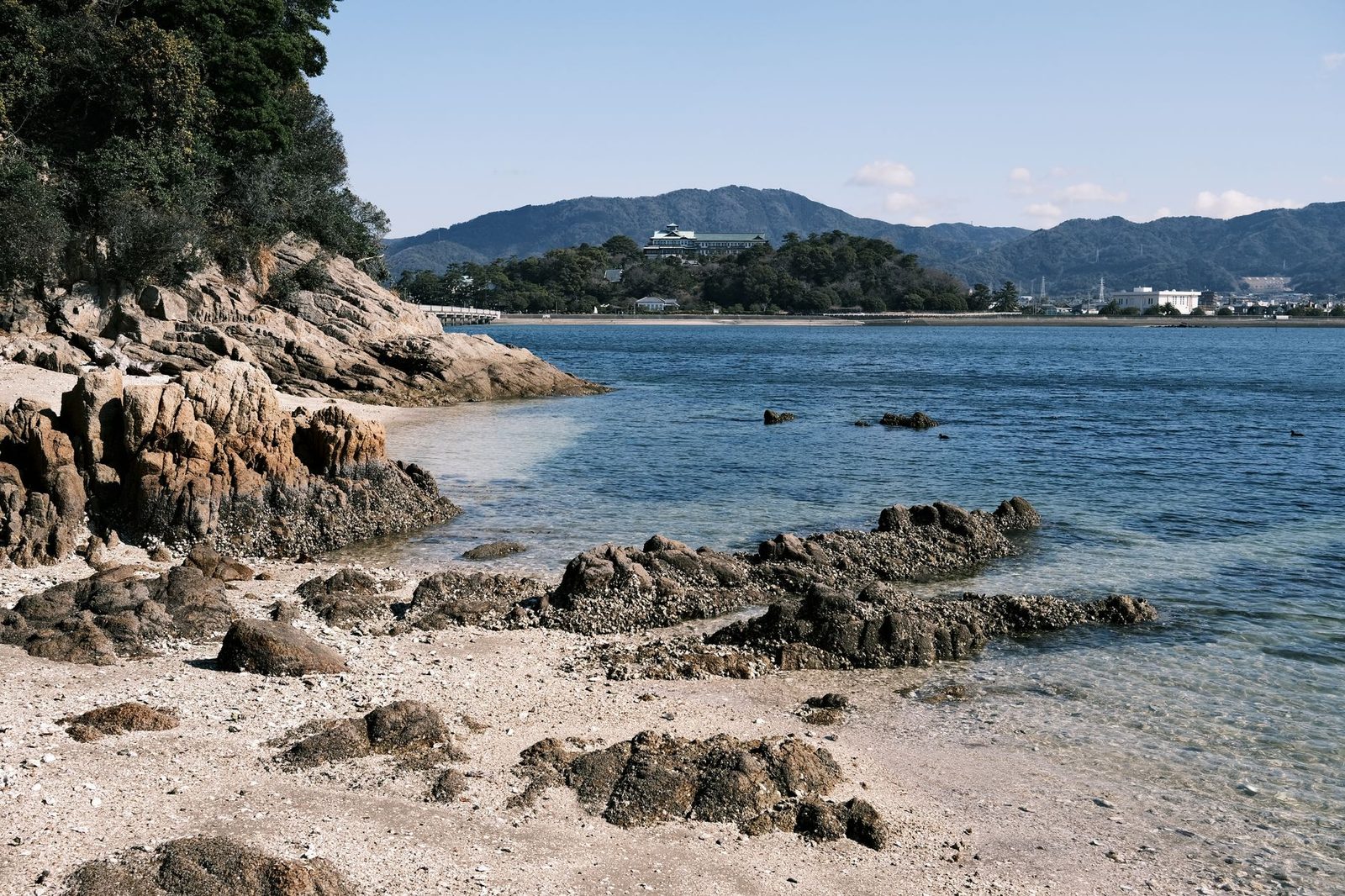
Gamagori by Private Car: Takeshima, Laguna Ten Bosch and the Sailing Venue
5 min · itineraries
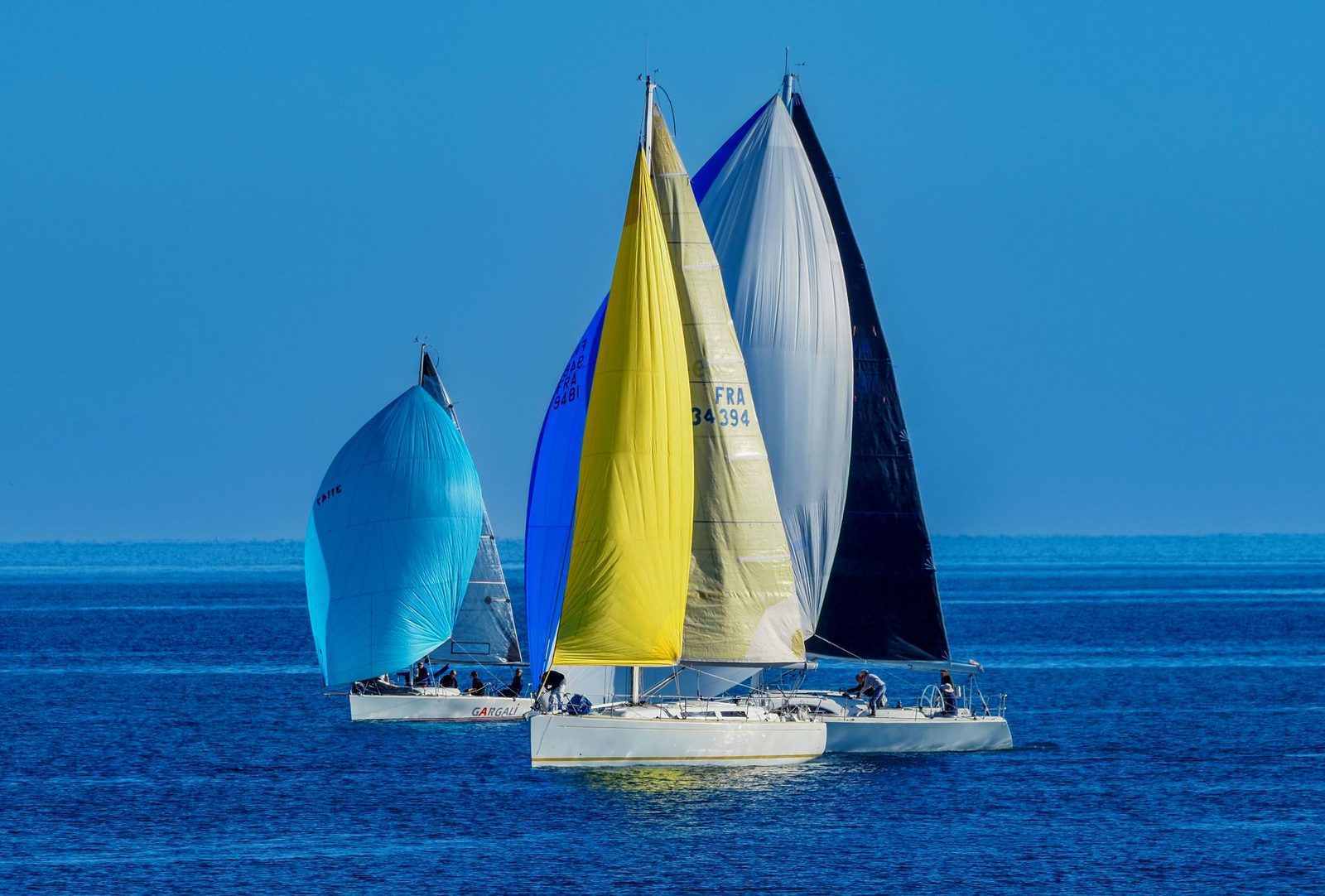
Sailing and Triathlon in Gamagori: A Seaside Group Day by Coach
6 min · events
Ghibli Park for Groups During the Asian Games: Tickets First, Coach Second
7 min · itineraries
Helicopter Flights and Autumn Weather: Cancellation and Refund Rules
7 min · tips