
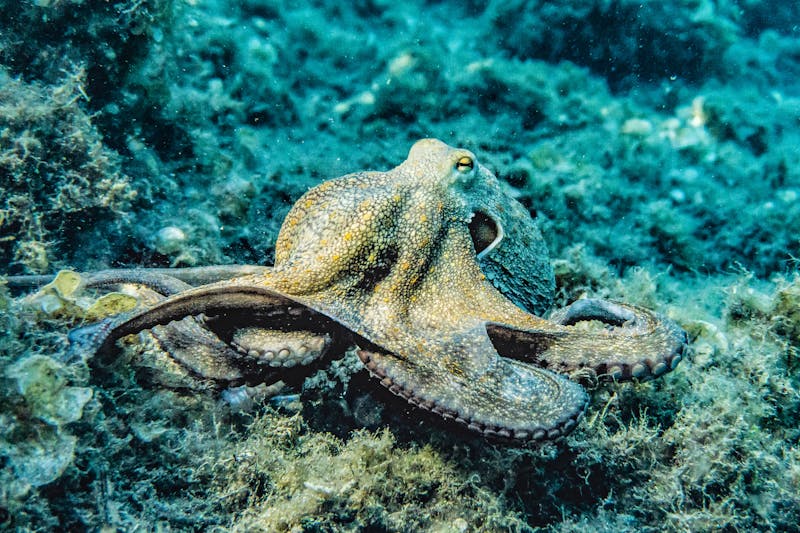
Animal Experiences in Japan: Aquariums, Zoos, Cat Islands, and Monkeys Bathing in Onsen
A guide to family-friendly animal experiences in Japan: Churaumi Aquarium, Asahiyama Zoo, Mother Farm, Aoshima Cat Island, and the snow monkeys of Jigokudani.
Aug 8, 2026·✍️ olablog·⏱ 6 min read
A guide to family-friendly animal experiences in Japan: Churaumi Aquarium, Asahiyama Zoo, Mother Farm, Aoshima Cat Island, and the snow monkeys of Jigokudani.
There’s one thing few people tell you before their first trip to Japan: it’s a paradise for animal lovers. From aquariums where whale sharks glide through enormous tanks and penguins “march” across the snow, to islands where cats outnumber people and wild monkeys casually soak in hot springs, Japan turns animal watching into remarkably well-designed experiences. Traveling with young children makes it even better: these are destinations that can delight three generations of the same family equally. Here’s a map of the best animal experiences across Japan.
World-class aquariums: Churaumi and Kamogawa Sea World
Churaumi Aquarium (Okinawa) has been voted one of Asia’s top aquariums for many years. Its star attraction is the enormous Kuroshio Tank, holding more than 7.000 tons of water, where 8–9-meter-long whale sharks swim alongside manta rays right in front of a pane of glass as tall as a two-story building. Standing in the darkness and looking up as these “gentle giants” glide overhead is enough to leave both children and adults speechless. Admission is about 2.200¥ for adults, with cheaper tickets for children, and the beach area outside the aquarium is free—well worth staying to watch the sunset.
Kamogawa Sea World (Chiba Prefecture, about 2 hours from Tokyo) is famous for its orca shows—one of the very few places in Asia where you can see these animals. Beluga and dolphin shows run throughout the day in rotation, so you can take your time and catch them all. If you’re staying in Tokyo and don’t have time to travel far, Sumida Aquarium at the foot of Tokyo Skytree or Maxell Aqua Park Shinagawa are both convenient options for a rainy afternoon.
Ueno and Asahiyama Zoos: two styles, two corners of the country
Ueno Zoo (Tokyo) is Japan’s oldest zoo. Located inside Ueno Park, it’s easy to combine with a museum visit. The star attractions are the giant pandas—arrive early, as the panda area often has long lines. Tickets cost only about 600¥ for adults, while children can enter almost free, making it one of Tokyo’s best bargains.
Asahiyama Zoo (Asahikawa, Hokkaido) is famous for its focus on “animal behavior.” Rather than simply keeping animals in enclosures, the zoo designs spaces that let visitors observe them moving naturally—penguins swim through glass tunnels running over visitors’ heads, while polar bears plunge into the water right beside the viewing glass. In winter, the zoo holds a “penguin march” across the snow. It’s actually an exercise routine for the birds, but it’s so adorable that it’s worth the flight to Hokkaido.
Kid-friendly farms: Mother Farm and Furano
If your children would rather touch, pet, and feed animals than simply observe them, set aside a day for a farm visit. Mother Farm (Chiba) is about 1,5–2 hours from Tokyo and sprawls across hills overlooking the bay. Children can feed sheep, goats, and guinea pigs, watch sheep being sheared, milk cows, pick seasonal strawberries, and enjoy freshly made soft-serve ice cream—a treat that parents often “help” finish more than the kids do.
In Hokkaido, the Furano – Biei area is home to farms surrounded by lavender fields in summer, where you can see ponies, sheep, and dairy cows against hills blanketed in purple flowers. The cool air in July–8 makes this an ideal escape from the heat for Vietnamese families traveling during summer vacation.
Aoshima Cat Island and the snow monkeys of Jigokudani
Here are two “quintessentially Japanese” experiences that social media has made famous around the world:
Aoshima Cat Island (Ehime Prefecture) is a small island where cats once outnumbered residents by several times. There are no restaurants, hotels, or vending machines—just cats, the sea, and a quiet fishing village. The ferry makes only a few trips to the island each day, and visitor numbers are limited, so be sure to check the schedule in advance. If Aoshima is too far out of your way, other “cat islands” such as Tashirojima (Miyagi) or Enoshima near Tokyo also have plenty of friendly, people-loving cats.
Jigokudani Monkey Park (Nagano) is famous worldwide for scenes of Japanese macaques soaking in hot springs amid falling snow, their eyes half-closed as if meditating. The best time to visit is December–3, when snow is on the ground. From the parking area, you’ll need to walk for about 25–30 minutes along a forest trail, so wear non-slip shoes. These are truly wild monkeys—don’t feed or touch them, which makes the experience all the more authentic. From Tokyo, you can take the shinkansen to Nagano and then transfer to a bus, or choose a day tour departing from Tokyo to avoid working out the train and bus connections during snowy weather.
Animal cafés and ethics: choose places that treat animals well
Tokyo and Osaka have all kinds of animal cafés: cats, Shiba dogs, hedgehogs, owls, capybaras, and more. Prices are usually around 1.000–2.000¥ for 30–60 minutes, including a drink. However, this is where you need to stay alert: not every café treats its animals well.
A few principles for choosing places worth supporting:
- Prioritize cat and dog cafés that work with rescue animals, where the animals are free to move around, have separate rest areas, and staff actively remind visitors not to force them to be held or wake sleeping animals.
- Think carefully before visiting owl, civet, or otter cafés—these are wild, nocturnal animals, and being tethered under bright lights all day causes them severe stress. Many animal-protection organizations advise against supporting this business model.
- Observe before paying: Do the animals have clean water? Is there somewhere for them to hide? Does the café limit the number of visitors? If you see animals confined to cramped cages or behaving unusually sluggishly, you have every right to turn around and leave.
- The same applies to animal photo attractions: avoid places that let visitors cuddle bear cubs, take photos with tigers, or force monkeys to dress up and perform tricks. At Jigokudani and on cat islands, the beauty lies precisely in allowing the animals to be themselves.
Itinerary ideas and final thoughts
If you’re spending 5–7 days in Tokyo, you can easily combine these experiences: a morning at Ueno Zoo, a day at Kamogawa Sea World or Mother Farm, and a day trip to Jigokudani in winter. In Okinawa, Churaumi is unmissable, while in Hokkaido during summer, set aside a full day for Asahiyama and Furano. What stays with you after these experiences is usually not the perfect photo, but the sparkle in your child’s eyes when they see a whale shark for the first time, or the laughter of the whole family when a goat “asks” for more food. Check out more family itinerary ideas on OlaChill’s blog to fit these destinations into your next trip!
More from this region — Other
View all →
Sushi Experiences in Japan: From Kaiten Conveyor Belts to High-End Omakase
6 min · food

Travel Insurance for Americans in Japan — Medicare Doesn't Cover
7 min · tips

Travel Insurance and Hospital Bills on a Japan Medical Trip
5 min · tips
Travelling With a Patient to Japan: A Checklist for the Family Member
6 min · tips