Tokyo Autumn on a Plate: From Meguro Sanma to Chestnut Mont Blanc
From free grilled fish in the middle of the street to a century-old chestnut shop and matsutake mushroom stalls in department-store basements—your seasonal food map, complete with real prices.
Aug 12, 2026·✍️ olablog·⏱ 15 min read
From free grilled fish in the middle of the street to a century-old chestnut shop and matsutake mushroom stalls in department-store basements—your seasonal food map, complete with real prices.
Tap a region to browse articles
There is a classic Japanese rakugo story called “Meguro no Sanma”: a feudal lord is out hunting in Meguro when hunger strikes, and villagers grill him a plump saury over glowing charcoal. Back at his estate, he asks to have the same dish again, but the palace chef, worried that the fish’s fat will be “bad for your health, my lord,” steams it, removes the bones, and skims off all the fat—leaving a completely bland fish. The lord frowns and asks where the fish was bought. When he is told, “From Nihombashi Market, my lord,” he delivers the line that went down in history: “What a shame. Sanma must be eaten in Meguro.” It is a made-up story meant to amuse, but it captures something very real: in Tokyo, autumn dining is not just about what you eat, but where and how you eat it.
If you have read the overview of shun—the Japanese philosophy of eating foods at their peak season—on the OlaChill blog, this article is the next step. Instead of simply saying, “Japanese autumn means sanma, chestnuts, and matsutake,” I’ll show you where to queue, which stalls to turn into, and how much money to set aside, all within Tokyo. Japan’s capital has one seasonal specialty that no other region can match: it gathers the country’s autumn harvest in one place—fish from Iwate, chestnuts from Ibaraki, mushrooms from Nagano—and displays it at street festivals, century-old bakeries, and dazzling department-store food basements.
The Japanese call this season “shokuyoku no aki”—autumn, the season of appetite. In Tokyo, that phrase is not a metaphor. From early September through the end of November, the whole city changes its menu: grilled-fish smoke rises in Meguro, wagashi display cases turn maple-leaf red, and even McDonald’s sells “moon-viewing” burgers. This is the autumn food itinerary I personally walked, queued through, and… gained weight to verify.
The Meguro Grilled Sanma Festivals: Queuing for Free Fish
The rakugo story above does not exist only in books—every September, it comes back to life as a real festival. And here is the detail that most often causes confusion: there are actually two different sanma festivals around Meguro Station, held two weeks apart.
Two Festivals—Don’t Mix Up the Dates
Meguro no Sanma Matsuri usually takes place on a Sunday in early or mid-September, in the shopping district beside JR Meguro Station (East Exit, within Shinagawa Ward—a peculiar detail that even Tokyo residents often argue about). The festival’s main attraction is thousands of sanma brought in from Miyako Port in Iwate Prefecture, grilled over charcoal right on the street, and handed out free with grated daikon and sudachi citrus in the traditional style. Free, of course, means queuing: in busy years, waiting several hours is perfectly normal, and some people line up from early morning.
Meguro Ward’s festival (usually called Meguro Kumin Matsuri, also featuring grilled sanma, this time from Kesennuma in Miyagi) takes place later, around the middle or end of September, in a park area near the Meguro River. In recent years, the grilled fish here has sometimes been distributed through a lottery or advance ticket system to reduce the queues—the format changes every year, so check the ward’s official website before you go.
One thing worth knowing in advance to avoid disappointment: Japan’s sanma catch has fallen sharply for more than a decade, so in some years the organizers have had to use frozen fish instead of fresh fish just brought ashore. The fish is still fragrant and the atmosphere is still lively, but if you are expecting “freshly caught sanma,” adjust your expectations—and understand that this scarcity is precisely why Tokyo residents treasure sanma season even more.
Tips for Anyone Who Doesn’t Want to Queue for Three Hours
- Arrive at least one hour before opening, or come much later and enjoy the atmosphere while eating from the other stalls (yakisoba, draft beer, grilled foods) instead of staking everything on one free fish.
- If you miss the festivals, don’t worry: from mid-September through the end of October, nearly every izakaya and teishoku restaurant in Tokyo puts “sanma shioyaki”—salt-grilled sanma—on its seasonal menu. A set meal with rice and miso soup at an everyday restaurant usually costs around 1,000–1,500 yen. Yayoiken almost always introduces a grilled-sanma set in autumn for around 1,000 yen—less romantic than eating on the streets of Meguro, but consistently grilled and queue-free.
Chestnut Mont Blanc: From the “Birthplace” in Jiyugaoka to Freshly Piped Cream in Yanaka
If sanma is Tokyo’s savory autumn, mont blanc is its sweet side. Few people know that the Japanese-style mont blanc—golden chestnut cream piped into strands over a cake—is believed to have originated right here in Tokyo.
Mont-Blanc Jiyugaoka—Where It All Began
The bakery actually named Mont-Blanc, in Jiyugaoka (Meguro Ward, about a 1–2-minute walk from Jiyugaoka Station on the Toyoko Line), opened in 1933 and proudly claims to have created the first Japanese-style mont blanc. Its founder took inspiration from Mont Blanc in Europe but used Japanese candied chestnuts (kanro-ni), producing the signature golden color instead of the brown shade of European marrons. A classic mont blanc here costs around 500–700 yen—surprisingly affordable given its reputation—and its flavor is equally “classic” in the truest sense: deeply sweet, straightforward, and uninterested in chasing trends. Eating it feels like reading the first page of a history book with a spoon.
Waguriya in Yanaka—Pure Japanese Chestnut Flavor
At the other end of the spectrum is Waguriya, a shop specializing in chestnut sweets on Yanaka Ginza (Taito Ward, about a 5-minute walk from Nippori Station, West Exit). It uses only Japanese chestnuts (waguri) from the famous growing region of Ibaraki, with no imported varieties mixed in. The mont blanc here is almost entirely chestnut, sugar, and very little cream—the strands are smooth and chewy, with the aroma of genuinely roasted chestnuts rather than artificial flavoring. A mont blanc and tea set usually costs around 1,500–2,000 yen. On autumn weekends, you will almost certainly have to queue, so go on a weekday or arrive early. While you are there, Yanaka is a wonderfully pleasant old neighborhood for an autumn stroll—after dessert, simply walk downhill to the “sunset” steps of Yuyake Dandan and you will have a perfectly rounded afternoon.
The “Freshly Piped Mont Blanc” Trend—Worth Trying Once
In recent years, Tokyo has seen a boom in mont blanc shiboritate: delicate chestnut-cream strands, as fine as silk, piped from a machine right in front of the customer and eaten within a few minutes before they dry out. Specialty shops such as Kuriho (with a branch in Asakusa), along with many similar shops around Ginza and Jiyugaoka, sell portions starting at around 2,000 yen. It is not cheap, but watching a chestnut “snow mountain” take shape before you and then dissolve in your mouth is exactly the kind of experience that only autumn can justify.
Autumn Wagashi: Maple Leaves in Display Cases and Century-Old Roasted-Sweet-Potato Bars
Toraya Akasaka—A Miniature Autumn Museum
Toraya is a wagashi house with a centuries-long history of serving the imperial court, and its main store in Akasaka (near Akasaka-mitsuke Station, in a beautifully rebuilt building with a tea room upstairs) is especially worth visiting in autumn. The reason is Toraya’s fresh namagashi line, which changes designs according to the seasonal calendar. From late September onward, the display cases begin to feature sweets molded into red maple leaves, persimmons, chestnuts, and chrysanthemums—each one a small poem, priced at around 500–600 yen. Autumn is also when Toraya releases limited-edition chestnut sweets such as kuri kinton and chestnut yokan; once the season ends, they are gone, true to the spirit of kisetsu gentei. Sit in the tea room, order a sweets-and-matcha set, and look out at the small garden through the glass—you will understand why the Japanese say wagashi lets you “eat the season with your eyes before your mouth.”
Funawa Asakusa—Imo Yokan, the Most Down-to-Earth Taste of Autumn
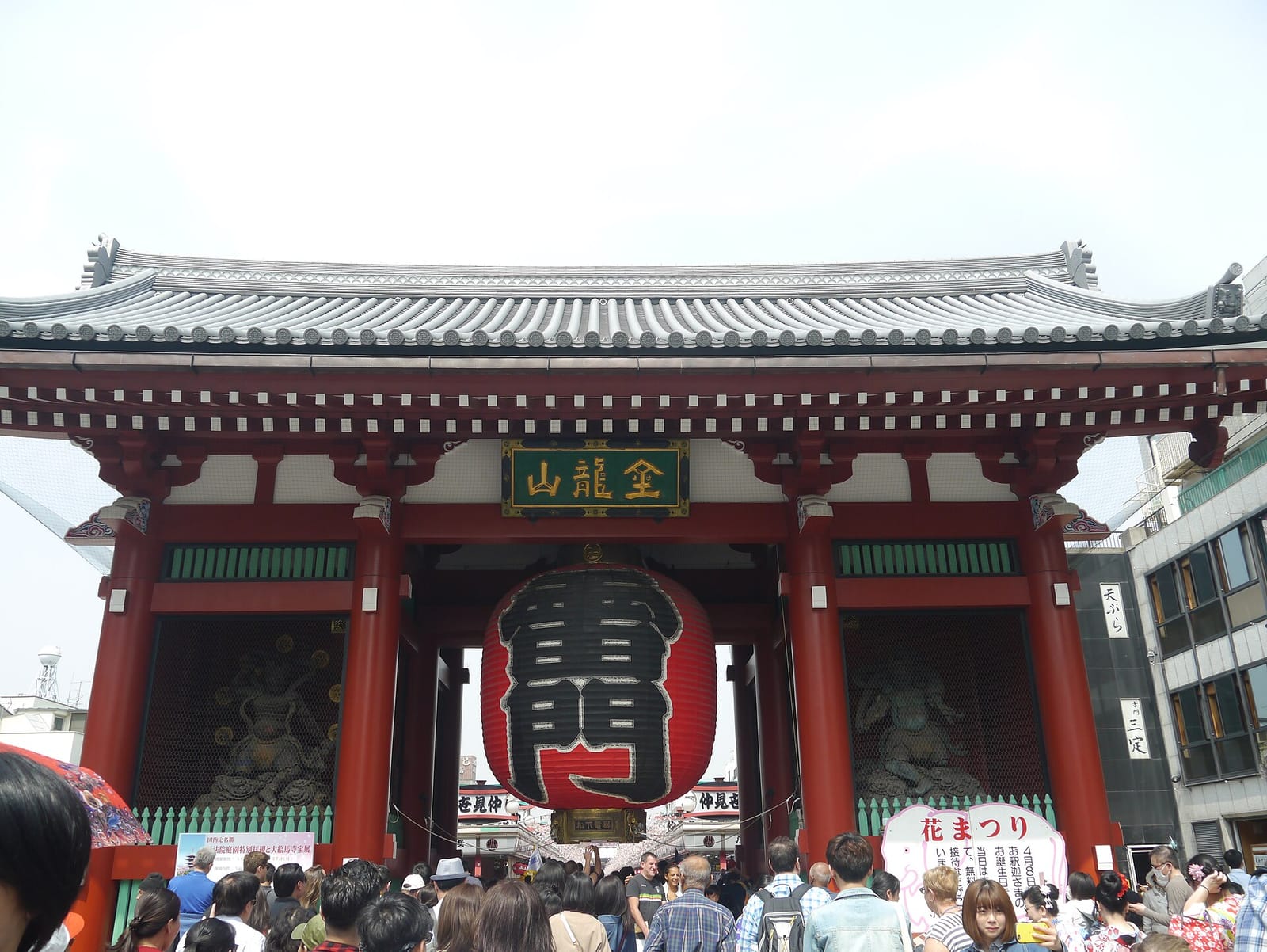
Toraya’s affordable counterpart is Funawa in Asakusa (the main shop is on Kaminarimon Street, a few minutes’ walk from Sensoji Temple), famous for more than a century for its imo yokan—a sweet-potato “jelly” bar made only from sweet potatoes, sugar, and a little salt, with no additives. It sounds almost unbelievably simple, but that simplicity is exactly what has made it a classic Tokyo autumn souvenir: a box of several bars costs around 800–1,000 yen, and you should eat them soon after buying because they contain no preservatives. A connoisseur’s tip: pan-fry them with a little butter until the edges brown. It is a luxurious “roasted sweet potato” version for an afternoon snack.
And speaking of sweet potatoes: Tokyo autumn also comes with the calls of “ishiyaki-imooo” from stone-roasted sweet-potato carts. They are increasingly rare in central Tokyo but can still be found in residential neighborhoods, beside supermarkets, or outside stations in the evening. A whole roasted sweet potato usually costs a few hundred yen; carrying one warm in your hands while strolling through the early-season chill is one of the city’s cheapest pleasures.
Autumn at Depachika: An Underground Museum of Japanese Produce
Depachika—the food floors in department-store basements—are where I always take friends first when they visit Tokyo in autumn, because nowhere else presents Japan’s harvest in such a concentrated and visually dazzling way. These are the three addresses most worth visiting:
- Isetan Shinjuku (Shinjuku-sanchome Station): considered the pinnacle of refinement, with fruit counters that look like jewelry stores.
- Mitsukoshi Nihombashi (Mitsukoshimae Station): historic and elegant, with particular strengths in wagashi and traditional gifts.
- Tobu Ikebukuro (Ikebukuro Station): among the largest in Japan, with more budget-friendly choices, ideal for buying food to actually eat rather than merely admire.
Kaki, Nashi, and “Shocking-Price” Grapes
From late September, the fruit counters shift to orange and red: kaki persimmons (Jiro and crisp, sweet Fuyu varieties) cost around 200–500 yen each depending on the type; round, heavy nashi pears include Kosui and Hosui in early autumn, followed by Niitaka varieties as large as small grapefruits later in the season, at around 300–700 yen each. The showstopper is Shine Muscat grapes—a gift-quality bunch can cost several thousand yen, but do not turn away immediately: many counters also sell small “taster” boxes or more ordinary bunches at much friendlier prices. My own strategy is to buy one persimmon, one nashi, and a small box of grapes, then peel and eat them at the hotel—a “hotel dessert” better than most buffets.
Matsutake—A Spectacle of Prices Worth Seeing
In the depachika, you will also encounter autumn’s most dramatic price display: matsutake mushrooms. Domestic matsutake (from Nagano, Iwate, and elsewhere) arranged neatly on fern leaves may be priced at several tens of thousands of yen—yes, for just a few mushrooms. Beside them, imported matsutake from China or North America may look similar and cost around 1,000–3,000 yen per tray. If you want the matsutake aroma without causing financial pain, you have two options: buy a tray of imported mushrooms and make matsutake gohan if your accommodation has a kitchen, or look for autumn menus at kaiseki and soba restaurants. Many serve dobin mushi (matsutake steamed in a small teapot) at a much more manageable price than buying a full box of domestic mushrooms.
New Rice and Autumn Sake
Two terms worth learning before entering an autumn depachika are 新米 (shinmai—new rice), which appears on rice bags and boxed meals from around September–October and produces noticeably more fragrant, sticky rice; and ひやおろし (hiyaoroshi)—sake aged through the summer, mellow and rounded, and sold only in autumn. Look for it at the liquor counters of the depachika mentioned above. A small bottle of hiyaoroshi alongside grilled sanma is a compact way to “sum up autumn” in one dinner.
Autumn Limited Menus at Chain Restaurants: Cheap, Fun, and Very Japanese
Do not assume that eating autumn foods in Tokyo requires visiting century-old shops. The major chains are what truly show how intensely the Japanese embrace the seasons—and this is the easiest part to enjoy on any budget:
- McDonald’s Japan brings out the Tsukimi Burger around early September every year—a “moon-viewing” burger with a round fried egg like a full moon, along with Tsukimi Pie. A single burger usually costs around 400–600 yen depending on the year and version; the item is associated with the otsukimi moon-viewing festival and is such a familiar “autumn signal” that Japanese media report its launch date as an event.
- Starbucks Japan almost always offers autumn frappuccinos and lattes themed around roasted sweet potatoes, chestnuts, or Halloween pumpkins, with seasonal drinks usually priced around 600–700 yen or more for a tall size. The menu changes quickly and often sells out during the first week, so if something catches your eye, try it right away.
- Mister Donut traditionally releases a sweet-potato donut collection in autumn, with each donut costing around 200 yen—perfect as a snack while strolling and viewing the leaves.
- Komeda’s Coffee and other kissaten chains often add autumn versions of their signature sweets (chestnut, sweet potato, persimmon, and other flavors). As for konbini, they need no introduction: from around September, the sweet shelves at 7-Eleven, Lawson, and FamilyMart fill with mont blanc puddings and kuri cakes, while steaming oden counters begin operating—a sure sign that the year has entered autumn.
The words to remember when hunting for these items are 季節限定 (kisetsu gentei—seasonal limited edition) and 秋限定 (aki gentei—autumn limited edition). When you see either phrase on packaging or a menu, there is a good chance the item is worth trying—and it will certainly disappear after a few weeks.
A Perfect One-Day “Autumn Food” Itinerary in Tokyo
If you have only one day, this is the route I often recommend: start in Yanaka with a mont blanc at Waguriya, then stroll through the old neighborhood; have a grilled-sanma set at any teishoku restaurant for lunch; spend the afternoon “visiting” the Isetan Shinjuku depachika, buying kaki and nashi and admiring the matsutake prices; stop by Starbucks or a konbini for a handheld aki gentei snack; and finish the evening at an izakaya with sanma, new-rice dishes, and a glass of hiyaoroshi. You can fit the food portion into around 5,000–7,000 yen while experiencing almost the whole of Japan’s autumn—in a single city.
Tokyo’s autumn is as short and fleeting as its maple leaves: one item has barely appeared on the shelves before another is already out of season. So if you are in Tokyo from September to November, do not put it off—the plumpest sanma, the most fragrant chestnuts, and the smoothest bottle of hiyaoroshi will not wait for anyone. And if you are planning to fly over during this season, the itineraries in OlaChill’s Japan tour collection can help you combine seasonal eating and autumn-leaf viewing in one neatly planned trip.
Frequently Asked Questions
What exact date does the Meguro sanma festival take place?
There is no fixed date: Meguro no Sanma Matsuri usually falls on a Sunday in early or mid-September, while Meguro Ward’s festival takes place around one to two weeks later. The specific date and fish-distribution format (queuing or lottery) change each year, so check the organizers’ or ward’s official website before your trip.
Where can I eat sanma if I am not visiting during the festival?
From mid-September through the end of October, most izakaya and teishoku restaurants in Tokyo offer salt-grilled sanma on their seasonal menus, with a set usually costing around 1,000–1,500 yen. Chains such as Yayoiken also release a sanma set every year—convenient, consistent, and queue-free.
Matsutake is so expensive. Is there an affordable way to try it?
Yes. Pick up imported matsutake at a depachika (around 1,000–3,000 yen per tray) and cook matsutake rice if your accommodation has a kitchen, or order dobin mushi—matsutake steamed in a teapot with dashi—at a kaiseki or soba restaurant in autumn. You get nearly all the mushroom’s aroma at a much lower cost than buying a full box of domestic mushrooms.
Do I need to buy anything at a depachika, or can I just look around?
Feel free to browse—no one will mind. Japanese people also treat depachika as places to “see the season.” But here is my sincere advice: buy at least one persimmon or a small box of grapes to try at your hotel. Fruit at its peak in Japan is far more delicious than most of us imagine, and it is the cheapest way to understand why Japanese people are willing to pay so much for the two words “shun.”
When do chain restaurants’ autumn menus start and end?
Most launch from late August to early September (McDonald’s Tsukimi Burger and Starbucks’ autumn drinks) and gradually withdraw from late October into November to make way for Christmas menus. Popular items may sell out earlier than expected, so if you see the words “aki gentei” and like the sound of something, do not wait until tomorrow.