Tanabata Festival – The Star-Crossed Legend Behind Japan's Milky Way Celebration
Everything you need to know about Tanabata before you go — the myth, the best festivals, and practical tips for visiting Japan's most poetic summer celebration.
Jan 20, 2026·✍️ olablog·⏱ 6 min read
Everything you need to know about Tanabata before you go — the myth, the best festivals, and practical tips for visiting Japan's most poetic summer celebration.
If I had to pick one Japanese summer festival to recommend to first-time visitors, it wouldn't be a fireworks show or a rowdy street party — it would be Tanabata, the Star Festival. Less flashy than Hanabi (summer fireworks), less chaotic than a big-city matsuri, Tanabata has something rarer: genuine romance. It's poetic, quietly beautiful, and built around one of the most heartbreaking love stories you've never heard of.
The Legend at the Heart of Tanabata
Tanabata (七夕) traces its roots to a Chinese folktale about two stars separated by the Milky Way. Japan adopted the story during the Nara period and made it entirely its own. The short version: Orihime (a weaving princess, represented by the star Vega) and Hikoboshi (a cowherd, represented by Altair) fell so madly in love that they neglected their duties. The Sky King — think of him as a very stern father-in-law — punished them by splitting them apart across Amanogawa, the "Heavenly River," aka the Milky Way.
Once a year, on the seventh night of the seventh month, a flock of magpies forms a bridge across the galaxy so the two can reunite. And according to tradition, if the sky is clear that night, wishes written on tanzaku (colorful strips of paper) and hung from bamboo branches will be carried up to the stars.
I still remember the first time I wrote a tanzaku in Sendai. I stood there for a full minute, not sure what to wish for. Eventually I went with something honest — and somehow it felt just as heard as anyone else's.
When and Where Does Tanabata Happen?
Here's the part that trips up a lot of first-timers: there's no single Tanabata date. Different cities celebrate at different times, and the scale varies wildly.
| Location | Dates | What makes it special |
|---|---|---|
| Most of Japan | July 7 | Gregorian calendar; smaller, local celebrations |
| Sendai (Miyagi) | Aug 6–8 | Biggest in Japan; draws 3 million visitors |
| Hiratsuka (Kanagawa) | Early July | Largest Tanabata in the Kanto region |
| Asagaya (Tokyo) | Early August | Famous for enormous papier-mâché decorations |
| Anjo (Aichi) | Early August | Major festival for the Tokai region |
If you can only do Tanabata once in your life, make it Sendai Tanabata Matsuri — the grandest, most visually stunning version of the festival in the entire country.
Sendai Tanabata Matsuri — Ground Zero for the Star Festival
Sendai is the largest city in the Tōhoku region, about 90 minutes north of Tokyo on the Hayabusa Shinkansen (around $50–55 one-way, or covered by the JR Pass). The city's Tanabata tradition dates back to the 17th-century feudal lord Date Masamune, which means it carries serious historical and artistic weight — not just festival kitsch.
What you'll actually see in Sendai
- Giant kusudama balls: Thousands of handcrafted washi paper spheres — some standing 10–15 feet tall — strung along the covered shopping arcades of Ichibancho and Chuo-dori. Nothing else in Japan looks quite like this.
- Seven traditional decorations (Nanatsu Kazari): Each ornament carries a specific meaning — tanzaku for wishes, kamigoromo for good health, orizuru (paper cranes) for longevity, kinchaku for prosperity, and more.
- Opening night fireworks (Aug 5): Around 16,000 shells launched from the banks of the Hirose River — one of the best Hanabi displays in the Tōhoku region.
- Street food along Kotodai Park: Don't leave without trying gyutan (grilled beef tongue, Sendai's signature dish), zunda mochi (rice cakes topped with sweet edamame paste), and an ice-cold Sapporo.
A suggested 2-day Sendai itinerary
Day 1 — Arrive in Sendai
- Morning: Shinkansen from Tokyo to Sendai Station (~90 min)
- Lunch: Gyutan set at Rikyu or Kisuke (~$13–14/person)
- Afternoon: Stroll Ichibancho arcade to admire the kusudama; write a tanzaku (free at many spots along the route)
- Evening: Catch the fireworks if you're there on Aug 5, or explore the izakayas of the Kokubuncho nightlife district
Day 2 — Matsushima day trip, then back to Tokyo
- Morning: JR Senseki Line to Matsushima (~40 min) — one of Japan's "Three Views" and genuinely worth the detour
- Lunch: Grilled oysters at the Matsushima harbor stalls
- Afternoon: Return to Sendai; pick up omiyage (zunda mochi, sasa kamaboko fish cakes) at the station
- Evening: Shinkansen back to Tokyo
Practical Tips for Visiting Tanabata
August in Japan is no joke. Here's what actually matters:
- Book accommodation 2–3 months out: Sendai sells out fast during Tanabata. Hotel prices roughly double compared to off-peak (expect $55–100/night for a decent 3-star). Don't leave this to the last minute.
- Get the JR East Tohoku Area Pass (~$200, valid 5 days): Excellent value if you're combining Sendai with Matsushima, Yamadera, or a trip up to Aomori.
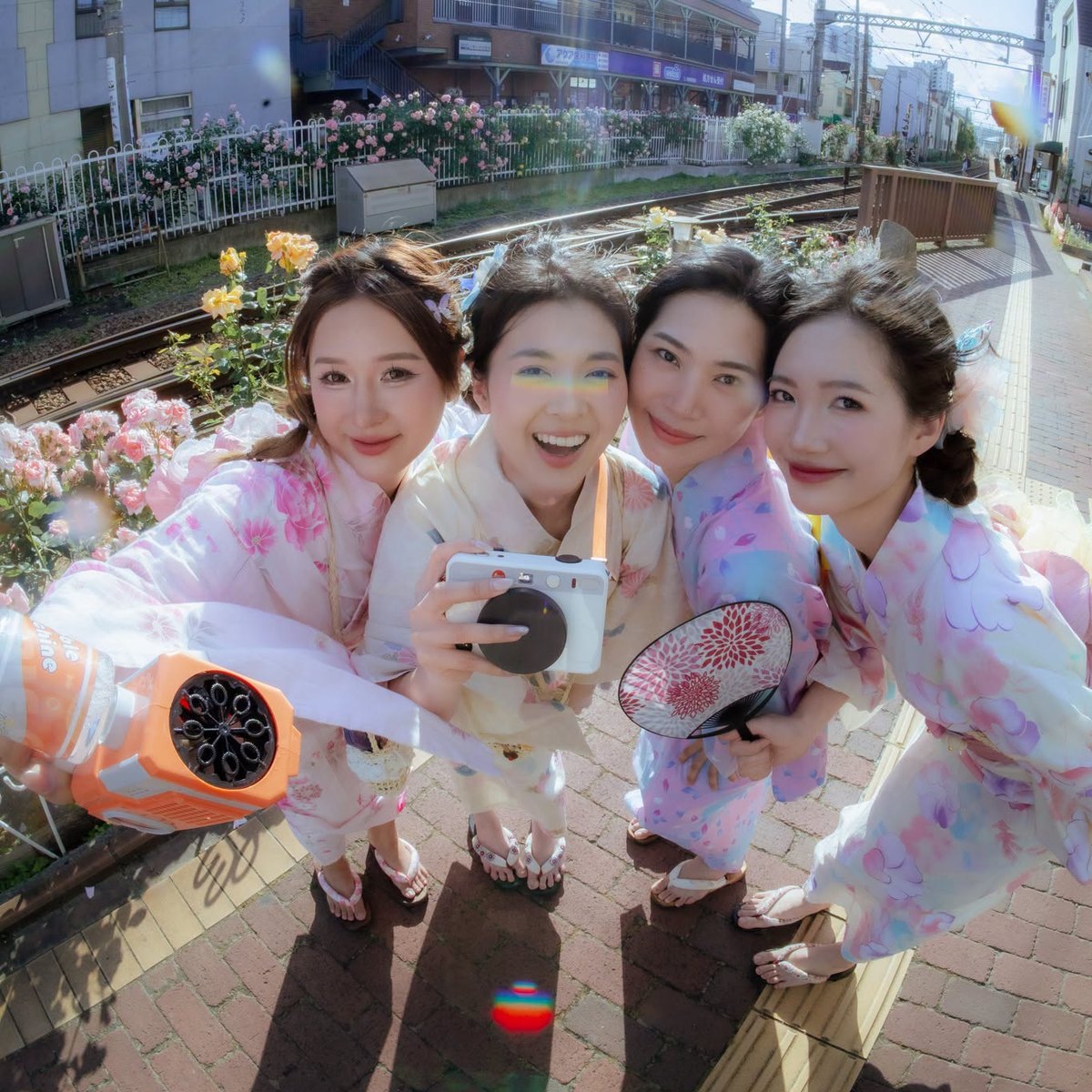
- Rent a yukata: Dozens of shops in Sendai offer yukata rental for around $20–33/day — it transforms the festival experience. Check out OlaChill's kimono & yukata rental guide if you want to arrange it in advance.
- Wear comfortable shoes: You will walk all day. Geta (traditional wooden sandals) look great in photos and destroy your feet in real life. Trust me on this one.
- Prepare for genuine heat: August in Sendai runs 86–91°F with high humidity — think a swampy Washington D.C. in July. Bring a handheld fan, a small towel, and stay hydrated. Vending machines with cold drinks are everywhere (~$1 each).
- Get a SIM or eSIM before you go: You'll constantly need maps, restaurant reservations, and train timetables. Offline maps won't cut it. See OlaChill's Japan travel eSIM guide to sort this out before you leave home.
Tanabata Is More Than Just a Festival
What I love most about Tanabata isn't the paper decorations or the spectacle of the kusudama. It's the moment when you're standing in a crowd at dusk, tilting your head back toward the sky, and genuinely wondering whether Orihime and Hikoboshi get to meet again this year. The Japanese call that feeling mono no aware — a quiet, bittersweet awareness of the fleeting beauty of things. It doesn't translate perfectly, but you'll feel it.
If your Japan trip falls in early July or August, don't skip this one. Write a tanzaku, tie it to a bamboo branch, and let your wish float up toward the Milky Way. It's the kind of memory that no photo quite captures.
⛩️ May your tanzaku wish come true.