Tattoos and Kimono Rental in Japan: What Shops Allow and How to Cover Up
Tattoos and kimono rental in Japan: why a kimono covers most tattoos, where it does not (hands, neck, feet), how shops and temples treat ink, and cover-ups.
Sep 14, 2026·✍️ olablog·⏱ 6 min read
Tattoos and kimono rental in Japan: why a kimono covers most tattoos, where it does not (hands, neck, feet), how shops and temples treat ink, and cover-ups.
Tattoos are not a barrier to renting a kimono. OlaChill's shops in Tokyo Asakusa and Kyoto Kiyomizu dress tattooed guests every week, and a kimono is, in practical terms, the most covering garment you can wear in Japan: long sleeves, a collar, a hem at the ankle. The questions that remain are about the few places a kimono does not cover, about how other places (onsen, some pools, a few private venues) treat visible ink, and about what to do if you would rather not have a tattoo in the photos. This guide answers them plainly.
Where a kimono covers and where it does not
| Body area | Kimono | Yukata | Note |
|---|---|---|---|
| Upper arm, shoulder, back, chest, torso, thigh | Covered | Covered | Fully hidden under the layers |
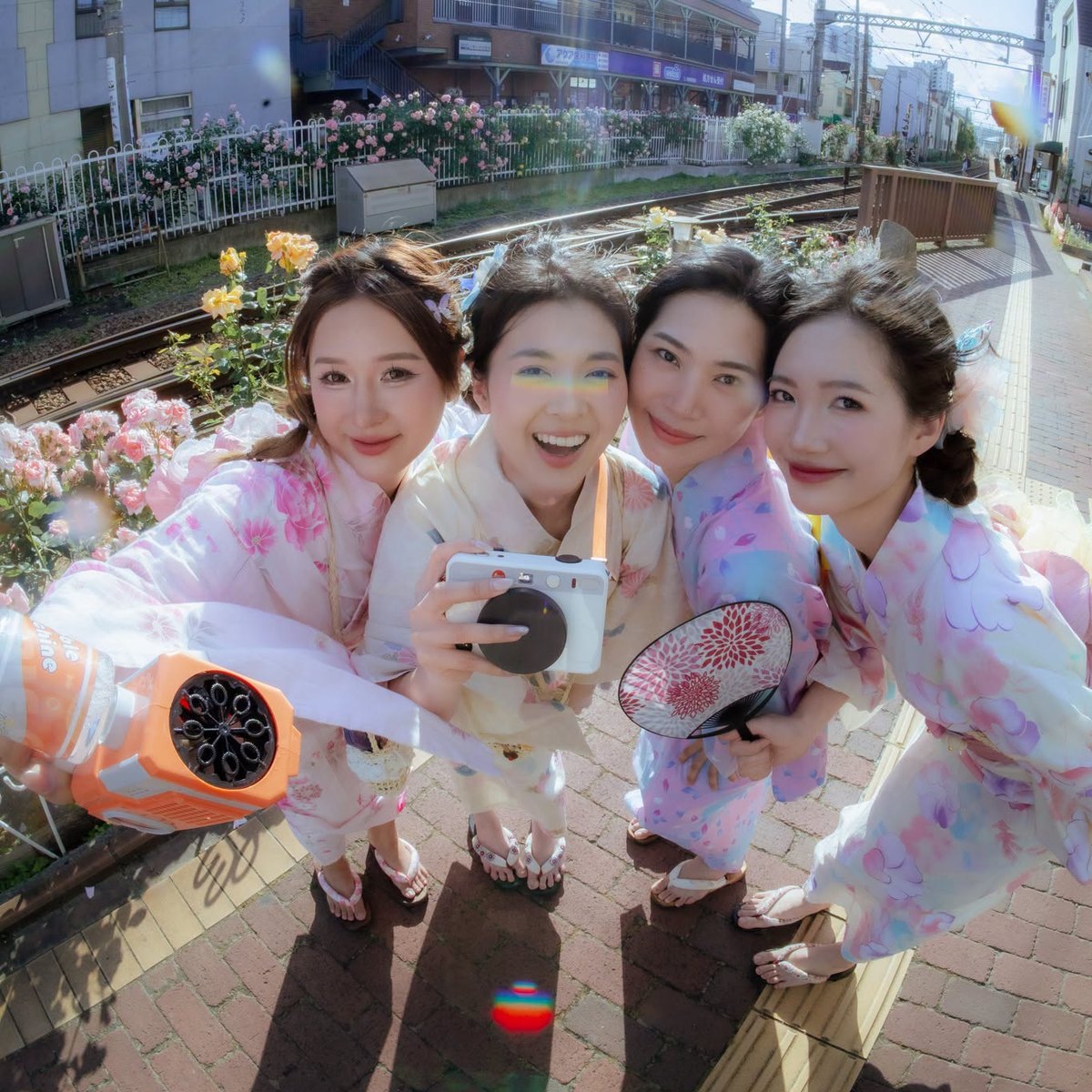
| Forearm | Covered when the arm hangs; shows when you raise the arm | Same | The sleeve opening is wide; a raised arm shows to the elbow |
| Hand and wrist | Visible | Visible | The sleeve ends at the wrist |
| Neck, behind the ear | Visible | Visible | The collar is worn back from the nape, which exposes the neck more than a shirt does |
| Ankle and top of the foot | Partly visible | Visible | Tabi socks cover the foot to the ankle; geta with yukata are worn barefoot |
| Lower leg | Covered | Covered | The hem is at the ankle; a yukata hem is the same |
In other words: a full sleeve is hidden until you wave, a neck tattoo is on show, and a foot tattoo is visible with yukata and hidden with kimono and tabi.
What rental shops and public places actually do
Kimono rental shops. OlaChill's shops have no tattoo rule. The dresser sees what you have while dressing you and says nothing; it is a normal part of the job. If you want a particular tattoo covered in photos, tell the dresser and they will choose the collar height and sleeve set accordingly.
Temples and shrines. No rules on tattoos for visitors. Sensoji, Kiyomizu-dera, Fushimi Inari and the rest see thousands of tattooed visitors a day.
Festivals. The mikoshi carriers at Sanja Matsuri in Asakusa famously show full-body tattoos; see our Sanja Matsuri guide. Nobody in a festival crowd will look twice at a wrist.
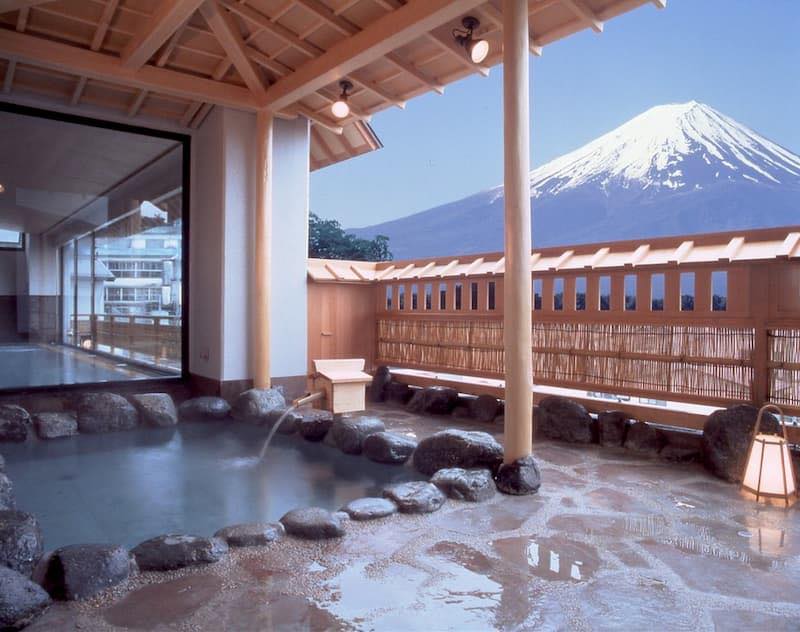
Onsen, public baths, some pools and gyms. This is where Japan still has rules: many onsen refuse visible tattoos, some allow small ones covered with a patch, and a growing number are tattoo-friendly. It has nothing to do with kimono, but if your day ends at a bath (with next-day return, ¥1,100, you can), check the bath's policy first.
Restaurants, trains, shops, hotels. No issue.
Cover-up options if you want them
- Skin-tone tattoo cover patches (sold at drugstores; ask for "tattoo cover seal"). Good for a wrist, hand or neck piece up to about 10 cm. Apply before dressing.
- Long gloves or arm covers. Lace or plain arm covers under the sleeve are a summer accessory in Japan and hide the forearm and hand. They photograph fine with a kimono; less well with a yukata.
- Collar height. Ask the dresser to set the collar closer to the nape; it costs the classic neck line but covers more.
- Tabi and zori instead of barefoot geta. With a yukata, ask for tabi; a foot tattoo disappears.
- A shawl or haori. In cool months, the shop's haori covers the hands when you hold the front closed.
- Choosing the shot. Arms down, hands in the sleeves or holding a fan or parasol, and most of the visible ink is out of frame anyway.
If you would rather show it
Plenty of guests do, and a Japanese-style tattoo against a kimono sleeve is a strong photograph. There is no etiquette against it in the street or at a temple. The only setting where discretion is expected is a formal one: a tea ceremony, a private garden visit, a restaurant with a dress code. Sleeves down in those rooms.
Plan your day
- Decide whether you want the tattoo covered in photos; if yes, buy cover patches or arm covers the day before (any drugstore).
- Tell the dresser at check-in; collar and sleeves are set to suit.
- Choose kimono over yukata if a foot or ankle tattoo matters to you; choose tabi with yukata otherwise.
- Check any onsen or pool's policy separately if the day ends there.
Checklist
- Cover patches or arm covers, if wanted
- A note to the dresser at check-in
- Tabi with yukata for foot tattoos
- Onsen policy checked, if relevant
FAQ
Will the shop refuse me for a large tattoo? No. OlaChill's shops dress guests regardless of tattoos.
Is it rude to show a tattoo in a temple in kimono? No. Visitors are not subject to the old associations; temples do not police it. Be discreet in formal private settings.
Can I wear a kimono to an onsen town and still bathe? Kimono for the town, yes; bathing depends on the bath's own rule, not the kimono. Many towns now list tattoo-friendly baths.
Do the patches show in photos? A well-matched patch on the wrist is invisible at normal distance; on the neck it can show in close-up. Arm covers are the cleaner solution for the forearm.
Does a tattoo affect what to wear underneath? No; the same rules apply, see what to wear under a rental kimono.
Book without worrying about it
Reserve at the Tokyo Asakusa shop or the Kyoto Kiyomizu shop, add a note if you want anything covered, and see the kimono-wearing rules guide for the rest of the etiquette. All styles are on the kimono rental page.