Solo Tokyo in 3 Days — A Flexible Itinerary for Solo Travelers
A 3-day Tokyo itinerary for solo travelers: morning markets and temples, afternoon museums, and evenings wandering through yokocho alleys — plus tips for choosing counter-seat restaurants for 1 person.
Aug 8, 2026·✍️ olablog·⏱ 6 min read
A 3-day Tokyo itinerary for solo travelers: morning markets and temples, afternoon museums, and evenings wandering through yokocho alleys — plus tips for choosing counter-seat restaurants for 1 person.
Tap a region to browse articles
Tokyo may well be the easiest major city in the world to explore alone. No one looks at you strangely for eating ramen by yourself at 11 p.m., the trains take you everywhere without having to negotiate with anyone, and every neighborhood is its own world—more than enough to fill an entire day. The best thing about solo travel in Tokyo is that the rhythm is entirely yours: you can get up at 6 a.m. to visit a fish market, or sleep until noon and then wander through museums—no one has to wait for anyone else. The 3-day itinerary below is designed around exactly that rhythm: markets and temples in the morning, museums or neighborhoods in the afternoon, and yokocho alleys in the evening.
The solo travel rhythm: early mornings are golden
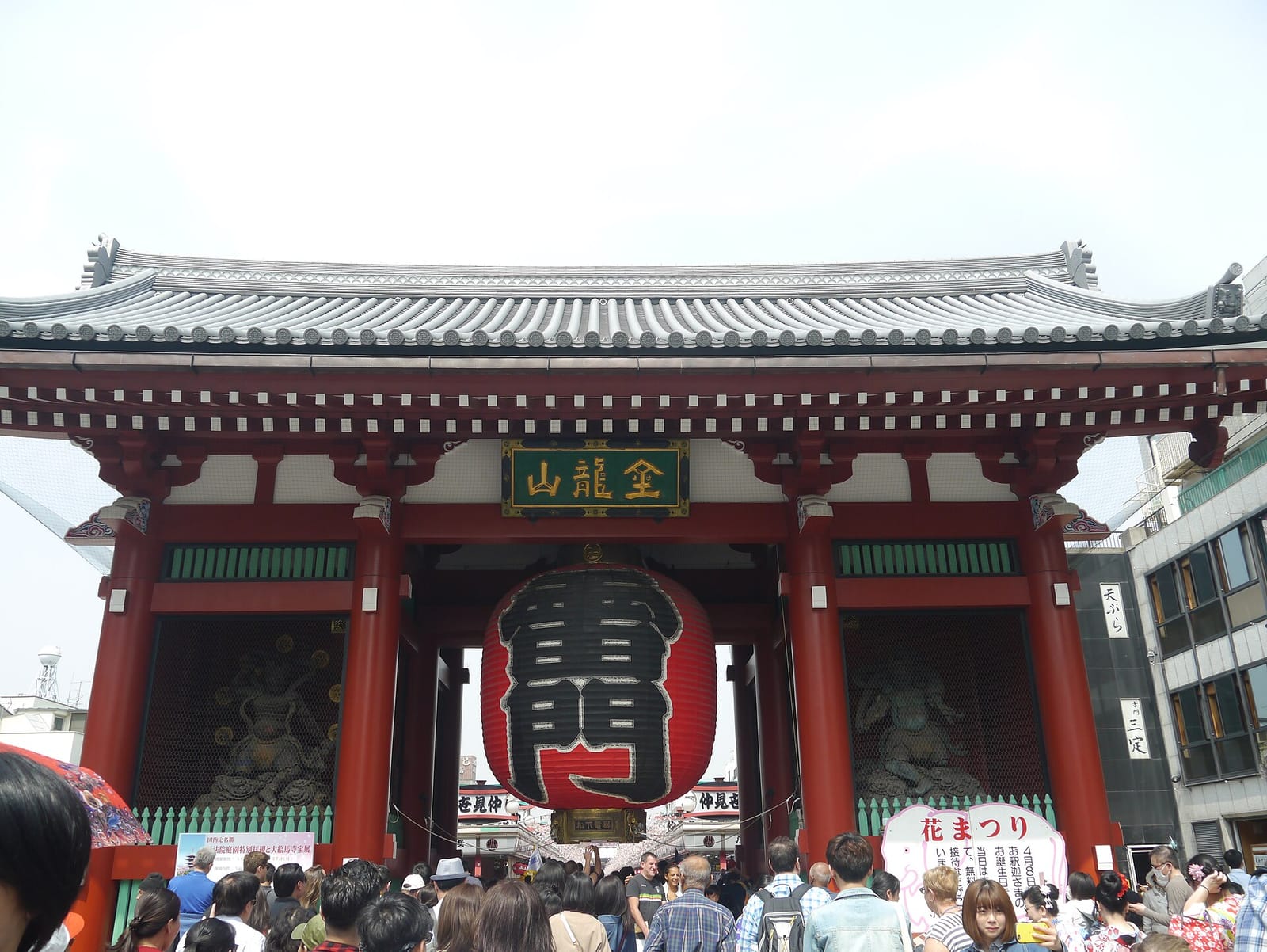
Before getting into the itinerary, here’s one important secret: solo travelers have a huge advantage in the early morning. There’s no waiting for anyone to get ready and no need to agree on a breakfast time—you can be standing in front of Senso-ji’s gate at 7 a.m. while the temple grounds are still quiet, something large groups almost never manage to do. Schedule all the “hot” spots for 7–9 a.m., save the afternoon for places that don’t suffer as much from crowds, such as museums, and keep the evenings for food.
For getting around, load a Suica/PASMO onto your phone; traveling around Tokyo costs about 800–1.200 yen per day. Stay in Ueno, Asakusa, or Shinjuku for convenient train access.
Day 1: Asakusa — Ueno — Shinjuku at night

Morning: Arrive at Senso-ji (Asakusa) before 8 a.m. Walk through Kaminarimon Gate and along Nakamise-dori as the stalls are just opening, then draw an omikuji fortune. It’s a quintessentially “solo” experience: just you, the incense smoke, and the sound of the bells. Afterward, have a market-style breakfast at one of the ningyo-yaki pastry stalls around the temple.
Afternoon: Take the train to Ueno. Ueno Park is home to a whole cluster of museums—Tokyo National Museum (around 1.000 yen) is the top choice if you’re visiting only one. Going to a museum alone is a quiet pleasure few people talk about: you can stand in front of a painting for 20 minutes without anyone rushing you. Before leaving Ueno, browse Ameyoko market for snacks and small purchases.
Evening: Head back to Shinjuku and duck into Omoide Yokocho, a narrow alley packed with hundreds of tiny yakitori restaurants, most with only 6–8 counter seats. This is a solo diner’s paradise: sit at the counter, order a few chicken skewers and a glass of beer, and watch the chef grill everything right in front of you. A filling meal costs around 1.500–2.500 yen.
Day 2: Meiji Jingu — Harajuku — Shibuya
Morning: Meiji Jingu Shrine opens at sunrise. The tree-lined approach to the shrine is so quiet at 7–8 a.m. that it’s hard to believe you’re in the middle of Tokyo. When you’re alone, you can actually hear the gravel crunching beneath your feet—something people in groups rarely notice.
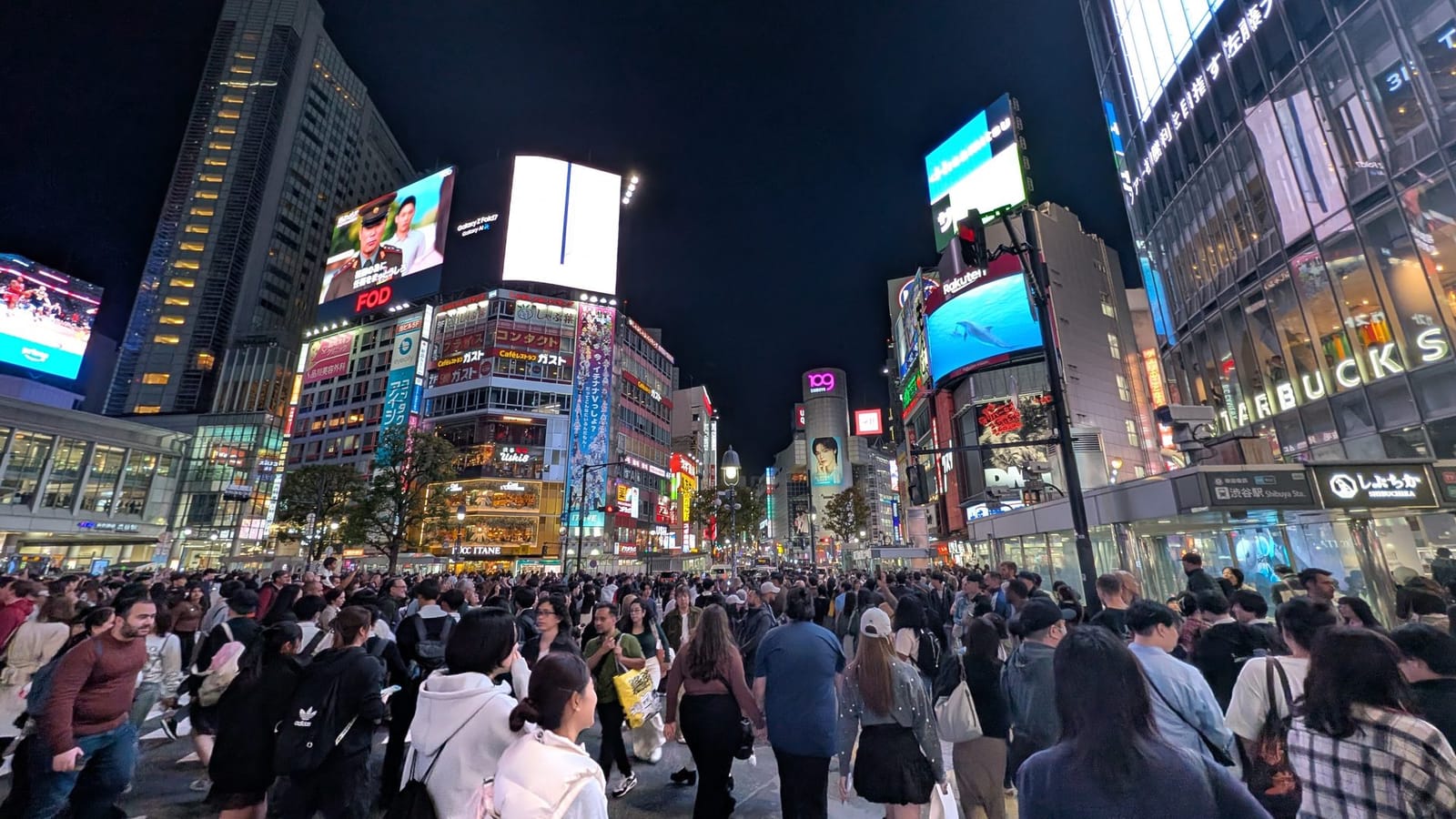
Afternoon: Walk from the shrine to Harajuku (Takeshita Street and Cat Street), then continue down to Shibuya. If you’re in the mood for an afternoon museum visit, Nezu Museum in Omotesando has a beautiful Japanese garden behind it. Alternatively, head up to Shibuya Sky for sunset (booking in advance is recommended, around 2.200–2.500 yen).
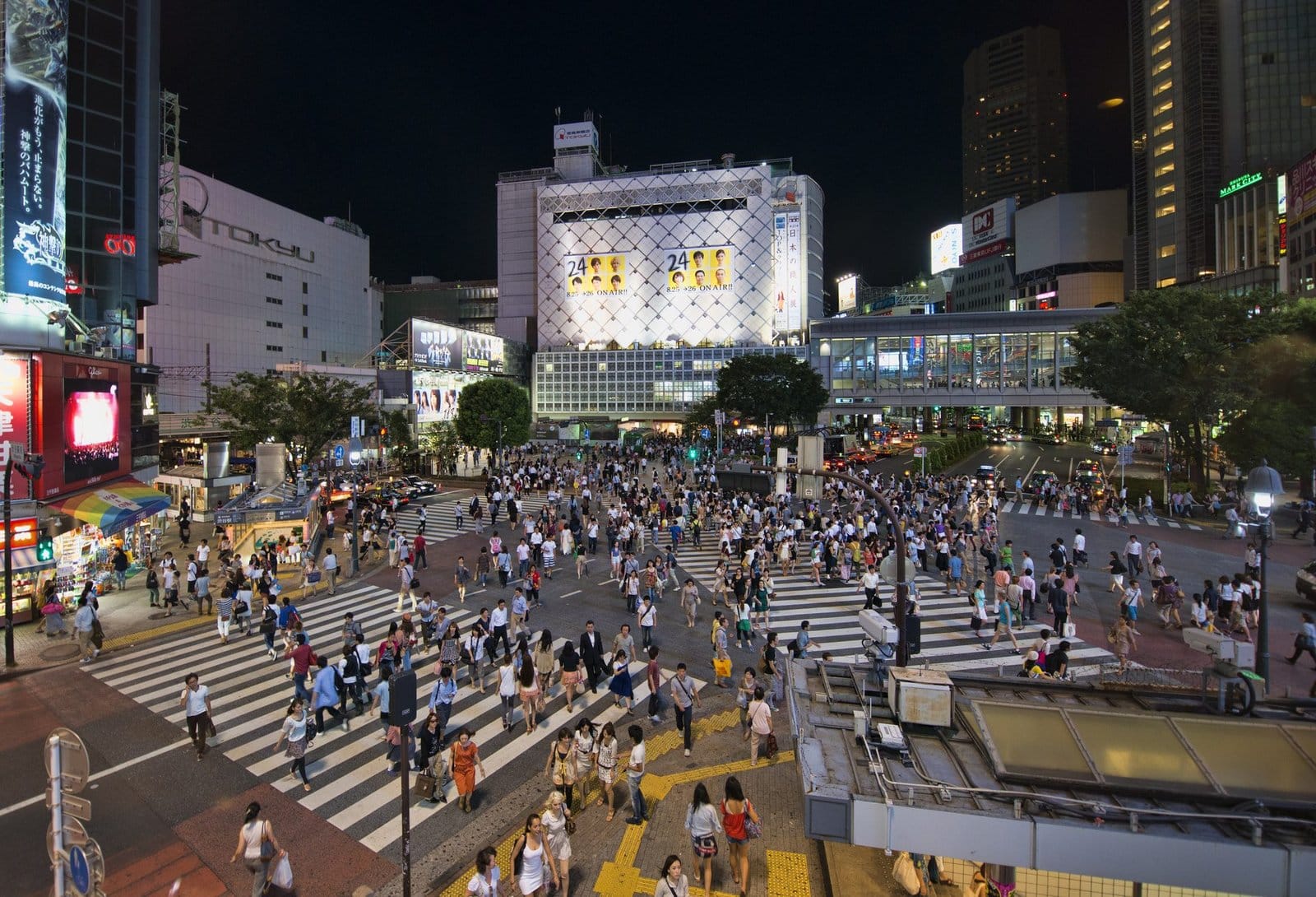
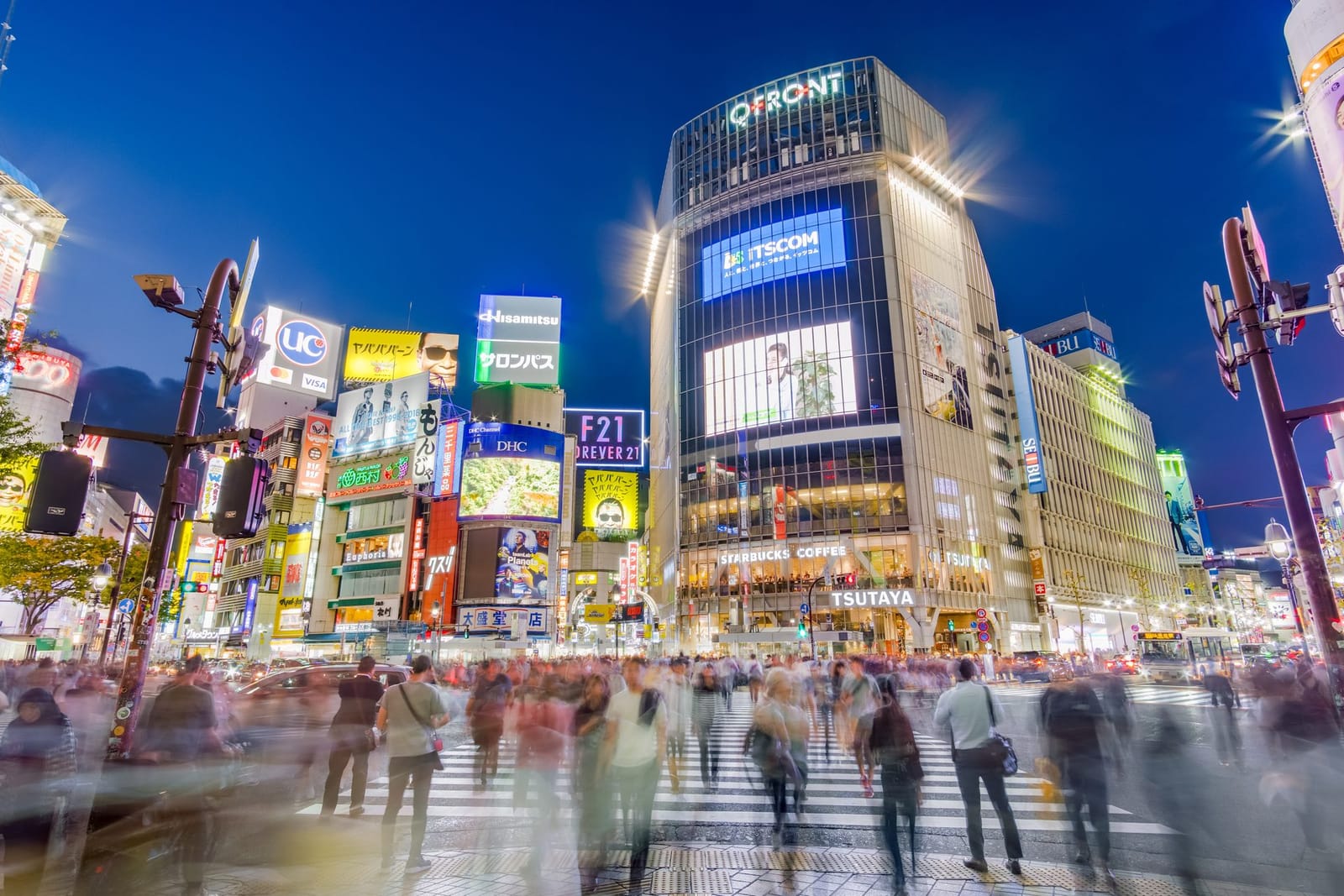
Evening: Nonbei Yokocho (“Drunkard’s Alley”) sits right beside Shibuya Station—a row of tiny matchbox-sized, two-story bars, each seating only 5–7 people. Bar owners and regulars often strike up conversations with solo visitors, making this one of the easiest places in Tokyo to have an unexpected chat. Don’t drink? The kaiten sushi restaurants around Shibuya Station are always happy to welcome solo diners.
Day 3: Tsukiji Market — Ginza or Kiyosumi — a spontaneous final night
Morning: Get up early one last time for the Tsukiji Outer Market. The 7–9 a.m. window is ideal: enjoy a market-style breakfast as you wander around—hot tamagoyaki rolled omelets, sushi at standing counters, and grilled oysters. Eating alone at a market is the perfect approach: try one dish at each stall without having to split anything with anyone.
Afternoon: Choose based on your mood. For peace and quiet, head to Kiyosumi Teien, a serene and beautiful landscape garden east of the Sumida River, with the Museum of Contemporary Art Tokyo (MOT) nearby. For city streets, walk around Ginza, stopping at Itoya (a 12-story stationery store) and the Uniqlo flagship store.
Evening: The final night doesn’t need a plan. A seasoned traveler’s suggestion: return to the neighborhood you liked most over the previous 2 days. Solo travel lets you do exactly that—no need to put it to a vote.
Tips for choosing restaurants for solo diners
- Look for the word “カウンター” (counter): restaurants with counter seating are always comfortable with solo diners. Ramen, sushi, yakitori, and tempura—all of these dishes were practically made for counter seating.
- Ticket vending machines at the entrance: ramen shops with meal-ticket machines are the easiest option for anyone nervous about communicating—press a button, hand over the ticket, and you don’t need to say a word.
- Solo-friendly chains: Ichiran (private booth for each diner), Yoshinoya, Matsuya, and CoCo Ichibanya—all treat eating alone as the default.
- Avoid large, group-oriented izakaya on weekend evenings; choose a yokocho or tachinomi (standing bar) instead.
Conclusion: Tokyo is yours
Three days of solo travel in Tokyo isn’t just about “seeing the sights”—it’s the best way to experience this city. Tokyo was practically built for people on their own, from counter seats in ramen shops to private karaoke booths. Take it slowly, get up early, and let the evening lead the way.
Want to extend your trip to Kyoto, Osaka, or Mount Fuji? Check out OlaChill’s flexible Japan tours, or read more travel tips on the OlaChill blog—including a 2-day Kyoto itinerary made specifically for solo travelers.