
Hatsumode by Charter Bus: A Smoother New Year Shrine Visit for Groups
Plan a comfortable New Year shrine visit in Japan with a 26–29-seat charter bus, smart departure times, and practical crowd-avoidance tips.
Aug 21, 2026·✍️ olablog·⏱ 9 min read
Plan a comfortable New Year shrine visit in Japan with a 26–29-seat charter bus, smart departure times, and practical crowd-avoidance tips.
Make New Year’s Shrine Visits Easier for Your Group
Hatsumode—the first shrine or temple visit of the year—is one of Japan’s most meaningful seasonal traditions. People visit to pray for health, happiness, success, and good fortune, often collecting a new omamori charm or drawing an omikuji fortune slip.
For international groups, hatsumode can also be one of the most memorable experiences of a Japan trip. The atmosphere is lively but respectful, with lanterns, food stalls, temple bells, and people dressed in everything from winter coats to formal kimono.
The challenge is getting everyone there together. Popular shrines and temples become extremely crowded around midnight on New Year’s Eve and throughout New Year’s Day. Roads may be restricted, parking areas can close, and trains may require long walks or several transfers.
A 26–29-seat Toyota Coaster-class minibus offers a practical solution for families, wedding groups, school groups, and corporate travelers who want to visit together without navigating late-night transport separately.
Which Shrines and Temples Work Well for Groups?
Not every famous spiritual site is equally suitable for a group bus. The best choice depends on your starting point, the time of your visit, walking tolerance, and whether you prefer a major landmark or a calmer local atmosphere.
Meiji Jingu, Tokyo
Meiji Jingu is one of Japan’s best-known hatsumode destinations. Its forested approach and central Tokyo location make it attractive to first-time visitors, but it is also among the busiest choices.
A charter bus may not be able to drive directly to the main entrance during peak hours. Traffic controls and pedestrian-only areas are common around major New Year crowds. Your driver can drop the group at an approved nearby point, then arrange a practical meeting location for the return journey.
Meiji Jingu is best for groups that want a famous Tokyo experience and are comfortable with a substantial amount of walking and waiting.
Kawasaki Daishi, Kanagawa
Kawasaki Daishi is a popular temple for New Year visits and is known for its long approach lined with shops and food stalls. It can be enjoyable for groups who want to combine prayer with casual local sightseeing.
The surrounding streets are often busy, especially during the first days of the year. A minibus is useful for keeping the group together before and after the visit, but the final approach may need to be completed on foot.
Fushimi Inari Taisha, Kyoto
Fushimi Inari is open throughout the year and is famous for its thousands of vermilion torii gates. Its popularity means that the area around the shrine can become very congested during the holiday period.
A group bus helps simplify the journey from a hotel or a nearby city, but it does not eliminate the need to walk from the designated drop-off area. If your group includes older travelers or young children, discuss the walking plan in advance.
Sumiyoshi Taisha, Osaka
Sumiyoshi Taisha is a significant shrine in Osaka and a traditional choice for hatsumode. Its historic architecture and festive New Year atmosphere appeal to travelers who want a cultural experience outside the most familiar tourist routes.
As with other major shrines, surrounding roads may be restricted. A charter itinerary should include extra time for traffic, pedestrian movement, and a clearly agreed meeting point.
Local Shrines Near Your Accommodation
A smaller neighborhood shrine may be the better option for some groups. Local sites can offer a quieter and more relaxed experience, with shorter queues and simpler access.
Your Japanese operator or travel planner can help identify a suitable shrine near your hotel. This is often a smart choice when your group has limited time, mobility concerns, or a preference for a less crowded visit.
Comparing Hatsumode Options for Group Travel
| Destination type | Atmosphere | Bus access around New Year | Best for |
|---|---|---|---|
| Major shrine in a city center | Energetic, iconic, very busy | Often limited near peak hours | First-time visitors and groups seeking famous landmarks |
| Historic temple with a shopping approach | Festive and social | Drop-off may be several minutes away on foot | Groups combining prayer with food and shopping |
| Mountain or suburban shrine | Scenic and traditional | Access varies by road and weather | Groups wanting a slower cultural experience |
| Local neighborhood shrine | Calm and personal | Usually easier, but still subject to local rules | Families, older travelers, and shorter itineraries |
Road Closures and Drop-Off Planning
Road controls are one of the most important considerations for a New Year charter. Police and local authorities may restrict vehicle access around major shrines and temples to protect pedestrians. The exact arrangements can change by destination, crowd level, and time of day.
This means a bus may not be able to stop at the entrance shown on a map. Instead, the driver may use an authorized roadside location farther away, followed by a walk to the shrine.
Before departure, confirm:
- The planned drop-off and pick-up points
- How far the group may need to walk
- A precise meeting time and location
- What to do if the group is separated
- Whether luggage will remain on the bus
- A backup plan if traffic controls change
A licensed Japanese operator is particularly valuable during this period. Drivers understand local road layouts, temporary restrictions, and the practical difference between a location that appears close on a map and one that is easy for a large group to reach.
Leaving on New Year’s Eve
Many groups choose to depart late on December 31 so they can arrive before midnight or during the first hours of the new year. This can create a special atmosphere, but it also requires careful planning.
The roads may be quieter in some areas, while access near the most popular sites becomes more difficult. Major attractions can have long queues, crowded approaches, and limited restroom access. A late-night itinerary should not be treated like an ordinary sightseeing transfer.
Plan for:
- Warm clothing, including gloves and comfortable walking shoes
- A meeting point that is easy to recognize in a crowd
- Restroom stops before reaching the shrine area
- Snacks and water, especially for children
- Extra time for security, queues, and pedestrian diversions
- A clear return plan after the visit
Some travelers prefer to visit after the first rush, such as during the morning or afternoon of New Year’s Day, or a few days later. This usually provides a more manageable experience while preserving the meaning of hatsumode.
Why a 26–29-Seat Toyota Coaster-Class Bus Fits
The 26–29-seat minibus category is well suited to medium-sized groups. It offers more space and comfort than several taxis or rental cars while remaining easier to coordinate than a full-size coach.
Typical advantages include:
- One vehicle for the whole group
- A professional driver familiar with Japanese roads
- Easier communication for airport, hotel, and shrine transfers
- Space for day bags and winter clothing
- Comfortable seating for family or mixed-age groups
- A flexible itinerary with planned waiting time
This vehicle is especially convenient when your group includes travelers who do not want to manage train transfers at night. It also reduces the risk of people arriving at different entrances or missing the final departure.
The bus cannot bypass pedestrian restrictions, and it may not park beside the shrine. Its main benefit is reliable group coordination before the final walk and after the visit.
Budgeting for a New Year Charter
New Year demand, late-night departures, extended waiting, driver schedules, tolls, and parking arrangements can all affect the cost. OlaChill's standard buses are 29 seats ¥69,000, 45 seats ¥99,000 and 60 seats ¥129,000 for a 10-hour day, plus expressway tolls and parking.
This is only an estimate. The exact quote comes from the booking form after reviewing your dates, itinerary, passenger count, departure location, vehicle requirements, and expected waiting time.
For the most accurate plan, provide:
- Your hotel or departure address
- Shrine or temple preference
- Desired departure and return times
- Number of passengers
- Whether the bus must wait during the visit
- Any mobility or child-seat considerations
Request a free charter-bus quote from OlaChill—complete the form and receive a reply within 24 hours.
A Simple Plan for a Successful Visit
Start by choosing whether your group wants a famous, lively destination or a quieter local shrine. Next, decide whether you prefer a midnight departure or a daytime visit after the initial crowds. Then allow extra time for walking and possible road controls.
Share one itinerary with every traveler, including the bus meeting point, emergency contact details, footwear advice, and the expected return time. On the day, follow the driver’s instructions if authorities change the drop-off location.
With the right destination and realistic timing, hatsumode can be a warm and memorable way to welcome the new year in Japan—without the stress of splitting up your group.
FAQ
Can a charter bus drive directly to a major shrine?
Not always. Temporary New Year road closures and pedestrian controls may prevent direct access. The bus may use an approved drop-off point, with the group walking the final section.
Is it better to visit at midnight or during the day?
Midnight offers the most dramatic atmosphere but usually brings heavier crowds and more complicated access. A daytime visit or a date several days after New Year’s Day is often easier for families and older travelers.
Can the bus wait while we visit the shrine?
Waiting can often be arranged, but it must be included when preparing the itinerary. Long waiting times, late-night operation, parking, and driver scheduling can affect the estimate.
Is a 26–29-seat minibus suitable for a group with luggage?
It is generally suitable for passengers with day bags and winter items. If everyone has large suitcases, share the luggage details in advance so the vehicle and itinerary can be checked properly.
What happens if road restrictions change on the day?
Your licensed Japanese operator can adjust the drop-off or meeting point according to local conditions. Keep the group together, follow the driver’s directions, and use the agreed communication plan.
More from this region — Other
View all →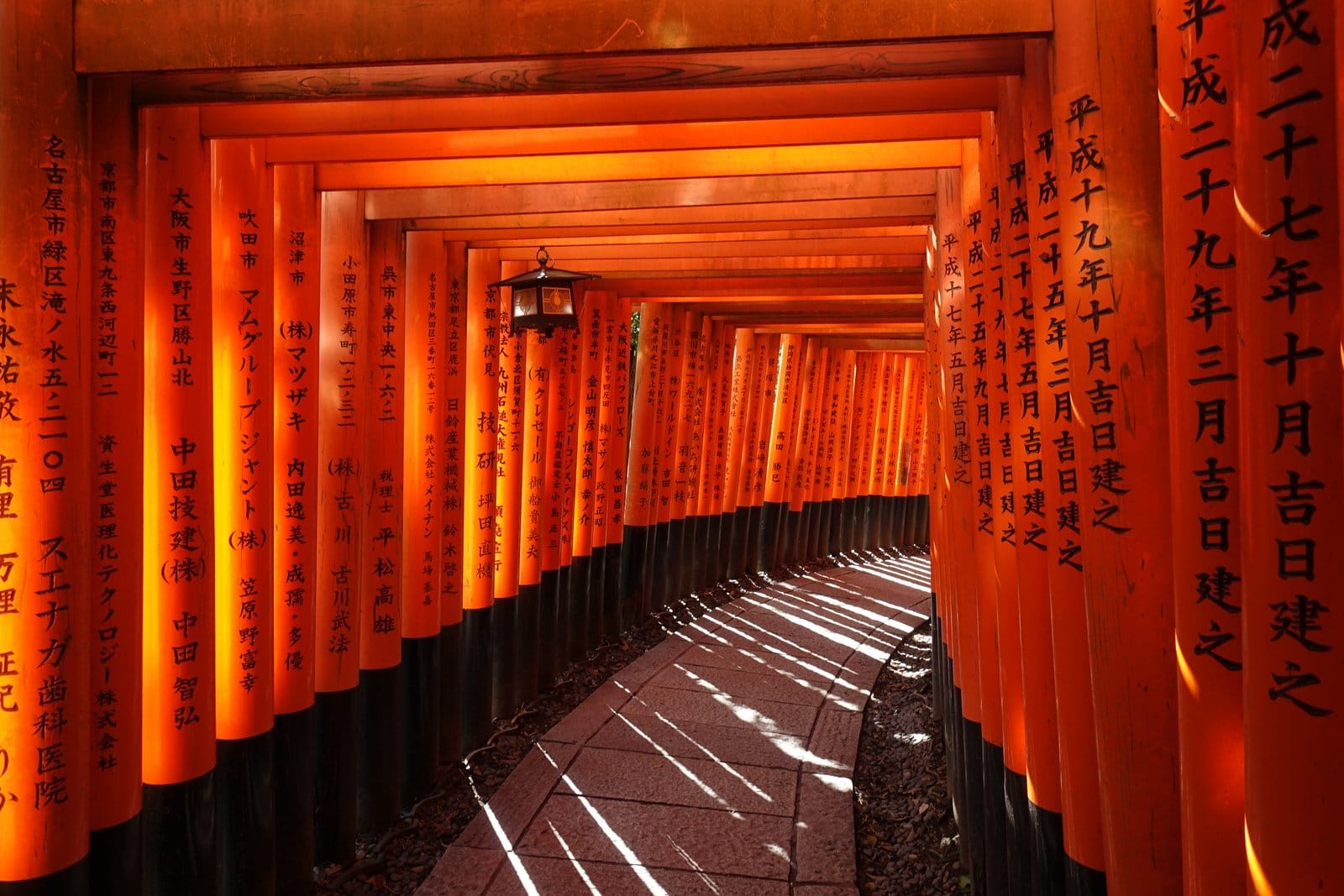
New Year in Japan
20 min · seasonal

Decree 283/2026: Workers who illegally remain abroad face fines of 80–100 million VND from September 10, 2026
6 min · news
Japan Shrine and Temple Etiquette: A Detailed Beginner's Guide
7 min · culture
Nichinan Coast Drive: Moai Statues and Ocean Roads
8 min · destinations