
Kimono in Ibaraki: Where to Wear It, Best Photo Spots and How to Plan the Day
Kimono in Ibaraki: Kairakuen plum garden, Hitachi Seaside Park blue hills, the sea torii at Oarai, Kasama Inari, train times from Tokyo and OlaChill options.
Sep 14, 2026·✍️ olablog·⏱ 6 min read
Kimono in Ibaraki: Kairakuen plum garden, Hitachi Seaside Park blue hills, the sea torii at Oarai, Kasama Inari, train times from Tokyo and OlaChill options.
Ibaraki: the kimono day trip nobody expects
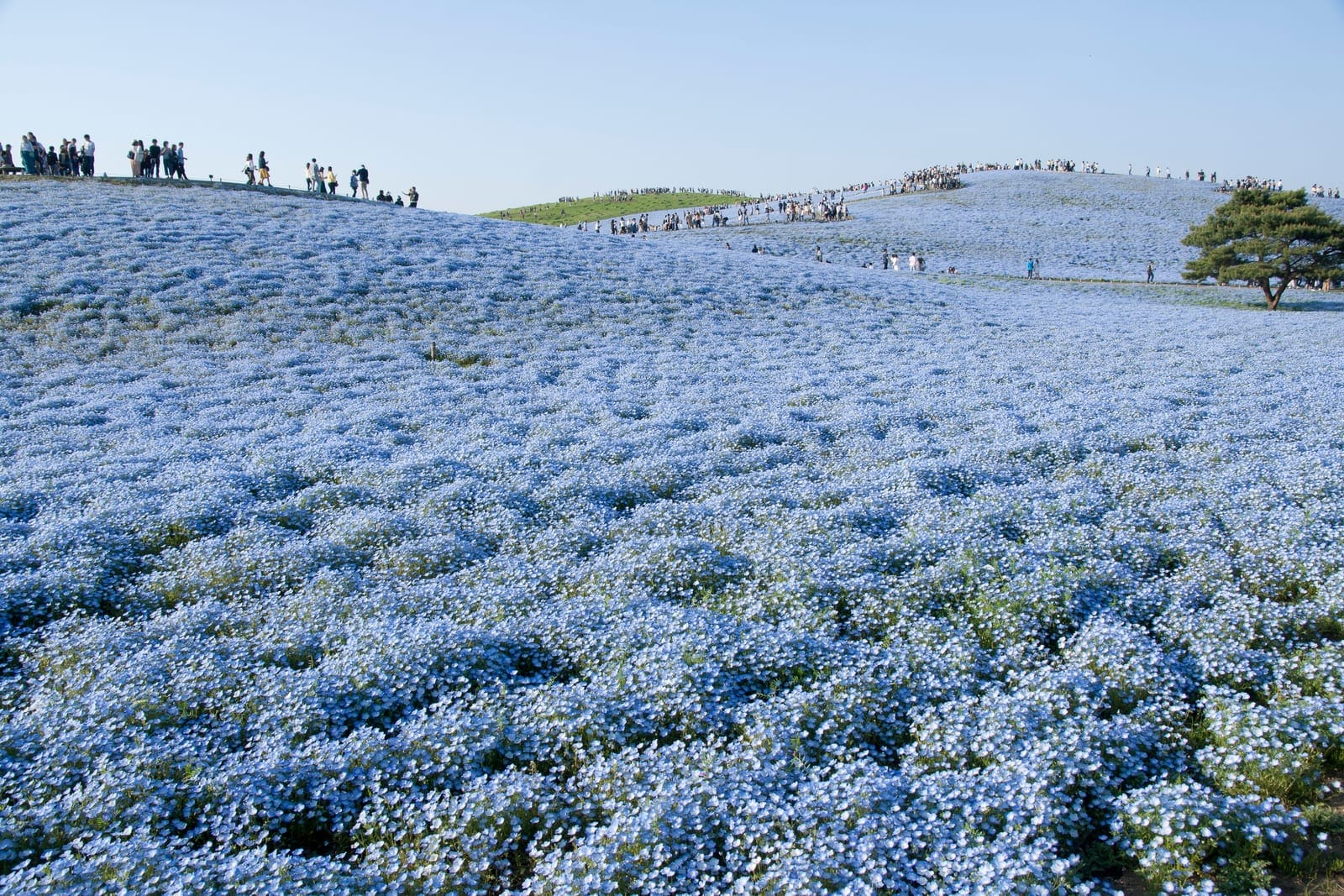
Ibaraki is the prefecture Tokyo people drive through on the way to somewhere else. That is a mistake in three seasons. Late February brings 3,000 plum trees into bloom at one of Japan's three great gardens. Late April floods a seaside hill with blue nemophila. October turns the same hill red with kochia bushes. And all year, a torii stands on a rock in the Pacific surf at Oarai, with the sun rising through it.
The point for kimono wearers: Mito is 70 minutes from Ueno on the Hitachi limited express. This is one of the few prefectures in this series where a day out from a Tokyo rental is actually workable, and I will show you the timings.
The spots
Kairakuen (偕楽園), Mito
Laid out in 1842 by the Mito lord for the public to enjoy, Kairakuen has about 3,000 plum trees of 100 varieties. The Plum Festival runs from mid February to late March, and the trees bloom in waves so the garden stays good for weeks. Kobuntei, the lord's three-storey villa in the garden, has a top-floor view over Lake Senba. Paths are gravel and mostly flat; the bamboo grove and cedar wood at the back are shaded and quiet. A kimono among white and pink plum in February, with a haori against the wind, is the prefecture's signature image.
Hitachi Seaside Park (国営ひたち海浜公園)
Miharashi Hill is planted with about 4.5 million nemophila that bloom sky-blue from mid April to early May, and with kochia bushes that turn crimson in mid October. The hill path is paved but climbs steadily; take it slowly in zori and stay on the main path. The park is large, so ride the internal shuttle train between the gate and the hill.
Oarai Isosaki Shrine (大洗磯前神社)
The Kamiiso torii stands on a rock in the surf below the shrine. Dawn is the photo: the sun comes up behind the gate. The viewing spot is a paved platform above the rocks; do not go down onto the rocks in zori. The shrine itself, up a steep staircase, has a long flat approach from the top car park.
Kasama Inari Shrine (笠間稲荷神社)
One of Japan's three great Inari shrines, with a chrysanthemum festival from late October to late November when the grounds fill with thousands of cultivated blooms and doll displays dressed in chrysanthemum petals. The town is a pottery centre; the pottery street beside the shrine is flat and pleasant.
Makabe (真壁) hina doll festival
From early February to early March, more than a hundred old houses in this stone-merchant town display their hina dolls to passers-by. Kimono is the natural thing to wear, and the townspeople will invite you in.
| Spot | Best time | Access | Crowd level |
|---|---|---|---|
| Kairakuen | Mid Feb to late March | Bus 15 min from Mito Station; Kairakuen Station opens weekends in season | High on festival weekends |
| Hitachi Seaside Park | Mid April to early May, mid October | Bus 15 min from Katsuta Station | Very high in peak week |
| Oarai Isosaki Shrine | Dawn, any season | Taxi 10 min from Oarai Station | Low at dawn |
| Kasama Inari | Late Oct to late Nov | 20 min walk from Kasama Station | Medium |
| Makabe | Feb to early March | Bus from Iwase or Tsukuba | Low |
Seasons and what to wear
Ibaraki winters are dry and sunny with a cold Pacific wind, so February at Kairakuen is a lined kimono plus a haori and a shawl. April is perfect kimono weather. Summer is humid; the Mito Komon Festival in early August has yukata dancing and the Tsuchiura fireworks in early November are a rare autumn fireworks night, cool enough for a kimono with a haori.
Where OlaChill fits in: a real day trip
Our shops are in Tokyo Asakusa and Kyoto Kiyomizu, open 09:00 to 18:00. There is no shop in Ibaraki and no photographer there. But Mito is close enough that a Kairakuen day in an OlaChill kimono works if you commit to the timings:
- 09:00 dressing at Asakusa (allow 30 to 45 minutes; hair styling adds about 20).
- 10:00 Asakusa to Ueno by subway, 10 minutes.
- 10:30 Hitachi limited express Ueno to Mito, about 70 minutes.
- 12:00 to 14:30 Kairakuen and Kobuntei, lunch by the lake.
- 15:00 Hitachi back to Ueno, arriving about 16:15.
- 16:45 at Asakusa, 75 minutes before closing.
Hitachi Seaside Park needs Katsuta Station, ten minutes further, and the hill walk takes longer; that is a day where I would add next-day return (¥1,100) and come back before 10:00 the next morning rather than sprint for 18:00. Oarai at dawn is only possible with next-day return or a night in Oarai.
If your group would rather not touch a train in kimono, a chauffeured car from Asakusa to Mito and back is quoted per trip; ask with your date. For the coast beyond, see our Ibaraki coastal route guide.
Plan your kimono day
- Book the Komongi plan (¥5,500, ¥4,950 online) or a yukata in summer, and reserve the 09:00 dressing slot.
- Reserve Hitachi seats both ways; the express sells out on plum festival weekends.
- Kairakuen first, Kobuntei second, then the cedar grove for shade.
- Lunch at Lake Senba, flat lakeside path, swan boats in the background.
- Back on the 15:00 express. Do not chase a later one; 18:00 at the shop is firm without next-day return.
- Next-day return if you want Hitachi Seaside Park or the Oarai sunrise.
FAQ
Can I take the Hitachi express to Mito in a kimono? Yes. Seventy minutes is comfortable; reserve a seat, sit slightly forward so the obi bow is not crushed.
Is Miharashi Hill at Hitachi Seaside Park walkable in zori? Yes on the paved main path, slowly. It is a steady climb of about 15 minutes; skip the grass shortcuts.
Can I get down to the Kamiiso torii rocks in kimono? No. Stay on the platform. The rocks are wet and sharp, and the photo is better from above anyway.
Does OlaChill have a shop in Mito? No. Dressing and return are at Tokyo Asakusa or Kyoto Kiyomizu only; the Mito day works as a round trip from Asakusa.
When is Kairakuen at its best for a kimono photo? The last week of February into the first week of March, mid-morning on a weekday.
Book the Asakusa slot and go
Ibaraki is the rare prefecture where a Tokyo kimono can travel. Reserve the 09:00 dressing at OlaChill Kimono Rental, add next-day return if the seaside park is on your list, and book online for 10% off.
More from this region — Other
View all →
Kimono in Ishikawa: Where to Wear It, Best Photo Spots and How to Plan the Day
8 min · culture
Kimono in Iwate: Where to Wear It, Best Photo Spots and How to Plan the Day
6 min · culture
Kimono in Kagawa: Where to Wear It, Best Photo Spots and How to Plan the Day
8 min · culture
Kimono in Kanagawa: Where to Wear It, Best Photo Spots and How to Plan the Day
6 min · culture