
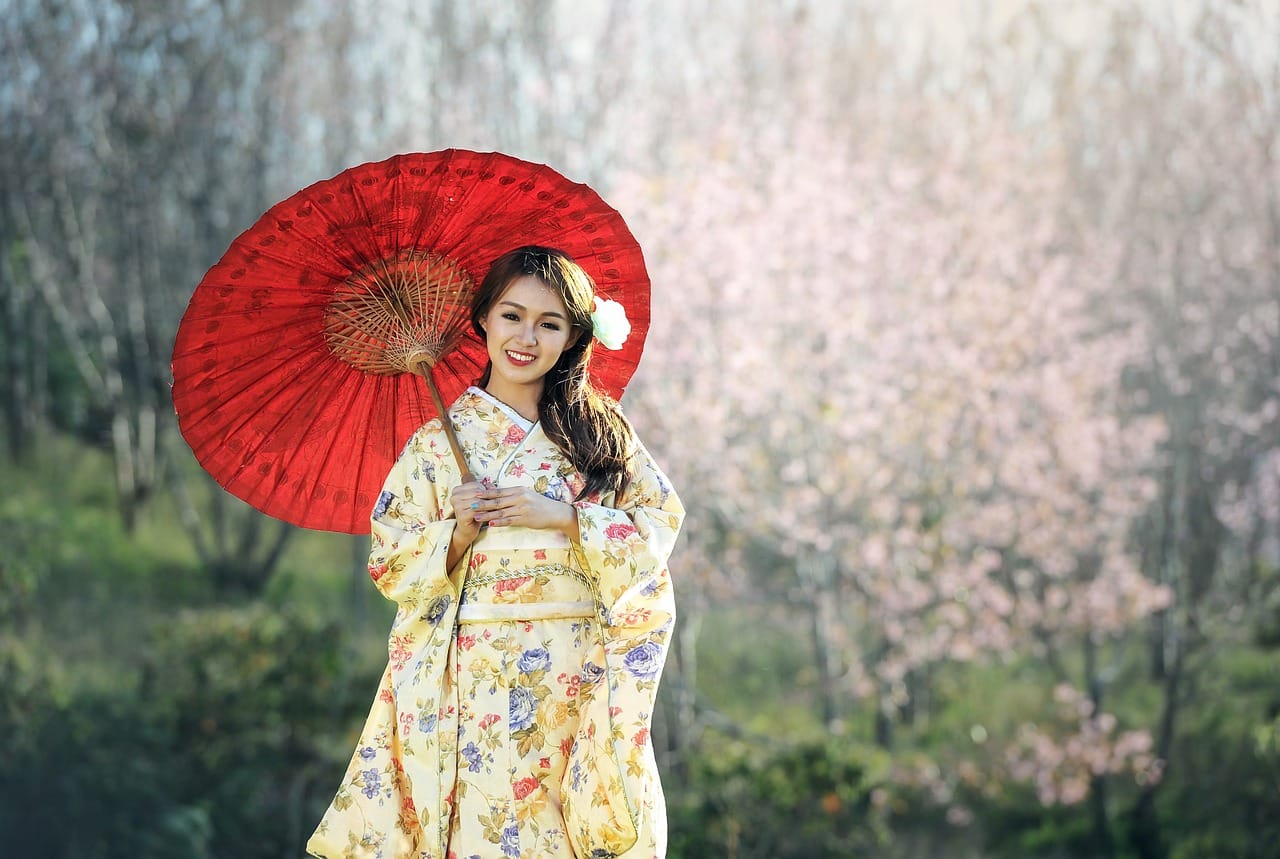
Kimono in Mie: Where to Wear It, Best Photo Spots and How to Plan the Day
Kimono in Mie prefecture: Ise Jingu and Okage Yokocho, the Meoto Iwa wedded rocks, Sekijuku post town and Iga Ueno, with Kintetsu train times from Kyoto and Nagoya and a day plan.
Sep 14, 2026·✍️ olablog·⏱ 7 min read
Kimono in Mie prefecture: Ise Jingu and Okage Yokocho, the Meoto Iwa wedded rocks, Sekijuku post town and Iga Ueno, with Kintetsu train times from Kyoto and Nagoya and a day plan.
Mie (三重県) is the prefecture of Ise Jingu (伊勢神宮), the most sacred Shinto site in Japan, rebuilt from scratch every twenty years for the past thirteen centuries. In the Edo period, pilgrims from every province walked here, and the woodblock prints of the time show them arriving in their best kimono, crowding the bridge over the Isuzu River. Coming to Ise in kimono today is not a photo trend. It is the older tradition.
Beyond Ise, Mie has a Tokaido post town that looks untouched, a ninja castle town, and the wedded rocks at Futami where the sun rises between two boulders in summer.
Ise: the shrine and the street
Ise Jingu is two main sanctuaries. The Naiku (内宮, Inner Shrine) is the important one for visitors: cross the Uji Bridge, walk the gravel path under cedars, wash at the Isuzu River's stone bank, and climb the steps to the main sanctuary, where you may not photograph beyond the fence. The Geku (外宮, Outer Shrine) is a bus ride away and quieter.
In front of the Naiku, Oharai-machi (おはらい町) is an 800-metre street of restored Edo and Meiji buildings, and halfway along it Okage Yokocho (おかげ横丁) is a recreated pilgrim town of sweet shops, restaurants and craft stores. This is where the kimono photographs are taken: dark wood, white plaster, and the smell of grilled Ise lobster.
Best photo spots in Mie for kimono
| Spot | Best time | Access | Crowd level |
|---|---|---|---|
| Ise Jingu Naiku, Uji Bridge and cedar approach (伊勢神宮 内宮) | Opening at 5:00 to 8:00; late afternoon | Bus from Ise-shi or Ujiyamada Station, 15 min | Very high 10:00 to 15:00 |
| Okage Yokocho and Oharai-machi (おかげ横丁) | 8:30 before shops open, or after 16:00 | At the Naiku entrance | High |
| Ise Jingu Geku (外宮) | Any time | 5 min walk from Ise-shi Station | Low |
| Meoto Iwa, Futami Okitama Shrine (夫婦岩) | Sunrise May to July; any morning otherwise | JR Futaminoura Station, 15 min walk | Medium at dawn in summer |
| Sekijuku post town (関宿) | Morning; almost no visitors | JR Seki Station, 5 min walk | Very low |
| Iga Ueno Castle and Ninja Museum (伊賀上野城) | Morning; early April cherry | Iga Railway Uenoshi Station | Medium |
| Toba Bay and the Mikimoto Pearl Island (鳥羽) | Afternoon | JR or Kintetsu Toba, 15 min from Ise | Medium |
| Kumano Kodo Iseji, Magose Pass (熊野古道伊勢路 馬越峠) | Not in kimono; see note | JR Owase | Low |
Sekijuku is the surprise. It is a full kilometre of Edo-period post-town houses, one of only a few on the old Tokaido to survive intact, and because it sits between Nagoya and Osaka on a line nobody takes, you can walk its whole length in kimono and meet three people. The Magose Pass on the Kumano Kodo is included only to say: it is a mossy stone trail through cypress forest, spectacular, and not for a rented kimono.
Seasons in Mie
- Early April: cherries along the Isuzu River and at Iga Ueno Castle.
- May to July: sunrise between the Meoto Iwa rocks aligns with Fuji on clear mornings around the summer solstice. Yukata at 4:30 is cold; bring a haori.
- August: coastal heat; yukata, and keep to the cedar shade of the Naiku.
- Late November: the Isuzu River maples inside the Naiku grounds; a formal Houmongi feels right here.
- New Year: Ise receives hundreds of thousands of pilgrims in the first three days. Beautiful, but not a photography day.
Where the kimono comes from
OlaChill's shops are Kyoto Kiyomizu and Tokyo Asakusa. Mie is a Kyoto start.
Kyoto to Ise by Kintetsu: limited express trains from Kyoto Station run direct to Ise-shi and Ujiyamada in about two hours, with some services continuing to Toba. From Kiyomizu, allow 20 minutes to Kyoto Station by taxi. Dress at 9:00, on the 10:00 train, at the Naiku by 12:45.
From Nagoya: Kintetsu limited express to Ise-shi in about 80 minutes, useful if you are combining Aichi and Mie.
From Tokyo: Shinkansen to Nagoya then Kintetsu; about three hours total. A Kyoto start is easier.
Because the return train reaches Kyoto after the shop closes, add the next-day return option (¥1,100) and bring the kimono back before 10:00 the next morning. For Ise plus Meoto Iwa plus Sekijuku in one day, a chauffeured car from Kyoto is the only way to do all three; quotes at Japan luxury car with driver.
Plans at both shops run from ¥4,000 for men's yukata and ¥4,500 for women's, ¥5,500 for the Komongi, ¥12,000 for the Houmongi or Tomesode, and ¥10,000 for a men's formal Montsuki, which suits the Naiku. Hair styling is ¥1,500, makeup ¥5,000, and online booking is 10% below the counter price.
Plan your kimono day in Ise
- Two days before: book the plan with next-day return, reserve the Kintetsu seat, and a hotel in Ise or Toba.
- 09:00 Kiyomizu: dressing, 30 minutes. Choose zori; the Naiku's gravel is long.
- 10:00 Kyoto Station: Kintetsu limited express, two hours. Sit forward; the seats recline deeply and can crush the obi bow.
- 12:45 Naiku: cross the Uji Bridge, follow the river path, climb to the sanctuary. Hats off, no photographs past the fence. Forty-five minutes.
- 13:45 Okage Yokocho: lunch of tekone-zushi (marinated tuna on rice) and akafuku mochi. Keep a handkerchief over the obi.
- 15:30 Meoto Iwa: 20 minutes by train from Ise-shi to Futaminoura. The rocks and the frog statues at the shrine.
- Next morning: Kintetsu back to Kyoto, return the kimono before 10:00.
Practical notes
- The Naiku asks visitors to walk on the right of the path; the centre is for the gods. Photographs of the main sanctuary are permitted only from the foot of the steps.
- Okage Yokocho's shops start at 9:30. For empty-street photographs, be there at 8:30 and eat afterwards.
- The Isuzu River bank where pilgrims wash is stone and can be slippery in zori. Kneel rather than bend.
Related reading: Ise Jingu, the sacred shrine and Nagoya to Ise-Shima group trip.
FAQ
Is kimono appropriate at Ise Jingu? Yes, and traditionally correct. Choose a subdued pattern for the sanctuary itself; save bright furisode for Okage Yokocho.
Can I return the kimono in Ise? No. Returns are at the shop where you dressed. Use the next-day return add-on and travel back to Kyoto the following morning.
How early should I visit the Naiku? Before 8:00 if you want the cedar path without crowds. It opens at 5:00 year-round. The early Kintetsu from Kyoto cannot get you there that early; stay overnight in Ise and do the Naiku at dawn on day two.
Is the Kintetsu train comfortable in kimono? Yes. Book a reserved seat; the Shimakaze premium train has wider seats if you want to spend more.
What about the Kumano Kodo in Mie? The Iseji route is forest trail. Do it another day in boots; do not take a rented kimono onto the passes.
Book the Kyoto start
Choose a plan on the OlaChill kimono rental page, add next-day return, and cross the Uji Bridge the way pilgrims have for a thousand years. For the full Ise, Futami and Sekijuku loop, request a driver quote at Japan luxury car.
More from this region — Other
View all →
Kimono in Miyagi: Where to Wear It, Best Photo Spots and How to Plan the Day
6 min · culture
Kimono in Saitama: Where to Wear It, Best Photo Spots and How to Plan the Day
6 min · culture
Kimono in Shiga: Where to Wear It, Best Photo Spots and How to Plan the Day
7 min · culture
Kimono in Shizuoka: Where to Wear It, Best Photo Spots and How to Plan the Day
7 min · culture