
Kimono in Fukui: Where to Wear It, Best Photo Spots and How to Plan the Day
Kimono in Fukui for travellers: Eihei-ji cedar temple, Maruoka Castle, Echizen Ono and the Mikata lakes, with train times from Kyoto, seasonal advice and a step-by-step plan.
Sep 14, 2026·✍️ olablog·⏱ 7 min read
Kimono in Fukui for travellers: Eihei-ji cedar temple, Maruoka Castle, Echizen Ono and the Mikata lakes, with train times from Kyoto, seasonal advice and a step-by-step plan.
Fukui (福井県) is the quiet prefecture between Kyoto and Kanazawa that most itineraries skip. Since the Hokuriku Shinkansen reached Fukui city, it has become an easy stop, and for kimono photography it has something the famous cities lack: space. You can stand in the cedar forest of Eihei-ji or on the cliffs of Tojinbo in a silk kimono and not have a single stranger in the frame.
This is a guide for people who have already seen Kyoto and want photographs that do not look like everyone else's.
What makes Fukui different
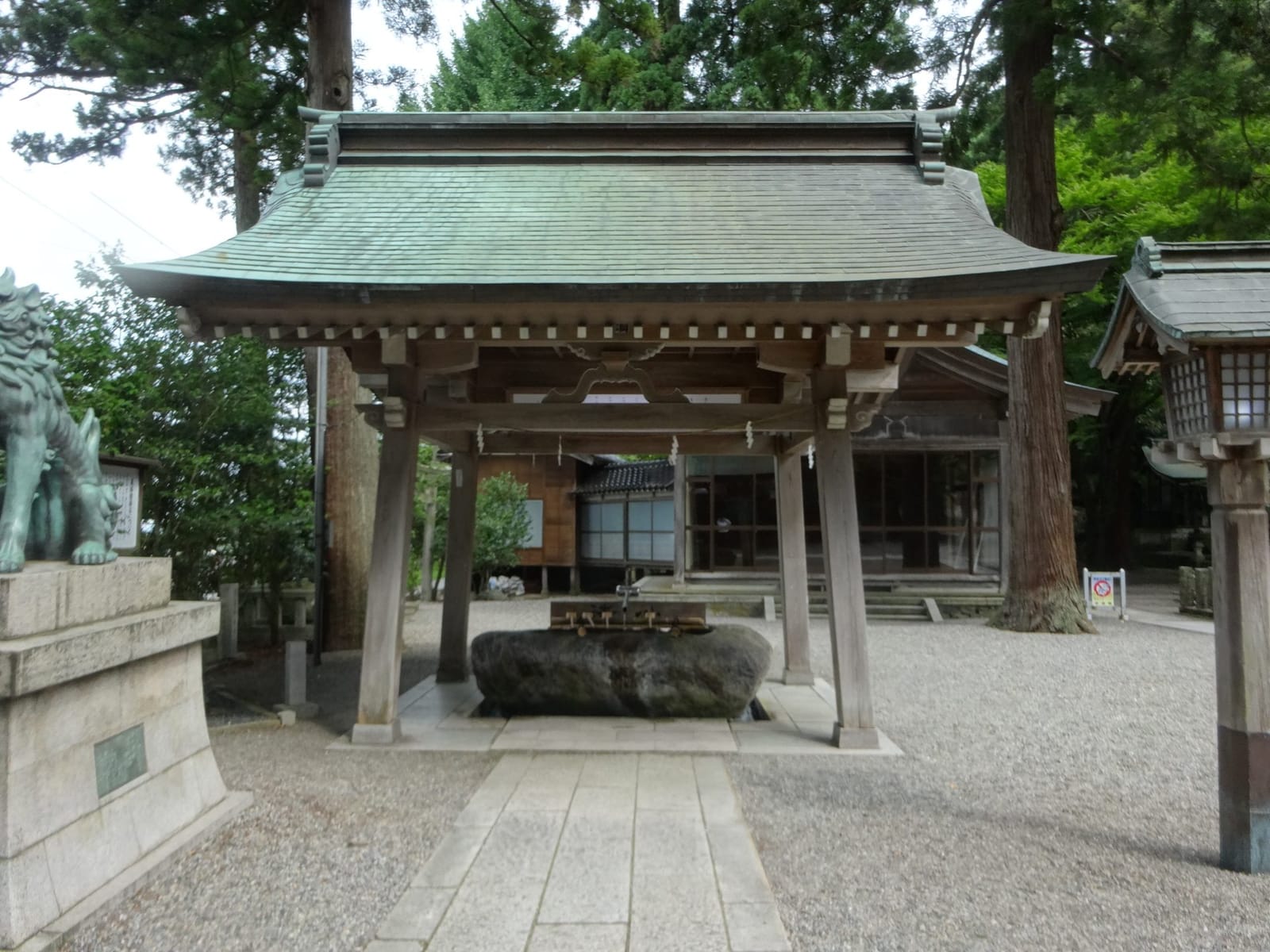
Fukui's identity is Zen, paper and cliffs. Eihei-ji (永平寺) is the head temple of Soto Zen, founded in 1244, and still a working monastery where two hundred monks train. Echizen washi (越前和紙) has been made in the same villages for 1,500 years; it is the paper on which the first Japanese banknotes were printed. Along the coast, Tojinbo (東尋坊) is a kilometre of basalt columns dropping into the Sea of Japan.
None of these are "kimono towns" the way Kanazawa is, and that is the point. The contrast between a patterned kimono and raw cedar, dark stone or grey sea makes a stronger photograph than the same kimono against another red gate.
Best photo spots in Fukui for kimono
| Spot | Best time | Access | Crowd level |
|---|---|---|---|
| Eihei-ji (永平寺) | Opening at 8:30, or after 15:00 | Bus from Fukui Station, 30 min | Medium, quiet on weekdays |
| Maruoka Castle (丸岡城) | Early April cherry blossoms; any morning for the keep | Bus from Fukui or Awara Onsen, 40 min | Low |
| Echizen Ono Castle (越前大野城) | October and November dawn for the "castle in the sky" cloud sea | Train to Echizen-Ono, 1 h, then taxi | Low, photographers only at dawn |
| Yokokan Garden (養浩館庭園) | Afternoon light on the pond pavilion | 15 min walk from Fukui Station | Low |
| Tojinbo cliffs (東尋坊) | Late afternoon, sunset over the sea | Bus from Awara-Yunomachi, 20 min | Medium in summer |
| Kumagawa-juku (熊川宿) | Morning, before the few shops open | Bus from Kaminaka Station, 10 min | Very low |
| Mikata Five Lakes Rainbow Line (三方五湖) | Clear days; summit terrace | Car or bus from Mihama, 30 min | Low |
| Echizen Washi Village (越前和紙の里) | Weekdays when workshops are running | Bus from Takefu Station, 25 min | Low |
Kumagawa-juku deserves a word. It is a preserved post town on the old road that carried mackerel from the Sea of Japan to Kyoto, hence its nickname "Saba Kaido" (the mackerel highway). One street, plaster storehouses, a clear stream running down the side of the road, and almost nobody there. In kimono it looks like an Edo-period print.
Seasons in Fukui
- Early April: Maruoka Castle's four hundred cherry trees around the oldest surviving castle keep in Japan. This is the single best kimono photograph in the prefecture and it lasts about a week.
- June: Eihei-ji's moss is at its greenest after the rains, and the cedars keep the air cool. A light unlined kimono works.
- August: coastal Fukui is hot; wear yukata and go to Tojinbo at sunset, when the wind comes up.
- Late October to November: cloud-sea mornings at Echizen Ono, red maples in Eihei-ji's grounds. Bring a haori.
- Winter: heavy snow. Eihei-ji under snow is extraordinary but you need proper footwear; carry your zori and change at the gate.
Getting a kimono: what is actually possible
OlaChill's two shops are in Kyoto Kiyomizu and Tokyo Asakusa. Neither is in Fukui, but Fukui is the closest of all Hokuriku prefectures to Kyoto, which makes a same-day plan realistic.
From Kyoto: the Thunderbird limited express to Tsuruga takes about 55 minutes, and the Hokuriku Shinkansen from Tsuruga to Fukui about 20 minutes. With the change, allow roughly an hour and a half from Kyoto Station to Fukui Station. Dress at Kiyomizu at 9:00, be on a train by 10:30, and you can be at Eihei-ji by 13:00. Add the next-day return (¥1,100) so the kimono can come back before 10:00 the next morning.
From Tokyo: the Hokuriku Shinkansen from Tokyo to Fukui takes just under three hours. Feasible with next-day return, but it is a long day in an obi; a Kyoto start is kinder.
By private car: a chauffeured car from Kyoto lets you combine Eihei-ji, Maruoka and Tojinbo in one loop, which public transport cannot do comfortably. Quotes on request at Japan luxury car with driver.
Plans at both OlaChill shops run from ¥4,000 (men's yukata) and ¥4,500 (women's yukata) through the ¥5,500 Komongi to the ¥19,000 Furisode, with hair styling at ¥1,500 and makeup at ¥5,000. Online booking is 10% below the in-store price.
Plan your kimono day in Fukui
- Book two days ahead: kimono plan plus next-day return, and a hotel in Fukui city or Awara Onsen.
- 09:00 Kyoto Kiyomizu: dressing takes about 30 minutes. Keep a small crossbody bag; Fukui buses do not have luggage space.
- 10:30 to 12:00: Thunderbird to Tsuruga, Shinkansen to Fukui. Buy the Eihei-ji bus ticket at the station's east exit.
- 13:00 Eihei-ji: the covered stairways between halls are steep and polished. Hold the hem, climb slowly, and remove zori where signs ask.
- 15:30 Yokokan Garden: back in the city, the pavilion over the pond is a five-minute frame that needs no editing.
- 17:00 option: if the sky is clear, take a taxi to Tojinbo for sunset (about 40 minutes from Fukui Station), or rest at Awara Onsen.
- Next morning: train back to Kyoto and return the kimono before 10:00.
Etiquette specific to Fukui
- Eihei-ji is a training monastery. Photography is allowed in most corridors but not of monks in practice, and silence is expected in the Dharma Hall.
- Tojinbo has no railings on many sections. Zori on wet basalt is a bad combination; take photos from the paved viewpoints.
- At the washi village, dyes and pulp splash. Ask before entering a workshop in a rented kimono.
Related reading: Kanazawa and Hokuriku group route covers the wider region if you continue north.
FAQ
Is there a kimono rental shop in Fukui city? There may be small local shops, but OlaChill does not operate one there. The reliable option is to dress at OlaChill Kyoto Kiyomizu and take the next-day return add-on.
How long is the Eihei-ji visit? Allow 90 minutes to walk the halls and the cedar approach. In kimono, add 20 minutes for stairs.
Can I see the Echizen Ono cloud sea in kimono? Only with a car or taxi, because the viewpoint on Mt Inuyama opens before public transport starts. It is a 20-minute forest climb; wear walking shoes up and change into zori at the top.
Which Fukui food goes with a kimono day? Echizen crab in winter and "sauce katsudon" in Fukui city year-round. Ask for a paper apron with katsudon; sauce on a rental kimono is a cleaning charge.
Is Fukui worth a kimono day compared to Kanazawa? If you want teahouse streets, Kanazawa. If you want temples in cedar forest and empty cliffs, Fukui. Both are reachable from Kyoto; Fukui is closer.
Book the Kyoto start
Choose a plan on the OlaChill kimono rental page, tick the next-day return, and give Fukui the quiet kimono day it deserves. For the loop that includes Tojinbo and Maruoka, request a driver quote at Japan luxury car.
More from this region — Other
View all →
Kimono in Gunma: Where to Wear It, Best Photo Spots and How to Plan the Day
7 min · culture
Kimono in Hyogo: Where to Wear It, Best Photo Spots and How to Plan the Day
7 min · culture
Kimono in Ibaraki: Where to Wear It, Best Photo Spots and How to Plan the Day
6 min · culture
Kimono in Ishikawa: Where to Wear It, Best Photo Spots and How to Plan the Day
8 min · culture